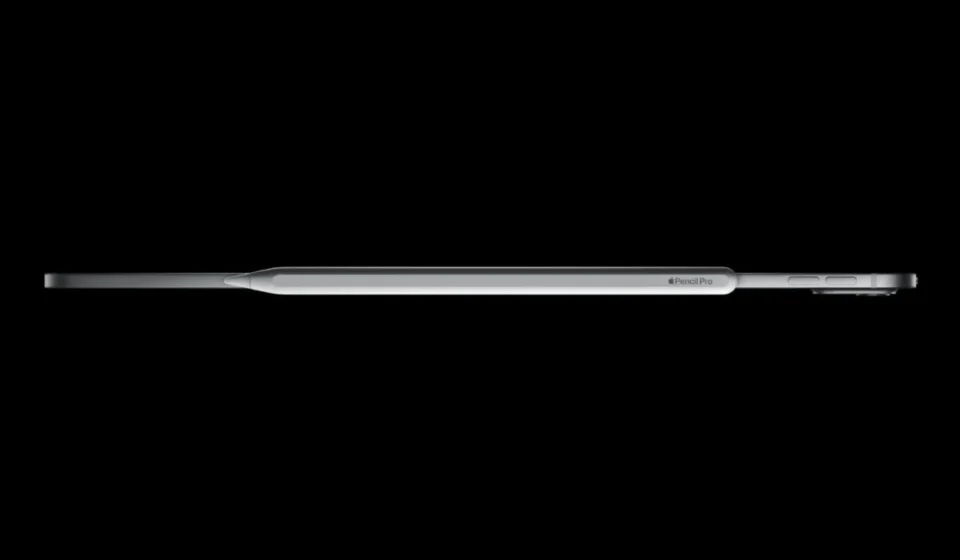

Apple has internally prototyped, tested, and considered launching an Apple Pencil accessory specifically designed for its upcoming foldable iPhone, a device reportedly codenamed "iPhone Ultra." This revelation comes from a report by Bloomberg’s Mark Gurman, a prominent analyst known for his insights into Apple’s product development pipeline. While the accessory has seen significant internal development, Gurman suggests that its eventual release remains unlikely, signaling a complex strategic decision for the technology giant.
Internal Prototyping and Design Considerations
Gurman’s reporting, detailed in his "Power On" newsletter, indicates that Apple’s engineers have actively explored the integration of stylus functionality with its foldable iPhone. The prototypes tested were described as being "stubbier" than the current iterations of the Apple Pencil designed for iPads. This more compact form factor would likely be a necessity to accommodate the unique engineering and design constraints of a foldable device, which typically prioritizes portability and a slim profile even when unfolded.
A key design feature that emerged during this internal testing phase was the proposed method of attachment and charging. The Apple Pencil for the foldable iPhone was reportedly engineered to magnetically attach and wirelessly charge on the side of the device. This approach mirrors the successful magnetic charging and attachment mechanism seen with the Apple Pencil 2nd Generation and newer models on compatible iPads, offering a seamless user experience for stylus users. The integration of such a feature would mark a significant departure for the iPhone line, which has historically relied solely on touch input.
A Historical Contradiction: Jobs’s Stance on Styluses
The exploration of an Apple Pencil for the iPhone presents a notable contrast to the company’s foundational philosophy. In 2007, at the unveiling of the original iPhone, the late Apple co-founder Steve Jobs famously disparaged the use of styluses for smartphones. He argued that the best stylus for a phone was one’s finger, emphasizing the intuitive and direct nature of touch-based interaction. Jobs stated, "Who wants a stylus? You have to get ’em, put ’em away, you’re gonna lose ’em. Yuck! Nobody wants a stylus." This stance was instrumental in defining the iPhone’s user interface and its departure from the stylus-dependent smartphones prevalent at the time, such as those running Windows Mobile.
Apple’s subsequent success with the iPad, which has consistently featured Apple Pencil support, demonstrates a strategic evolution. The iPad, positioned as a more capable and versatile device for creative tasks, productivity, and content consumption, found a natural synergy with a stylus. The introduction of the Apple Pencil revolutionized how users interacted with the iPad, enabling precise drawing, note-taking, and document annotation. This success has seemingly led Apple to reconsider the potential for stylus input on its flagship smartphone, particularly with the advent of a foldable form factor that could offer a larger canvas for such interactions.
The Foldable iPhone: A New Frontier for Apple
The foldable iPhone, rumored to be named the "iPhone Ultra," is anticipated to be unveiled at Apple’s September 9th event. This marks Apple’s entry into a rapidly evolving segment of the smartphone market, one that has seen increasing competition from manufacturers like Samsung, Google, and Motorola. The foldable smartphone category offers a unique proposition: a compact device that can expand to provide a larger screen real estate, akin to a small tablet. This dual functionality has the potential to unlock new use cases and redefine mobile computing.
The potential integration of an Apple Pencil with such a device suggests that Apple envisions the iPhone Ultra not just as a communication tool but also as a more powerful platform for creativity and productivity. A larger, foldable display, combined with stylus precision, could make the iPhone Ultra a compelling option for artists, designers, students, and professionals who require more nuanced input capabilities than a traditional smartphone offers. The development of a dedicated stylus indicates a belief within Apple that the foldable form factor is capable of supporting and benefiting from such an accessory.
Strategic Implications and Market Positioning
The decision to prototype and test an Apple Pencil for the foldable iPhone, even if it doesn’t reach the market, speaks volumes about Apple’s strategic thinking. It suggests a willingness to explore and experiment with new interaction paradigms for its most iconic product. The foldable iPhone represents a significant technological leap for Apple, and the company is likely evaluating every possible avenue to enhance its functionality and appeal.
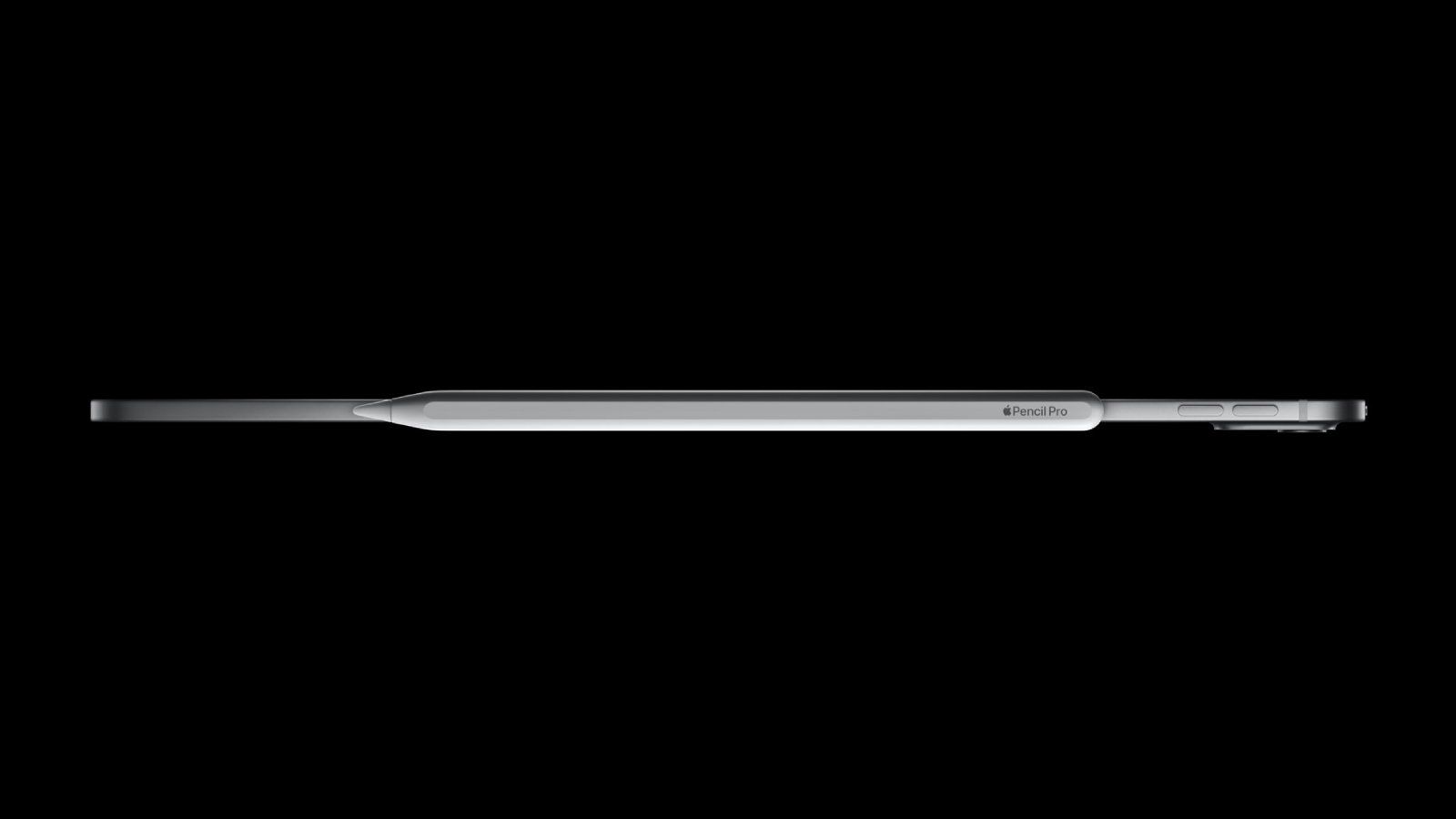
The fact that the accessory is not expected to be released could stem from a variety of factors. One possibility is that the engineering challenges associated with integrating a stylus into a foldable design, while maintaining the device’s durability, thinness, and overall user experience, proved too significant. Another factor could be market demand. While a stylus might appeal to a niche segment of users, Apple may have determined that the broader consumer base for its foldable iPhone would not justify the added cost and complexity of including or supporting a stylus.
Furthermore, Apple’s product release strategies are often characterized by a high degree of polish and refinement. If the Apple Pencil for the foldable iPhone did not meet Apple’s stringent quality standards or offer a truly compelling user experience, it would be consistent with their philosophy to withhold it from the market until it could. The potential for a "stubby" design also raises questions about ergonomics and user comfort during extended use.
The Broader Ecosystem and Future Possibilities
The development of an Apple Pencil for the iPhone, even if shelved, has implications for Apple’s broader ecosystem. It underscores the company’s continued investment in stylus technology and its potential to extend beyond the iPad. If a future iPhone model, perhaps a larger or more specialized version, were to adopt stylus support, the groundwork laid by these internal prototypes could prove invaluable.
The market for styluses has seen a resurgence with the growth of tablets and 2-in-1 devices. Companies like Astropad have developed innovative accessories such as Rock Paper Pencil, which enhances the tactile experience of using an Apple Pencil on an iPad by providing a paper-like texture and specialized tips. This indicates a growing user base that values the precision and expressiveness offered by stylus input.
While the iPhone Ultra may not come with its own dedicated Apple Pencil at launch, the internal testing process suggests that Apple is not ruling out the possibility of stylus integration for its iPhones in the future. The company’s history is replete with examples of technologies that were developed and tested internally before being introduced to the market, sometimes years later. The foldable iPhone, with its larger screen and potential for enhanced functionality, represents a fertile ground for such innovation.
The absence of an Apple Pencil at the iPhone Ultra’s launch would align with the product’s initial positioning. Apple often introduces new product categories with a focus on core functionality, gradually expanding the feature set and accessory ecosystem over subsequent generations. The foldable iPhone is a significant enough departure from the existing iPhone lineup that it may be strategically prudent for Apple to focus on establishing the core foldable experience before introducing a stylus, which could be perceived as a more niche feature.
Conclusion: A Glimpse into Apple’s Innovation Lab
The news that Apple has internally tested an Apple Pencil for its forthcoming foldable iPhone provides a fascinating glimpse into the company’s research and development processes. It highlights Apple’s continuous efforts to innovate and explore new ways for users to interact with their devices. While the accessory may not see the light of day with the iPhone Ultra, the very fact that it was prototyped and considered demonstrates Apple’s commitment to pushing the boundaries of what is possible. The future of smartphone interaction is constantly evolving, and Apple’s exploration of stylus integration for its flagship iPhone line suggests that the company is actively shaping that future, even if its immediate plans remain closely guarded. The success of the foldable iPhone itself will undoubtedly influence Apple’s future decisions regarding accessory support and the broader evolution of its mobile device ecosystem.