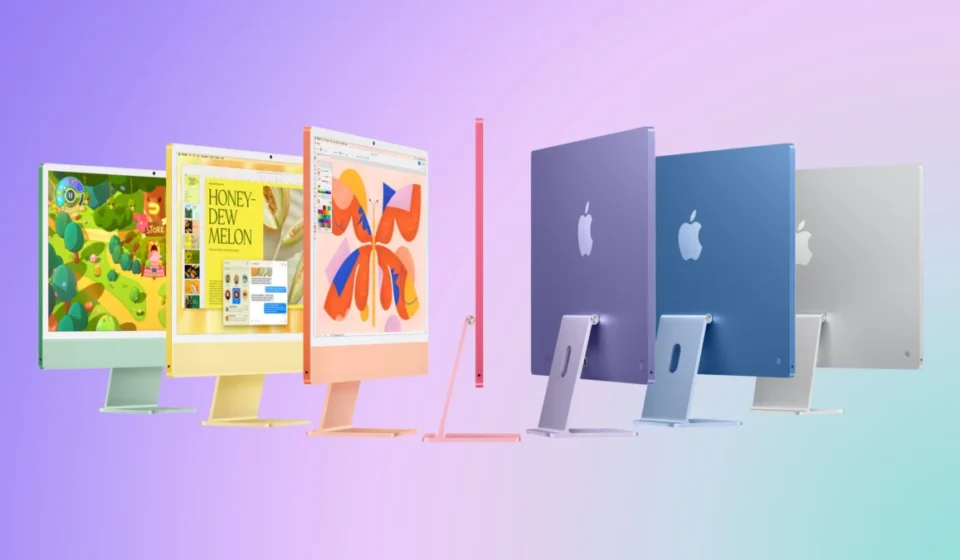

Apple is gearing up to release updated 24-inch iMac models later this year, featuring a significant internal upgrade with the M6 chip and a refreshed palette of color options, according to insights shared by Bloomberg’s Mark Gurman in his "Power On" newsletter. This move signals Apple’s continued commitment to its all-in-one desktop line, providing a performance boost and aesthetic refresh for consumers and creative professionals alike.
The forthcoming iMac models are expected to supersede the current generation, which launched in October 2024 with the M4 chip. While the exact specifications of the M6 chip remain undisclosed, its introduction signifies a progression in Apple’s silicon development, promising enhanced processing power, improved graphics capabilities, and potentially greater energy efficiency. This iterative upgrade is consistent with Apple’s established product release cycles, where core components are refreshed periodically to maintain a competitive edge and deliver improved user experiences.
A Chronicle of iMac Evolution
The iMac line has a storied history of innovation since its inception in 1998, consistently redefining the desktop computing experience. Its evolution from the iconic all-in-one CRT design to the sleek, ultra-thin unibody construction and subsequent integration of Apple’s custom silicon has marked significant milestones. The introduction of the M-series chips marked a pivotal shift, moving away from Intel processors and ushering in an era of unparalleled performance and power efficiency for Macs.
The M1 chip, introduced in 2020, powered a major redesign of the iMac, bringing vibrant new colors and a slimmer profile. This was followed by the M3 chip in 2022, further refining performance and efficiency. The M4 chip, integrated into the current 24-inch iMac released in late 2024, represented another leap forward, particularly in AI and machine learning capabilities, aligning with Apple’s broader focus on intelligent computing. The upcoming M6 chip is therefore expected to build upon these advancements, offering incremental but meaningful improvements.
Enhanced Performance and Visual Appeal
While the precise technical details of the M6 chip are yet to be revealed, industry analysts anticipate improvements in areas such as neural engine performance for AI tasks, graphics processing for demanding creative applications, and overall system responsiveness. For users, this could translate to faster rendering times for video and 3D content, smoother multitasking, and a more fluid experience across a wide range of applications.
Beyond the internal upgrades, the inclusion of new color options suggests Apple’s continued emphasis on personalization and design. The current 24-inch iMac is available in a spectrum of seven colors: green, yellow, orange, pink, purple, blue, and silver, a palette that has been well-received for its ability to add a touch of personality to workspaces. The specific new colors for the M6-powered models are currently unknown, but Apple’s track record indicates a tendency to introduce hues that complement current design trends and appeal to a broad consumer base. This focus on aesthetics has been a hallmark of the iMac, differentiating it from many of its competitors and reinforcing its appeal as both a powerful computing device and a design statement.
Design Continuity and Future Prospects
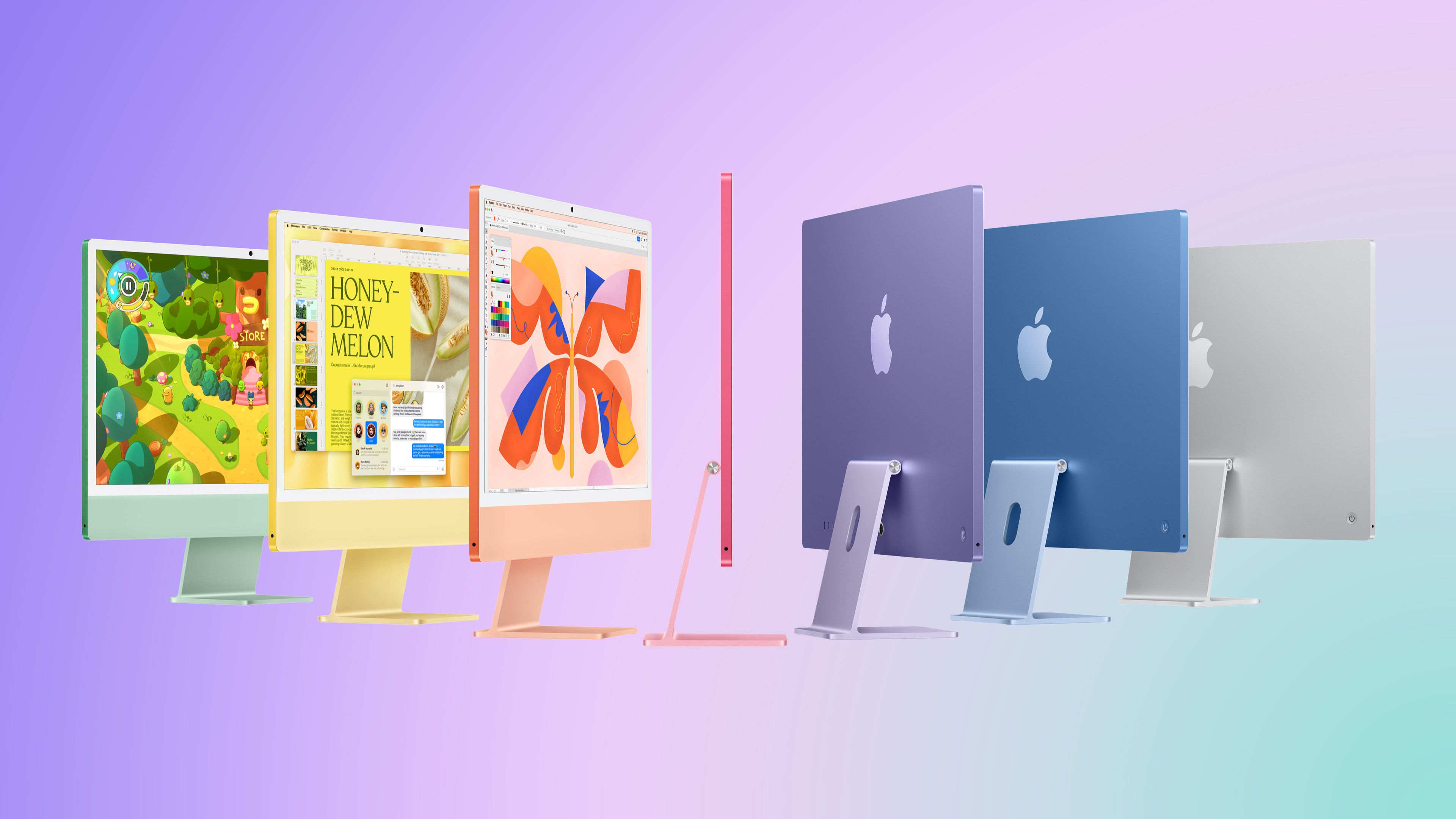
Mark Gurman’s report suggests that major design changes are not anticipated for this iteration of the iMac. This indicates that Apple will likely retain the current 24-inch form factor, which has been praised for its slim profile, vibrant Retina display, and integrated webcam and speaker system. The focus on an internal component refresh, rather than a complete redesign, is a common strategy for manufacturers looking to expedite product releases and capitalize on existing, well-received chassis designs.
Looking further ahead, the article also alludes to Apple’s long-term plans for the iMac line, specifically mentioning the development of a 24-inch iMac model with an OLED display. However, this advanced iteration is reportedly several years away, suggesting that the M6-powered models represent an interim update rather than a complete overhaul of the iMac’s display technology. OLED displays offer superior contrast ratios, deeper blacks, and more vibrant colors compared to current LCD technology, and their eventual integration into the iMac would mark another significant evolution for the product.
Market Positioning and Competitive Landscape
The iMac has long occupied a unique position in the desktop market, appealing to both home users seeking a user-friendly and aesthetically pleasing computer and professionals who rely on its performance for creative work. By continuously updating its core components and design, Apple aims to maintain the iMac’s relevance in a competitive landscape that includes traditional desktop towers, all-in-one PCs from various manufacturers, and even the growing popularity of compact form factors.
The timing of the M6 iMac’s release, expected before the end of the year, places it in a favorable position to capture holiday season sales. This strategic timing is crucial for hardware manufacturers aiming to maximize revenue during a peak consumer spending period. The M6 chip’s enhancements will be particularly attractive to users who have held onto older iMac models and are looking for a significant performance upgrade.
Industry Reactions and Consumer Expectations
While official statements from Apple regarding specific product updates are typically reserved for launch events, the consistent reporting from reputable sources like Bloomberg’s Mark Gurman provides a strong indication of Apple’s product roadmap. Industry observers and Apple enthusiasts will be keenly watching for the official announcement, eager to see the full specifications of the M6 chip and the new color options.
The decision to focus on internal upgrades and color refreshes, rather than a radical redesign, suggests a strategy of iterative improvement. This approach allows Apple to leverage its existing manufacturing infrastructure and supply chains, potentially leading to more consistent availability and predictable pricing. For consumers, this means a reliable upgrade path that offers tangible performance benefits without the uncertainty that sometimes accompanies entirely new product architectures.
The sustained popularity of the iMac is a testament to its enduring appeal. Its combination of powerful performance, elegant design, and user-friendly macOS operating system has cultivated a loyal customer base. The upcoming M6-powered models are expected to further solidify this position, offering a compelling option for those seeking a premium all-in-one desktop experience. The anticipation surrounding these updates underscores the significant impact the iMac continues to have on the personal computing market, even as the technological landscape evolves.