IOS 27 Introduces Revolutionary iPhone Handoff Feature, Allowing Seamless Number Swapping Between Two iPhones

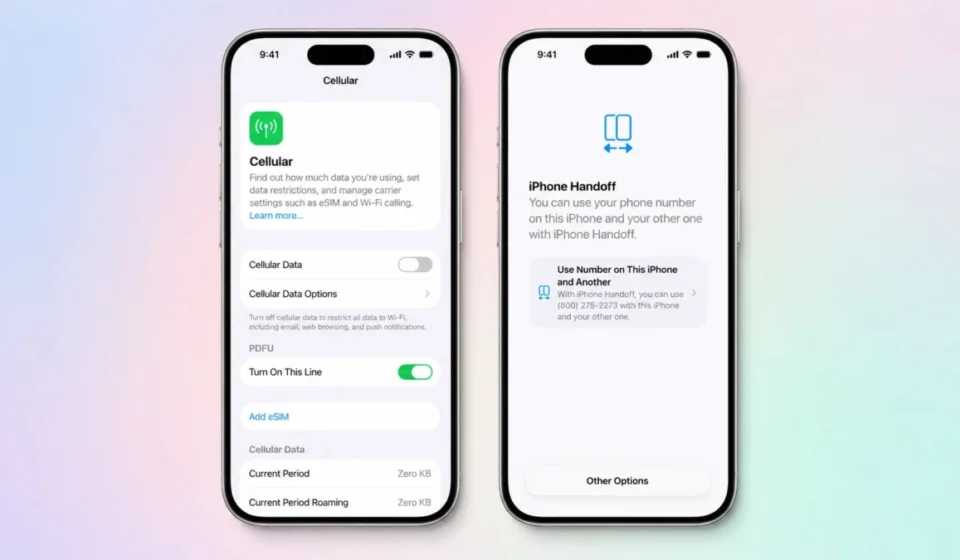
Apple unveiled a groundbreaking new feature, dubbed "iPhone Handoff," as part of its upcoming iOS 27 operating system, poised to redefine the mobile experience for users with multiple iPhones. This innovative functionality will enable individuals to utilize a single phone number across two distinct iPhone devices, seamlessly switching between them as their needs dictate. The announcement, made during Apple’s highly anticipated annual fall event on Wednesday, September 9, 2026, signals a significant evolution in how users manage their primary communication tools.
The iPhone Handoff feature requires robust carrier support, a crucial detail that Apple has emphasized throughout the rollout. Initial availability will be restricted to specific carriers, with T-Mobile in the United States and Deutsche Telekom in Germany being the first to offer this service upon the release of iOS 27. This limited launch suggests a phased rollout strategy, allowing Apple and its carrier partners to refine the user experience and address any potential technical complexities. While the exact pricing for carrier setup fees remains unannounced by T-Mobile, Apple has indicated that such charges may apply, a common practice for advanced cellular services.
A Deep Dive into iPhone Handoff Functionality
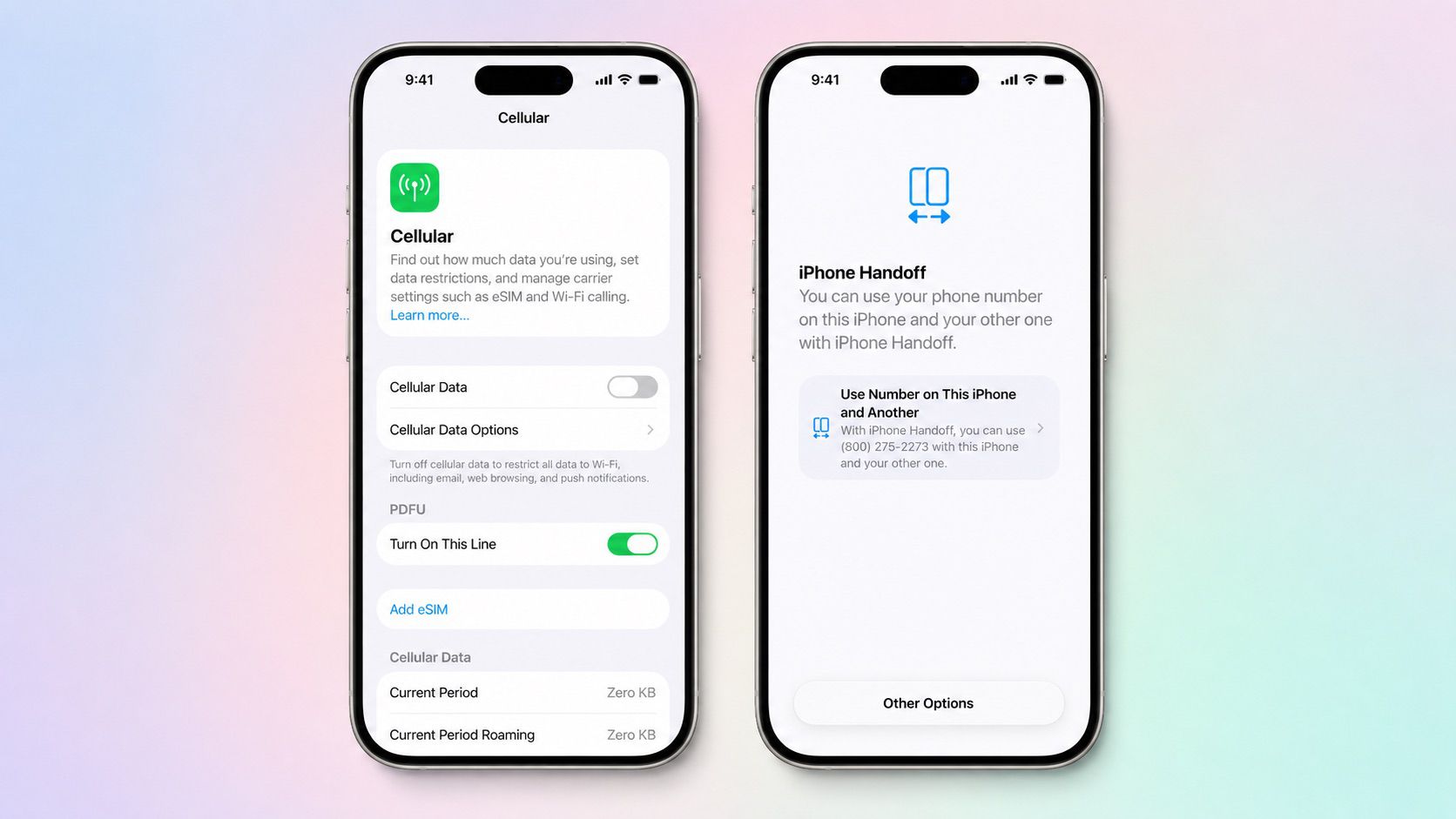
At its core, iPhone Handoff operates by allowing a single phone number to be active on two iPhones simultaneously, provided both devices are running iOS 27 or a later version. The setup process is designed to be intuitive, mirroring Apple’s commitment to user-friendly interfaces. Users can enable iPhone Handoff during the initial setup of a new iPhone, or at any time thereafter through the Settings application. During the new iPhone setup, users will have the option to designate their existing iPhone as a "secondary iPhone," effectively linking it to their primary device.
Once configured, one iPhone will serve as the "main" device, while the other functions as a "secondary" iPhone. This distinction is important, as certain carrier-specific services, such as Call Forwarding, Caller ID management, and broader account management functions, will be exclusively controllable from the main iPhone. It is also important to note that iPhone Handoff does not extend to automatically transferring Apple Watch pairings. Users will need to manually manage their Apple Watch connection if they wish to use it with a different iPhone.
The transition between the main and secondary iPhone is designed to be fluid and largely automated. Apple states that the switch occurs automatically upon unlocking either device. Upon unlocking, the phone number will seamlessly become active on the newly unlocked iPhone, and a confirmation message, "Switched to this iPhone," will appear, assuring the user of the successful transition. This real-time synchronization aims to minimize any disruption to the user’s connectivity.
Key Considerations for Dual-Device Usage
A critical aspect of iPhone Handoff is that a phone number can only be actively associated with one iPhone at any given moment. This ensures that incoming calls and messages are directed to the intended device. However, certain Wallet app features, such as payment cards and car keys, are designed to function across both iPhones. This dual accessibility for digital wallet items provides a convenient layer of integration. Apple has cautioned, however, that some Wallet items, including transit passes, IDs, or corporate badges, may be restricted to functioning on only one iPhone at a time, likely due to security or specific integration requirements.
iPhone Handoff also demonstrates compatibility with Dual SIM functionality, provided both eSIMs are provisioned by carriers that support the iPhone Handoff feature. In such configurations, both eSIMs will switch simultaneously when an iPhone is unlocked, maintaining connectivity on both lines. Each eSIM will require its own separate setup process within the iOS 27 framework.
The persistence of iPhone Handoff is notable; once activated, it remains engaged until the user explicitly contacts their carrier to disable the service. This enduring activation provides a stable and reliable solution for users who intend to utilize two iPhones consistently. For those seeking in-depth technical details or troubleshooting guidance, Apple has published a comprehensive support document, readily accessible for users seeking further clarification.
Chronology of the Feature’s Revelation and Launch
The concept of iPhone Handoff was first hinted at during Apple’s Worldwide Developer Conference (WWDC) in June 2026, where it was briefly showcased on a slide listing numerous upcoming iOS 27 features. However, detailed information was scarce until the recent fall event. The feature was further elaborated upon in a press release concerning the rumored "iPhone Duo" (a speculative device name for a potential dual-SIM focused iPhone model).
The initial announcement on September 9, 2026, provided a foundational understanding of the feature’s capabilities and limitations. Subsequent reports and clarifications, drawing from Apple’s support documentation and developer resources, have fleshed out the technical requirements and user experience. The official launch date for iOS 27 has been confirmed as Monday, September 14, 2026, marking the moment when iPhone Handoff will become accessible to the public.
Broader Impact and Strategic Implications
The introduction of iPhone Handoff represents a significant strategic move by Apple, catering to a growing segment of users who own multiple iPhones, perhaps for personal and work use, or simply due to a preference for different models. This feature not only enhances user convenience but also reinforces the Apple ecosystem, encouraging users to remain within Apple’s hardware and software environment. By offering a more integrated experience between devices, Apple aims to reduce the friction associated with managing multiple smartphones, thereby increasing customer loyalty and device utilization.
From a carrier perspective, iPhone Handoff could stimulate new service offerings and potentially lead to increased revenue streams through setup fees or premium subscription tiers for enhanced dual-device management. The reliance on carrier support also underscores the intricate partnerships Apple maintains within the mobile industry. The phased rollout, beginning with T-Mobile and Deutsche Telekom, will likely serve as a testing ground for broader global adoption.
The feature’s implications for productivity are substantial. Professionals who juggle multiple communication lines or require distinct device environments for work and personal life can now consolidate their phone number on a single, easily switchable platform. This could streamline workflows, reduce the need to carry and manage two separate phones for calls and texts, and simplify contact management.
Analysis of Technical Requirements and Potential Challenges
The requirement for both iPhones to be connected to Wi-Fi and signed into the same Apple account with FaceTime, iMessage, and Messages in iCloud enabled highlights the feature’s reliance on Apple’s robust cloud infrastructure. This interconnectedness is key to ensuring that data and service synchronization occur efficiently. The dual-SIM compatibility further adds to the feature’s flexibility, especially for international travelers or individuals who maintain separate work and personal lines.
However, the limitations on certain Wallet items, such as transit passes and IDs, warrant attention. These restrictions may stem from security protocols or the specific technical implementations of third-party applications and services. Apple’s ability to expand this functionality in future updates will be a key indicator of its commitment to a truly seamless multi-device experience.
The announcement of iOS 27 and its flagship iPhone Handoff feature arrives at a pivotal time for the smartphone market. As device lifecycles extend and consumers seek greater value and utility from their existing hardware, features that enhance flexibility and integration become increasingly important. iPhone Handoff, with its promise of simplifying the management of a single phone number across two iPhones, is poised to become a compelling reason for users to upgrade to iOS 27 and explore the expanded capabilities of their Apple devices. The success of this feature will undoubtedly depend on the seamless execution by Apple and its carrier partners, as well as the continued evolution of the underlying technologies that power this innovative leap in mobile communication.