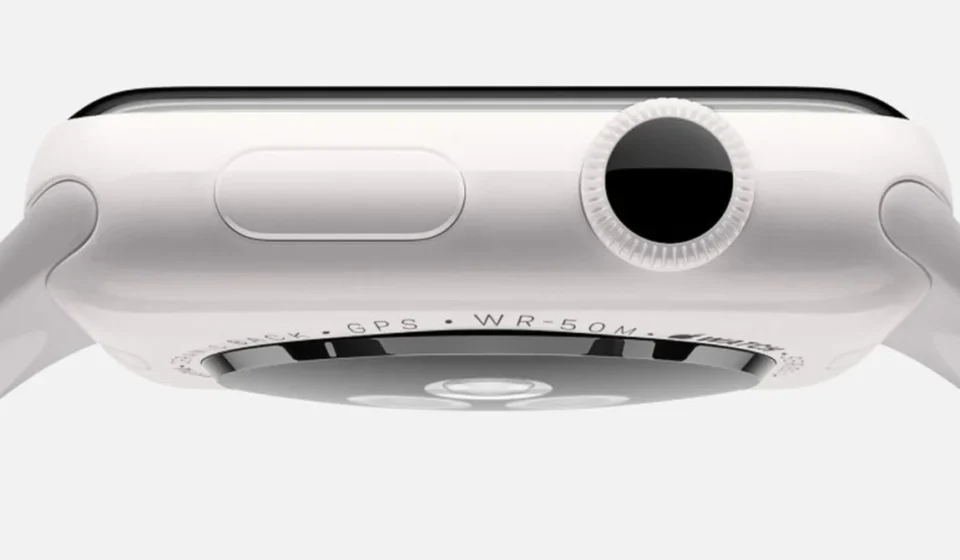
Apple Watch Series 12 and Ultra 4 Expected to Usher in Return of Premium Ceramic Casing

Mark Gurman of Bloomberg has reported that Apple is preparing to reintroduce its sought-after ceramic casing option for the Apple Watch, potentially as early as this year with the anticipated Apple Watch Series 12 and Apple Watch Ultra 4. This move marks a significant return for a material that has been absent from the Apple Watch lineup for six years, igniting excitement among enthusiasts and collectors who have come to value its distinctive aesthetic and durability. The report suggests the ceramic option could debut either in late 2026 or in 2027, signaling a strategic decision by Apple to diversify its premium material offerings.
The resurgence of ceramic taps into a history of premium materials that Apple has explored for its most popular wearable device. Introduced initially with the Apple Watch Edition Series 2 in September 2016, the ceramic casing replaced the earlier, astronomically priced gold Edition model. This shift represented a more accessible entry into the premium smartwatch market, with the ceramic option launching at a comparatively modest $1,249, a stark contrast to the thousands of dollars required for the first-generation gold Edition.
A Material of Distinction: The History of Ceramic in Apple Watch
The original white ceramic finish was lauded for its sophisticated appearance and robust construction. Crafted from a compressed blend of zirconia and alumina powder, it underwent a meticulous polishing process using a diamond slurry. Apple marketed this material as being four times as hard as stainless steel, emphasizing its scratch-resistant properties and enduring appeal. This commitment to premium materials was further demonstrated when Apple expanded the ceramic offering to include a gray variant alongside the Series 3 in 2017, catering to a broader range of aesthetic preferences.
However, the ceramic Edition line experienced a notable absence with the Series 4 in 2018. In this iteration, Apple entirely discontinued the ceramic option and, for that year, offered no high-end case material beyond aluminum and stainless steel. This hiatus was perceived by many as a shift away from the more luxurious material choices that had defined earlier models.
The premium material made a notable comeback with the Apple Watch Series 5 in 2019. Alongside the introduction of an all-new titanium option, the white ceramic finish returned, offering consumers a choice between two high-end materials. This period signaled Apple’s continued interest in offering premium finishes. Yet, the ceramic option was once again discontinued with the launch of the Series 6 in 2020, marking what many believed to be its permanent departure from the Apple Watch lineup. Since then, the ceramic Apple Watch models have become highly coveted on the resale market, fetching significant sums from collectors and those seeking the distinctive look and feel of the material. This enduring demand likely plays a crucial role in Apple’s decision to reintroduce it.
What to Expect from the Next Generation of Apple Watch
Beyond the potential return of the ceramic casing, Gurman’s report indicates that the upcoming Apple Watch Series 12 and Apple Watch Ultra 4 are poised to continue Apple’s trend of "modest upgrades." While this phrasing might suggest incremental changes, the underlying improvements are expected to be significant, particularly in terms of performance. The article points to "under-the-hood improvements," strongly implying the introduction of a new, more powerful chip.
This is a particularly noteworthy development given that the last two generations of Apple Watch, including the Series 11 and Ultra 3, have shared the same S10 chip. This chip itself was largely an iterative update from the S9 chip introduced in 2023, meaning consumers have not seen a substantial leap in processing power for a considerable period. A new chip in the Series 12 and Ultra 4 would therefore represent a meaningful performance boost, potentially enhancing everything from app responsiveness and battery efficiency to the processing capabilities for new health sensors and features.
In addition to performance enhancements and the reintroduced ceramic option, the new Apple Watch models are also expected to feature new color and band options, expanding the personalization possibilities for users. Furthermore, a range of new health and fitness-related upgrades are anticipated, aligning with Apple’s ongoing commitment to making the Apple Watch a comprehensive health and wellness companion. While specific details regarding these health upgrades remain undisclosed, they could encompass advancements in sensor accuracy, new tracking metrics, or enhanced data analysis capabilities within the Health app.
The Apple Watch Series 12 and Apple Watch Ultra 4 are slated for an introduction alongside Apple’s next major iPhone event, which is expected to unveil the iPhone 18 Pro, iPhone 18 Pro Max, and the company’s first foldable iPhone. This timing, typically in September, aligns with Apple’s established product release cycles.
Broader Implications and Market Context
The reintroduction of the ceramic Apple Watch casing could have several implications for the market and for Apple’s product strategy. Firstly, it signals a potential strategy to cater to a more discerning customer base that values premium materials and distinctiveness. The enduring appeal of the ceramic models on the resale market suggests a latent demand that Apple may be looking to capitalize on. By offering ceramic once again, Apple could attract back customers who may have opted for other premium smartwatches or who have been patiently waiting for the return of this material.
Secondly, this move could further segment the Apple Watch lineup, offering clearer distinctions between different tiers of product. The ceramic option, likely positioned at a higher price point than standard aluminum and stainless steel models, would solidify the premium offering. This strategy has been successful for Apple in other product categories, such as the iPhone Pro models and the MacBook Pro line, where distinct material choices and feature sets differentiate higher-end devices.
The timing of this potential reintroduction also comes amidst a backdrop of evolving consumer electronics trends and regulatory considerations. Recent reports indicate that the European Commission has granted exemptions to its Batteries Regulation, meaning devices like the Apple Watch and AirPods will no longer be required to have user-removable batteries. While this specific regulation doesn’t directly impact the casing material, it reflects a broader shift in how consumer electronics are designed and regulated, with a growing emphasis on longevity and repairability. Apple’s continued exploration of premium materials like ceramic can be seen as part of a larger effort to offer products that are not only technologically advanced but also aesthetically durable and desirable, thereby encouraging longer product lifecycles through desirability rather than mandated repairability.
The success of the previous ceramic models, evident in their continued demand on secondary markets, suggests that Apple has learned valuable lessons from their past iterations. The company may have refined its manufacturing processes for ceramic, potentially improving its durability or reducing production costs, making its reintroduction more viable. The previous iterations of ceramic Apple Watches were known for their significant weight, a characteristic that some users appreciated for its premium feel, while others found it to be a drawback. It remains to be seen if Apple will address this aspect in the new models.
The return of ceramic also allows Apple to differentiate itself in a smartwatch market that, while dominated by the Apple Watch, is seeing increasing competition from brands offering a variety of materials and designs. While competitors often focus on ruggedness or minimalist aesthetics, the glossy, opaque finish of ceramic offers a unique blend of elegance and toughness that has historically appealed to a specific segment of the market.
As consumers increasingly seek devices that are both functional and fashionable, the reintroduction of the ceramic Apple Watch Series 12 and Ultra 4 could prove to be a strategic masterstroke. It taps into nostalgia for a beloved material, addresses a perceived gap in Apple’s premium offerings, and provides a clear differentiator in a crowded marketplace. The coming months will reveal the full extent of Apple’s plans for its next-generation wearables, but the prospect of ceramic’s return has already generated significant buzz within the tech community and among devoted Apple Watch fans.