Beyond the Trump T1: An In-Depth Analysis of Android’s Most Disappointing Devices in 2026

The year 2026 has already delivered its share of technological triumphs and tribulations, but few devices have garnered as much critical disdain as the Trump T1, which C. Scott Brown of Android Authority recently branded the "worst Android phone" he’s encountered this year. While the sentiment is understandable given the T1’s highly publicized pre-release inconsistencies, marketing controversies, and consistent delays, it is crucial to recognize that the T1 is not alone in its capacity for disappointment. In a market saturated with innovation, several other devices, despite lacking the glaring "red flags" that preceded the Trump T1, have emerged as significantly poorer choices for the average consumer, offering subpar value or flawed execution compared to their contemporaries.
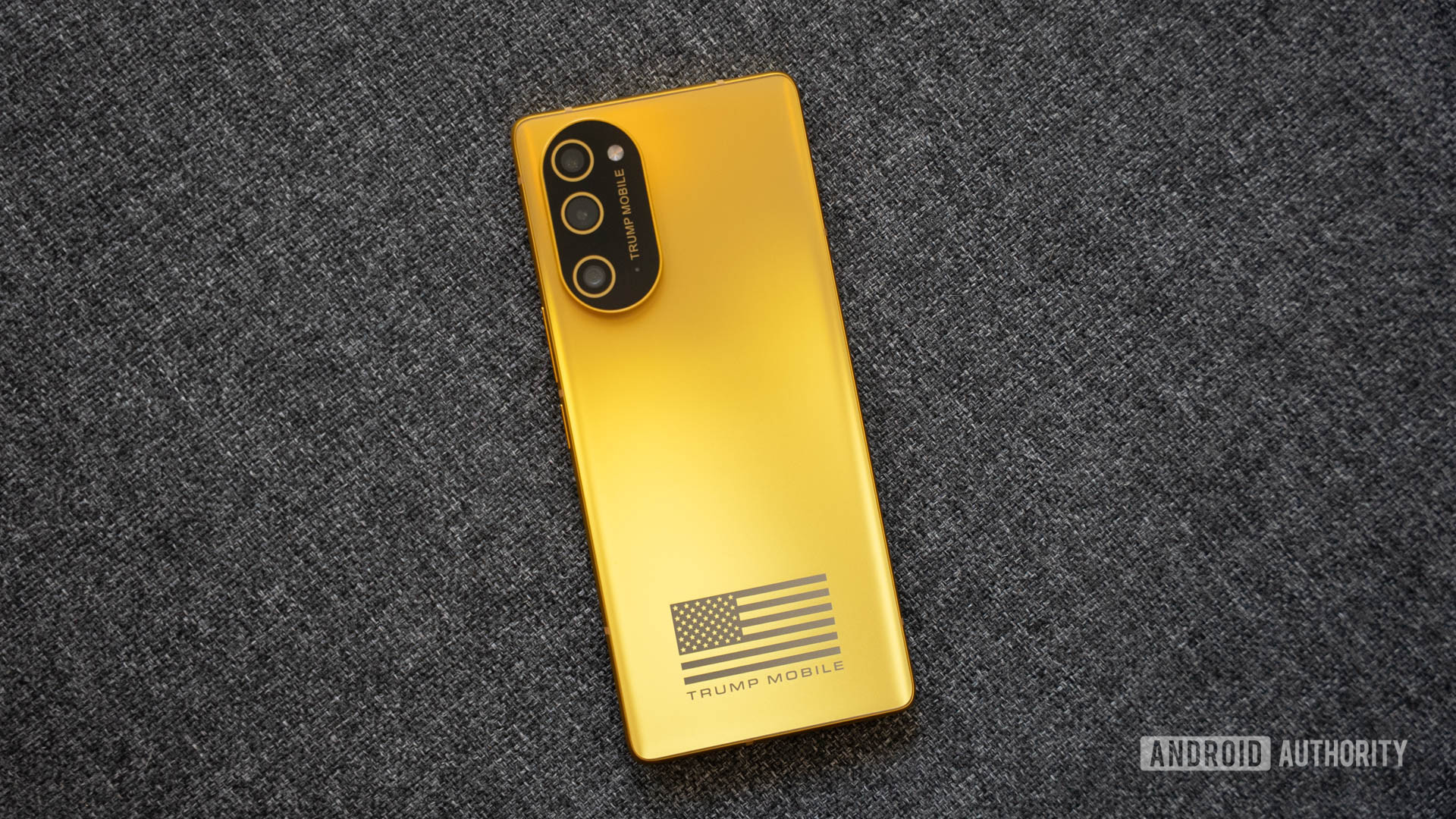
The Trump T1’s trajectory from announcement to market was fraught with clear warning signs. Initial design renders presented an inconsistent vision, shifting dramatically from one promotional image to another, sowing seeds of doubt about the final product’s aesthetic and build quality. These visual ambiguities were compounded by persistent launch delays, pushing back availability several times and eroding early adopter confidence. Furthermore, the marketing campaign, often characterized as "sketchy" by industry observers, focused heavily on brand association rather than tangible technological benefits, a tactic that rarely bodes well for a consumer electronics product. For many, these cumulative factors were sufficient justification to steer clear, making the T1’s eventual poor reception almost a foregone conclusion.
However, the real challenge for consumers often lies in identifying devices that, on the surface, appear competent or even desirable, but harbor fundamental flaws that make them a poor investment. These are the phones that don’t arrive with a fanfare of controversy but subtly underperform, offering compromised experiences in key areas or failing to justify their price point against superior alternatives. This report delves into five such Android phones released or prominent in 2025 and 2026, analyzing their perceived strengths, actual weaknesses, and why, for most users, they represent a significantly worse buy than the market leaders.
OnePlus 15: A Flagship Losing Its Edge
The OnePlus 15 initially presented itself as a strong contender in the high-end Android segment upon its release in late 2025. Boasting the cutting-edge Snapdragon 8 Elite Gen 5 processor and commendable battery life, coupled with some of the fastest wired and wireless charging solutions available, it seemed poised to uphold OnePlus’s legacy of delivering "flagship killers." Early reviews highlighted its smooth performance and rapid power replenishment as significant draws, positioning it as a device for power users who prioritize speed and endurance.
However, a deeper dive into the device reveals a series of compromises that significantly detract from its flagship aspirations. Perhaps the most glaring issue is the camera system, which, unexpectedly, represents a notable downgrade from its predecessor, the critically acclaimed OnePlus 13. While the OnePlus 13 was praised for its versatile and high-quality optics, the 15’s camera array often produced inconsistent results, struggled in low-light conditions, and lacked the nuanced detail expected from a premium device. This step backward in such a crucial area left many reviewers and consumers perplexed, as camera performance is a key differentiator in the competitive high-end market.
Beyond the cameras, the powerful Snapdragon 8 Elite Gen 5 processor, while delivering raw speed, was found to suffer from concerning thermal issues. While the device rarely entered outright overheating shutdowns, prolonged heavy usage, such as intensive gaming or extended video recording, led to significant throttling and uncomfortably warm chassis temperatures. This raises long-term concerns about device longevity and sustained peak performance, potentially shortening the usable lifespan of the phone. "While the Snapdragon 8 Elite Gen 5 is undeniably potent, its implementation in the OnePlus 15 appears to push thermal limits, which could impact the device’s long-term stability and user experience," commented Dr. Anya Sharma, a lead analyst at TechInsights.
Furthermore, OnePlus’s evolving corporate strategy under its parent company, Oppo, has introduced uncertainty regarding software support and warranty fulfillment. Despite official assurances of continued commitment to timely software updates and security patches, there have been increasing reports of warranty services in certain regions shifting towards product vouchers rather than direct repairs. This policy change, coupled with a broader market perception of potentially delayed updates stemming from internal restructuring, casts a shadow over the "commitment to software and beyond" that OnePlus has traditionally championed. For a brand that built its reputation on strong community engagement and robust software support, these developments signal a concerning departure, making the OnePlus 15 a less secure long-term investment.
Motorola Moto G (2026): A Legacy Fading into Mediocrity
The Motorola Moto G series holds a revered place in Android history. It pioneered the concept of the truly affordable, yet remarkably usable smartphone, challenging the notion that budget devices had to be inherently compromised. The original Moto G, launched nearly a decade ago, revolutionized the entry-level market by offering a compelling user experience at an accessible price point, earning widespread acclaim and fostering a loyal user base. This legacy of value and reliability has, for years, allowed the Moto G brand to command significant respect.
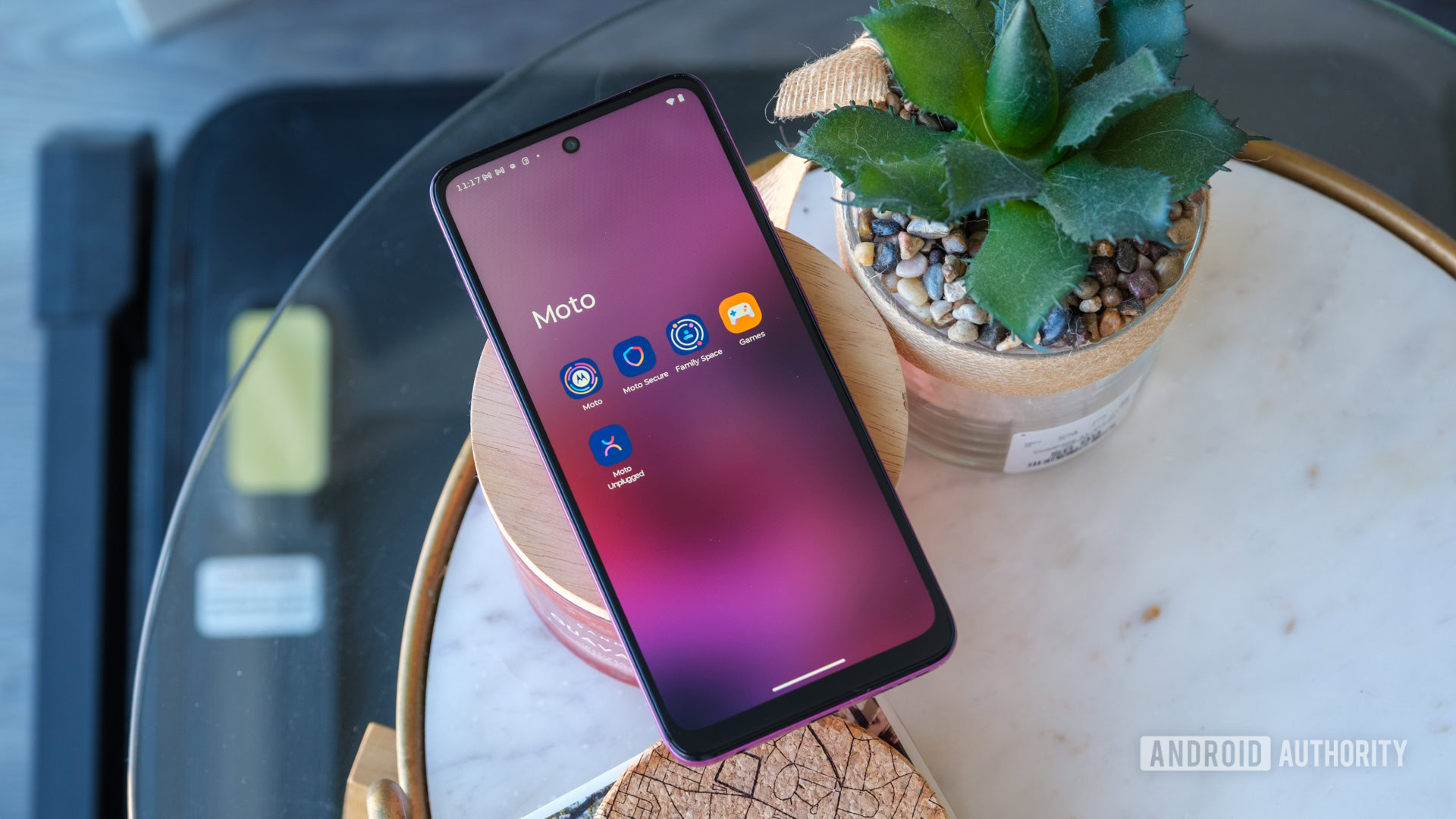
However, the Moto G (2026) exemplifies a brand resting too heavily on its past laurels. For several generations, Android Authority reviewers have noted a consistent decline in the series’ competitiveness, with successors often failing to match the innovation or value proposition of earlier models. The 2026 iteration, in particular, struggles to differentiate itself meaningfully from the even cheaper Moto G Play (2026), offering only marginal improvements that do not justify its slightly higher price tag.

Both models deliver, at best, middling performance, struggling with anything beyond basic tasks and exhibiting noticeable lag during multitasking or launching moderately demanding applications. The camera experience is similarly underwhelming, producing images that are often soft, lack dynamic range, and perform poorly in anything but ideal lighting conditions—a stark contrast to the rapidly improving camera capabilities seen in other budget-friendly options from competitors.
A significant concern for the Moto G (2026), and indeed for Motorola devices under Lenovo’s stewardship, is the brand’s inconsistent track record with software updates. While many competitors, even in the budget segment, are striving for clearer, more extended software support commitments, Motorola has frequently been criticized for slow, infrequent, or outright abandoned updates for many of its devices. This inconsistency translates into a shorter effective lifespan for the phone, leaving users vulnerable to security exploits and missing out on new Android features. "Motorola’s once-unrivaled position in the budget segment has been eroded by a combination of uninspired hardware and an unreliable software update policy," observed Patrick Mills, a mobile market analyst. "Consumers in this price bracket now have more robust options offering better long-term support."
The core issue with the Moto G (2026) is not that it is an inherently "bad" phone in isolation. Rather, it exists in a highly competitive market where rivals like Samsung, Xiaomi, and even some emerging brands, offer devices at comparable price points that deliver superior performance, better cameras, and significantly more consistent and longer-lasting software support. Consumers seeking genuine value in the budget segment would be well-advised to look beyond the Moto G’s fading reputation, as more compelling and future-proof alternatives are readily available.
Samsung Galaxy S25 Edge: Form Over Function
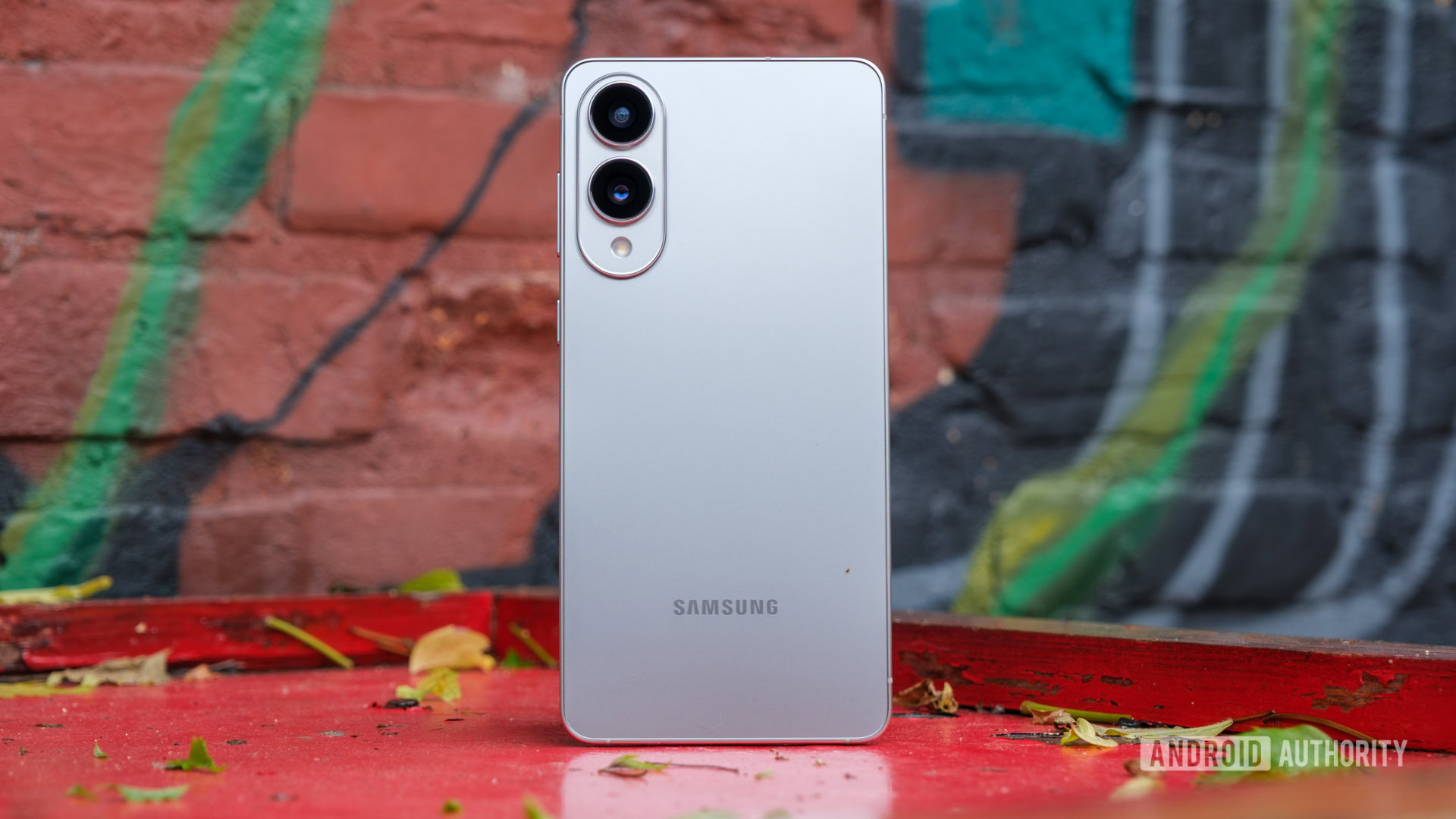
The Samsung Galaxy S25 Edge, launched in mid-2025, presents a peculiar case within Samsung’s otherwise robust flagship lineup. On the surface, it appears to be a premium device with little to inherently criticize. It boasts Samsung’s signature vibrant display technology, a powerful processor (likely a custom Exynos or Snapdragon variant), and the refined software experience characteristic of the Galaxy S series. Performance is generally fluid and reliable, and in a vacuum, the S25 Edge could be perceived as a high-quality smartphone.
However, the S25 Edge’s critical flaw lies not in its individual components, but in its positioning and design philosophy within Samsung’s broader portfolio. Priced higher than the standard Galaxy S25, it offers virtually no tangible upgrades to justify the increased cost. In fact, it actively compromises on critical features. Battery life, a common pain point for many modern flagships, is noticeably worse on the Edge model compared to the standard S25, likely due to its pursuit of an ultra-thin profile and potentially a smaller battery capacity. Furthermore, it conspicuously lacks the dedicated telephoto lens that is a standard feature on the more premium Galaxy S25 Plus and Ultra models, significantly reducing its photographic versatility.
The primary, and arguably sole, differentiator of the S25 Edge is its extreme thinness and distinctive curved display design. While visually striking, this pursuit of svelteness proves to be more of a detriment than an advantage. Users have reported that the phone can become uncomfortably hot during even moderate usage, a direct consequence of the tightly packed internal components within a minimal thermal dissipation area. The uneven weight distribution resulting from its unique profile also makes it feel awkward and less secure in hand, a subjective but significant ergonomic flaw for a device designed for constant interaction. "The S25 Edge feels like a design exercise prioritized over practical user experience," stated a review from a prominent tech blog. "Its thinness is impressive in isolation, but the trade-offs in battery life, thermals, and ergonomics make it a difficult recommendation."
The Galaxy S25 Edge, in a curious parallel, shares a fundamental philosophical flaw with the Trump T1: both devices are arguably unnecessary rebrands or variations of existing products that rely heavily on marketing hype rather than substantial innovation. The Trump T1 leveraged political branding, while the S25 Edge banked on a distinct aesthetic. Yet, both ultimately failed to deliver a truly memorable or functionally superior product, offering little compelling reason for consumers to choose them over more balanced, value-driven alternatives, even within their own product families. This strategic misstep highlights the dangers of prioritizing superficial design over core functionality and user experience.
T-Mobile Revvl 8 Pro: The Carrier-Branded Conundrum
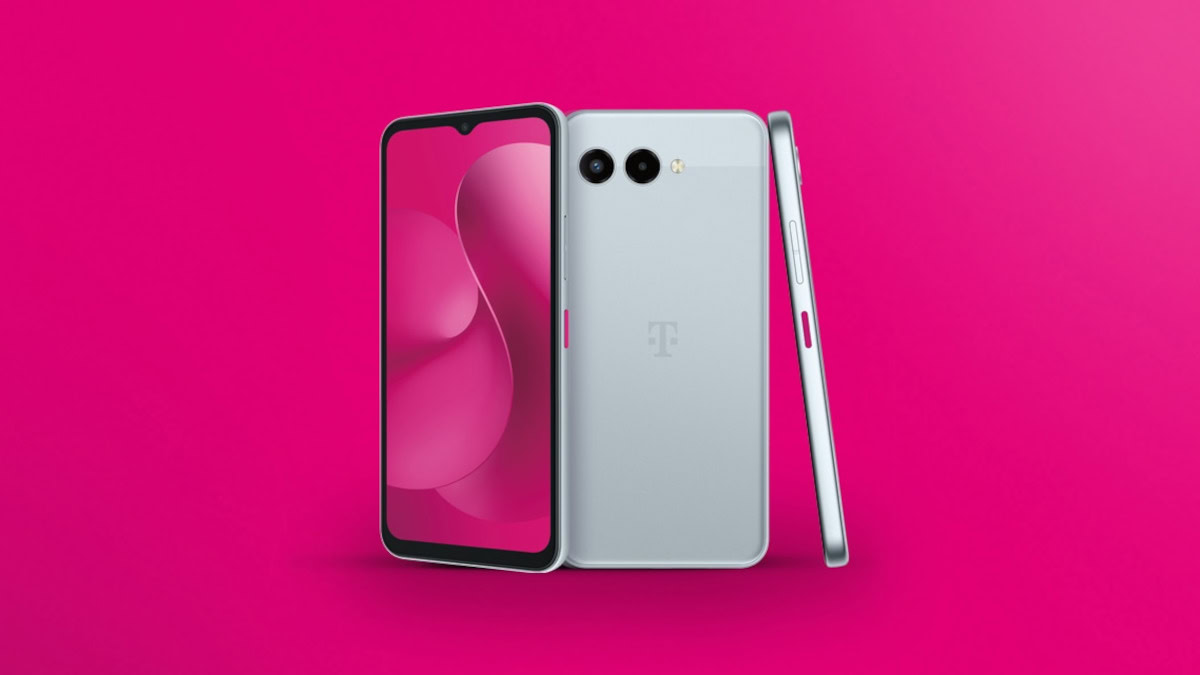
The T-Mobile Revvl 8 Pro, along with its standard counterpart, the Revvl 8, represents a segment of the Android market primarily driven by carrier incentives and brand loyalty. Launched in mid-2025, these devices are essentially identical save for a few minor specifications, both powered by the modest Snapdragon 6 Gen 3 processor. Aimed squarely at budget-conscious customers, with the Pro model retailing around $250 and the standard at approximately $180, they appear to offer an affordable entry point into the smartphone ecosystem, especially when bundled with carrier plans.
However, the Revvl 8 Pro embodies many of the pitfalls associated with carrier-branded devices. Its performance, driven by the underpowered Snapdragon 6 Gen 3, is average at best. Basic navigation and social media use are manageable, but anything more demanding quickly exposes its limitations, leading to slow app loading, stuttering animations, and a generally uninspired user experience. The camera, like many in its price bracket, is functional but far from impressive, yielding photos that are passable in good light but quickly degrade in quality under less-than-ideal conditions.
The more significant issue with the Revvl 8 Pro, and the Revvl series as a whole, is its inherent value proposition in the broader market. While ostensibly affordable, it capitalizes heavily on the T-Mobile brand to sell units rather than offering superior hardware or software. For many users, entry-level models from established brands like Samsung’s Galaxy A-series or even older, well-regarded budget Motorola phones (pre-2023 models) offer a significantly better overall package for a similar or marginally higher price. These alternatives typically feature more robust hardware, cleaner software experiences, and better prospects for timely updates.
Crucially, purchasing a carrier-branded device like the Revvl 8 Pro often entails a degree of vendor lock-in. Carriers like T-Mobile are increasingly aggressive with their marketing of "free" or heavily discounted phones when signing up for lengthy contracts or specific plans. While seemingly attractive, these deals often come with restrictive unlocking policies and software optimized primarily for the carrier’s network, potentially laden with carrier-specific bloatware. This can make porting the device to another carrier, should a user decide to switch, a cumbersome and frustrating experience, often resulting in a less-than-optimal performance on a different network or the inability to use certain features. "The appeal of carrier-subsidized devices often masks the long-term limitations they impose on consumers," noted consumer tech advocate Maria Rodriguez. "The Revvl 8 Pro, while cheap upfront, could prove to be a more expensive and restrictive option in the long run." In an era where flexibility and consumer choice are paramount, a device designed primarily for a single network’s ecosystem represents a significant disadvantage.
Sonim XP Pro 5G: Overpriced Niche, Outperformed by Mainstream
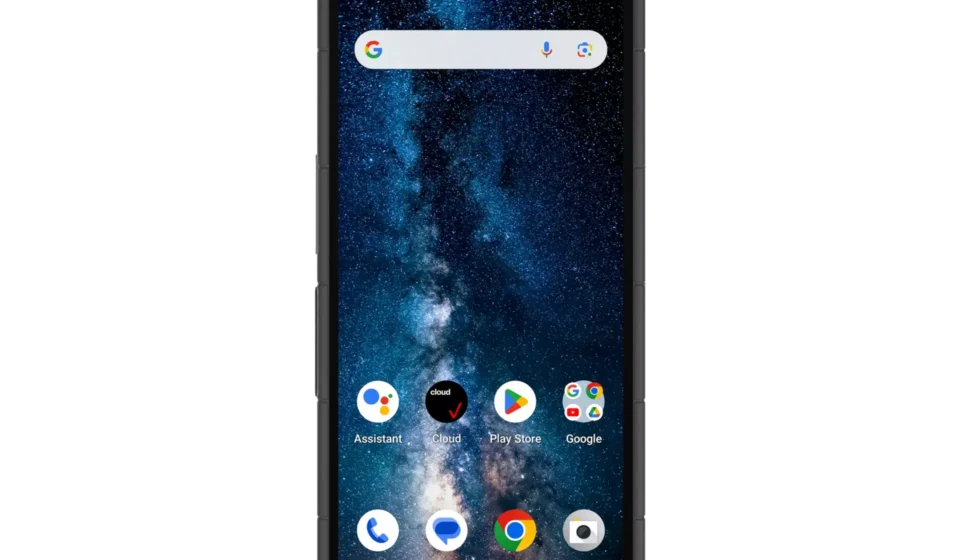
The inclusion of the Sonim XP Pro 5G in a list of "worst buys" is made with a nuanced understanding of its target market. Sonim is a brand that genuinely excels in a highly specialized niche: ultra-rugged smartphones designed for extreme environments and demanding professional use cases. Launched in mid-2026, the XP Pro 5G is not a bad phone in terms of its intended purpose. It offers exceptional durability, evidenced by its MIL-STD-810H military-grade standard compliance, IP68 dust and water resistance, and an impressive IPX9K rating, signifying protection against high-pressure, high-temperature water jets. For first responders, construction workers, or individuals in similarly challenging professions, Sonim’s devices represent a commitment to uncompromising physical resilience.
The issue, however, arises when considering its value proposition for "most users" and even for some within its specialized segment, particularly in light of emerging competition. The Sonim XP Pro 5G carries a premium price tag of approximately $500, which, while justifiable for its extreme ruggedness, places it directly against more versatile and technologically advanced alternatives that have recently entered the rugged phone market.
Specifically, Samsung’s Xcover 7 and Xcover 7 Pro models have significantly disrupted the rugged smartphone landscape. The standard Xcover 7 is considerably more affordable, priced around $300, yet still offers robust protection suitable for many demanding environments. The Xcover 7 Pro, at roughly $580, is only marginally more expensive than the Sonim XP Pro 5G but delivers a vastly superior overall package. Both Samsung models boast stronger internal specifications across the board, including more powerful processors, better cameras, and often more vibrant displays, making them more capable as daily drivers when not in extreme conditions.
Crucially, Samsung extends its industry-leading software support commitment to its rugged Xcover series, offering the same seven-year OS and bug-fix updates as its mainstream flagships. This commitment to long-term software longevity is a monumental advantage, ensuring the Xcover devices remain secure, functional, and up-to-date for a significantly longer period. Sonim, while providing essential security patches, simply cannot compete with Samsung’s extensive and guaranteed software roadmap. "Samsung’s aggressive entry into the rugged segment with the Xcover 7 series has fundamentally shifted the value equation," explained Sarah Chen, a senior analyst covering enterprise mobility. "For a slightly higher or even lower price, users can now get comparable ruggedness with vastly superior performance and, critically, extended software support that Sonim cannot match."
For the vast majority of consumers, even those needing a degree of ruggedness, the Sonim XP Pro 5G’s specialized features come at too high a premium without offering competitive core smartphone capabilities or long-term software assurance. It remains a viable choice for the most extreme and specific industrial applications, but for anyone else, the Samsung Xcover series offers a far more balanced and future-proof investment, making the Sonim XP Pro 5G a less prudent purchase in 2026.
Conclusion: Navigating a Complex Market
The year 2026 continues to highlight the complexities of the Android smartphone market. While devices like the Trump T1 serve as cautionary tales of obvious missteps and brand-driven ventures, the more insidious disappointments often lurk beneath a veneer of normalcy. The OnePlus 15, with its thermal issues and camera regressions, exemplifies a flagship losing its way. The Motorola Moto G (2026) showcases the perils of relying on past glory without continued innovation. The Samsung Galaxy S25 Edge demonstrates how prioritizing niche design over fundamental user experience can lead to an unjustifiable premium. The T-Mobile Revvl 8 Pro underscores the inherent compromises and potential lock-in of many carrier-branded devices. And the Sonim XP Pro 5G, while excellent in its niche, illustrates how even specialized devices can be outmaneuvered on value and long-term support by more versatile competitors.
For consumers, these examples underscore the importance of looking beyond initial impressions and marketing hype. A truly "bad buy" isn’t always the device with the loudest controversies; it’s often the one that fails to deliver consistent value, long-term reliability, or a genuinely competitive experience within its price bracket. As the Android ecosystem continues to evolve, informed purchasing decisions require a critical examination of not just specifications, but also software commitments, real-world performance, and the ever-shifting competitive landscape.