The Definitive Merger: OxygenOS Replaced by ColorOS, Reshaping OnePlus’s Future and Identity

The landscape for OnePlus users is undergoing a profound and definitive transformation with the final merger of OxygenOS into OPPO’s ColorOS, a move that will impact both new devices in markets like India and future software updates for existing OnePlus smartphones globally. This strategic consolidation marks the culmination of a gradual integration process between the two brands, promising a unified software experience but also raising concerns among long-term OnePlus enthusiasts about the potential loss of distinctive features and the brand’s original ethos. While the underlying codebases of OxygenOS and ColorOS have largely converged over recent years, this announcement signals the complete replacement of OxygenOS, ushering in a new era for OnePlus devices.
A Legacy of "Never Settle": The Genesis of OnePlus and OxygenOS
To fully grasp the significance of this merger, it is crucial to revisit the origins of OnePlus and its "Never Settle" philosophy. Launched in 2013, OnePlus quickly carved a niche in the highly competitive smartphone market by offering flagship-level specifications at disruptively low prices. Its early devices, often dubbed "flagship killers," were characterized not only by powerful hardware but also by a user experience meticulously crafted around speed, fluidity, and a near-stock Android aesthetic. Initially, OnePlus phones ran CyanogenMod, a popular aftermarket firmware known for its extensive customization options and performance enhancements. When the partnership with Cyanogen Inc. dissolved, OnePlus developed its own proprietary operating system, OxygenOS.
OxygenOS quickly garnered a loyal following for its clean, bloatware-free interface, swift animations, and thoughtful additions that enhanced the Android experience without overwhelming it. It was designed to be fast, stable, and highly customizable, embodying the "Never Settle" mantra by striving for an uncompromising user experience. This commitment to software excellence, combined with high-quality hardware, fostered a passionate community of users who valued OnePlus’s distinct identity and its focus on what truly mattered to Android power users. The user interface was known for its minimalist design, intuitive gestures, and a lack of intrusive advertisements or pre-installed third-party applications, a stark contrast to many other OEM skins prevalent at the time. This unique blend of performance, purity, and price point allowed OnePlus to stand out and cultivate a strong brand loyalty among tech enthusiasts.
The Gradual Integration: A Timeline of Convergence
The journey towards the current merger has been a protracted one, marked by increasing collaboration between OnePlus and OPPO, both subsidiaries of the larger BBK Electronics conglomerate. Initially, the ties were primarily in manufacturing and supply chain, leveraging shared resources to reduce costs and streamline production. However, over time, the collaboration deepened, extending into research and development.
- Early 2020s: Whispers and then confirmations began to emerge about closer integration. OnePlus began adopting more hardware components and design elements from OPPO devices.
- 2021: The Codebase Merger Announcement: A pivotal moment arrived in July 2021 when OnePlus officially announced its decision to merge the OxygenOS codebase with OPPO’s ColorOS. At the time, Pete Lau, then CEO of OnePlus, stated that this integration was aimed at "standardizing the software experience" and allowing the company to "streamline our resources." The promise was that OxygenOS would retain its distinct visual identity and exclusive features while benefiting from the stability and efficiency of ColorOS’s more robust development infrastructure. This move was presented as a "force multiplier" that would enable both platforms to prosper by sharing resources and learning from each other. However, even then, many long-term users expressed apprehension, fearing that OxygenOS would lose its unique character.
- OxygenOS 12 and Beyond: Subsequent versions of OxygenOS, starting with OxygenOS 12 (based on Android 12), began to visibly incorporate elements of ColorOS. While OnePlus maintained that it was still OxygenOS, users observed a significant shift in UI design, animations, and the introduction of some features more typical of ColorOS. The clean, minimalist aesthetic that defined early OxygenOS began to give way to a more vibrant, feature-rich, and, to some users, a more "generic" Android skin. Customization options became less granular, and the overall feel started to diverge from the "stock-like" experience that many early adopters cherished.
- The Current Announcement: The latest development, described as the "final, definitive merger," goes beyond a shared codebase. It signifies the complete replacement of OxygenOS with ColorOS for all future updates and new devices. This means that even existing OnePlus phones currently running OxygenOS will eventually receive updates that transition them to ColorOS, effectively dissolving OxygenOS as a separate, user-facing entity. This final step confirms the long-held fears of many in the OnePlus community that the brand’s software identity was gradually being eroded.
The Definitive Merger: OxygenOS Becomes ColorOS
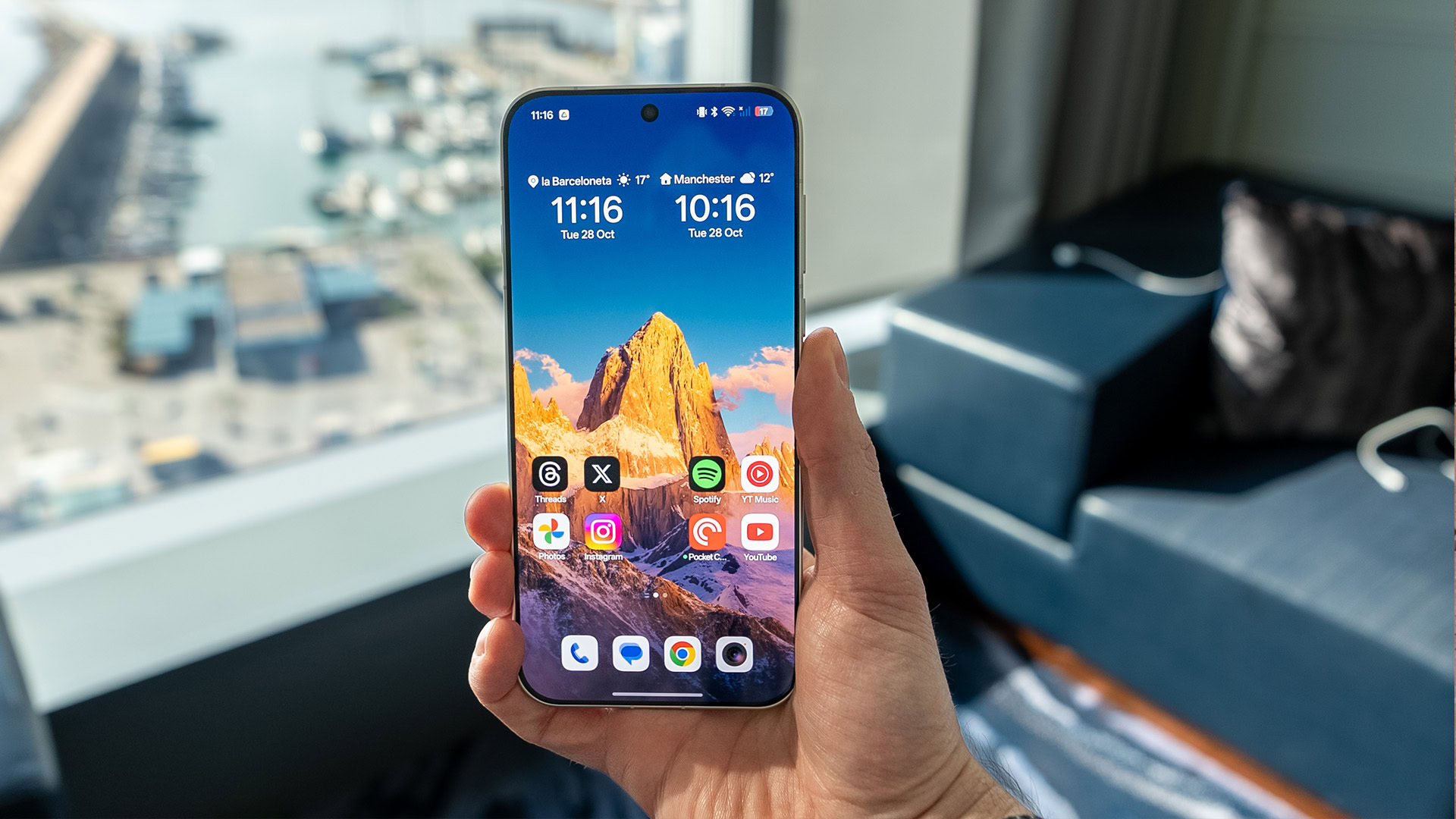
The formal integration means that new OnePlus devices, particularly in key markets like India, will ship with ColorOS out of the box. More importantly for the existing user base, upcoming software updates for their current OnePlus phones will transition from OxygenOS to ColorOS. While the two interfaces already share a common foundation and are "identical to a great extent" under the hood, this definitive shift implies significant user-facing changes. The expectation is that this transition will occur around the next major Android 17-based ColorOS update, though an exact timeline remains to be clarified by OnePlus. This strategic decision aims to consolidate software development efforts and present a unified front for OPPO’s diverse brand portfolio.
For many users, especially those less particular about the nuances of Android skins, the immediate impact might seem minimal due to the existing codebase similarities. However, for the discerning "Android Authority" readership and long-term OnePlus aficionados, the implications are substantial. The subtle yet impactful differences in user experience, philosophy, and brand identity are precisely what set OxygenOS apart, and these are now squarely in the crosshairs of this merger.
Impact on User Experience: The Bloatware Conundrum
One of the most immediate and frequently cited concerns among the OnePlus community regarding the ColorOS merger is the potential for increased bloatware. OxygenOS was historically celebrated for its clean, minimalist approach, offering a near-stock Android experience with only essential pre-installed applications. In contrast, ColorOS, particularly in certain regional iterations, has a reputation for including a broader suite of pre-installed apps and services.
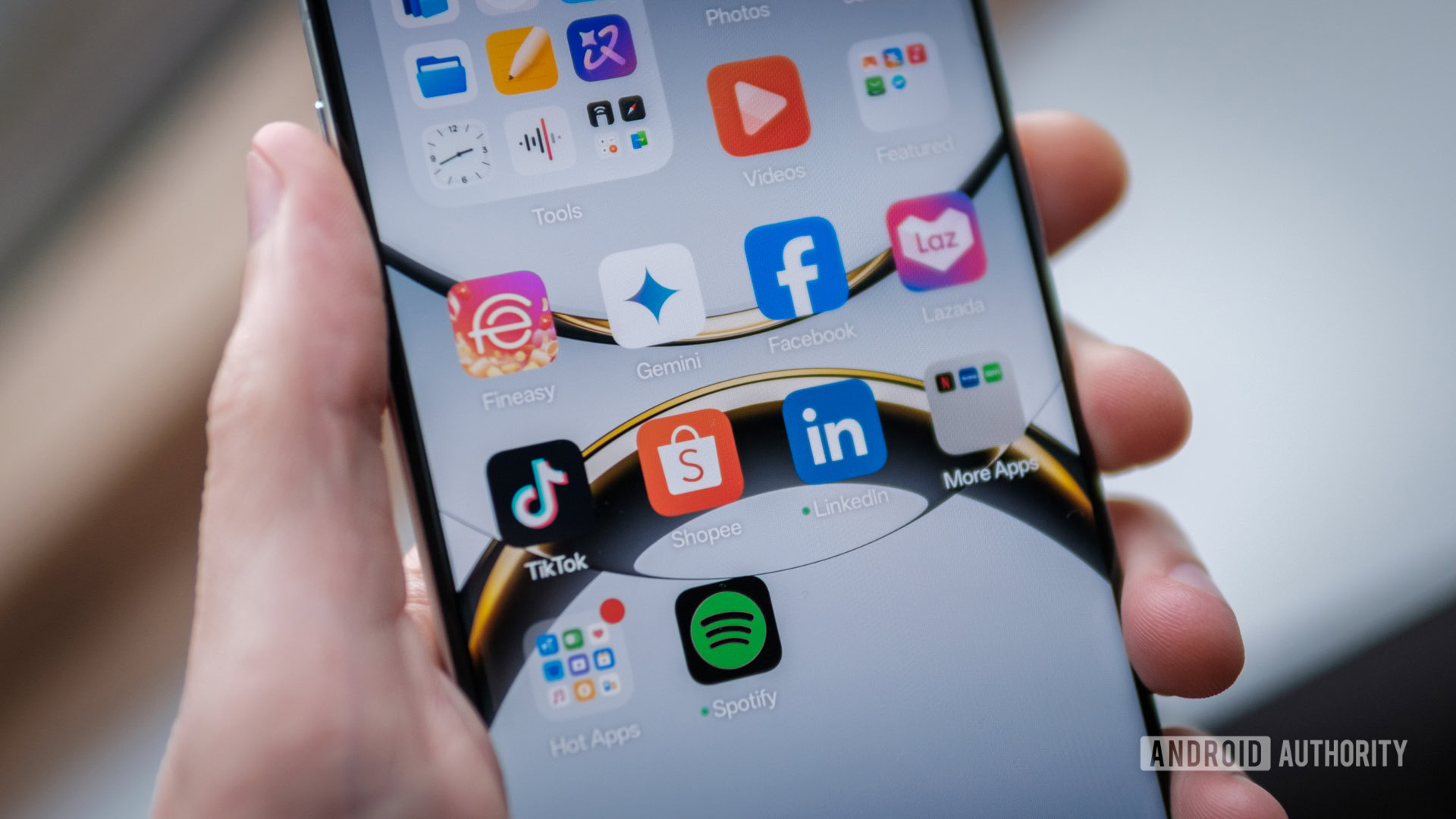
OPPO phones, even high-end models like those in the Find X series, often come with proprietary applications such as "App Market" and "Game Center." These are gateways to OPPO’s own app store, which frequently features a selection of apps and games that may be of lower quality, or even direct knock-offs of popular Android titles. While the Google Play Store remains the primary source for applications, these OEM-specific app stores can become a source of frustration due to persistent, unsolicited notifications promoting "highly rated apps and games." This aggressive push for proprietary app ecosystems mirrors similar strategies by other manufacturers, such as Samsung with its Galaxy Store, which often draw criticism for duplicating functionality and cluttering the user experience.
Beyond these proprietary app stores, ColorOS typically includes a larger array of pre-installed third-party applications. While the exact list can vary by region, common examples found on OPPO flagships include Amazon, Booking.com, Facebook, Instagram, LinkedIn, and Netflix. While some users might find these convenient, many others view them as unnecessary bloat, consuming storage space, system resources, and potentially impacting battery life. The ability to uninstall most of these apps is often present, but the core "App Market" and "Game Center" applications are frequently deeply integrated into the system, making complete removal challenging even with advanced debloating tools. Users are often left with the option to merely disable notifications or hide the apps, but the underlying presence can still be unsettling for those who value a truly clean device.
Another less-than-desirable addition expected with ColorOS is the "Lockscreen magazine" feature. This is a pushy, persistent, and often enabled-by-default feature that displays a rotating carousel of content on the lock screen, often perceived as advertisements or sponsored content masquerading as interesting articles. While this feature can typically be disabled in settings, it represents an additional step for users to take to achieve a preferred, less intrusive experience. For a brand that once prided itself on simplicity and user control, these additions represent a significant philosophical departure. The overwhelming sentiment, as reflected in a poll referenced in the original article where 2785 votes were cast, suggests a strong undercurrent of user concern, with many implicitly or explicitly believing that "OPPO is trying to ruin OnePlus."
Erosion of Distinctive Features: What OnePlus Users Will Lose
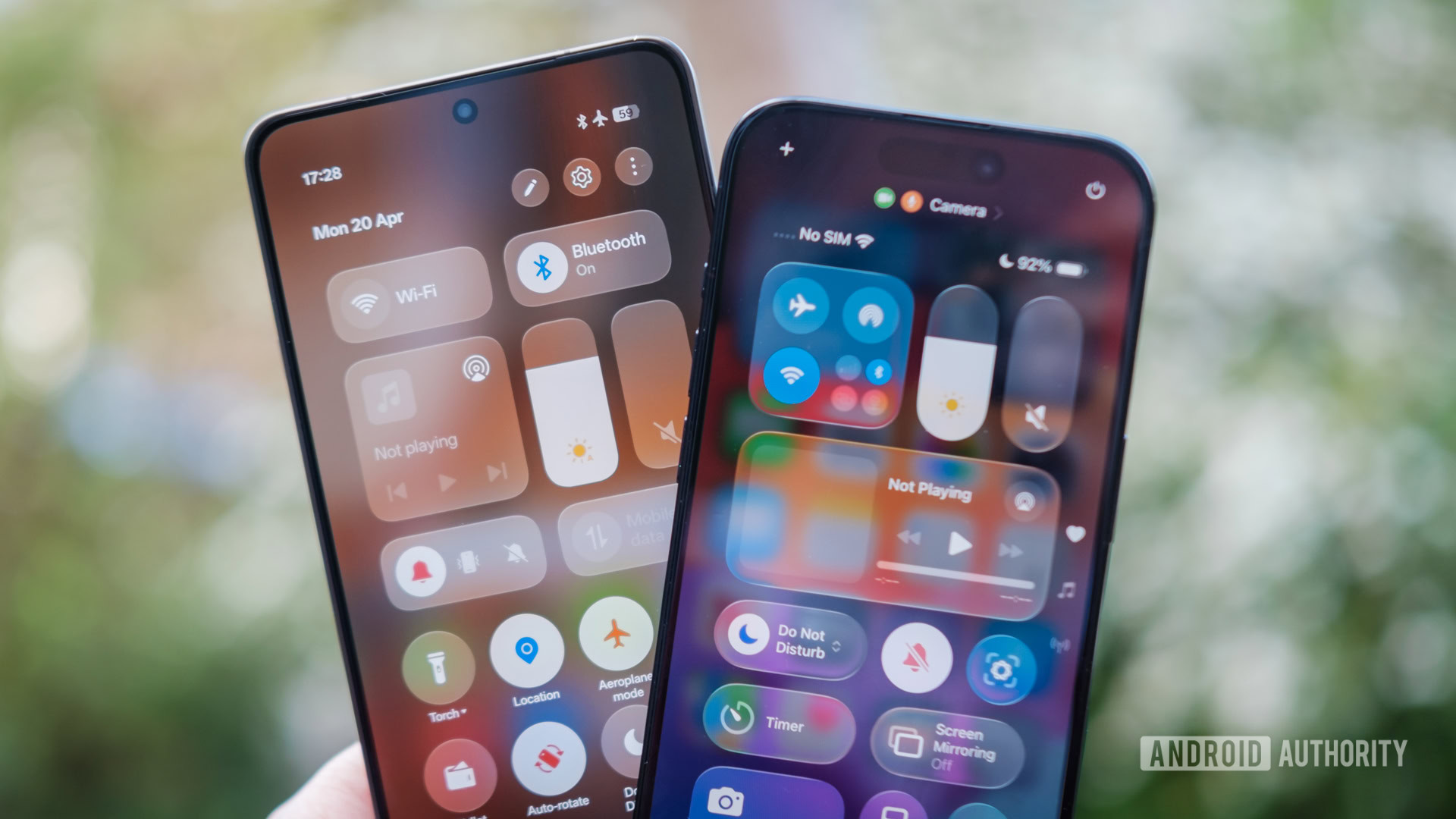
Beyond the issue of bloatware, the merger is also set to strip away several minor yet cherished features and aesthetic elements that were unique to OxygenOS, further diluting the OnePlus experience. Users who appreciated the clean, less-cluttered interface, subtler color palettes, and fluid animations of older OxygenOS versions have already witnessed a gradual erosion of these characteristics. The definitive shift to ColorOS will finalize this transformation.
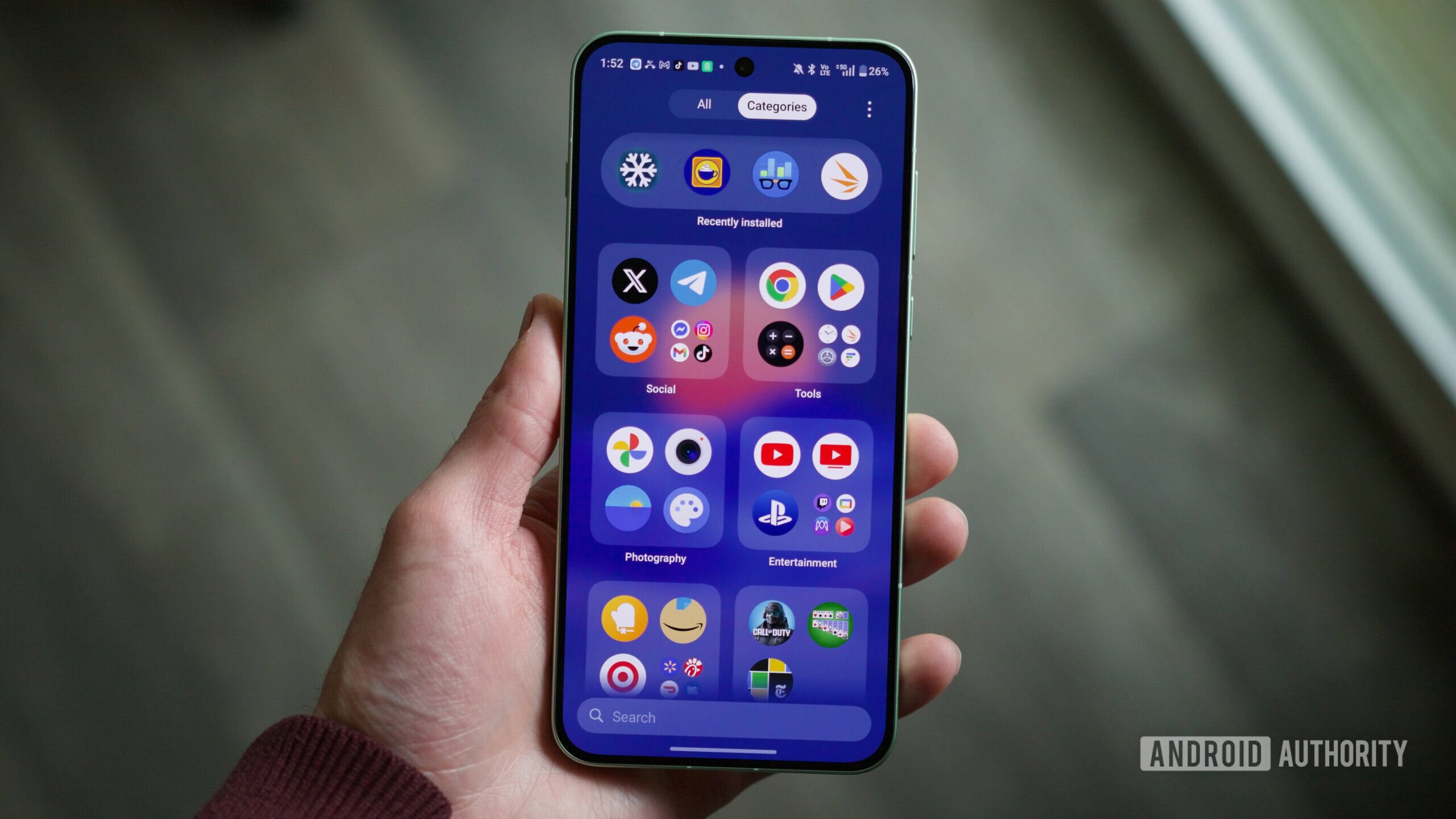
One notable change relates to the Quick Settings or Control Center. While OPPO has moved towards more "Liquid Glass-inspired translucent graphics," OxygenOS maintained a relatively more Android-looking and visually subtler adaptation. The ability to completely disable blur features for certain UI elements, a small but appreciated customization option in OxygenOS, is also likely to be lost. Although OxygenOS itself wasn’t entirely free of translucent elements, particularly in the launcher, app drawer search bar, and app categorization screens, its overall implementation was generally considered more refined and less intrusive than ColorOS’s often gaudy array.
The native launcher experience has also seen its limitations grow over the years. OxygenOS’s launcher, once offering robust customization for the homescreen and app drawer, has become increasingly restricted. The "Shelf," a feature that was once a highly convenient and unique OnePlus utility, has been transformed into a screen riddled with ads. Furthermore, its original intuitive activation via a right-swipe is now tied to Google Discover, forcing users to adopt a less ergonomic downward swipe from the top to access it. This new gesture often conflicts with opening the notification drawer or Control Center, leading to a frustrating user experience that has driven many to abandon Shelf entirely or switch to third-party launchers like Niagara Launcher, which offers a faster and cleaner interface. The phrase "’Never Settle’ dies with OxygenOS" encapsulates the sentiment of many users who feel that the brand’s commitment to an uncompromised user experience has been sacrificed.
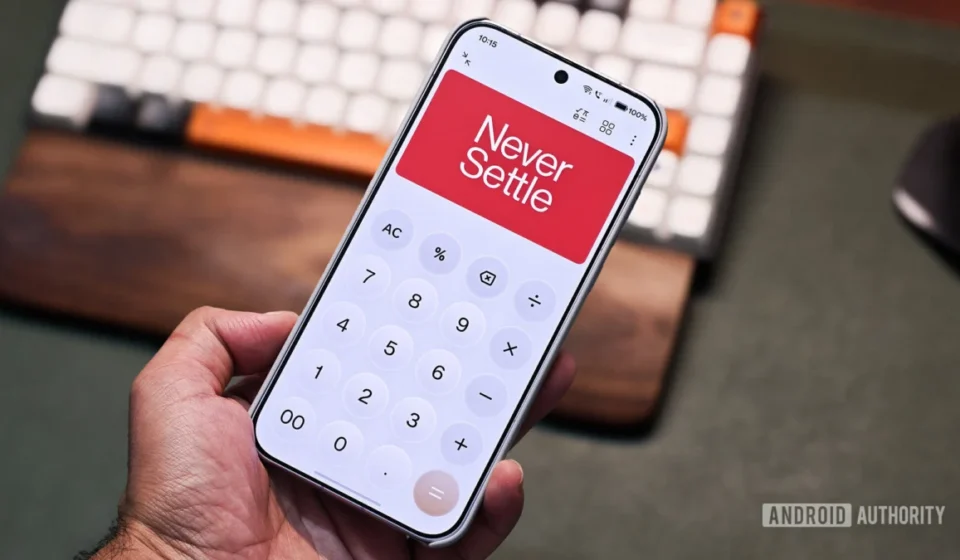
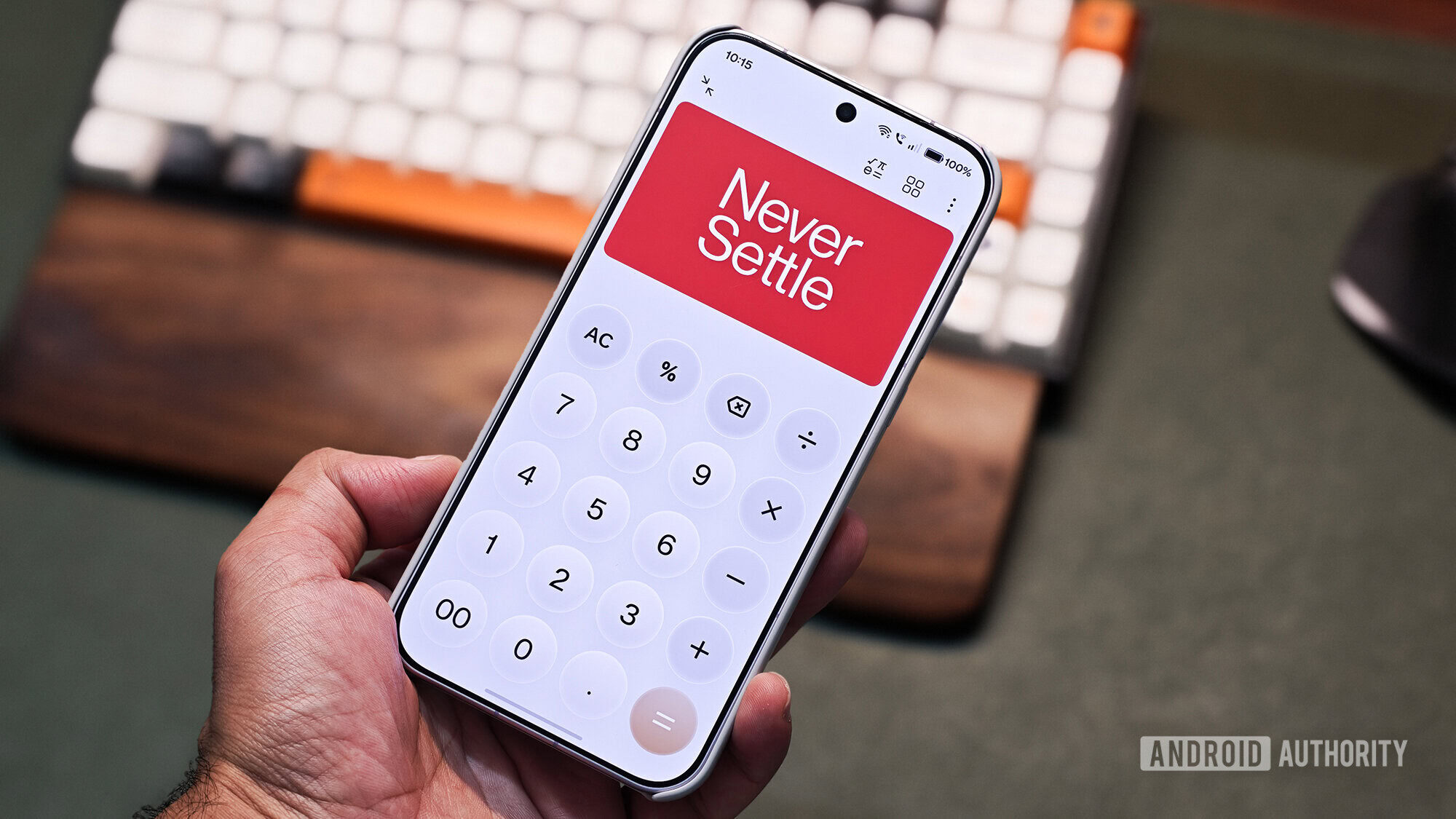
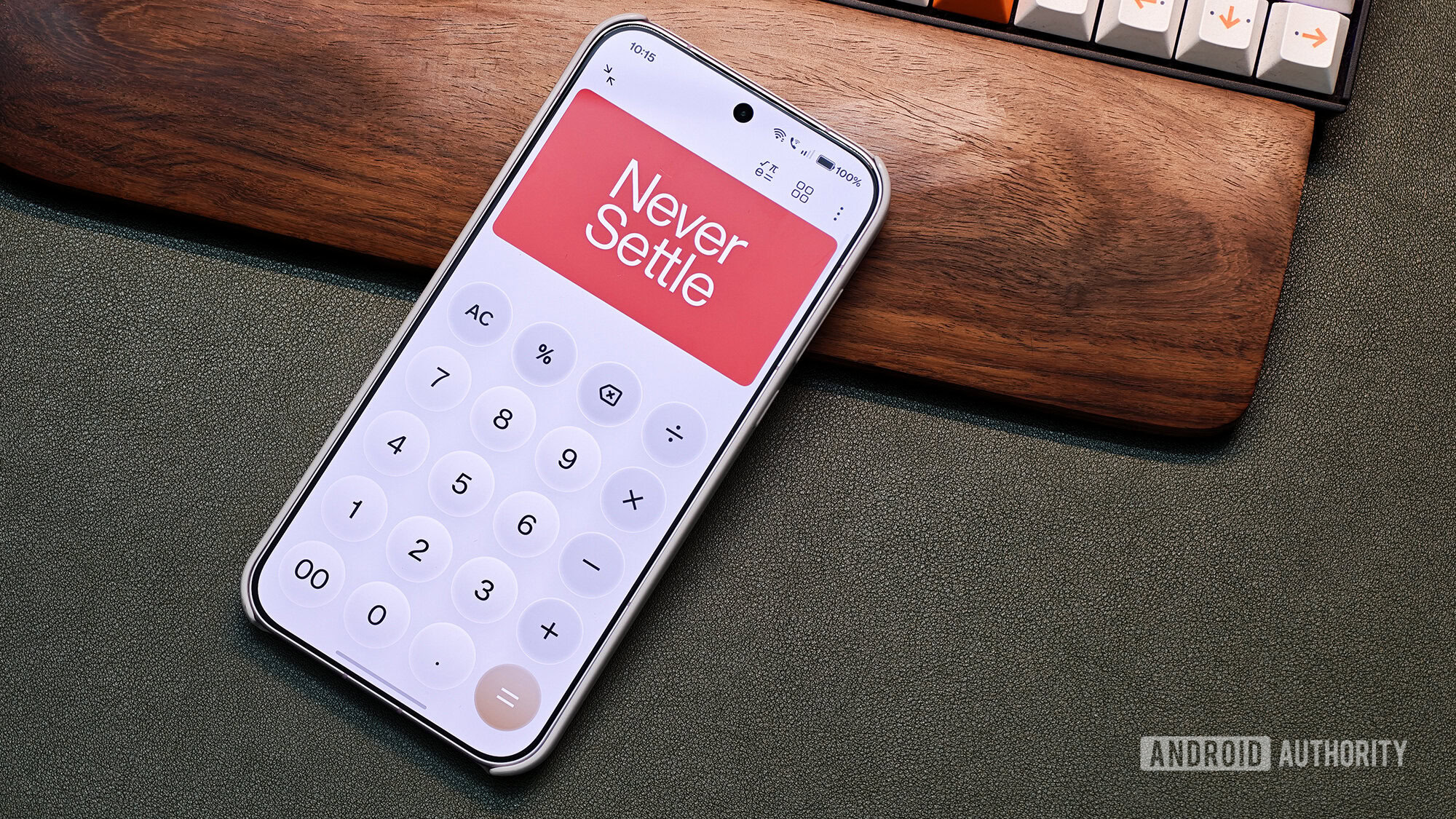
Smaller, more nostalgic elements are also on the chopping block. The beloved Calculator Easter egg, where the iconic "Never Settle" logo would appear upon performing the operation "1 + =" (or similar variations in older versions), is expected to be removed. Furthermore, subtle differences in icon design, and particularly the loss of the "Classic" OnePlus icon pack, will erase another visual hallmark of the brand’s original identity. These seemingly minor details collectively contribute to the overall user experience and sense of brand identity, and their removal signifies a further distancing from the OnePlus of old.
Shared Features and Lingering Hope
Despite the concerns, it’s worth noting that the integration has not been a one-way street entirely. ColorOS has also adopted some of the more well-received features from OxygenOS. For instance, the Zen Space app, designed to help users focus by providing a variety of continuous ambient sounds and the ability to limit app access, has been incorporated into ColorOS. This feature’s survival is a positive note amidst the broader changes.
Other customization features, such as an iOS-like "Seamless" always-on display and immersive depth effects for lock screen wallpapers, are already available across both interfaces, indicating a mutual exchange of design elements. Similarly, "Mind Space AI" features, which allow users to store screenshots, analyze their content using an AI model (likely Gemini for global users), and receive useful insights like summaries or reminders, have found their way into both OS versions. While some find this feature useful for isolating media or messages for AI interaction, others perceive it as a glorified notes app, especially given that OnePlus controversially sacrificed its signature alert slider for the inclusion of such AI features, leaving a bitter taste for some loyalists.
Beyond Software: Hardware, Sales, and Support Shifts
The transformation of OnePlus is not confined solely to software. Significant shifts are also underway in its hardware strategy, sales channels, and customer support, particularly in regions like Europe and the United States. In Europe, OnePlus has been progressively offloading much of its business operations to OPPO, directing users to OPPO’s platforms for product purchases and support. While assurances have been made that users will not face issues, reports have emerged detailing challenges with OnePlus’s repair requests, with some users reportedly receiving unsatisfactory resolutions such as vouchers instead of direct repairs or replacements for warranty claims, potentially due to depleted stock. This raises questions about the long-term viability of spare parts and dedicated OnePlus service in the region. The hope remains that stock of repair parts will be replenished, or that users will be upgraded to equivalent OPPO phones without additional charge, rather than being offered inadequate compensation.
The situation in the United States presents a different, yet equally concerning, picture. While OnePlus initially promised to continue selling devices in the US "until stocks last" and to offer repairs for a longer period, evidence suggests a limited inventory in the region. This indicates that OnePlus may have been preparing for a reduced presence in the US market for several months, opting not to restock units. Given that OPPO does not have a significant presence in the US market, this could effectively signal the "end of the road" for dedicated OnePlus repairs and sales in the region, leaving existing users in a precarious position regarding future support. This scenario could, however, present an opportunity for OPPO to finally expand into the US market under its own brand, though no such plans have been explicitly announced. The statement "OnePlus is done packing bags in the US" underscores the perceived abandonment by a segment of its loyal customer base.
Brand Identity in Flux: The End of an Era?
The "Never Settle" ethos was more than just a marketing slogan for OnePlus; it was a foundational philosophy that deeply resonated with its early adopters. It spoke to a desire for uncompromising quality, performance, and a user experience that eschewed the mediocrity prevalent in the Android ecosystem during its formative years. This philosophy was inherently reflected in OxygenOS, which was celebrated for its clean user interface, zippy performance, and thoughtful, non-intrusive features.
As OnePlus sought to expand into the premium market and compete directly with established giants like Samsung and Apple, its core identity began to waver. The pursuit of broader market appeal often necessitates compromises that clash with niche, enthusiast-driven principles. The lines of its distinct identity began to blur significantly in 2021 with the initial codebase merger announcement, which, despite promises of retaining OxygenOS’s uniqueness, ultimately led to a more generic software experience. The latest announcement, confirming the complete absorption of OxygenOS into ColorOS, merely solidifies the fears that have lingered for half a decade.
While ColorOS has undoubtedly gained from OxygenOS, adopting some of its useful features and perhaps improving its overall stability and polish, the reverse has largely been perceived as detrimental to the OnePlus brand. OxygenOS, in its later iterations, became "saddled with bloatware, slower animations, and eye-searing iOS-like visuals," as described by critics. This final merger is seen by many as the ultimate surrender of OnePlus’s unique software identity and, by extension, its original brand promise.
OPPO undoubtedly produces excellent phones, often lauded for their cutting-edge hardware, innovative camera systems, and rapid charging technologies. However, for the loyal OnePlus user, these attributes may never fully replace the "satisfying feeling of sprezzatura" that the original OnePlus, particularly through OxygenOS, once represented. Sprezzatura, an Italian term meaning a certain nonchalance, a quality of effortless grace, perfectly encapsulated the smooth, unobtrusive, and powerful experience that early OxygenOS offered. This era, characterized by a clean, fast, and user-centric Android experience, is now definitively over. For many, this moment is not just about a software change; it is about mourning the loss of a brand that once dared to be different and truly embodied its "Never Settle" motto. The transition marks a poignant moment in smartphone history, prompting reflection on the evolution of a brand that once challenged conventions and captured the imagination of a passionate user base.