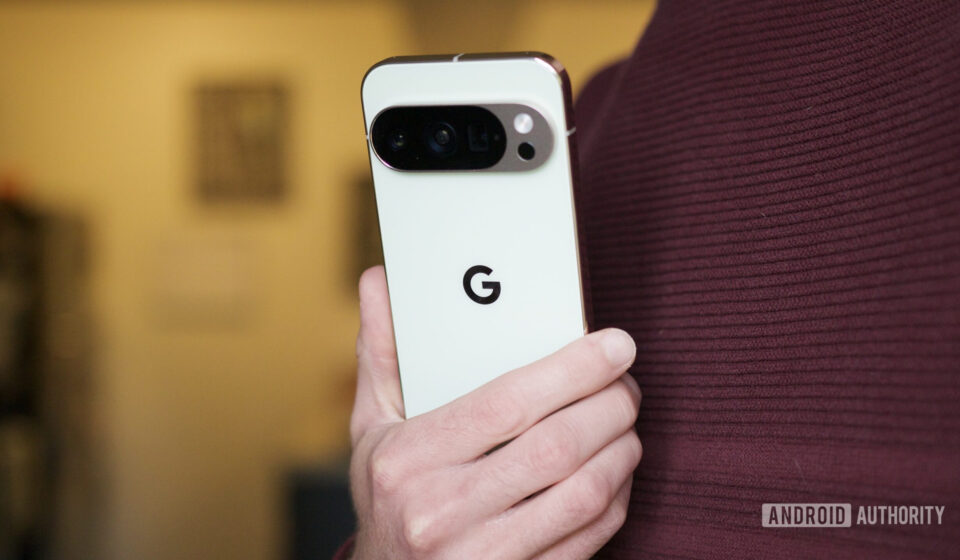
Google Faces Critical Juncture as Pixel Hardware Design Stagnates Amidst Industry Advancements

Google’s Pixel smartphone line, renowned for its software prowess and distinctive visual aesthetic, is confronting increasing scrutiny over its hardware design philosophy, with recent models exhibiting a concerning trend towards increased bulk and a perceived lack of material innovation. This development comes after a period of significant design evolution for the Pixel series, from the Pixel 6 through to the Pixel 9, each generation often featuring substantial or near-complete hardware redesigns that set them apart in a competitive market. While these phones have consistently been praised for their visually stunning appearance, vibrant color palettes, and the iconic camera bar, a shift in Google’s design strategy, confirmed by Pixel head Rick Osterloh, indicates a move to longer, two- to three-year design refresh cycles. This strategic pivot raises questions about Google’s commitment to physical refinement, particularly as competitors continue to push boundaries in ergonomics, materials, and overall user experience.
A Legacy of Dynamic Design Evolution
From its inception, the Google Pixel brand has sought to differentiate itself through a "software-first" approach, leveraging the power of Android and Google’s AI capabilities to deliver a unique smartphone experience. However, this has often been complemented by a distinctive hardware identity. The early Pixel models, while not always groundbreaking in their physical form, established a clean, minimalist aesthetic. The significant design overhaul starting with the Pixel 6 marked a new era, introducing the prominent camera bar that has since become synonymous with the Pixel brand. Subsequent iterations, including the Pixel 7, Pixel 8, and Pixel 9, continued this trajectory, refining the camera housing, exploring new materials, and experimenting with unique colorways. This period showcased Google’s willingness to invest in aesthetic differentiation, cultivating a loyal user base that appreciated the blend of cutting-edge software with a visually striking, instantly recognizable hardware design. This commitment to regular visual updates fostered an expectation among consumers for continuous innovation in both form and function.
The Shifting Paradigm: Design Refresh Cycles and Their Implications
The recent pronouncement by Google’s Pixel head, Rick Osterloh, last year, indicating a transition to two- to three-year design refresh cycles, signals a significant strategic shift. This means that consumers are less likely to witness the annual, generation-to-generation visual overhauls that characterized the Pixel 6-9 era. While this approach is not unprecedented in the smartphone industry – Apple, for instance, often maintains a core design language for several years before a major refresh – for a brand that has prided itself on consistent visual evolution, it marks a notable change.
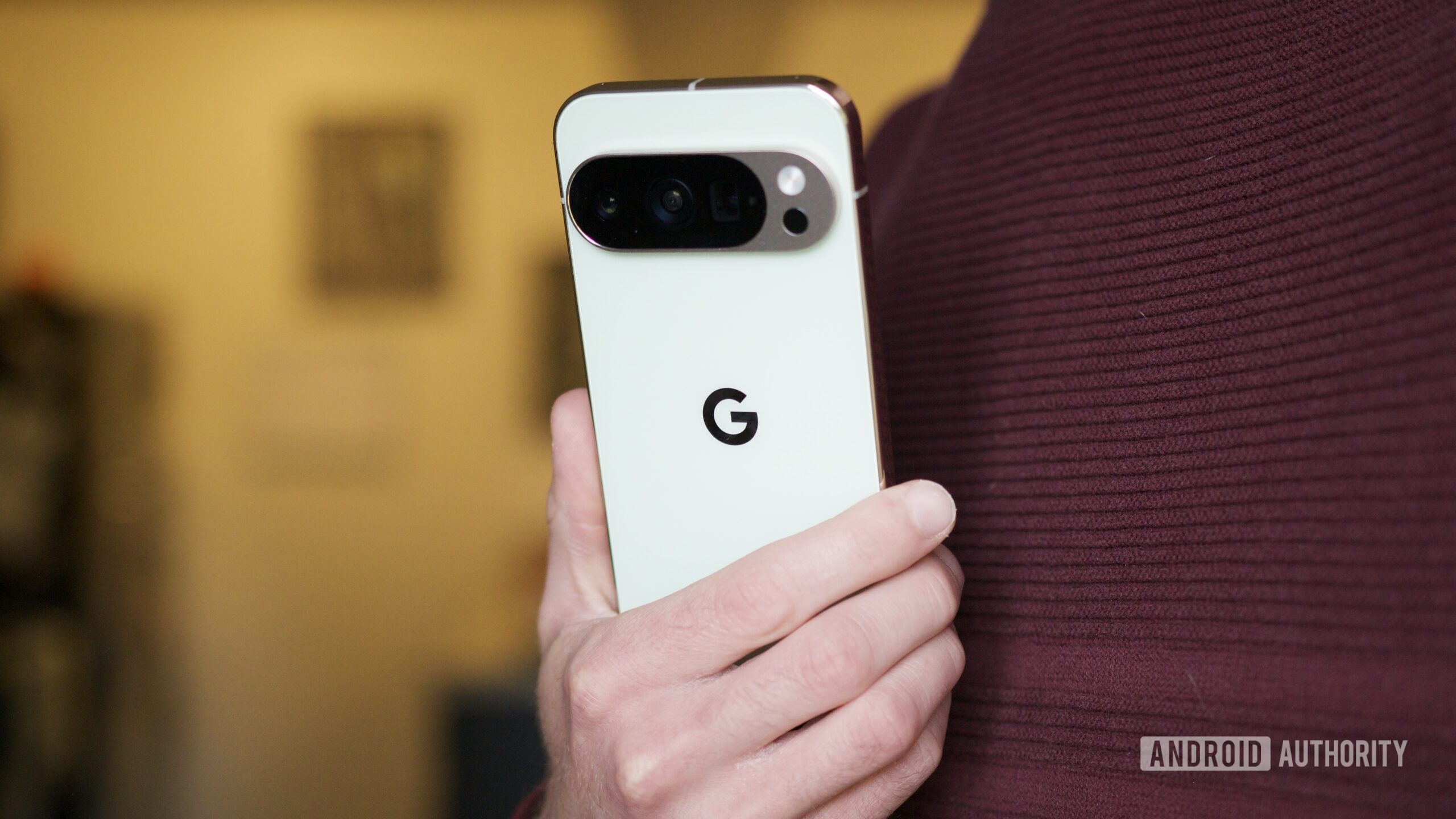
This decision could be driven by several factors, including the increasing maturity of smartphone design, the rising costs associated with frequent retooling and manufacturing process changes, and a desire to focus engineering resources on internal component development, software innovation, or other product categories. However, it also places a greater burden on Google to ensure that the core design remains competitive and appealing for a longer duration. If the foundational design elements are not meticulously optimized from the outset, a multi-year cycle could exacerbate existing shortcomings rather than allowing for incremental improvements.
The Tangible Challenge: Unseen Design Flaws in the Pixel 10 Series
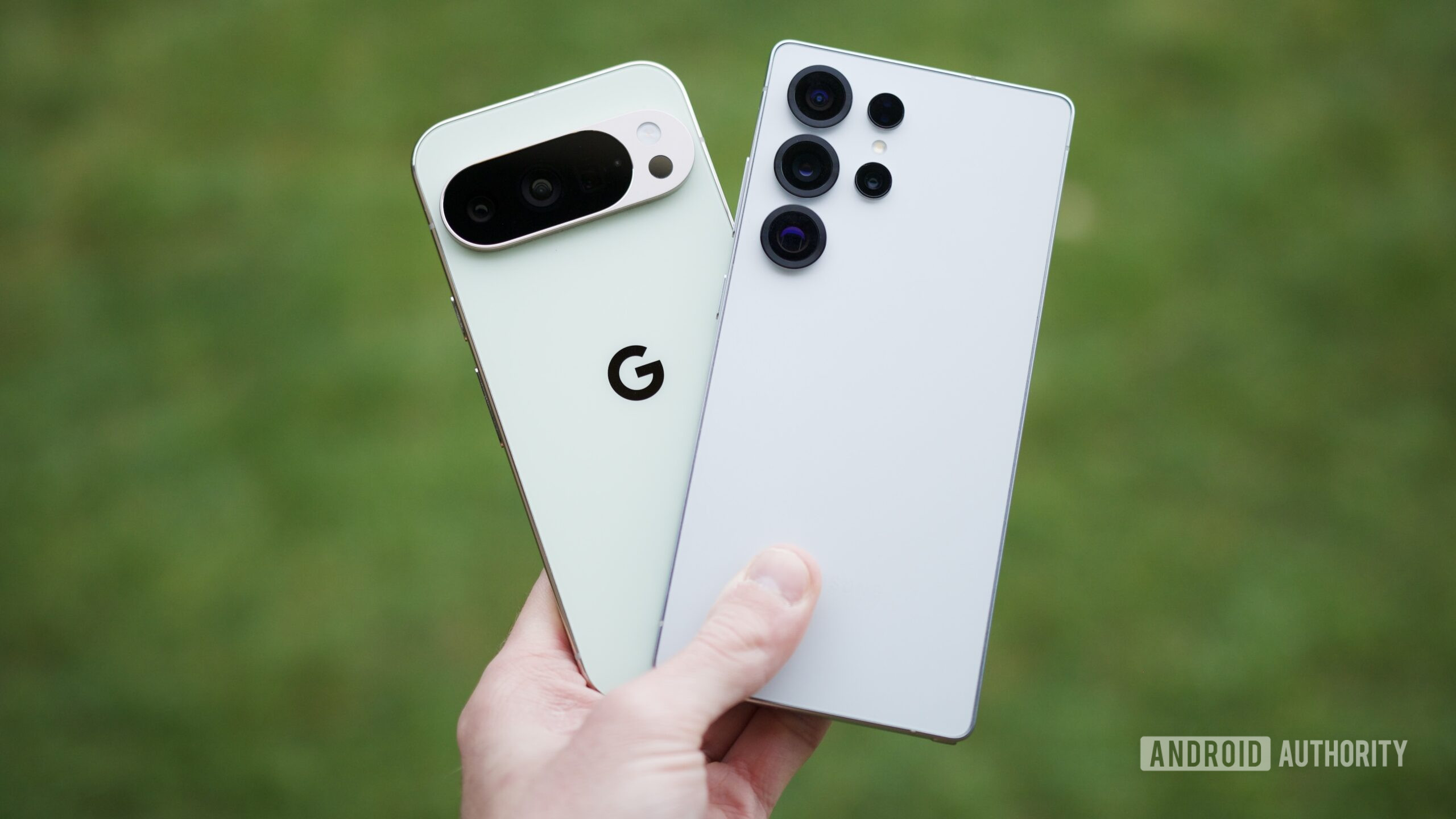
While the Pixel 10 series has been acknowledged for its intentional and attractive styling, including appealing finishes and color options, a growing concern among users and industry analysts revolves around its physical build. The issue is not in the phone’s aesthetic appeal but rather its fundamental construction – specifically, its dimensions and weight. In an industry that has largely trended towards thinner and lighter devices over the past decade, Google’s Pixel smartphones appear to be moving in the opposite direction, consistently presenting as thicker and heavier than their direct competitors.
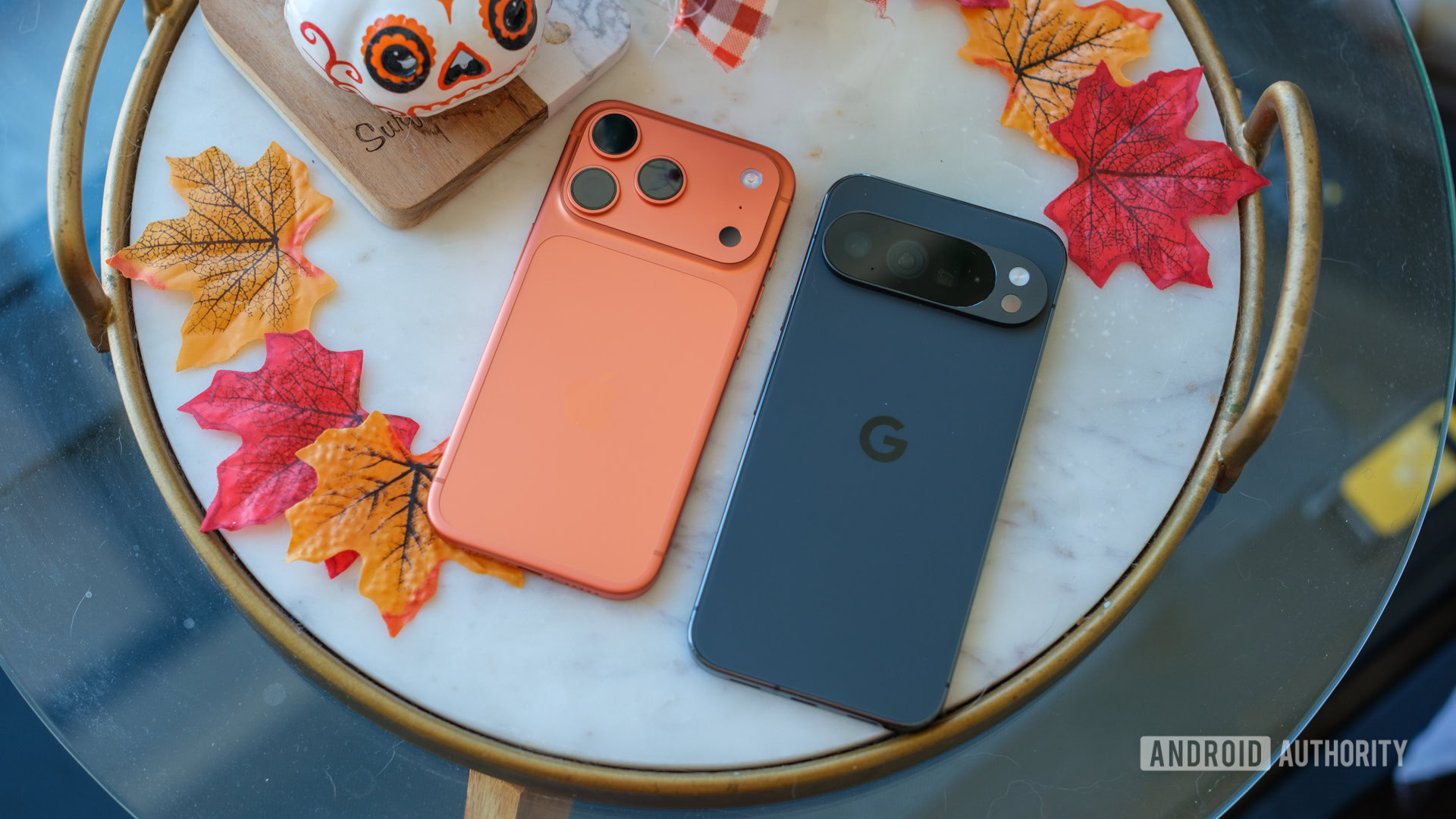
Detailed comparisons highlight this disparity. The base Google Pixel 10, for example, weighs 204 grams. This is notably heavier than key rivals such as the Samsung Galaxy S26, which weighs 37 grams less, and the iPhone 17, which is 27 grams lighter. To contextualize this difference, the official Google Pixel 10 silicone case, which incorporates Pixelsnap magnets, weighs approximately 34 grams. This implies that an iPhone 17 or Galaxy S26, when equipped with a typical protective case, could still feel comparable in weight to a bare Pixel 10. Such a significant weight differential positions Google at a disadvantage in a market where user comfort and portability are increasingly valued.
The thickness of the Pixel 10 further compounds this issue. Measuring 8.6mm, the Pixel 10 is even thicker than its predecessor, the Pixel 9, by 0.1mm. While Google attributes this increase, in part, to the integration of internal Qi2 magnets for enhanced wireless charging and accessory compatibility, this explanation falls short when compared to competitors. The base iPhone 17 also features Qi2 magnets but achieves a significantly slimmer profile at just 7.95mm. This stark contrast suggests that Google may not be optimizing its internal component layout or material utilization as effectively as its rivals. This issue becomes even more pronounced when considering ultra-thin form factors like the Samsung Galaxy S25 Edge or potential future "iPhone Air" models, which prioritize extreme thinness. The cumulative effect of these dimensional differences creates a perception of bulk that impacts the overall user experience.
Beyond the Numbers: Ergonomics and User Experience
The implications of a thicker and heavier smartphone extend beyond mere specifications; they directly impact ergonomics and daily user experience. In an era where individuals spend hours interacting with their devices, the physical comfort of a phone is paramount. Lighter and thinner phones offer practical advantages:
- Case Compatibility: They allow users to add protective cases or magnetic accessories without significantly increasing the overall bulk or weight, maintaining a more manageable form factor.
- Improved Handling: Such devices are inherently easier to hold, maneuver, and operate with one hand, reducing strain during extended use.
- Reduced Physical Strain: The cumulative effect of a heavier phone can lead to wrist fatigue or discomfort, especially for users who engage in prolonged phone usage, such as gaming, reading, or content consumption. This is a critical factor for many consumers, particularly as smartphone screens continue to grow in size.
The perception of a phone’s "in-hand feel" is subjective but undeniably influential in consumer satisfaction. When a device feels unwieldy or cumbersome compared to sleeker alternatives, it can detract from the overall premium experience, regardless of its software capabilities or camera performance.
Material Innovation and Industry Benchmarks
Google’s choice of materials for the Pixel 10 series – a combination of aluminum and glass – represents a traditional and widely adopted approach in smartphone manufacturing. While these materials can certainly yield premium and durable devices, the challenge for Google lies in mastering their application to achieve competitive thinness and lightness. Many industry players have spent years, if not decades, perfecting the engineering of aluminum and glass chassis to balance strength, aesthetics, and ergonomic considerations.
Other manufacturers are actively exploring and integrating alternative materials or advanced applications of traditional ones. Companies like Motorola and OnePlus have experimented with vegan leather finishes, offering a distinct tactile experience and often contributing to a lighter feel. Apple’s strategic use of titanium in its Pro models, while controversial for some, demonstrates a commitment to material innovation aimed at reducing weight while maintaining structural integrity. Similarly, advancements in glass technology, such as Corning’s Ceramic Shield (used by Apple) or Gorilla Armor (seen in some Samsung flagships), offer enhanced scratch resistance and anti-reflective properties.
While Google’s introduction of Pixelsnap, its magnetic accessory system for the Pixel 10 series, is a commendable step towards ecosystem integration and convenience, it follows Apple’s MagSafe by several years. For Pixelsnap to be a truly compelling differentiator that justifies other hardware trade-offs, it would need to offer distinct advantages or be integrated into a broader strategy of hardware refinement. The core argument remains: if Google opts for established materials like aluminum and glass, it must demonstrate mastery in their implementation to match or exceed the ergonomic standards set by competitors. If not, a bolder exploration of innovative materials and construction techniques becomes imperative to avoid falling behind.
Strategic Priorities: Software vs. Hardware Equilibrium
A common observation regarding Google’s Pixel strategy is its undeniable strength in software, artificial intelligence (AI) tools, and overall operating system optimization. For many buyers, the unparalleled Pixel software experience, often seen as superior to offerings from Samsung and Apple, is the primary draw. Features like advanced computational photography, intuitive AI assistants, and a clean Android interface consistently receive high praise. This software-centric focus has allowed Google to carve out a distinct niche in the smartphone market.
However, this emphasis on software may inadvertently overshadow or even deprioritize hardware design optimization. While Google’s ability to extract maximum performance from its custom Tensor chips and Android OS is impressive, a disconnect between software excellence and hardware execution can create an imbalance. In a mature market where software features are increasingly commoditized or easily replicated, differentiating through superior hardware design and user comfort becomes a critical competitive battleground. Consumers expect a holistic premium experience, where the physical device complements and enhances the software, rather than detracting from it.
Market Implications and Competitive Landscape
The current hardware design trajectory of the Pixel line carries significant implications for its market position and competitive standing. Google is operating in a fiercely competitive landscape dominated by tech giants like Apple and Samsung, who, despite occasionally being criticized for "resting on their laurels" in design, consistently deliver devices that are meticulously engineered for ergonomics and premium feel.
If Google continues to lag in areas like weight, thickness, and material innovation, it risks alienating a segment of the market that values these attributes highly. While the Pixel’s software and camera capabilities might attract a core group of enthusiasts, broader market appeal often hinges on a device’s immediate tactile impression and everyday usability. For many consumers, the feel of a phone in hand is a primary factor in their purchase decision, alongside visual aesthetics and performance. Failure to address these hardware concerns could impede Google’s ambition to significantly grow its market share beyond its current niche. The "in-hand feel" is not just a luxury; it’s a fundamental aspect of a premium smartphone experience that influences brand perception and customer loyalty.
Looking Ahead: The Pixel 11 and Google’s Hardware Future
The upcoming Pixel 11 series represents a critical juncture for Google. With the established pattern of longer design cycles, any fundamental design choices made for the Pixel 10 are likely to persist, making the Pixel 11 a pivotal release. For Google to truly compete and capture a broader audience, it needs to demonstrate a renewed commitment to hardware refinement, mirroring the meticulous attention it dedicates to software optimization.
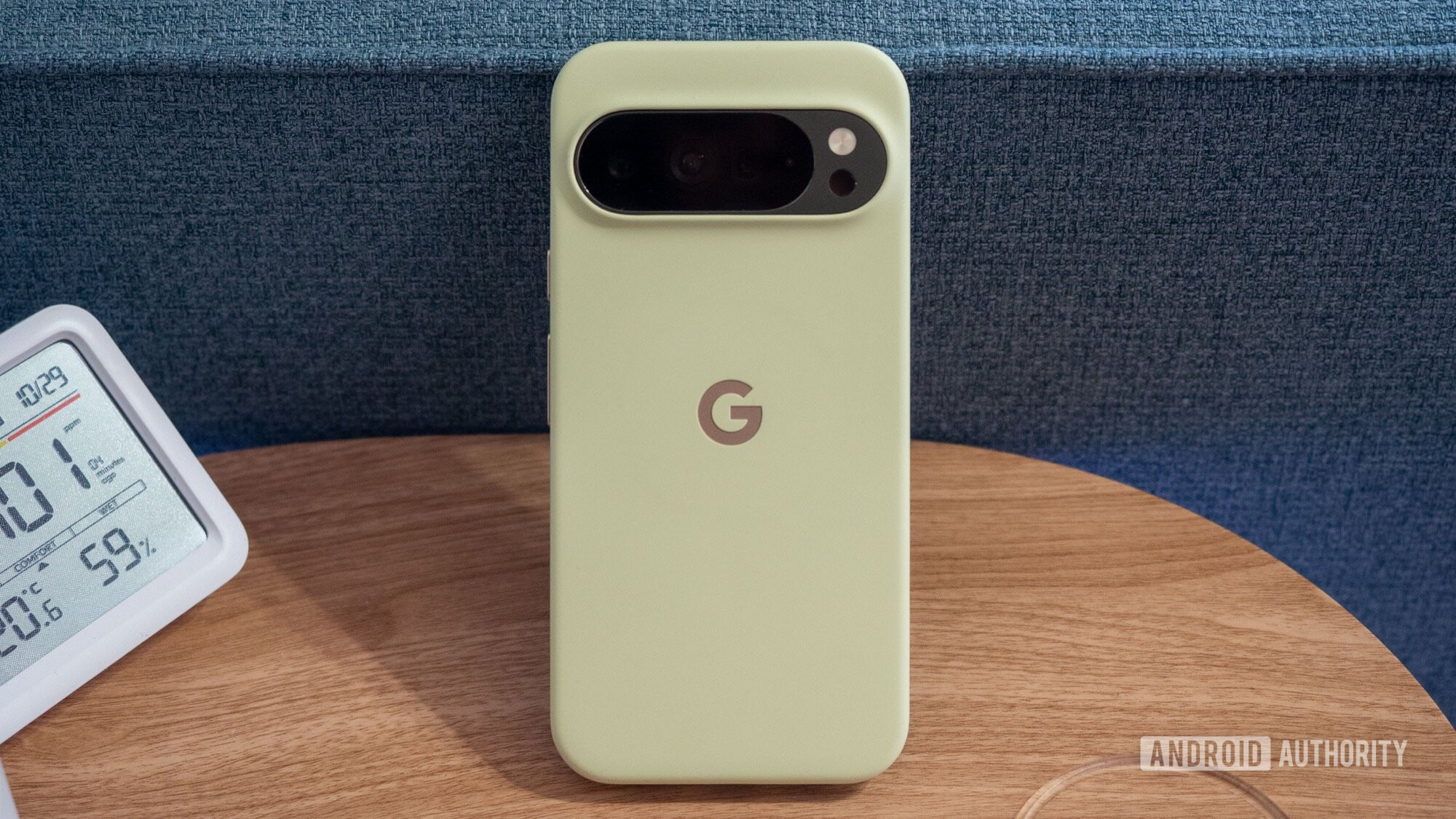
This means actively pursuing strategies to reduce the weight and thickness of its devices without compromising on battery life, component integration, or features. It involves exploring advanced manufacturing techniques, optimizing internal layouts, and potentially re-evaluating material choices. While the Pixel 10’s Lemongrass variant may be lauded as an attractive design, the overarching sentiment from many users and industry observers is that visual appeal alone is insufficient. The physical interaction with the device – its heft, its thickness, its material feel – must align with the premium software experience Google strives to deliver.
Should Google successfully integrate this level of hardware design optimization into the Pixel 11, it could elevate the Pixel line to become a compelling choice for a significantly larger segment of the population, potentially positioning it as the best overall smartphone option for many. Conversely, if the Pixel 11 continues the trend of increasing bulk without substantial hardware innovation, Google risks alienating even dedicated users and further solidifying its reputation as a software-first company that struggles to match its competitors in physical craftsmanship. The future success of the Pixel brand may well hinge on Google’s ability to achieve a harmonious balance between its undeniable software strengths and a revitalized commitment to world-class hardware design.