Google Pixel 11: Subtle Refinements and Smart Integrations Mark a Familiar Yet Evolving Flagship

The global rollout of the Google Pixel 11 series has just concluded its initial week, and early impressions of the standard Pixel 11 model suggest a strategy of iterative improvement rather than radical reinvention. This approach, while potentially lacking the immediate "wow" factor of a complete overhaul, appears to be resonating with users who appreciate the refinement of a proven formula. The Pixel 11, often seen as the foundational offering within the Pixel lineup, eschews dramatic design changes, opting instead to build upon the strengths of its predecessor, the Pixel 10. This decision reflects a growing trend in the smartphone market, where established designs often prove more popular than untested aesthetics, particularly when coupled with meaningful functional enhancements.
Google’s adoption of the "if it ain’t broke, don’t fix it" philosophy is palpable in the Pixel 11. The core user experience and many of the foundational elements that contributed to the success of the Pixel 10 remain intact. However, a closer examination reveals a series of thoughtful, albeit subtle, upgrades that enhance the daily usability and overall appeal of the device. These refinements, integrated seamlessly into the familiar Pixel ecosystem, are beginning to demonstrate their value, suggesting that Google’s strategy of targeted improvements is proving to be a compelling proposition for consumers.
Design Evolution: The Slimmer Visor and Its Aesthetic Impact
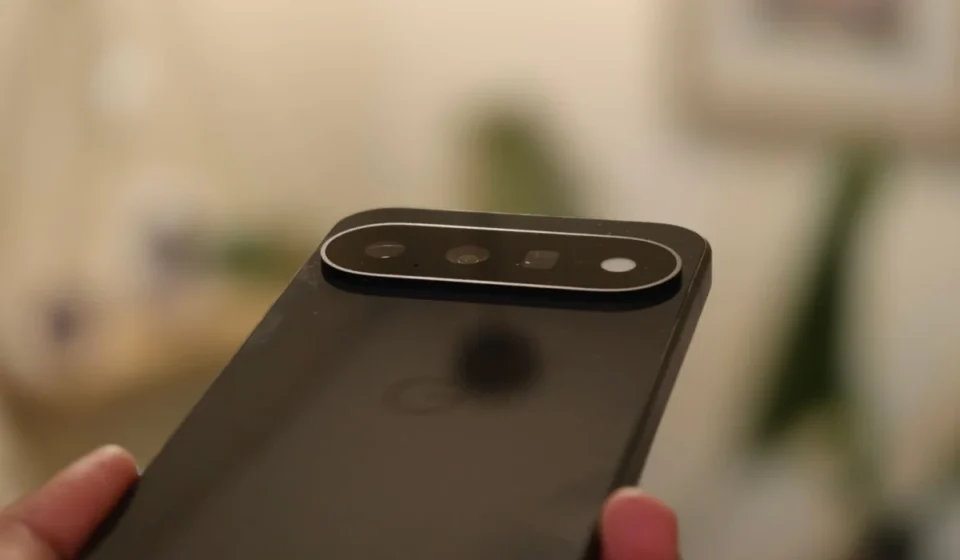
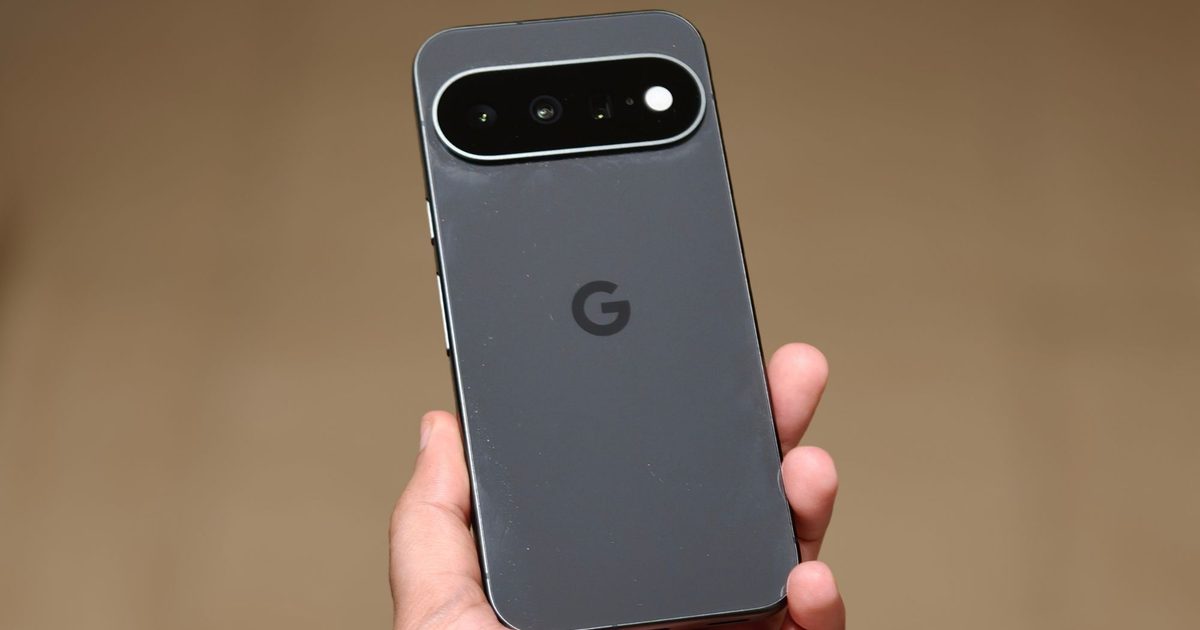
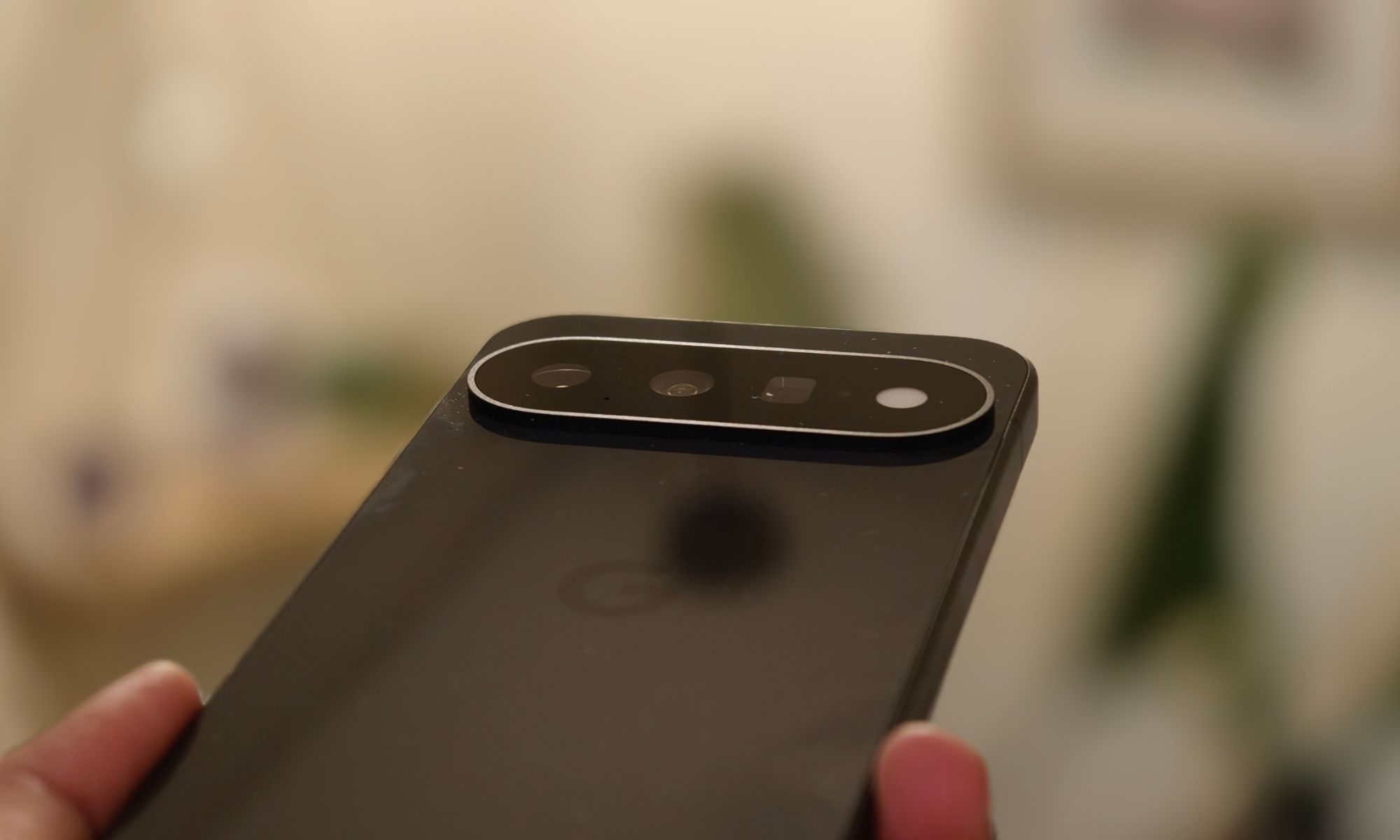
One of the most immediately noticeable design modifications on the Pixel 11 is the recalibration of its signature camera visor. Google has reportedly reduced its thickness by approximately 40%, a change that is readily apparent and contributes significantly to the device’s visual appeal. While the overall weight of the Pixel 11 remains close to 200 grams and its general form factor has not undergone drastic slimming, this more streamlined camera bar lends the rear of the phone a cleaner, more sophisticated, and premium appearance. This subtle alteration addresses a common critique of earlier Pixel models, where the prominent visor could sometimes detract from the overall design harmony.
This visual improvement, however, is somewhat undermined by the chosen finish for certain variants. The Obsidian model, for instance, features a glossy surface that proves to be a magnet for fingerprints and smudges. Dirt accumulation is also noticeably rapid on this finish, which is a particular detraction given the otherwise appealing design when the device is pristine. This contrasts with the matte finish typically offered on the Pro models, leading to questions about why the standard Pixel 11 does not receive the same premium treatment. Such a detail, while seemingly minor, can impact the perceived value and user satisfaction with the device’s aesthetics.
Intelligent Voice Input: The Power of Rambler
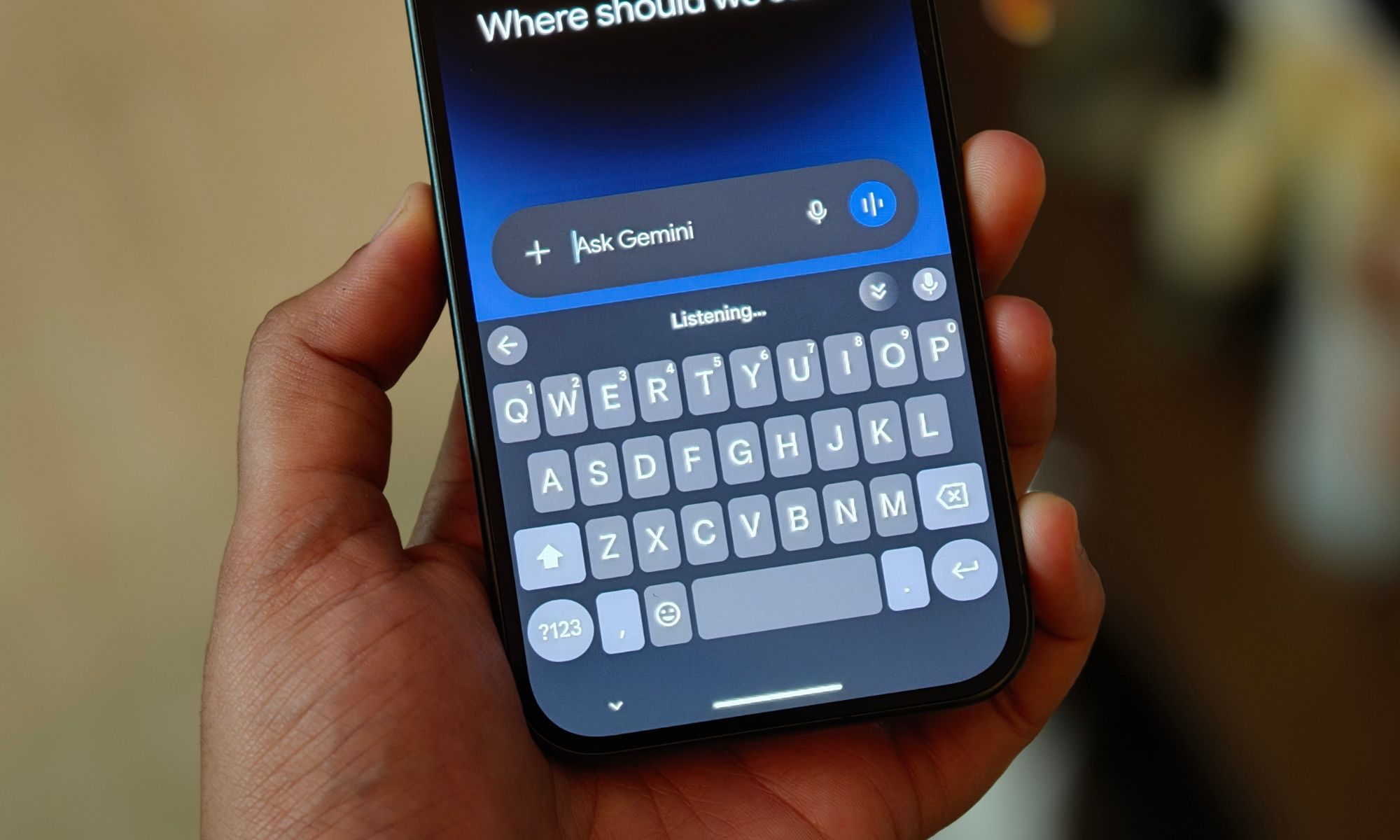
Perhaps one of the most impactful new features integrated into the Pixel 11 is "Rambler," a Gemini-powered enhancement to Gboard’s voice typing capabilities. This tool addresses a common user behavior: the tendency to use filler words, hesitations, and incomplete thoughts during spontaneous speech. Rambler effectively filters out these linguistic imperfections, transforming raw spoken input into polished, coherent text. For users who find traditional typing cumbersome for longer messages or when rapidly capturing ideas, Rambler offers a significant advantage.
The functionality allows users to speak naturally, without the need for pre-planning sentences or meticulously crafting each word. Rambler then cleans up the dictated text, removing "uhs," "umms," and other disfluencies, presenting a final output that reads as if it were perfectly articulated from the outset. This feature is particularly beneficial for multitasking, allowing users to dictate notes, emails, or messages while engaged in other activities, without the concern of producing grammatically awkward or incomplete sentences.
Furthermore, Rambler’s multilingual support enhances its utility. The feature can seamlessly handle multiple languages within a single voice input session, enabling users to switch between languages mid-thought without interruption. This capability is a significant step forward for global communication and for individuals who regularly navigate different linguistic contexts. The ease with which Rambler transforms unscripted speech into clear text makes a return to manual typing for lengthy communications feel notably more arduous. This integration of advanced AI into a fundamental smartphone function underscores Google’s commitment to practical, user-centric innovation.
Enhanced Visual Search: Circle to Search’s Real-World Application
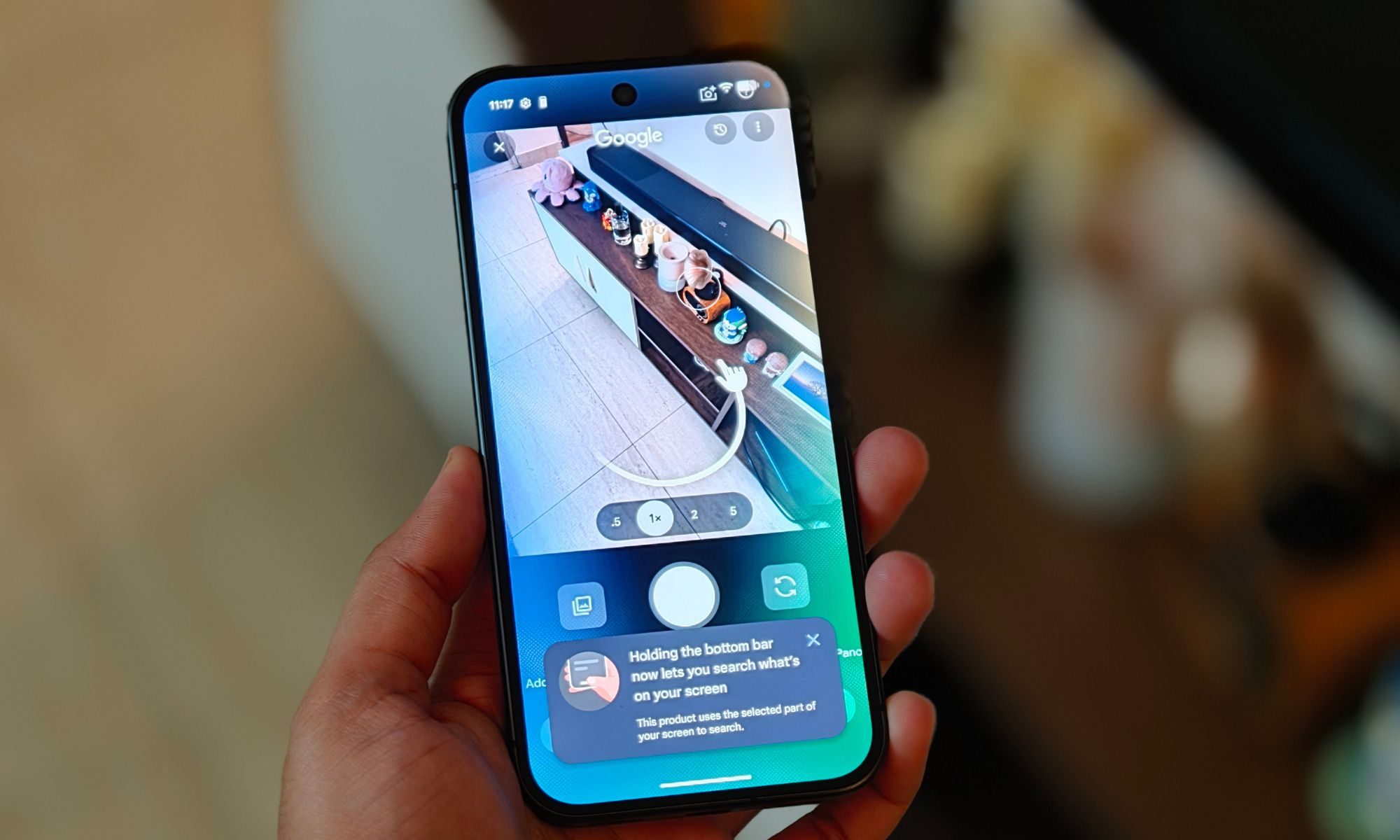
Circle to Search, a feature that allows users to initiate Google searches by circling elements on their screen, has been a valuable addition to Pixel devices. The Pixel 11 expands this functionality by enabling its use directly through the camera application. This integration transforms the device’s camera into a powerful visual search tool, capable of identifying objects in the user’s immediate physical environment.
The expanded Circle to Search allows users to point their camera at an object of interest – be it a piece of furniture, a plant, or an item of clothing – activate the Circle to Search function, and then circle the object. Google then performs a search based on the visual information captured. This eliminates the need for users to first take a photograph or attempt to describe an object using vague search terms, such as "round orange lamp with tiny legs." The ability to search for real-world items directly through the camera significantly streamlines the process of discovery and information retrieval, making the Pixel 11’s camera a more versatile and intuitive interface for interacting with the world.
This capability has profound implications for consumer behavior and information access. For instance, when encountering a product in a retail store or a design element in a public space, users can instantly identify its origin, price, or related information without manual intervention. This real-time visual identification capability bridges the gap between the physical and digital worlds, offering a more immediate and contextualized search experience.
Camera Customization: The Impact of Camera Looks
Beyond the expanded Circle to Search, the Pixel 11 introduces "Camera Looks," a feature that empowers users to personalize their photographs even before capturing them. This feature offers several distinct visual styles – including Original, Natural, Shadows, and Vanilla – each altering the overall mood and aesthetic of an image. Users can select a desired Look and then further fine-tune parameters such as brightness, shadows, and highlights directly within the camera interface.
This level of in-camera customization is particularly beneficial for addressing common photographic challenges. For example, when shooting a subject against a bright sky, resulting in a dark foreground, users can adjust the shadows and brightness in real-time. This allows for a more accurate representation of the intended scene directly at the point of capture, reducing the reliance on post-processing in applications like Google Photos. While the Pixel 11 may not possess the same advanced rear camera hardware as its Pro counterparts, features like Camera Looks mitigate the perceived deficit by providing greater creative control to the user. The ability to consciously shape the visual outcome of a photograph, rather than relying solely on algorithmic interpretation, adds a layer of personal expression and artistic intent to the mobile photography experience.
Performance and User Experience: Early Impressions and Future Outlook
The initial user experience with the Pixel 11 has been largely positive, with features like Rambler, Camera Looks, and the enhanced Circle to Search quickly becoming integral to daily usage. These additions are not perceived as forced or superfluous; rather, they appear to enhance natural workflows and provide genuine utility. The seamless integration of these AI-driven tools into core smartphone functions suggests a successful evolution of the Pixel platform.
However, as with any new device, a comprehensive evaluation requires more extensive testing. Key areas for continued assessment include battery longevity under sustained use, camera performance in challenging lighting conditions, long-term performance consistency, and the emergence of any potential usability annoyances after an extended period. These factors are crucial in determining the overall value proposition and long-term satisfaction with a smartphone.

The Pixel 11, while not a radical departure from its predecessor, represents a significant step in refining the user experience through intelligent software integration and subtle hardware improvements. The emphasis on practical, AI-powered features that genuinely assist users in their daily tasks suggests that Google is prioritizing functional evolution over superficial changes. As further testing unfolds, the true long-term impact of these advancements on the competitive smartphone landscape will become clearer. For now, the Pixel 11 is demonstrating that thoughtful iteration can indeed lead to a compelling and user-friendly device.