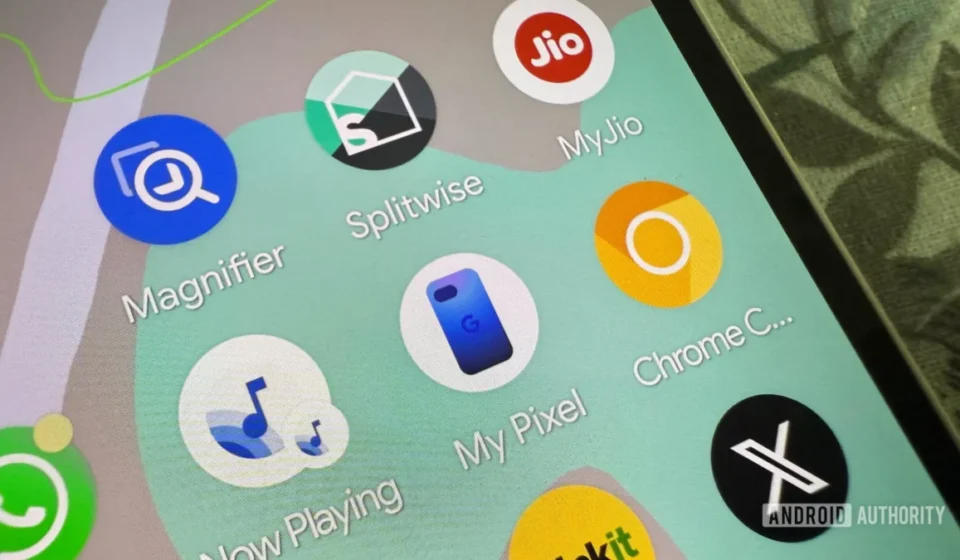
Google Pixel Shifts Course, Introduces Advertisements in "My Pixel" App, Stirring User Debate

The Google Pixel line, long celebrated for its unadulterated Android experience and minimal bloatware, has initiated a notable shift in its operational strategy, introducing advertisements for its latest devices directly within the "My Pixel" application on older Pixel models. This development, surfacing shortly after the highly anticipated launch of the Pixel 11 series, has prompted a wave of discussion among its dedicated user base, many of whom associate the Pixel brand with a premium, ad-free digital environment, a stark contrast to the advertising practices commonly observed on devices from other Android manufacturers. While Google maintains the utility of the "My Pixel" app, the inclusion of promotional content has raised questions about the future direction of the Pixel ecosystem and its commitment to the "pure Android" ethos that has been a cornerstone of its appeal.
The Shifting Landscape of Pixel Purity
For years, a primary differentiator for Google’s Pixel smartphones has been their commitment to a clean, unencumbered Android experience. Unlike many Original Equipment Manufacturers (OEMs) that preload devices with a multitude of third-party applications, often referred to as bloatware, or integrate their own advertising platforms, Pixel devices have consistently offered a stock Android interface, free from extraneous applications and intrusive promotions. This philosophy resonated deeply with users who prioritized performance, simplicity, and direct updates from Google, without the delays or modifications introduced by OEM skins. The absence of in-device advertising, particularly in notification shades or system applications, was a key selling point, cultivating a sense of trust and a premium user experience.
This perception of purity is deeply ingrained in the Pixel brand identity, setting it apart from competitors like Samsung, which have historically faced criticism for embedding advertisements within their One UI interface and proprietary applications. While Samsung has made efforts to scale back some of these promotions in recent years, the precedent of in-device ads has long been a point of contention for many Android users. Google’s foray into this territory, even if initially subtle, marks a significant departure from its established norm and risks eroding the unique appeal it has meticulously built.
From "Tips" to "Promotions": The Evolution of the My Pixel App
The application now known as "My Pixel" began its life as "Pixel Tips," a utility designed to enhance the user experience by providing readily accessible tutorials, insights into new Android features, and direct support resources. Its original mandate was purely informational and assistive, acting as a helpful guide for users to unlock the full potential of their devices. Notifications from "Pixel Tips" were typically limited to useful advice or announcements about significant software updates, always remaining within the bounds of enhancing user knowledge and engagement with their device.
A pivotal moment in the app’s evolution occurred approximately a year prior to the Pixel 11 series launch, when "Pixel Tips" underwent a significant rebrand, emerging as "My Pixel." This transformation was not merely cosmetic; it introduced a new "Store" tab, integrating direct access to Google’s hardware store within the application. While the introduction of a retail portal was a clear move towards cross-promotion and streamlining hardware purchases, it was initially perceived as a convenience rather than an imposition. Users could browse and buy Google products, but the core functionality of tips and support remained paramount, and crucially, advertisements were not actively pushed through notifications.
However, the launch of the Pixel 11 series in 2026 marked a further expansion of the "My Pixel" app’s role. Following the release, reports emerged from numerous users, including long-time Pixel enthusiasts and tech journalists, detailing the reception of promotional notifications for the new flagship phones. These advertisements appeared without any explicit opt-in by the users, often surfacing in the notification shade, a space previously reserved for essential system alerts or user-initiated app notifications. This change signifies a strategic shift, where an app originally conceived for user assistance has now explicitly incorporated a marketing function, moving beyond passive integration of a store tab to active promotional outreach.
The Unwelcome Arrival: Details of the New Advertisements
The advertisements in question primarily promote the newly released Pixel 11 series. Users on older Pixel devices, ranging from the Pixel 10 to potentially earlier models, have reported receiving notifications encouraging them to upgrade or learn more about the latest hardware. These notifications, while ostensibly benign, are considered intrusive by a segment of the user base precisely because they originate from a system application that was not previously known for delivering commercial messages.
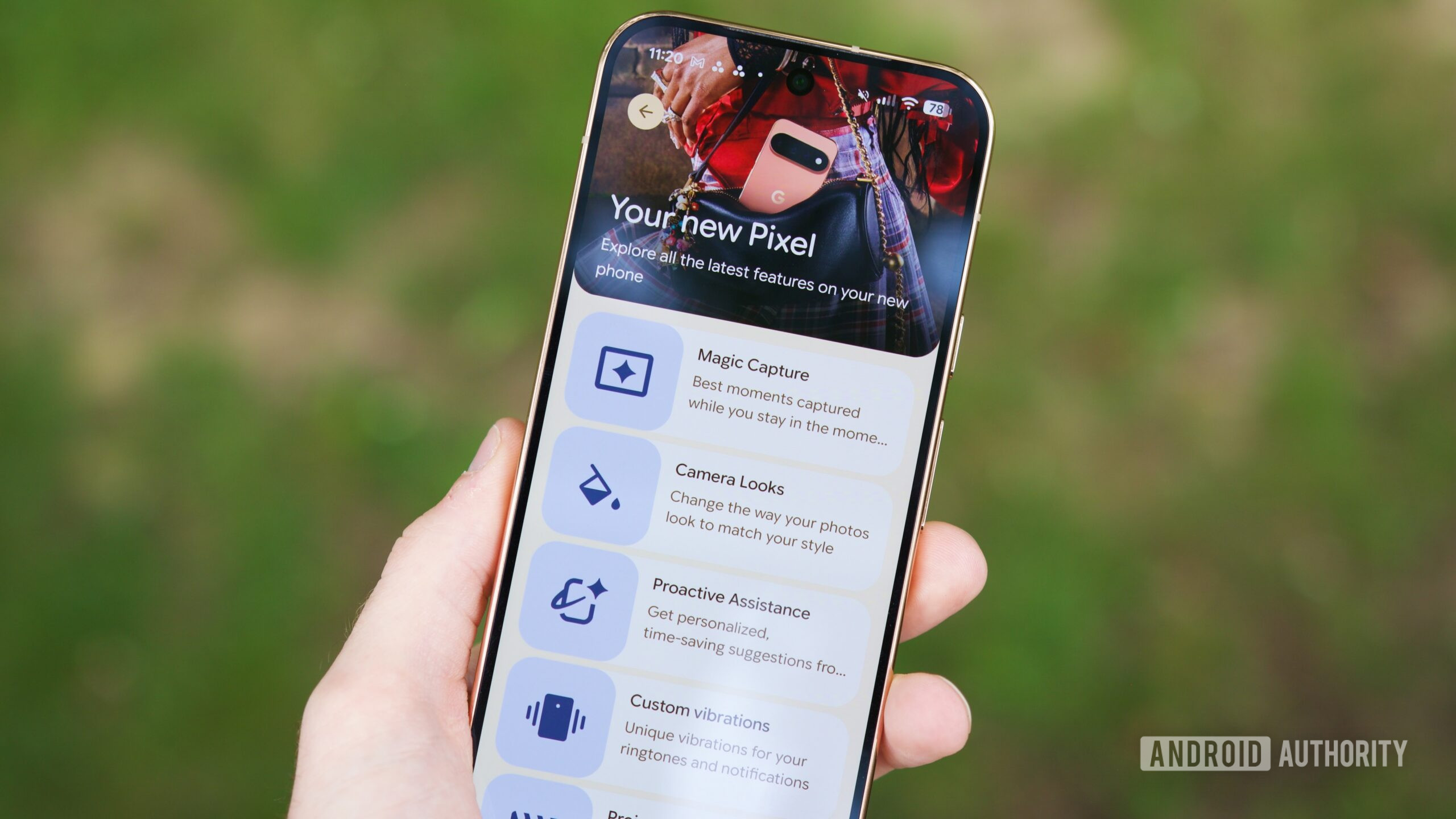
The timing and nature of these ads are particularly noteworthy. Reports indicate that these promotional notifications began appearing shortly after the Pixel 11 series became available for purchase. For some users, these ads manifested even after a factory reset of their device and without restoring a previous backup, implying that the "My Pixel" app, by default, is configured to deliver these promotions. This automatic opt-in for marketing messages, without prior consent or a clear user choice during setup, directly contradicts the expectation of an ad-free experience. The implicit nature of this advertising model, where users are opted-in by default, is a key point of contention, leading to a sense of surprise and disappointment among the Pixel community.
User Sentiment and Industry Precedents
The immediate reaction from the Pixel community has been a mix of surprise, disappointment, and a degree of concern. Many users feel that Google is starting down a "slippery slope," potentially sacrificing the brand’s unique selling proposition for increased hardware sales. The comparison to Samsung’s historical struggles with in-device advertising is frequently drawn, with users expressing dismay that Google, which had always positioned itself as superior in this regard, now appears to be adopting similar tactics. A recent informal poll conducted by Android Authority indicated that a significant portion of Pixel users believe "ads in our smartphones have gone too far," underscoring a broader dissatisfaction with increasing commercialization of personal devices.
Industry analysts suggest that Google’s move might be an attempt to leverage its direct channel to a loyal user base in an increasingly competitive smartphone market. With Apple continuing to dominate the premium segment and various Android OEMs vying for market share, direct-to-consumer marketing through pre-installed applications could be seen as a cost-effective strategy to drive upgrades. However, this strategy carries inherent risks. The goodwill and loyalty cultivated over years through a commitment to a pristine user experience could be quickly eroded if users perceive the brand as prioritizing commercial interests over their digital comfort.
Historically, the pushback against bloatware and ads has been strong. A 2023 consumer survey by Statista revealed that 68% of smartphone users in key markets cited "too many pre-installed apps" or "intrusive ads" as significant deterrents when considering a new phone purchase. This data suggests that while the temptation for direct marketing might be high for manufacturers, the potential for alienating core users remains a tangible threat. Google’s challenge will be to balance its commercial ambitions with the expectations of a user base accustomed to, and actively seeking, an uncompromised Android experience.
Regaining Control: A Step-by-Step Guide to Disabling Notifications
Fortunately, Google’s Android operating system provides granular control over application notifications, a feature that proves invaluable in managing the new promotional content from the "My Pixel" app. Android’s notification channels, now more commonly referred to as notification categories, were introduced nearly a decade ago and represent one of the platform’s most powerful features for user customization. This system allows users to categorize different types of notifications from a single app and toggle them on or off independently, ensuring that essential alerts are received while unwanted messages are suppressed.
For users wishing to block the product advertisements from the "My Pixel" app while retaining access to its beneficial features, the process is straightforward:
- Open Settings: Navigate to your phone’s main "Settings" application. This can usually be accessed by swiping down from the top of the screen to reveal the quick settings panel, then tapping the gear icon, or by finding the "Settings" app in your app drawer.
- Access Apps Section: Within "Settings," scroll down and tap on "Apps" or "Apps & notifications" (the exact wording may vary slightly depending on your Android version and Pixel model).
- Find "My Pixel": Tap "See all apps" (if applicable) and then scroll through the list to locate "My Pixel." Tap on it to open its app info page.
- Manage Notifications: On the "My Pixel" app info page, tap "Notifications."
- Identify Categories: Here, you will see a list of notification categories or channels managed by the app. These typically include "Features and tips," "Account and order updates," "Surveys and research," "Basket reminders," and critically, "New products and offers."
- Disable Advertisements: To stop receiving promotional ads, locate the category labeled "New products and offers" and tap the toggle switch next to it to turn it off.
Users can further customize their notification preferences by reviewing other categories. For instance, one might choose to keep "Features and tips" enabled to stay informed about new software capabilities or "Account and order updates" for tracking Google Store purchases, while disabling less critical notifications like "Surveys and research" or "Basket reminders." This level of control ensures that users can curate their digital experience to their precise preferences, maintaining the beneficial aspects of the "My Pixel" app without enduring unsolicited commercial messages.
Google’s Business Model and the Advertising Imperative
Google’s primary revenue stream has historically been advertising, a fact often cited when discussing any commercialization of its platforms or devices. While the Pixel line represents Google’s foray into first-party hardware, the underlying business imperative to drive revenue remains strong. In a market where profit margins on hardware can be tight, especially for a company not known for aggressive pricing, supplementary revenue streams or methods to encourage upgrades become increasingly attractive.

The introduction of ads in the "My Pixel" app can be viewed through this lens. By directly promoting its latest hardware to an existing base of loyal users, Google aims to streamline the upgrade cycle and capture more sales within its own ecosystem. This strategy is particularly pertinent as Google expands its hardware portfolio, which now includes not just smartphones but also Pixel Buds, Fitbit devices, and other smart home products. The "My Pixel" app could, in theory, become a centralized hub for promoting this entire range, transforming it from a mere utility into a potent marketing channel.
However, this commercial logic must be carefully weighed against the potential for user dissatisfaction. The "pure Android" experience has been a core tenet of the Pixel brand, differentiating it from an Android ecosystem often perceived as fragmented and heavily customized by various OEMs. Diluting this purity with unsolicited ads, even for Google’s own products, risks alienating the very users who chose Pixel precisely for its clean interface and Google-first approach. The challenge for Google lies in finding a balance that supports its commercial goals without compromising the fundamental user experience that has defined the Pixel brand.
Broader Implications for the Pixel Ecosystem
The decision to introduce advertisements via the "My Pixel" app carries broader implications for the Pixel ecosystem and Google’s standing in the smartphone market. Firstly, it could lead to a re-evaluation of the Pixel brand’s identity. If the line between Google’s "pure Android" and other OEM experiences becomes blurred by similar advertising practices, the unique value proposition of Pixel devices might diminish. This could make it harder for Google to attract and retain users who specifically seek an unblemished Android experience.
Secondly, it raises questions about user trust and privacy. While the current ads are for Google’s own products, the precedent of pushing unsolicited content through a system app could lead to concerns about future expansions, potentially including third-party advertisements or more pervasive in-app promotions. Such a scenario would undoubtedly trigger significant backlash and could lead to a decline in user loyalty.
Furthermore, this move might influence how other Android OEMs perceive Google’s commitment to a consistent Android experience. If Google itself starts to integrate more advertising into its first-party devices, it might inadvertently legitimize similar practices across the broader Android landscape, potentially leading to a more ad-saturated environment for all Android users.
The Future of "Pure Android": A Slippery Slope?
While the current implementation of ads in the "My Pixel" app is manageable through notification settings, the underlying concern among users and analysts is the potential for a "slippery slope." The fear is that this is merely the thin end of the wedge, and that Google, given its vast advertising business, might progressively integrate more pervasive and harder-to-disable advertisements across its hardware and software services. Questions have already begun to surface regarding the potential for Google’s advanced AI, such as Gemini, to eventually weave product promotions into conversational interactions, further blurring the lines between helpful assistance and commercial solicitation.
For now, the ability to disable these specific advertisements offers a reprieve for users who value an ad-free experience. However, the vigilance required to manage these settings underscores a shift in the user-Google relationship, moving from an implicit understanding of an ad-free Pixel to an active need for users to opt-out of promotions. The long-term success of the Pixel brand will hinge on Google’s ability to navigate this delicate balance, ensuring that its commercial aspirations do not irrevocably compromise the clean, user-centric experience that has been its most compelling asset. The coming years will reveal whether this initial foray into in-device advertising is an isolated strategic adjustment or the harbinger of a more commercially integrated future for the Google Pixel.