Google Pixel Tag’s Existence and Features Confirmed Ahead of Made By Google Event

With August rapidly approaching, the technology world’s gaze is turning towards Google’s next highly anticipated Made By Google product launch event. While the spotlight is largely expected to illuminate the forthcoming Pixel 11 series and the Pixel Watch 5, alongside a new colorway for the Pixel Buds Pro 2, a significant revelation has emerged regarding a previously hinted-at device: the "Pixel Tag." Earlier leaks pertaining to the Pixel 11 series had obliquely referenced support for a "Pixel Tag," sparking considerable speculation among tech enthusiasts and industry observers. Now, through diligent investigative reporting by 9to5Google, concrete details, including European product listings and the first photographic evidence, have unequivocally confirmed that Google is indeed preparing to launch its own dedicated smart tracker fob, set to integrate deeply with its expansive Find My Device network. This development signifies a strategic move by Google to solidify its hardware ecosystem and directly challenge established players in the burgeoning market for item trackers.
The Unveiling of Google’s Entry into Smart Tracking
The definitive confirmation of the Google Pixel Tag arrives via various European retail product listings, unearthed by 9to5Google. These listings, found on platforms such as Sharp.de, J-T-Vertrieb.de, and BigPartner.si, explicitly describe the device as a "Find My Device" tracker fob. This direct categorization dispels any lingering doubts about the Pixel Tag’s primary function. One particular listing even provided a hardware description detailing "a loud speaker for easy nearby search," a crucial feature for any effective item tracker, enabling users to audibly locate misplaced items within close proximity. Further details extracted from these listings include the model number GA12506 and references to "Fog Light," which is widely speculated to be the official branding for the device’s launch color, aligning with Google’s minimalist aesthetic often seen in its Pixel line. The accompanying image, the first to surface, depicts a compact, circular device with a distinctive grille towards the bottom, visually corroborating the presence of an integrated speaker. This design suggests a form factor suitable for attaching to keychains, bags, or other personal belongings, much like its competitors. The immediate implications of these discoveries are profound, positioning Google to enter a mature yet still expanding market segment, leveraging its vast Android ecosystem to offer a compelling alternative to existing solutions.
A Chronology of Google’s Find My Device Evolution and the Path to Pixel Tag
The journey towards a Google-branded item tracker has been a gradual, evolutionary process, deeply intertwined with the development of its "Find My Device" network. For years, Android users have relied on the Find My Device service to locate lost or stolen Android smartphones, tablets, and even certain Bluetooth accessories like earbuds. This service functions by leveraging the last known location of a device, often relying on GPS and Wi-Fi data, and allowing users to remotely lock, erase, or ring their devices. However, a significant gap persisted: the inability to track non-smart items such as keys, wallets, or luggage with a dedicated, network-powered tracker.
The concept of network-based item tracking gained mainstream prominence with the advent of Tile in 2012, which pioneered Bluetooth-based trackers relying on a crowd-sourced network of app users. Apple dramatically elevated this market segment with the introduction of AirTag in April 2021. AirTag seamlessly integrated with Apple’s vast Find My network, utilizing hundreds of millions of Apple devices worldwide to anonymously detect and report the location of lost items. This move demonstrated the immense potential of a first-party, deeply integrated tracking solution within a major mobile ecosystem. Samsung followed suit with its SmartTag series, leveraging its Galaxy Find Network.
Google’s response began to take more concrete shape with the overhaul of its Find My Device network. In April 2023, Google announced a significant expansion, transforming it into a global, crowdsourced network similar to Apple’s, powered by the billions of active Android devices worldwide. This new network was designed to locate devices even when they are offline, a critical feature for effective item tracking. The rollout of this enhanced network was initially delayed, partly due to collaboration with Apple on a cross-platform industry specification for unwanted tracking alerts, ensuring user privacy and safety. This specification, finalized in May 2023, aims to standardize how unwanted tracking alerts are handled across Android and iOS, making it more difficult for individuals to be tracked without their knowledge. The full launch of Google’s updated Find My Device network, which includes support for third-party Bluetooth trackers from companies like Chipolo and Pebblebee, finally commenced in April 2024. This established the foundational infrastructure for Google to introduce its own first-party tracker, making the Pixel Tag a logical and much-anticipated next step in the chronology of Google’s hardware and software strategy.
The Competitive Landscape: Contextualizing Google’s Entry
Google’s foray into the smart tracker market is not happening in a vacuum; it’s entering a well-established and increasingly competitive arena. The market is currently dominated by a few key players, each with their unique strengths and ecosystem integrations.
Tile: As the pioneer, Tile established the category and built a loyal user base. Its strength lies in its long-standing presence and wide range of form factors. However, its network, while robust, is reliant on its own app users, which is smaller than the networks powered by major smartphone ecosystems.
Apple AirTag: Launched in 2021, the AirTag quickly became the benchmark for smart trackers. Its seamless integration with Apple’s "Find My" network, powered by hundreds of millions of iPhones, iPads, and Macs globally, offers unparalleled location accuracy and reach, especially in urban environments. The AirTag also boasts Ultra-Wideband (UWB) technology for precision finding, guiding users directly to their item with directional arrows and haptic feedback. Its replaceable coin-cell battery offers a year of life, a significant convenience.
Samsung SmartTag Series: Samsung introduced its SmartTag and SmartTag+ trackers to complement its Galaxy ecosystem. These trackers utilize Bluetooth Low Energy (BLE) and, in the case of SmartTag+, UWB for more precise location. They leverage the extensive Galaxy Find Network, powered by Samsung Galaxy devices, providing a robust tracking solution for Samsung users. Samsung is already preparing to introduce its third-generation SmartTag, indicating continuous innovation in this space.
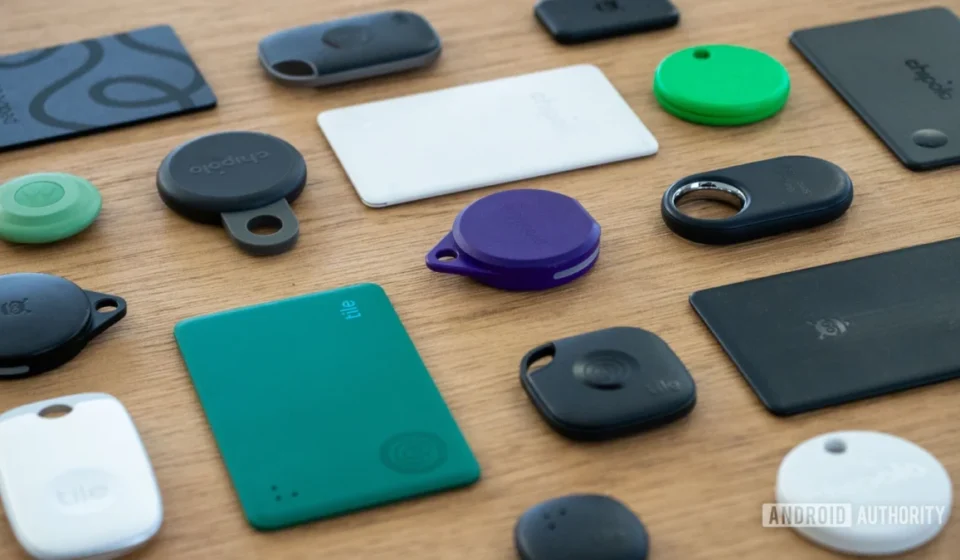
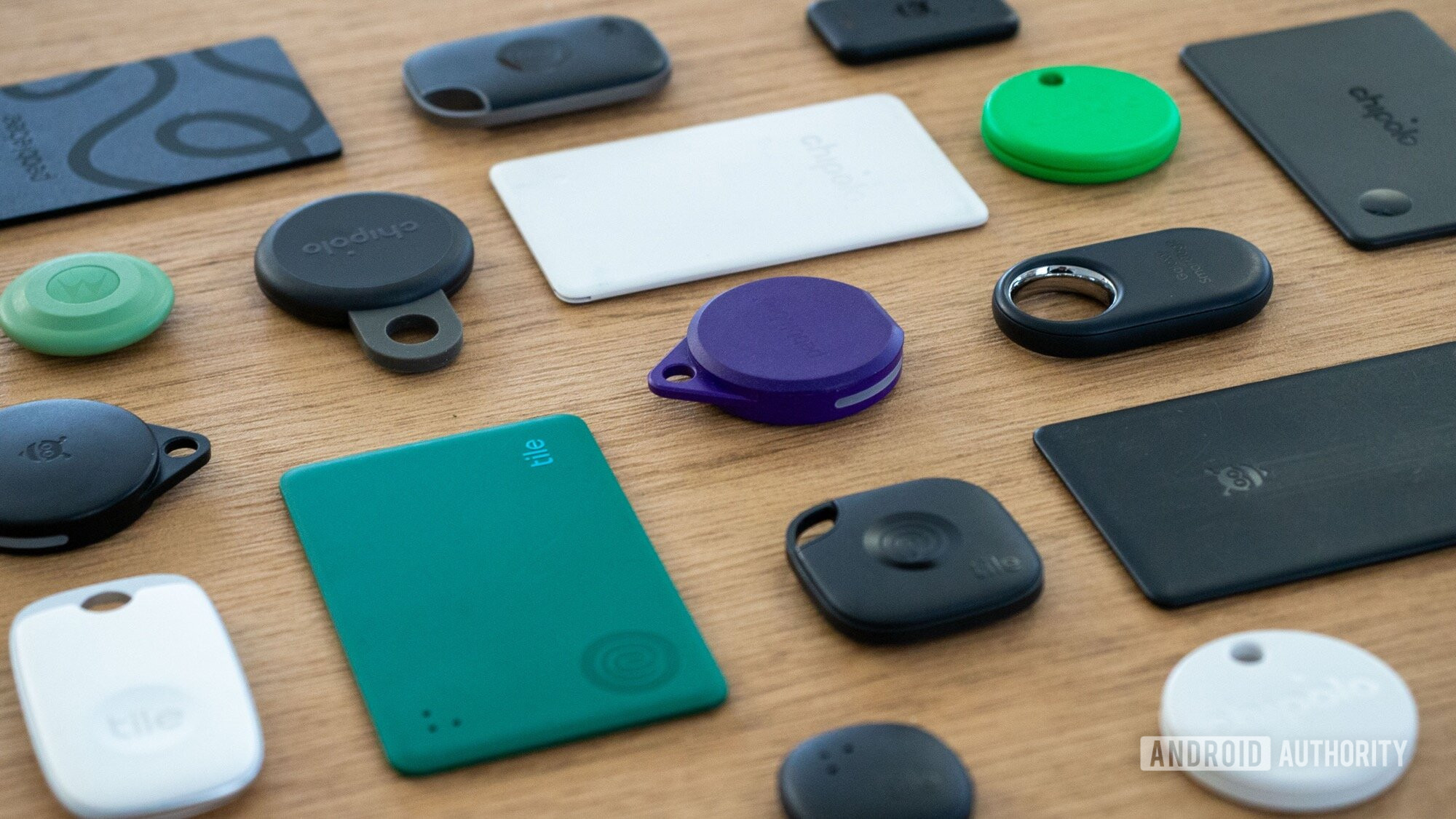
Third-Party Android Trackers (Chipolo, Pebblebee, Motorola, Eufy, etc.): With the recent rollout of Google’s expanded Find My Device network, several third-party manufacturers have begun releasing trackers compatible with this network. Brands like Chipolo and Pebblebee have been prominent, offering trackers that leverage the vast Android device network. Motorola has also indicated plans for a compatible tracker. This signifies Google’s strategy to not only offer its own solution but also to foster an open ecosystem for other manufacturers, potentially broadening consumer choice and market penetration.
The global market for smart trackers is projected to grow significantly in the coming years, driven by increasing adoption of smart home devices, growing concerns over loss of personal belongings, and the convenience offered by these technologies. Google’s entry with the Pixel Tag is set to intensify this competition, potentially driving further innovation in features, battery life, and pricing across the board. Its direct integration with the Android ecosystem, similar to Apple’s AirTag within iOS, gives it an immediate and substantial advantage over independent third-party trackers.
Critical Questions Remaining: UWB, Power, and Pricing Strategy
While the existence and basic function of the Pixel Tag are now confirmed, several crucial details remain under wraps, fueling further speculation and anticipation ahead of the official launch. These unanswered questions are vital to understanding the Pixel Tag’s competitive positioning and value proposition.
Ultra-Wideband (UWB) Support: One of the most significant features differentiating premium trackers like Apple’s AirTag and Samsung’s SmartTag+ is Ultra-Wideband (UWB) technology. UWB enables highly precise "precision finding," allowing users to be guided directly to their lost item with directional cues and augmented reality interfaces, even indoors or in cluttered environments. Many Pixel phones, including the Pixel 6 Pro, Pixel 7 Pro, and Pixel 8 Pro, already incorporate UWB chips. The absence of direct evidence for UWB support in the leaked Pixel Tag specifications is noteworthy. If Google opts to omit UWB, it could position the Pixel Tag as a more budget-friendly option, but it would also sacrifice a key precision finding feature that many consumers now expect. Including UWB would significantly enhance its utility, especially for finding items hidden under cushions or in tight spaces, aligning it more closely with premium offerings.
Power Source and Battery Life: The method of powering the Pixel Tag is another critical consideration. The two primary approaches in the market are replaceable, disposable batteries (typically coin-cell batteries like CR2032, offering about a year of life, as seen in AirTag and many Tile models) or integrated rechargeable batteries. Each has its pros and cons. Replaceable batteries offer convenience and longevity without frequent recharging, but contribute to electronic waste. Rechargeable batteries are more environmentally friendly in the long run but require users to periodically remember to charge yet another device. Given Google’s broader commitment to sustainability, an integrated rechargeable battery could be a strategic choice, potentially aligning with future EU regulations regarding battery replaceability. However, the convenience of a year-long, maintenance-free battery life often sways consumer preference for trackers.
Pricing and Availability: Pricing will be a major determinant of the Pixel Tag’s success. Apple’s AirTag retails for $29 individually or $99 for a pack of four. Samsung’s SmartTag series is similarly priced. Google has the flexibility to position the Pixel Tag competitively. Will it aim for a premium price point, leveraging its brand and deep ecosystem integration, or will it target a more aggressive, accessible price to drive wider adoption within the Android user base? The possibility of multi-packs, offering a slight discount per unit, is highly likely, as is the potential for bundle deals with new Pixel 11 smartphones or other Pixel devices. Such bundles could entice users to fully embrace the Google ecosystem. The August 12 Made By Google event is expected to reveal these crucial pricing and availability details, along with the official launch regions.
Broader Implications and Google’s Ecosystem Strategy
The launch of the Pixel Tag carries significant implications for Google’s overarching hardware strategy and the broader Android ecosystem.
Strengthening the "Made By Google" Ecosystem: A first-party tracker completes a critical missing piece in Google’s hardware portfolio. It allows Google to offer a seamless, end-to-end experience for finding lost items, from phones and watches to earbuds and now, everyday objects. This move enhances the cohesiveness and appeal of the "Made By Google" brand, making it a more comprehensive and attractive alternative to Apple’s integrated ecosystem. It signals Google’s continued commitment to hardware innovation and its desire to exert greater control over the user experience.
Leveraging the Android Network Effect: The Pixel Tag will tap into the immense power of the global Android Find My Device network, which comprises billions of active Android devices. This unparalleled scale provides a potentially superior tracking capability in terms of reach and density compared to any third-party network. Google’s ability to leverage this massive user base for anonymous, secure location reporting gives the Pixel Tag a foundational advantage that few competitors can match.
Enhancing User Convenience and Peace of Mind: For the average Android user, the Pixel Tag promises unparalleled convenience. Losing keys, a wallet, or even a pet can be a source of significant stress. A reliable, deeply integrated tracker offers peace of mind and simplifies the process of recovery, saving time and potential replacement costs. This directly translates to an improved user experience within the Android ecosystem.
Driving Innovation and Competition: Google’s entry into the smart tracker market is likely to spur further innovation across the industry. Competitors will be compelled to enhance their features, improve accuracy, extend battery life, and potentially adjust pricing to remain competitive. This healthy competition ultimately benefits consumers through better products and more choices.
Privacy and Security at the Forefront: Given the past concerns surrounding unwanted tracking with Bluetooth devices, Google is expected to integrate robust privacy and security features from the outset. Its collaboration with Apple on a cross-platform standard for unwanted tracking alerts ensures that the Pixel Tag will likely adhere to the highest industry standards, alerting users if an unknown Pixel Tag is detected traveling with them over time. This proactive approach to privacy will be crucial for building user trust and ensuring responsible technology use.
Integration with Google Assistant and Services: Looking beyond basic tracking, the Pixel Tag could open doors for deeper integration with Google Assistant and other Google services. Imagine asking Google Assistant, "Hey Google, where are my keys?" and receiving a precise location or having the tag ring automatically. Future iterations could integrate with Google Maps for navigation to lost items or even provide smart alerts based on user routines (e.g., "You’re leaving home without your wallet"). These smart integrations would further differentiate the Pixel Tag and enhance its utility.
As the Made By Google event on August 12 draws near, the excitement surrounding the Pixel Tag is palpable. With its official confirmation and the first glimpse of its design, Google is poised to make a significant splash in the smart tracker market. While key details regarding UWB capabilities, battery technology, and precise pricing remain to be unveiled, the Pixel Tag represents a strategic and necessary addition to Google’s hardware ecosystem, promising to deliver enhanced convenience and peace of mind to millions of Android users worldwide. The stage is set for Google to complete its vision of a fully integrated, intelligent hardware experience, solidifying its position as a comprehensive tech giant.