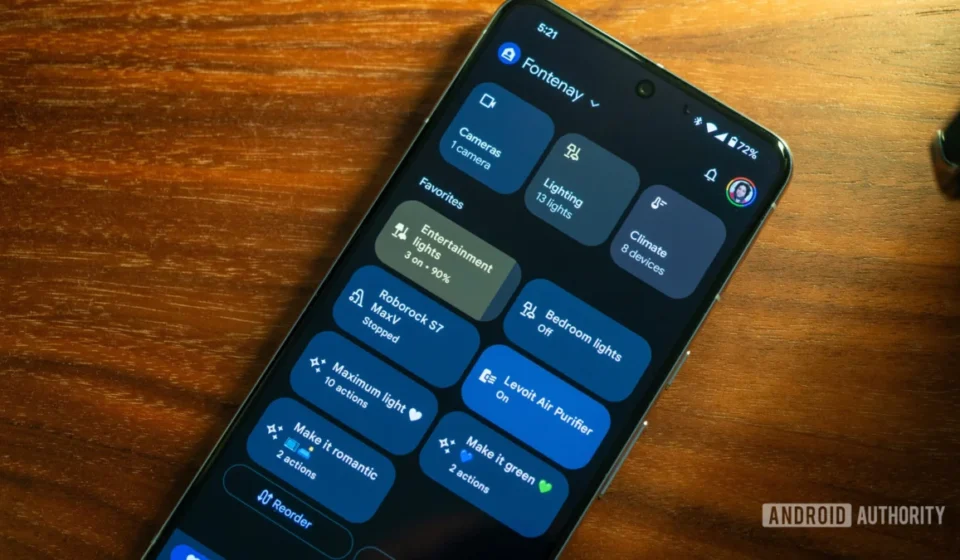
Google Unveils Extensive Wave of Updates for Home Hardware, App, and Gemini, Aiming for Enhanced Reliability and User Experience

Google has released a substantial series of updates impacting its Home smart home hardware, the Google Home application, and the underlying Gemini AI assistant. This comprehensive rollout, detailed in a recent changelog, addresses a wide array of user feedback and technical issues, signaling a renewed commitment to refining the reliability, responsiveness, and overall user experience within its smart home ecosystem. The changes span critical areas such as voice command accuracy, media playback control, alarm functionality, Matter device integration, and smart camera performance, alongside a host of general bug fixes and user interface improvements. This development comes as the smart home market continues its rapid expansion, with consumers increasingly demanding seamless, intuitive, and robust control over their connected environments.
The Evolving Landscape of Google’s Smart Home Ecosystem
For many long-term users, Google’s smart home platform has often been characterized by a perpetual state of evolution, sometimes perceived as flux. Since its inception with the original Google Home speaker in 2016, the system has grown exponentially, integrating Nest devices, expanding into smart displays, and continuously adding support for a proliferating array of third-party hardware. This dynamic growth, while fostering innovation, has also occasionally led to inconsistencies and user frustrations. Google’s strategy has consistently involved iterative development, pushing frequent updates to address emerging challenges and integrate new technologies. The current wave of updates is emblematic of this approach, reflecting an ongoing effort to mature the platform and solidify its position in a highly competitive market.
The global smart home market is projected to reach over $150 billion by 2028, with voice assistants playing a pivotal role in user interaction. Google Assistant, now increasingly underpinned by the Gemini AI model, holds a significant share of this interaction space. However, user satisfaction hinges not just on feature breadth but on foundational reliability. Past issues, such as inconsistent device responses, unexpected behaviors, and integration hiccups, have sometimes hampered user trust. These latest updates appear to directly confront such pain points, suggesting a concerted effort by Google to enhance the core stability and predictability of its smart home offerings. The sheer volume and specificity of the fixes indicate a responsive development cycle, likely driven by extensive user data and direct feedback channels.
Enhancing Core Intelligence: Gemini’s Refinements and Assistant’s Precision
A significant focus of the recent updates centers on improving the conversational capabilities of Google’s AI, specifically addressing common frustrations related to understanding and responsiveness. One of the most frequently cited issues by users was devices unexpectedly blurting out "sorry, I didn’t understand" even when no command was issued or when a command was seemingly clear. This particular bug, which undermined the seamlessness of voice interaction, has now been targeted for correction. The fix aims to reduce these erroneous responses, thereby fostering a more natural and less intrusive user experience.
This improvement is particularly pertinent in the context of Google’s broader strategic shift towards Gemini, its next-generation AI model designed for multimodal reasoning. While the specific fixes might pertain to the Google Assistant’s current implementation, they align with the overarching goal of making Google’s AI more intuitive, contextually aware, and less prone to misinterpretation. The ambition for Gemini in the smart home is to move beyond simple command recognition to more complex, conversational interactions, understanding nuance, and predicting user needs. Eliminating basic communication errors is a foundational step in achieving this vision. For users, a more reliable voice assistant translates directly into a more efficient and less frustrating smart home, encouraging greater adoption and dependence on voice controls for daily tasks. The implications extend to user trust; if the assistant frequently misunderstands or responds inappropriately, users are less likely to integrate it deeply into their routines. By refining these core interactions, Google is reinforcing the intelligent foundation of its smart home ecosystem.
Streamlining Media and Entertainment Control
Media playback is a cornerstone of the smart home experience, and Google’s updates include several critical improvements in this domain. Users often rely on voice commands to manage music, podcasts, and video across various devices and rooms. The changelog details smarter responses to requests for moving music playback from one room to another, a feature essential for multi-room audio setups. Previously, users might have encountered inconsistencies or failures when attempting to seamlessly transition audio, disrupting their listening experience. The enhancement suggests a more robust understanding of device groups and playback states.
Furthermore, fixes have been implemented for instances where devices misunderstood commands to change volume levels. This seemingly minor issue can be a major source of annoyance, leading to either excessively loud or inaudible playback. Precision in volume control is fundamental to a pleasant auditory experience, and addressing these misunderstandings contributes significantly to user satisfaction. For YouTube TV subscribers, the updates promise better functionality for voice commands when viewing content on smart displays. Smart displays like the Nest Hub are increasingly central to many households for entertainment, news, and communication. Ensuring that voice controls for streaming services like YouTube TV operate flawlessly is crucial for these devices to live up to their potential as integrated media hubs. These media-related upgrades collectively aim to provide a smoother, more reliable entertainment experience, reinforcing the convenience that a truly smart home should offer. In a market where content consumption is paramount, Google’s ability to offer seamless, voice-controlled media management is a key differentiator.
Reliability Reimagined: Alarms, Timers, and Critical Functions
The reliability of smart home devices for critical functions like alarms and timers is non-negotiable. Google’s latest updates address two particularly concerning issues in this area. One significant fix targets a bug that would incorrectly set alarm volume to zero on smart home devices. This issue parallels a recent widely reported problem where Pixel phone users experienced missed alarms due to similar volume settings. For a smart home device, particularly a smart speaker or display often used as a bedside alarm, such a malfunction can have serious real-world consequences, from missed appointments to disruptions in daily routines. Rectifying this bug is paramount for user trust and the fundamental utility of these devices. It underscores the critical need for robust quality assurance in software updates, especially for features directly impacting users’ daily lives.
Additionally, Google is working to resolve a problem where devices would confuse regular timers with sleep timers for media playback. While less critical than a zero-volume alarm, this confusion could lead to media continuing to play unexpectedly or stopping prematurely, disrupting relaxation or sleep patterns. The distinction between these timer types is crucial for accurate device behavior. These fixes highlight Google’s recognition of the absolute necessity for its smart home devices to perform reliably, particularly when handling functions that users depend on daily. The implications of these fixes extend beyond mere convenience; they speak to the core promise of smart technology to simplify and enhance, rather than complicate, daily life. When a smart device fails at a basic function like an alarm, it erodes confidence in the entire ecosystem. Addressing these issues directly helps rebuild that trust.
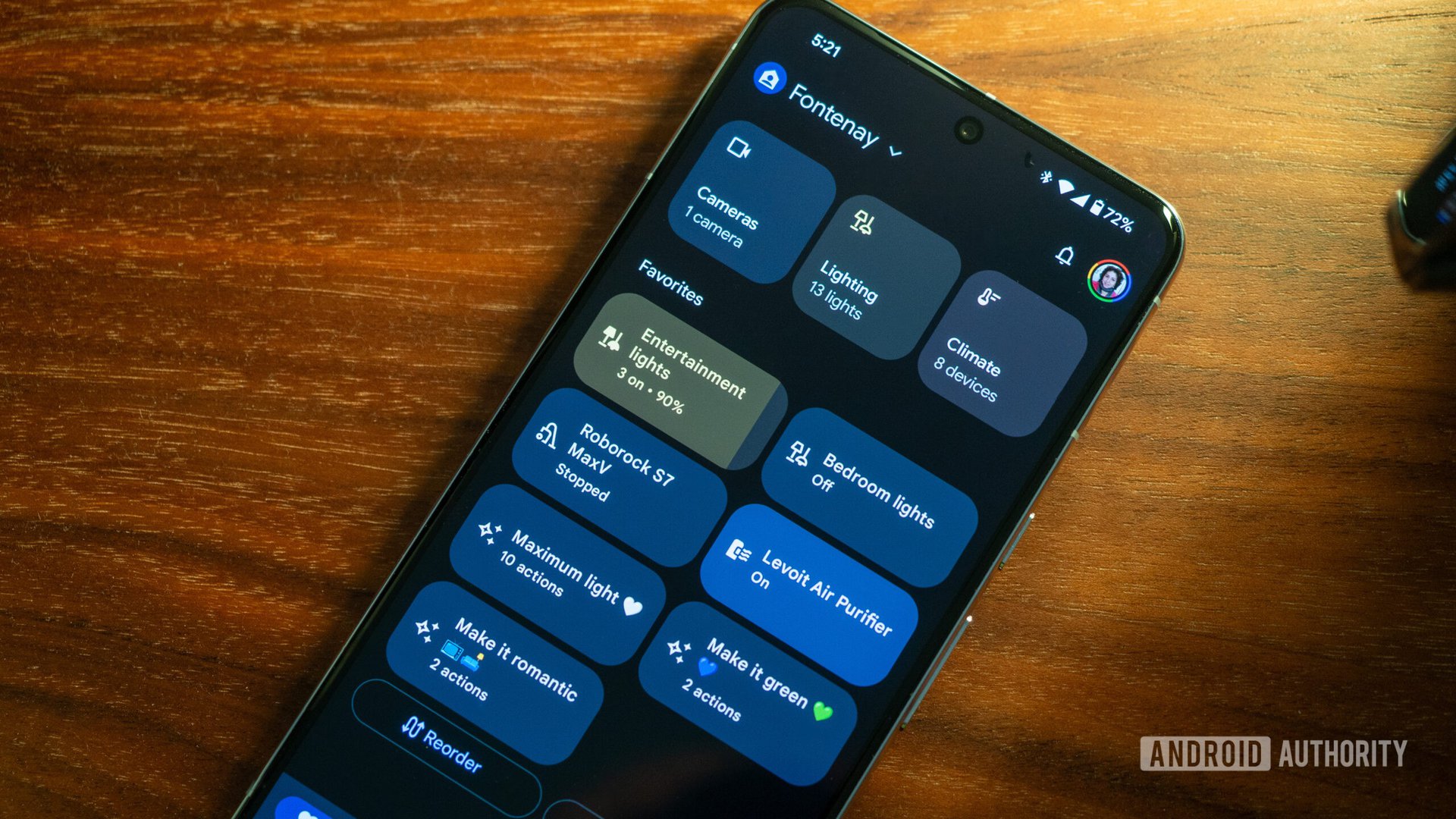
Matter Standard Integration: A Leap Towards Interoperability
The smart home industry has long grappled with fragmentation, with myriad protocols and ecosystems making seamless interoperability a challenge. The Matter standard, a unified, open-source connectivity protocol, was introduced to address this very issue, aiming to create a more harmonious and accessible smart home. Google has been a key proponent and developer of Matter, and the latest updates demonstrate continued progress in its integration.
A notable enhancement is the ability for compatible Matter smart plugs to now share both real-time and cumulative power consumption data with the Google Home app. This is a significant step towards enabling more granular energy monitoring and management within the smart home. Users can now gain insights into how much energy specific appliances are consuming, potentially leading to more informed decisions about energy conservation and cost savings. This feature leverages Matter’s capability to standardize data reporting across different device manufacturers, providing a unified view of energy usage that was previously difficult to achieve without proprietary solutions.
Furthermore, Google Home is improving its ability to differentiate between various types of doors and windows when displaying icons for related Matter devices. In a complex smart home with multiple entry points and window types, having generic icons can be confusing. By providing more specific visual representations, the app enhances usability and allows users to quickly identify and understand the status of their connected devices. This improvement reflects the growing sophistication of Matter integration, moving beyond basic connectivity to provide a richer, more informative user interface. The broader impact of these Matter-related updates is substantial. They not only improve the functionality for current Matter device owners but also signal Google’s strong commitment to the standard. This commitment encourages wider adoption of Matter by both manufacturers and consumers, paving the way for a truly interoperable smart home where devices from different brands can communicate and work together seamlessly. For consumers, this means greater choice, easier setup, and a more robust smart home experience, free from the previous constraints of ecosystem lock-in.
Refining the Smart Camera Experience
Smart cameras play a vital role in home security and monitoring, and their performance within the Google Home app is crucial. The latest updates bring targeted improvements to the smart camera experience, addressing both platform-specific performance issues and core AI detection capabilities. For iOS users, Google has resolved certain performance issues encountered when scrolling through camera feeds or timelines. Smooth navigation is essential for quickly reviewing events and ensuring comprehensive surveillance. Similarly, for users of Android foldables, fixes have been implemented to optimize the camera experience when opening or closing these devices. As foldable phones become more prevalent, ensuring that applications adapt seamlessly to screen transitions and form factors is increasingly important for maintaining a premium user experience.
Beyond app performance, the updates also include enhancements to Familiar Face detection for the wired Nest Doorbell. Familiar Face detection, an AI-powered feature, helps users distinguish between known visitors and strangers, providing more contextually relevant alerts. Improving the accuracy and reliability of this feature enhances both convenience and security. For instance, a homeowner might receive a notification that "Mom is at the door" rather than just "person detected," allowing for quicker and more informed responses. These camera-specific improvements underscore the importance of robust hardware-software integration. In a security-conscious world, the performance and reliability of smart cameras are paramount. By refining both the application interface and the underlying AI detection, Google is working to ensure its Nest cameras continue to offer a leading-edge home monitoring solution, providing users with peace of mind and efficient control over their home security.
A Plethora of General Bug Fixes and UI Enhancements
Beyond these major categories, the comprehensive changelog reveals a "heaps upon heaps" of general bug fixes and user interface cleanups. These seemingly minor adjustments often have a significant cumulative effect on overall user satisfaction and system stability. Issues addressed include glitches related to device rotation, handling of exceptionally long home names, accurate display of online status for devices, and various UI inconsistencies. For instance, a device failing to correctly rotate its display when the physical orientation changes can be a constant irritant. Similarly, an app struggling to display long home names correctly might seem trivial, but it speaks to a lack of polish that detracts from the professional feel of the application.
These broad improvements demonstrate Google’s ongoing commitment to refining the finer details of the Google Home experience. They indicate a development process that is not just focused on new features but also on meticulous debugging and user interface optimization. In the competitive smart home landscape, where numerous apps vie for user attention, a clean, stable, and predictable interface can be a major differentiator. These general fixes contribute to a more robust and enjoyable user journey, reducing friction and making the overall smart home management more intuitive and reliable. The continuous nature of these updates suggests a proactive approach to identifying and rectifying issues, ensuring the platform evolves not just in capability but also in fundamental stability.
The Road Ahead: Google’s Smart Home Future
The extensive nature of these updates reaffirms Google’s strategic investment in its smart home ecosystem. In a market witnessing fierce competition from Amazon’s Alexa, Apple’s HomeKit, and a myriad of independent smart device manufacturers, maintaining a leading edge requires continuous innovation, robust reliability, and a strong commitment to user experience. These updates position Google to better compete by addressing long-standing user grievances and enhancing key functionalities.
The integration of Gemini, the embrace of Matter, and the dedicated focus on reliability for core functions like alarms indicate a clear direction: a more intelligent, interoperable, and dependable smart home experience. Google’s strategy appears to be one of consolidation and refinement, aiming to create a seamless environment where devices just "work" without constant troubleshooting. User feedback remains a critical driver for these developments, and the detailed changelog serves as a testament to Google’s responsiveness. As the smart home continues to evolve, the ability to adapt, fix, and integrate new technologies will be paramount. These recent updates suggest that Google is well-positioned to navigate this complex landscape, offering users a more robust and sophisticated platform for managing their connected lives. The continuous cycle of improvement is not just about fixing what’s broken but about anticipating future needs and building a resilient foundation for the smart home of tomorrow.