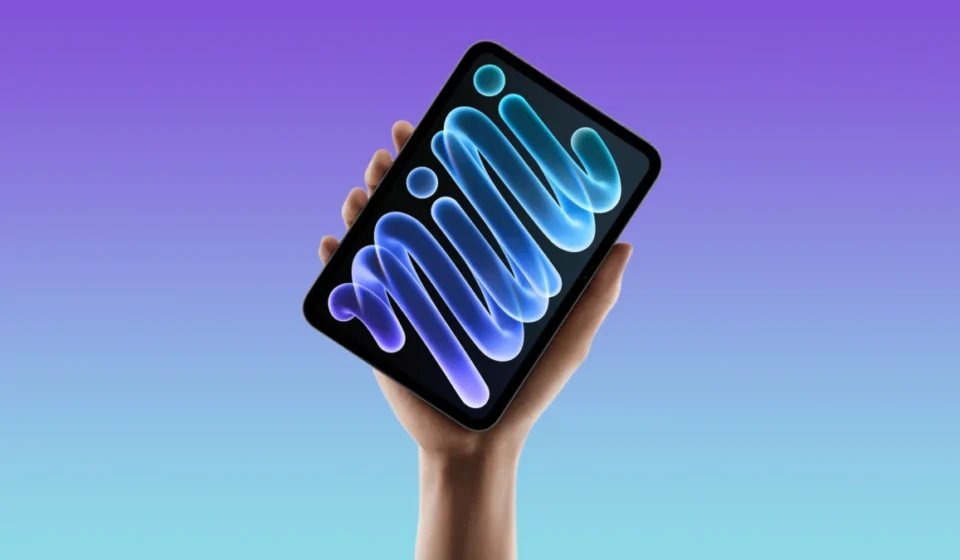
Apple Executive Explains iPad Mini’s Absence of 120Hz ProMotion Display Technology

While the recently unveiled iPad mini has embraced the cutting-edge technology of an OLED display, a notable omission for this compact tablet is the absence of ProMotion, Apple’s adaptive refresh rate technology. This means the display’s refresh rate remains capped at 60Hz, a standard rate, rather than the smoother, more fluid 120Hz offered by higher-end iPad Pro models. This decision has sparked discussion among tech enthusiasts and industry observers, prompting Apple to offer further clarification.
OLED’s Advantages and ProMotion’s Exclusivity
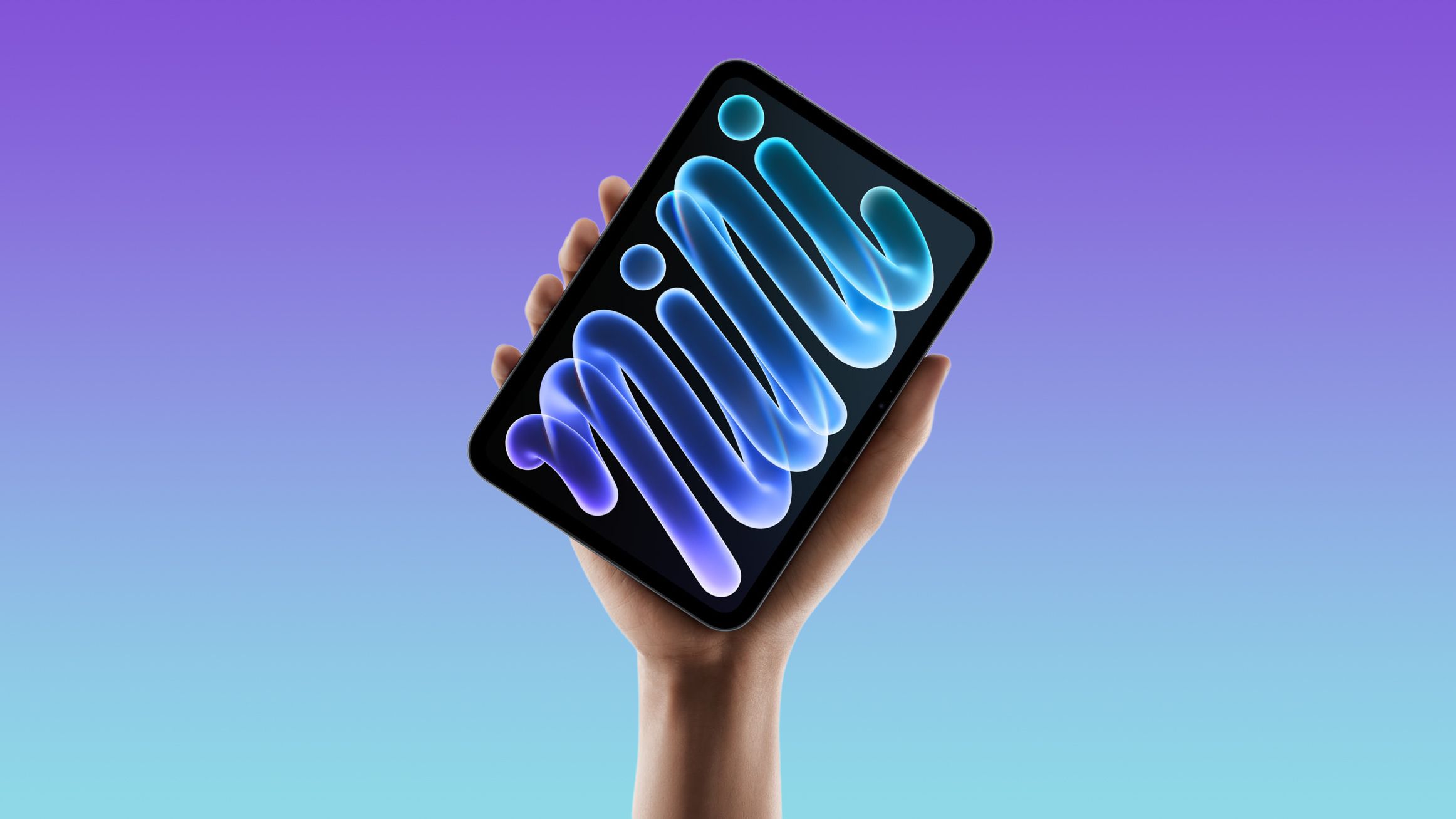
The new iPad mini’s adoption of an OLED display marks a significant upgrade, promising enhanced visual fidelity. OLED technology inherently offers superior contrast ratios, deeper blacks, and more vibrant colors compared to traditional LCD panels, primarily due to its ability to illuminate individual pixels independently. This eliminates the need for a backlight, allowing pixels to switch off completely for true black. Apple has stated that the new iPad mini achieves a maximum brightness of 600 nits for standard content, an increase from the 500 nits of its predecessor, and can reach up to 1,200 nits for HDR content. The device boasts a 2,000,000:1 contrast ratio, further emphasizing the visual depth and realism of its display. Pixel density remains at a sharp 326 pixels per inch, with support for P3 wide color, ensuring a rich and detailed viewing experience.
However, the absence of ProMotion, which would allow the refresh rate to dynamically adjust between 10Hz and 120Hz based on the content being viewed, has been a point of contention. ProMotion technology is designed to optimize battery life by lowering the refresh rate during static content viewing and ramp it up for smoother scrolling, gaming, and animation. Its exclusion from the iPad mini suggests a strategic decision by Apple to differentiate its product tiers, reserving this advanced display feature for its premium iPad Pro lineup.
Apple’s Rationale: Beyond a Single Specification
In a candid interview with prominent YouTuber and podcaster Christopher Lawley, David Pakula, Apple’s vice president of hardware design, addressed the iPad mini’s lack of 120Hz ProMotion support. Pakula emphasized that the overall display experience is a multifaceted outcome, extending beyond a singular technical specification. He highlighted the inherent advantages of OLED technology itself, particularly its remarkably fast pixel response times.
"Display experience is about more than just a single spec," Pakula stated. "One of the things that’s really cool about OLED is it actually has this really fast pixel response time. So it’s like more than an order of magnitude faster than the pixel response time for an LCD display. And what that does is, it makes everything really smooth. Motion blur is significantly reduced compared to LCD. When you pair that with the other things that I mentioned, the contrast, the brightness, and the color, this is just a killer display."
Pakula’s remarks suggest that while the 120Hz refresh rate of ProMotion is a desirable feature, the rapid pixel response inherent in OLED technology contributes significantly to perceived smoothness and reduced motion blur. This suggests that Apple believes the combination of OLED’s fast response times and its other visual enhancements sufficiently compensates for the absence of ProMotion in the iPad mini, providing a compelling user experience.
A Strategic Product Tiering Approach
The decision to withhold ProMotion from the iPad mini aligns with Apple’s long-standing strategy of segmenting its product lines to cater to different user needs and price points. The iPad Pro, positioned as Apple’s flagship tablet for professionals and power users, consistently receives the most advanced display and performance technologies. The inclusion of ProMotion on iPad Pro models has been a key differentiator, enhancing productivity for tasks like digital art, video editing, and complex design work where fluid motion and responsiveness are paramount.
By limiting ProMotion to the iPad Pro, Apple not only creates a clear value proposition for its premium devices but also manages development and manufacturing costs. Implementing ProMotion technology alongside an OLED panel adds complexity and expense. For a device like the iPad mini, which is often marketed towards a broader consumer base and for more general-purpose tasks such as media consumption, browsing, and light productivity, a 60Hz refresh rate may be deemed sufficient by Apple to meet market expectations and price targets.
The Evolution of the iPad Mini and Market Context
The iPad mini has historically occupied a unique niche in Apple’s tablet ecosystem, offering a compact and portable form factor. The current generation, launched with an 8.5-inch OLED display and powered by the A20 Pro chip, represents a significant technological leap from previous iterations. This update follows a period of anticipation, with reports circulating earlier in the year suggesting an OLED iPad mini was imminent. For instance, a report from October 8, 2026, indicated that Apple was preparing to launch OLED touchscreen MacBook Pro models and an OLED iPad mini around October 27th. Further confirmation came on October 15, 2026, when Apple began inviting media to an "experience" on October 28th, hinting at the unveiling of new touchscreen MacBooks, an iPad mini, and M6-equipped Macs.
The new iPad mini is now available for pre-order, with pricing in the U.S. starting at $699. The official launch date is set for Friday, November 6, 2026. This pricing positions the iPad mini as a mid-tier option within Apple’s tablet lineup, sitting below the iPad Air and significantly below the iPad Pro models. The inclusion of an OLED display at this price point is a substantial upgrade, offering a premium visual experience that was previously exclusive to the most expensive iPads.
Broader Implications and Consumer Reception
The market’s reception to the iPad mini’s feature set will be a crucial indicator of Apple’s strategic decisions. While some users may lament the absence of ProMotion, others may find the superior contrast, deeper blacks, and enhanced color accuracy of the OLED display to be a more significant upgrade. The reduction in motion blur, as highlighted by Pakula, is also a key benefit of OLED technology that contributes to a smoother visual experience, even at 60Hz.
For users who prioritize portability and a premium display for media consumption and everyday tasks, the new iPad mini, with its OLED screen, is likely to be a compelling option. However, for professionals or avid gamers who demand the absolute smoothest motion and responsiveness, the iPad Pro models will continue to be the preferred choice. This tiered approach allows Apple to maximize its market reach, offering a range of devices that cater to diverse needs and budgets, while simultaneously driving innovation and maintaining clear differentiation between its product lines. The success of the new iPad mini will ultimately depend on how effectively its advanced OLED display, combined with its compact form factor and the performance of the A20 Pro chip, resonates with consumers in the competitive tablet market. The discussion around ProMotion serves as a reminder that the "best" display technology is often subjective and dependent on individual priorities and use cases.