Guardians of the Galaxy Delivers Cosmic Fun on Nintendo Switch 2, Despite Minor Performance Stumbles

Despite a couple of performance hiccups, Guardians of the Galaxy is a fun title on Nintendo Switch 2, allowing more players to experience one of the better non-Spider-Man games that we’ve had in recent years.
The highly anticipated native port of Marvel’s Guardians of the Galaxy has landed on the Nintendo Switch 2, offering a fresh opportunity for players on Nintendo’s latest console to join Star-Lord and his ragtag crew on an intergalactic adventure. This release, brought to the platform by Square Enix, arrives five years after the game’s initial debut, providing a chance for a new audience to engage with what many consider one of the standout Marvel video game adaptations of the past decade, particularly when compared to other superhero offerings that have not featured the web-slinging hero. This review will primarily focus on the performance and overall experience of the Nintendo Switch 2 version, acknowledging that the narrative and core gameplay elements are already well-established for those who may have played it on other platforms.
A Familiar Cosmic Journey Reimagined
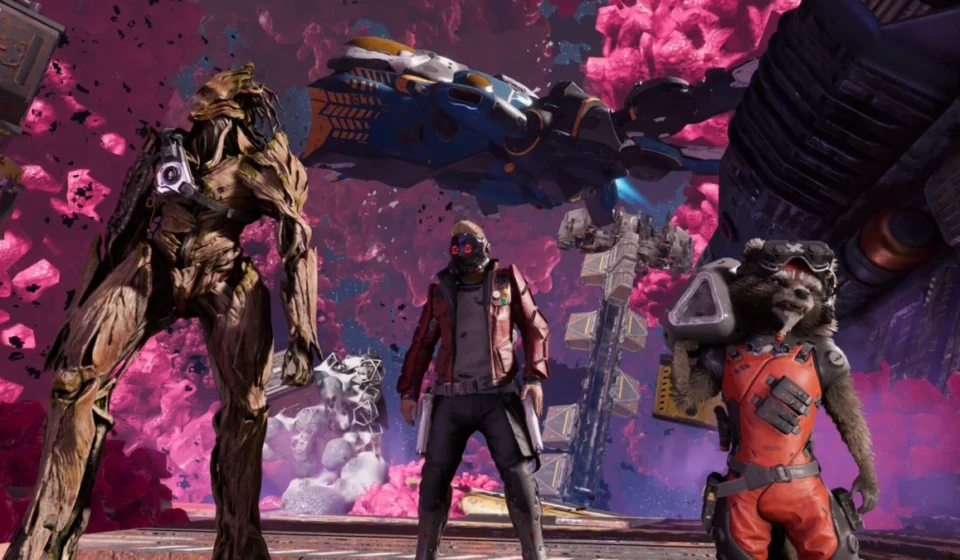
Marvel’s Guardians of the Galaxy casts players as Peter Quill, also known as Star-Lord, the charismatic leader of the titular team. Alongside him are Rocket Raccoon, Gamora, Drax the Destroyer, and Groot, each with their unique personalities and combat styles. The game’s narrative centers on the Guardians’ often chaotic, yet ultimately heroic, efforts to save the galaxy from various cosmic threats. A central theme woven throughout the experience is the emphasis on teamwork, with Quill directing his companions’ abilities in combat. However, as noted by many players and critics since its initial release, the inability to directly control other Guardians, such as the melee-focused Drax or the deadly Gamora, has been a recurring point of discussion, suggesting a potential for expanded gameplay mechanics. The game’s structure, which largely confines players to controlling only Star-Lord, has led to speculation about its suitability for cooperative multiplayer, a feature that, even five years later, remains conspicuously absent. The absence of even a local co-op option continues to be viewed by some as a missed opportunity to further enhance the game’s inherent team-based dynamic.
Despite these gameplay design considerations, the core of the Guardians of the Galaxy experience remains its engaging story and dynamic combat encounters. The game expertly captures the irreverent humor and deep emotional bonds that define the Guardians, making for a compelling narrative arc. Furthermore, the soundtrack, a crucial element in any Guardians of the Galaxy property, is a standout feature. The inclusion of a curated playlist of classic 1980s hits not only enhances the game’s atmosphere but also serves as a significant draw for fans of the franchise. The visual design is also noteworthy, with unlockable outfits and new costumes introduced specifically for the Switch 2 version adding an extra layer of customization and appeal for players.
Performance Analysis on the Nintendo Switch 2
The most significant aspect of this new Switch 2 release is its technical performance. While the game generally presents a visually appealing rendition of its cosmic environments and characters on the portable-hybrid console, it is not without its technical limitations. From the outset, even within the introductory missions, players may observe instances of frame rate dips and occasional stuttering. These performance anomalies, while not debilitating enough to entirely detract from the enjoyment of the game, are noticeable and prompt a comparison with other demanding titles that have successfully made their way to the Nintendo Switch 2.
The Nintendo Switch 2 has, in recent years, demonstrated a remarkable capability to handle graphically intensive and complex games. For instance, critically acclaimed titles from Capcom, such as the Resident Evil remakes and Dragon’s Dogma 2: Dark Arisen, have been lauded for their impressive performance on the platform, often achieving stable frame rates and high visual fidelity. Similarly, FromSoftware’s notoriously challenging Elden Ring, while a significant undertaking for any platform, has also been optimized to run on the Switch 2, showcasing the console’s potential for robust third-party support. Against this backdrop, the recurring performance issues in Guardians of the Galaxy invite closer scrutiny.

The discrepancies in performance appear to be more pronounced when the console is in handheld mode compared to when it is docked and connected to a television. This observation suggests that the system’s resources may be more strained during on-the-go play. For players who prioritize a seamless portable experience, it might be worth considering alternative platforms if available, such as a PC, where the game is also accessible via platforms like Steam, and potentially offers a more consistent framerate. However, for those who intend to play primarily in docked mode, the visual presentation is generally strong, and the overall experience remains highly enjoyable. The game’s visual fidelity in docked mode is particularly commendable, offering a vibrant and detailed world that effectively captures the spirit of the Guardians’ adventures.
Context and Development Timeline
Marvel’s Guardians of the Galaxy was initially released in October 2021 by Eidos-Montréal and published by Square Enix. The game was developed using the Unreal Engine 4 and was initially available on PlayStation 4, PlayStation 5, Xbox One, Xbox Series X/S, and PC. The decision to bring the game to the Nintendo Switch 2, a platform known for its unique hybrid nature and portability, represents a strategic move to broaden its audience. The development and optimization process for a title of this scope on a new hardware generation, especially one that requires significant graphical and processing power, is a complex undertaking.
The original Switch version of Guardians of the Galaxy was released as a cloud-based game, a common approach for bringing graphically demanding titles to the platform that lack the native hardware power. This cloud version, while allowing access to the game, was met with mixed reactions due to inherent latency issues and reliance on stable internet connections, which could compromise the real-time combat and responsiveness. The current release on the Switch 2 signifies a native port, meaning the game runs directly on the console’s hardware without the need for streaming. This transition is a significant technical achievement and is expected to provide a much more immediate and responsive gameplay experience.
Reactions and Broader Impact
While official statements from Square Enix regarding the Switch 2 port’s development specifics are limited, the company’s continued support for the Nintendo platform, especially with its popular IPs, indicates a commitment to reaching a wider gaming demographic. The positive reception of the original game’s narrative and character development suggests that players on the Switch 2 can anticipate a story-driven experience that rivals many of its contemporaries.
The implications of this release extend beyond just providing a new game for Switch 2 owners. It highlights the evolving capabilities of Nintendo’s hardware and its increasing ability to host a diverse range of third-party titles. For existing fans of the Guardians of the Galaxy, this port offers a convenient way to revisit the adventure or experience it for the first time on a platform that emphasizes portability. For newcomers, it presents an accessible entry point into one of the more acclaimed Marvel video games.
Comparing this port to the initial cloud version for the original Switch, the native release on the Switch 2 is a substantial upgrade. The elimination of cloud-dependent latency issues and the potential for improved visual fidelity offer a significantly more immersive and enjoyable experience. The presence of minor performance issues, while present, does not overshadow the core strengths of the game: its witty dialogue, compelling character interactions, and the sheer fun of its cosmic escapades. Ultimately, Marvel’s Guardians of the Galaxy on the Nintendo Switch 2, despite its minor stumbles, stands as a testament to the enduring appeal of the franchise and a valuable addition to the console’s library, offering a far more satisfying experience than the cloud-based iteration on its predecessor. It is a journey well worth embarking on for any fan of superhero narratives or engaging action-adventure games.