IOS 27.3 Introduces "Selfie Sing" to Apple Music, Merging Music Streaming with Personalized Video Performances

Cupertino, CA – November 3, 2026 – Apple Music is set to redefine personal music engagement with the introduction of "Selfie Sing," a novel feature embedded within the latest iOS 27.3 update. This innovative addition allows users to record themselves singing along to their favorite tracks, integrating video capture directly into the music streaming experience. The feature, which began appearing in beta versions of iOS 27.2 with a dedicated playlist and is now fully functional on devices running the iOS 27.3 beta, marks a significant evolution in how users interact with music beyond passive listening.
Unveiling Selfie Sing: A New Dimension to Music Interaction
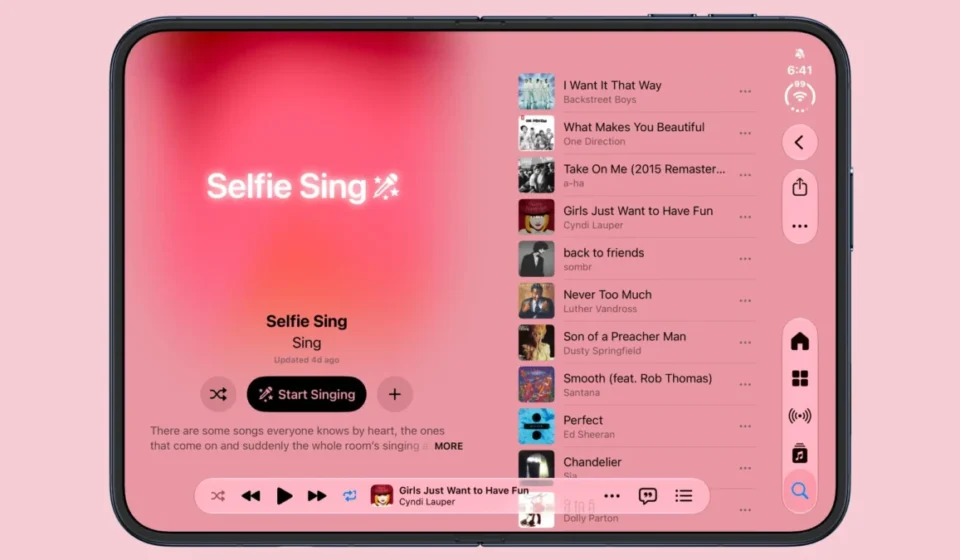
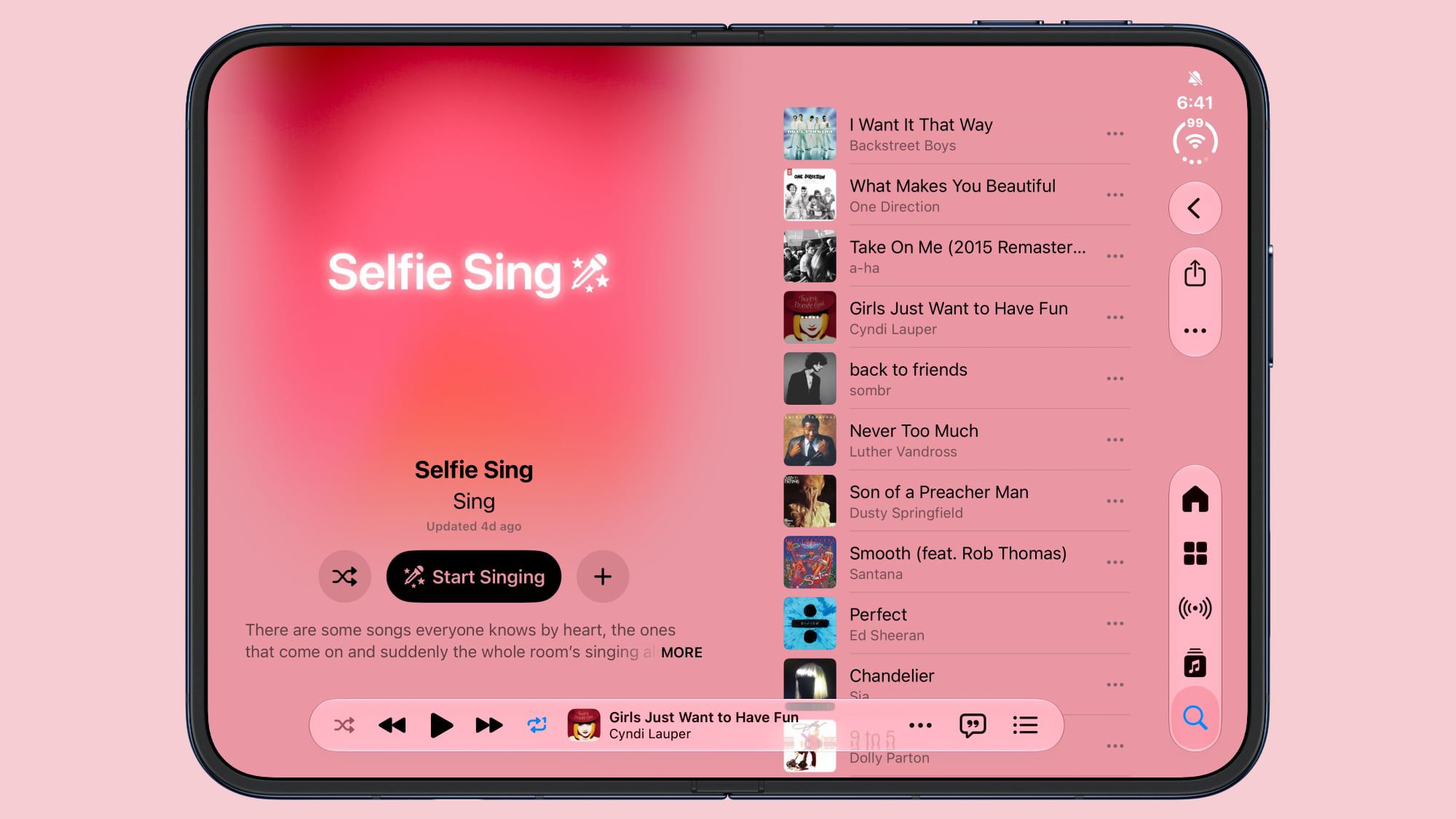
The core of the Selfie Sing experience lies in its intuitive design and seamless integration. Users can access a curated "Selfie Sing" playlist within Apple Music, populated with a selection of universally recognized anthems designed to inspire spontaneous vocal performances. Upon selecting a song, a prominent camera icon becomes available, initiating the Selfie Sing mode. This mode activates a dedicated selfie camera view that simultaneously displays the song’s lyrics as they scroll, providing a real-time teleprompter for singers.
Apple’s official description of the feature emphasizes its accessibility and focus on personal expression: "There are some songs everyone knows by heart, the ones that come on and suddenly the whole room’s singing along. This playlist is loaded with them, each one ready to become your next Selfie Sing. Pick your favorite, record a Selfie Sing, add mic effects to your voice, then save or share your video selfie with anyone you like. No pitch-perfect anything required—just you, the song, and the moment. Oh, and make sure you’ve updated to the latest iOS before getting started."
The Recording and Editing Process
Once a song is chosen and the camera is activated, tapping a prominent red button initiates the recording. As the music plays, the lyrics advance, guiding the user’s performance. Upon completion of the song, users are presented with a suite of post-production tools. These include the ability to adjust the balance between their vocal recording and the original song’s instrumentation, and to apply a range of "mic effects" designed to enhance the vocal performance. Available effects, as detailed by early testers, include "Megaphone," "Echo," "Concert Hall," and "Studio," each offering a distinct sonic character. Following the creative process, recorded Selfie Sing videos can be saved directly to the device’s Photos library or shared across various platforms, extending the reach of user-generated content.
The initial rollout of the Selfie Sing playlist was observed on iPhones running iOS 27.2, indicating that Apple had been preparing the feature for some time. However, the crucial functionality – the activation of the front-facing camera for recording – is exclusively available on devices participating in the iOS 27.3 beta program, underscoring the development and testing phases involved in bringing such a feature to market.
A Curated Playlist for Collective Joy
The selection of songs featured in the initial Selfie Sing playlist appears to be strategically chosen for their broad appeal and singalong potential. Tracks such as Aretha Franklin’s iconic "Respect," Cyndi Lauper’s exuberant "Girls Just Wanna Have Fun," Madonna’s provocative "Like a Virgin," Oasis’s anthemic "Wonderwall," Duran Duran’s energetic "Hungry Like the Wolf," and Britney Spears’s chart-topping "Baby One More Time" are among those highlighted. This selection suggests a focus on songs that evoke strong emotional connections and are deeply embedded in popular culture, thereby encouraging users to participate.
While the current iteration of Selfie Sing does not support every song within the vast Apple Music catalog, the company has historically expanded features over time. The possibility of broader song compatibility in future updates remains a strong likelihood, potentially transforming the feature into a comprehensive karaoke-like experience within the streaming service.
Historical Context and Evolution of Apple Music Features
The introduction of Selfie Sing can be viewed as a logical progression from Apple’s previous innovations in the Apple Music ecosystem. Notably, it builds upon the "Apple Music Sing" karaoke feature, which was first introduced in iOS 16.2. That feature allowed users to sing along to songs with adjustable vocal volumes and synchronized lyrics displayed on screen, albeit without the video recording component. The Selfie Sing feature essentially adds a visual dimension to this existing karaoke functionality, allowing users to not only perform but also capture and share their performances.
This iterative approach to feature development is characteristic of Apple’s strategy, allowing them to gather user feedback and refine functionalities before a wider public release. The evolution from on-screen lyrics and adjustable vocals to full video recording with vocal effects demonstrates a commitment to enhancing user engagement and fostering a more interactive music consumption experience.
Broader Implications and User Adoption
The introduction of Selfie Sing has several potential implications for both Apple Music and the broader digital landscape.
Enhanced User Engagement: By transforming passive listening into an active, creative process, Selfie Sing has the potential to significantly increase user engagement with the Apple Music platform. The ability to create and share personalized content can foster a sense of community and belonging among subscribers.
Content Creation and Social Sharing: The feature democratizes music creation, enabling anyone with an iPhone to become a virtual performer. This could lead to a surge in user-generated music content shared across social media, potentially driving awareness and interest in Apple Music. The integration with existing sharing mechanisms means that these video selfies can easily be disseminated to platforms like TikTok, Instagram, and X (formerly Twitter), further amplifying their reach.
Competitive Landscape: The move into interactive video content within a music streaming service positions Apple Music distinctively against competitors. While platforms like Spotify and YouTube Music offer extensive libraries and discovery tools, the direct integration of video performance capabilities is a novel approach that could attract a new demographic of users or retain existing ones by offering a unique value proposition.
Data and Analytics: The data generated from user interactions with Selfie Sing could provide Apple with valuable insights into song popularity, user preferences for vocal effects, and overall engagement patterns. This information can inform future content curation, feature development, and marketing strategies.
Early Reactions and User Sentiment
Initial reactions from beta testers and early adopters, as evidenced by social media posts, suggest a positive reception. An example from user Aaron (@aaronp613) on X shared a preview of the feature, stating, "Here is your first look at Selfie Sing, new in iOS 27.3, inside of Apple Music. Record a video selfie, adjusting vocals to make it yours, and share your performance with friends." The inclusion of a disclaimer about Animoji usage, to avoid posting a personal singing video, highlights the personal and potentially vulnerable nature of the feature, while also underscoring the excitement around its potential.
While the feature is currently limited to specific devices and beta software, the anticipation for its full release on stable iOS builds is palpable. The success of Selfie Sing will likely depend on its ease of use, the quality of the audio and video output, and the continued expansion of its song library.
Future Outlook
The introduction of Selfie Sing represents a bold step for Apple Music, moving beyond traditional streaming to embrace participatory entertainment. As the feature matures and potentially expands its song catalog, it could solidify Apple Music’s position as a dynamic and innovative platform that caters to the evolving ways people consume and interact with music in the digital age. The focus on personal expression, combined with the inherent social sharing capabilities, positions Selfie Sing as a feature with the potential to capture the imagination of millions of Apple users worldwide, transforming their daily commutes, quiet evenings, and social gatherings into impromptu performance stages. The long-term impact will be observed as the feature rolls out to a wider audience and as users discover new and creative ways to engage with their favorite tunes.