IPhone 18 Pro and iPhone 18 Pro Max: A Prudent Pause Before a Revolutionary Leap

Monday September 7, 2026 5:01 am PDT by Tim Hardwick
Apple is poised to unveil its latest flagship smartphones, the iPhone 18 Pro and iPhone 18 Pro Max, this Wednesday, September 9. While the new devices are anticipated to bring incremental internal enhancements, their external design is expected to remain largely consistent with the preceding iPhone 17 Pro models. This iterative approach to design is reportedly a strategic decision, with Apple reserving a significant overhaul for next year’s commemorative iPhone, which will mark the 20th anniversary of the iconic device. This upcoming redesign is rumored to be revolutionary, potentially redefining the smartphone experience and prompting many consumers to consider whether this year’s upgrade is truly necessary.
The anticipation for Apple’s annual September event is always palpable, and this year is no exception. The company has officially announced its "Far Out" event for September 9, a date that has become synonymous with new iPhone releases. Industry observers and tech enthusiasts alike are keenly awaiting the official reveal, where the iPhone 18 Pro and Pro Max are expected to take center stage. However, recent leaks and industry analyses suggest that the most substantial advancements in the iPhone’s evolutionary journey might be strategically held back for the iPhone 20, slated for release in September 2027. This decision could significantly influence upgrade cycles for the current generation of iPhone users.
A Familiar Form Factor with Internal Refinements
Sources close to Apple’s supply chain indicate that the iPhone 18 Pro and iPhone 18 Pro Max will continue the design language established by the iPhone 17 Pro. This suggests a continuation of the flat-edge design, Ceramic Shield front cover, and textured matte glass back. While a dramatic aesthetic departure is not expected, the internal architecture is likely to receive the usual year-over-year improvements. These could include a more powerful and efficient A-series chip, enhanced camera sensors with improved low-light performance and computational photography capabilities, and potentially a refined battery technology offering longer endurance.
The recent leak of SIM card trays by the reputable leaker Sonny Dickson further supports the notion of a familiar design, pointing to three color options: Silver, Dark Cherry, and Sky Blue. This contrasts with the iPhone 17 Pro’s palette of Cosmic Orange, Silver, and Deep Blue. While color is a subjective preference, the limited deviation from established color families suggests a conservative approach to the iPhone 18 Pro’s external presentation.
The All-Screen Vision: A Glimpse into the Future
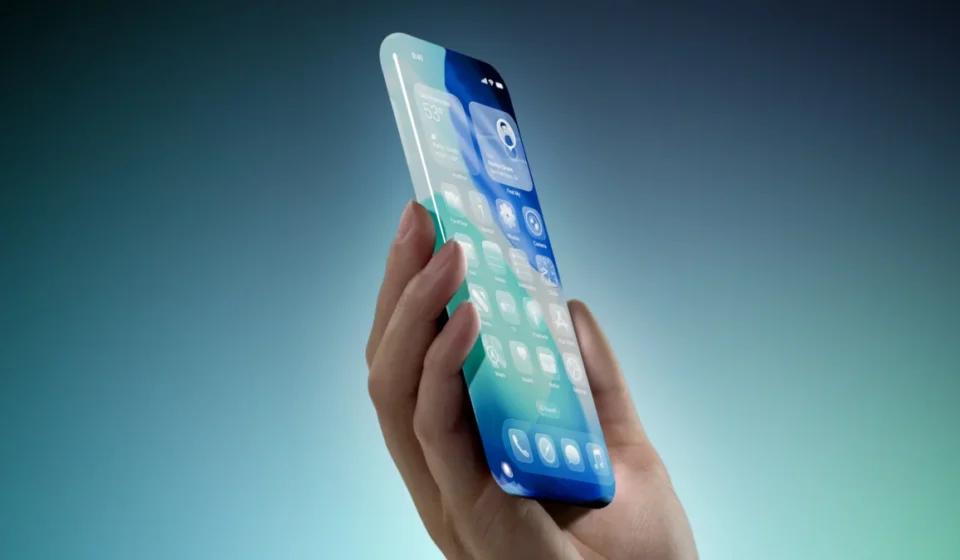
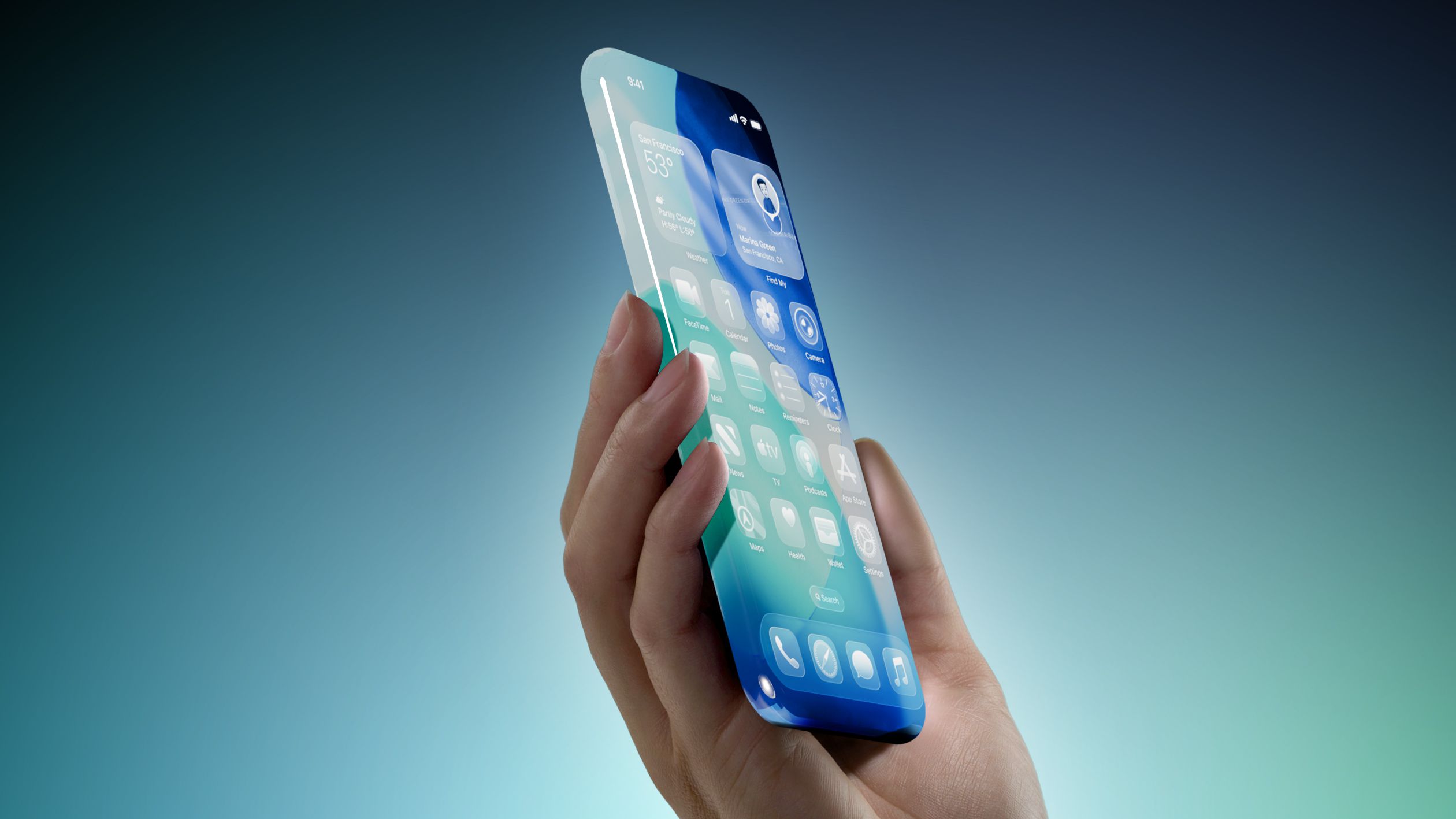
The primary driver for potentially delaying significant upgrades for the iPhone 18 Pro models is the ambitious vision for the 20th-anniversary iPhone. This future device is rumored to feature a truly all-screen display, a long-sought-after goal in smartphone design. Central to this vision is the integration of Face ID technology beneath the display, a feature that has been rumored for several years but has consistently faced technical hurdles. If Apple can successfully implement under-display Face ID, it would eliminate the need for the notch or Dynamic Island, creating an uninterrupted visual canvas.
Beyond under-display sensors, the 20th-anniversary iPhone is expected to incorporate other significant technological leaps. These could include advancements in haptic feedback, potentially moving beyond current Taptic Engine capabilities to offer a more nuanced and immersive tactile experience. Furthermore, speculation suggests a complete reimagining of the device’s physical buttons, perhaps transitioning to solid-state buttons with advanced haptic feedback, mirroring trends seen in other consumer electronics. The potential for portless design, relying entirely on wireless charging and data transfer, is also a strong possibility for this future iteration, marking a definitive shift away from traditional connectivity.
Economic Considerations and Consumer Behavior
The pricing of the iPhone 18 Pro models is also a point of interest. Research firm TrendForce has provided estimated starting prices, suggesting a slight increase for the Pro models compared to their predecessors. For instance, the iPhone 17 Pro started at $1,099, and the iPhone 18 Pro is estimated to begin at a similar or slightly higher price point. This projection, coupled with the perceived incremental nature of the upgrades, could lead consumers to re-evaluate their upgrade strategies.
In an economic climate that often demands careful consumer spending, the prospect of a truly revolutionary iPhone in the following year may present a compelling reason to defer purchases. The current iPhone 17 Pro, released in September 2025, remains a powerful and capable device. For many users, the improvements expected in the iPhone 18 Pro might not justify the expenditure, especially when a significantly redesigned model is on the horizon. This sentiment is likely to be amplified by the media’s coverage, which, as evidenced by this report, is already framing the iPhone 18 Pro as a bridge to a more transformative product.
A Historical Perspective on iPhone Evolution
Apple’s product development cycles have historically seen periods of iterative refinement followed by significant redesigns. The introduction of the iPhone X in 2017, marking the 10th anniversary, stands as a prime example of a radical departure from previous models. It introduced the edge-to-edge OLED display, Face ID, and the removal of the physical home button, setting a new standard for smartphone design that influenced the entire industry. The current trajectory suggests that the 20th-anniversary iPhone in 2027 could be a similar watershed moment.
The period between 2017 and 2027 represents a decade of evolution. If the rumors surrounding the 20th-anniversary iPhone prove accurate, it will signify a comprehensive rethinking of the smartphone. The current iPhone 18 Pro, while undoubtedly featuring Apple’s latest technological prowess, appears to be a stepping stone in this grander plan. The company’s strategy seems to be one of building anticipation and allowing its technological advancements to mature before a full-scale product redesign.
The Challenge of Under-Display Technology
The persistent "two years away" narrative surrounding under-display Face ID underscores the significant engineering challenges involved. Achieving seamless integration of the camera and sensor array without compromising image quality or biometric security requires overcoming complex optical and hardware obstacles. Apple’s meticulous approach to product development suggests they would not deploy such a feature until it meets their stringent standards for performance and reliability. The fact that this technology is still considered a potential feature for the 20th-anniversary iPhone, rather than the imminent iPhone 18 Pro, highlights its developmental complexity.
Broader Industry Implications
The iPhone’s influence on the smartphone market is undeniable. When Apple introduces significant design changes or technological innovations, competitors often follow suit. A truly all-screen iPhone with under-display sensors would likely accelerate the industry’s pursuit of similar form factors, potentially leading to a wave of devices that prioritize uninterrupted displays. This could also spur innovation in areas such as foldable technology and alternative biometric authentication methods as manufacturers strive to differentiate themselves.
Furthermore, Apple’s strategic timing of major product redesigns can impact market dynamics. By positioning the iPhone 18 Pro as an iterative update, they may be encouraging consumers to hold onto their current devices longer, fostering a more sustainable upgrade cycle. This could also influence the resale market for older iPhone models.
Conclusion: A Year of Patience for a Potentially Monumental Device
While the iPhone 18 Pro and iPhone 18 Pro Max will undoubtedly offer compelling upgrades for many, the evidence points towards a more transformative experience awaiting consumers in 2027. The rumored features for the 20th-anniversary iPhone, including a fully immersive all-screen display with under-display biometrics, represent a significant leap forward. For those considering an upgrade this year, a careful assessment of their current device’s capabilities against the incremental improvements of the iPhone 18 Pro, weighed against the potential of a truly revolutionary device next year, is a prudent approach. Apple’s deliberate pacing of innovation, as suggested by these reports, may be a strategic play to deliver a milestone product that redefines the smartphone landscape once again. The coming year promises to be one of heightened anticipation for a device that could indeed be worth holding out for.