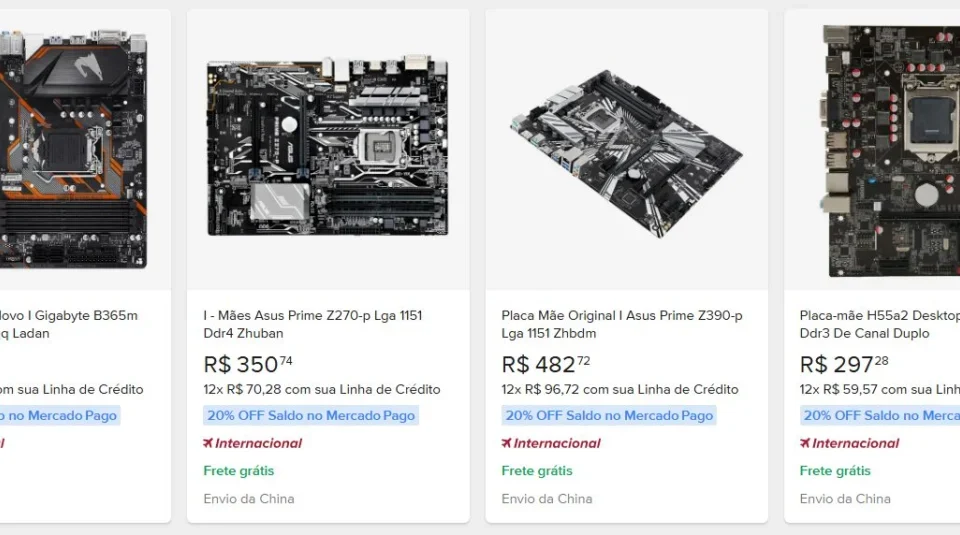
Mercado Livre Consolidates Dominance in Gaming Hardware as International Listings Surge Amid Shifting Cross Border Trade Policies

Mercado Livre has emerged as a primary hub for gaming enthusiasts and technology consumers, with international PC gaming accessories now accounting for 82% of active listings in that specific category. This significant market concentration was revealed in a comprehensive data analysis conducted by JoomPulse, a leading analytics and data intelligence platform powered by proprietary artificial intelligence. The study highlights a transformative shift in the Latin American e-commerce landscape, where the intersection of gaming culture, international supply chains, and evolving tax regulations is reshaping how consumers interact with global brands.
According to the JoomPulse report, the expansion of international offerings on Mercado Livre is not merely a steady climb but an accelerated surge. In March 2026, the platform reached a historic milestone, recording 14.6 million new international listings. This figure was so substantial that it surpassed the cumulative growth of the previous 14 months combined, signaling a strategic pivot by the marketplace to integrate global sellers more aggressively into its ecosystem. The momentum continued into April 2026, which saw 14.1 million new listings, maintaining a record-breaking plateau that suggests a permanent shift in the platform’s inventory composition rather than a temporary seasonal spike.
The Strategic Importance of the Gaming Niche
The 82% dominance of international listings within the PC gaming accessory category underscores a broader trend in the tech industry. Gaming hardware, which includes mechanical keyboards, high-precision mice, specialized headsets, and internal components like cooling systems, is a market characterized by high technical specifications and a global manufacturing footprint. Most of these components are produced in specialized hubs in East Asia, making them ideal candidates for cross-border trade (CBT) programs.
For Mercado Livre, the "gamer" demographic represents a high-value consumer base. Gamers are typically early adopters of technology, possess higher-than-average brand loyalty, and are often willing to navigate longer shipping times in exchange for specialized equipment that may not be available through local distributors. By opening its doors to millions of international listings, Mercado Livre has effectively bypassed the limitations of local inventory, providing its users with a catalog that rivals global giants like Amazon and AliExpress.

Chronology of International Expansion and Regulatory Shifts
The rapid growth observed in early 2026 is the culmination of several years of logistical and regulatory evolution. Historically, international purchases in Brazil and other Latin American markets were often hindered by unpredictable customs delays and complex tax structures. However, the timeline of this recent surge suggests that marketplaces were preparing for a new era of trade long before legislative changes were fully enacted.
Throughout 2024 and 2025, Mercado Livre invested heavily in its "Mercado Envios" logistics network, including the expansion of its air fleet and the establishment of dedicated fulfillment centers for international goods. These investments were designed to reduce the "friction" of cross-border shopping, bringing delivery times for international items down from months to weeks, and in some cases, days.
By the time the first quarter of 2026 arrived, the platform was positioned to capitalize on shifts in federal tax policies. The study by JoomPulse indicates that the expansion of international listings was already accelerating well before the formal reduction of federal tax rates on international purchases—a policy often colloquially referred to in the region as the adjustment of the "taxa das blusinhas" (the "little blouse tax"). This tax originally targeted low-cost apparel but eventually became a bellwether for broader e-commerce taxation.
Analysis of the Tax Landscape and Consumer Behavior
João Sartini, Head of Sales at JoomPulse, notes that the changing tax environment acts as a catalyst for movements that marketplaces have been structuring for months. According to Sartini, the reduction or stabilization of import taxes tends to accelerate the presence of international listings in categories where consumers are most sensitive to price and variety.
"The gaming sector is a prime example of price sensitivity meeting a demand for variety," Sartini explained in the context of the report. "When the tax burden becomes more predictable and lower, it lowers the barrier for international sellers to list their products, and it emboldens consumers to seek out specialized gear that was previously deemed too expensive or risky to import."

The JoomPulse data suggests that the record-breaking 14.6 million listings in March 2026 were a direct response to these optimized trade conditions. Sellers, particularly those based in China and the United States, utilized AI-driven listing tools to flood the marketplace with options, anticipating a surge in consumer demand following the tax adjustments.
Diversification Beyond Gaming: A Category Breakdown
While PC gaming accessories lead the pack with an 82% international share, the JoomPulse study identified several other categories where international sellers have secured a commanding presence. These include:
- Jewelry (77%): This category benefits from the lightweight nature of the products, which minimizes shipping costs, and a global demand for diverse aesthetic styles that local artisans may not cover.
- Plush Toys and Collectibles (75%): Often tied to global entertainment franchises, these products are frequently manufactured abroad, and the international listings allow for a wider variety of "niche" characters to be available to local fans.
- Medical Equipment (71%): This includes specialized diagnostic tools and home health monitoring devices. The high percentage of international listings here reflects the specialized manufacturing required for medical-grade electronics.
- Automotive GPS Navigators (70%): As automotive technology becomes more integrated, the demand for specific aftermarket GPS and infotainment systems has grown, with international manufacturers providing the bulk of the innovation in this space.
This diversification indicates that Mercado Livre is successfully transitioning from a local C2C (consumer-to-consumer) platform into a global B2C (business-to-consumer) powerhouse. The high percentage of international listings in these categories suggests that for many specialized goods, the marketplace is now the default "global storefront" for Latin American consumers.
Logistics and the Role of AI in Marketplace Growth
The sheer volume of listings—over 14 million in a single month—presents a significant technical challenge. JoomPulse’s role in analyzing this data highlights the importance of AI in modern e-commerce. Marketplaces use AI to categorize millions of products, detect fraudulent listings, and optimize search results for consumers.
From a logistics perspective, Mercado Livre has integrated its international operations with its local delivery "last-mile" service. When a consumer in São Paulo or Mexico City orders a gaming mouse from a seller in Shenzhen, the product is often tracked through a unified system that handles customs clearance preemptively. This "Remessa Conforme" (Compliant Remittance) style of operation ensures that taxes are paid at the point of sale, preventing the dreaded "tax surprise" at the post office that previously discouraged international trade.

Broader Implications for the Retail Industry
The dominance of international listings on a platform as influential as Mercado Livre has profound implications for local retailers and manufacturers. Local businesses now find themselves in direct competition with global manufacturers who can offer lower prices due to economies of scale. However, industry analysts suggest that this competition also drives local innovation. To compete, local sellers are forced to focus on "instant gratification"—offering same-day or next-day delivery—and superior local customer service, which international sellers cannot yet match.
Furthermore, the data from 2026 suggests that the "digital border" is effectively disappearing. As marketplaces streamline the international buying process, the distinction between a "local" and "international" purchase becomes less relevant to the end-user, who prioritizes price, specifications, and reliability above the product’s point of origin.
Future Outlook and Conclusion
Looking ahead to the remainder of 2026 and into 2027, the trend of internationalization is expected to stabilize but remain at these new, elevated levels. The PC gaming accessory market will likely serve as the "test kitchen" for new international trade features, such as subscription-based international shipping or localized warranty support for foreign brands.
The JoomPulse report concludes that Mercado Livre’s aggressive expansion into the international gaming niche is a calculated move to secure the loyalty of the next generation of consumers. By providing an 82% international inventory in a high-growth sector, the platform has not only increased its revenue potential but has also set a new standard for what a regional marketplace can achieve in a globalized economy. As tax policies continue to evolve and logistics networks become even more efficient, the 14-million-listing-per-month benchmark may soon become the new normal for the giant of Latin American e-commerce.