Microsoft’s AI Gaming Assistant is Leaving Beta and Heading to Your Console, Intensifying the Competition for Couch Dominance

Microsoft’s Gaming Copilot AI assistant is set to make its debut on the Xbox Series X and Series S consoles by the end of this year, marking a significant expansion of its AI-driven gaming support. This announcement, delivered by Sonali Yadav, Xbox’s gaming AI partner group product manager, during a panel at the Game Developers Conference, signals Microsoft’s intent to integrate artificial intelligence more deeply into the console gaming experience. While the Gaming Copilot has been available in beta on PC, mobile devices, and the ROG Ally handheld, its arrival on current-generation Xbox consoles represents a pivotal moment in the evolution of console gaming assistance. This move directly challenges existing AI-powered solutions and intensifies the burgeoning race to capture the attention and engagement of players within their living rooms.
The Evolution of Gaming Assistance: From Walkthroughs to AI Companions
For years, gamers have relied on a variety of resources to navigate complex game worlds and overcome challenging obstacles. Online forums, video walkthroughs, and dedicated wikis have served as invaluable guides, offering solutions to puzzles, strategies for boss battles, and explanations of intricate game mechanics. However, these methods often require players to pause their gameplay, search for information across multiple platforms, and then re-engage with the game, disrupting the immersive flow of the experience.

The advent of AI-powered gaming assistants aims to bridge this gap by providing in-game, real-time support. Microsoft’s Gaming Copilot is designed to function as an intelligent companion, capable of answering player questions, offering contextual advice, and even retrieving personalized player data. According to information shared by Microsoft, the assistant can access and present details such as individual player history and Game Pass subscription information, seamlessly integrating with the Xbox ecosystem. This functionality transforms the assistance experience from an external search into an internal, conversational dialogue, akin to having a knowledgeable friend who has mastered the game and is readily available to help.
A Competitive Landscape: Google’s AI Entry into Gaming
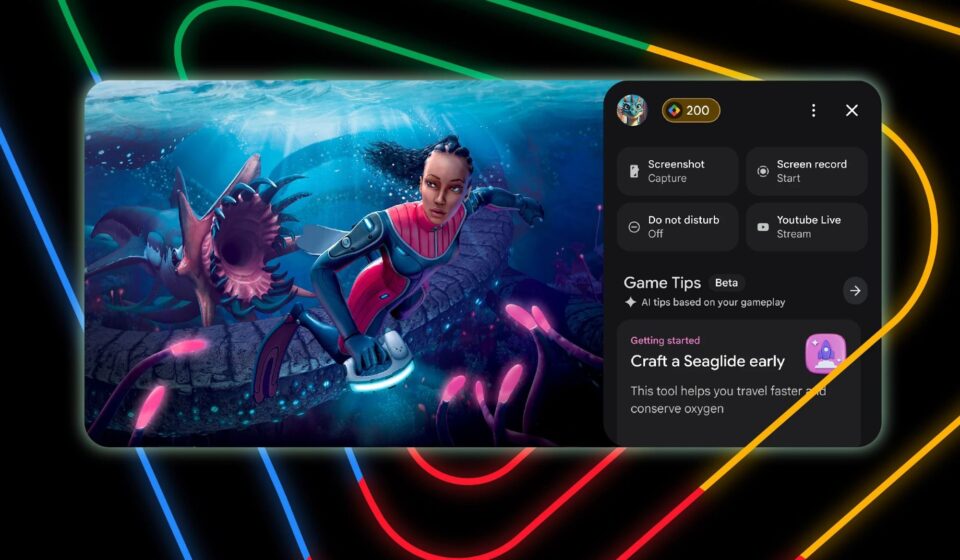
Microsoft is not venturing into this space alone. The announcement of Gaming Copilot’s console debut comes at a time when competitors are also making significant strides in AI-driven gaming support. Google has already begun rolling out its own solution, the "Play Games Sidekick," for Android games. Powered by Google’s Gemini AI, this assistant provides players with tips, tricks, and real-time guidance directly within their mobile gaming sessions. This parallel development underscores a growing industry trend: the integration of AI as a core component of the gaming experience, aiming to enhance accessibility, improve player performance, and foster deeper engagement.
The "Play Games Sidekick" represents Google’s strategic effort to leverage its AI prowess in the rapidly expanding mobile gaming market. By embedding an AI assistant directly into the Android gaming ecosystem, Google seeks to offer a more intuitive and personalized experience for millions of players worldwide. The ability of this AI to understand game context and provide proactive assistance suggests a future where AI companions are not just supplementary tools but integral parts of the gaming narrative and mechanics.

Understanding the Capabilities of Gaming Copilot
The core functionality of Microsoft’s Gaming Copilot is to provide an always-available, context-aware assistant for Xbox players. This goes beyond simple question-and-answer interfaces. The assistant is envisioned as a tool that can:
- Answer In-Game Queries: Players stuck on a particular mission, unsure of the next objective, or seeking information about a specific item or character can simply ask the AI for assistance. This can range from simple lore questions to complex strategic advice.
- Provide Personalized Player Insights: The ability to access and present a player’s history, achievements, and Game Pass status means the AI can offer tailored recommendations and insights. For instance, it could suggest games based on a player’s past preferences or highlight relevant content within their current subscription.
- Offer Real-Time Guidance: While not explicitly detailed for the console version, the beta on other platforms suggests the potential for the AI to offer proactive tips or suggestions based on gameplay progression, similar to how a seasoned player might coach a novice.
- Enhance Accessibility: For players who may struggle with certain aspects of a game, an AI assistant can significantly lower the barrier to entry, making games more enjoyable and less frustrating.
The integration of these capabilities directly into the Xbox console interface promises a more seamless and less intrusive form of assistance compared to traditional methods.
The Broader Implications: An AI Arms Race in Gaming
The simultaneous emergence of advanced AI gaming assistants from both Microsoft and Google signifies the start of what can be described as an "AI gaming assistant arms race." This competition is not merely about offering a novel feature; it’s about defining the future of player interaction with games and establishing dominance in the evolving digital entertainment landscape.

Key implications of this trend include:
- Enhanced Player Engagement: By providing readily available assistance and personalized experiences, AI assistants can help players overcome challenges, explore more of a game’s content, and ultimately spend more time engaged with their consoles and games.
- Democratization of Skill: AI assistants can level the playing field, allowing players of all skill levels to enjoy and progress through games that might otherwise be too difficult. This could lead to broader appeal for a wider range of titles.
- New Monetization Opportunities: While currently framed as an enhancement to existing services, the data and insights generated by these AI assistants could pave the way for new monetization strategies, such as personalized in-game offers or premium AI coaching features.
- Platform Differentiation: The quality and integration of AI assistants could become a key differentiator between gaming platforms, influencing consumer purchasing decisions.
- Evolution of Game Design: As AI assistants become more sophisticated, game developers may begin to design games with these tools in mind, creating more complex challenges or narrative elements that are best navigated with AI support.
Timeline and Development Context
Microsoft’s Gaming Copilot has been in development and testing for some time, with its beta phase across various platforms providing valuable feedback and data. The decision to bring it to the Xbox Series X/S by the end of the year is a strategic move to capitalize on the established user base of these consoles. This timeframe suggests that the core technology is mature enough for a widespread rollout, and Microsoft is confident in its ability to deliver a stable and beneficial experience.
The Game Developers Conference, where the announcement was made, is a critical industry event. Its timing and venue suggest that Microsoft is not only targeting consumers but also signaling its commitment to AI innovation to developers, potentially encouraging them to build games that can better integrate with or benefit from such assistants.

While Google’s "Play Games Sidekick" has already begun its rollout on Android, the precise timeline for wider availability and feature parity across different Android devices remains an ongoing process. The competitive pressure is evident, with both tech giants aiming to be at the forefront of AI integration in gaming.
Data and Technical Underpinnings (Inferred)
While specific technical details about the console version of Gaming Copilot are limited, its functionality on other platforms likely relies on advanced Natural Language Processing (NLP) for understanding player queries and sophisticated machine learning models for analyzing game data and player behavior.
The ability to access player history and Game Pass data suggests deep integration with Xbox’s backend services. This would involve secure APIs and data management protocols to ensure user privacy and data integrity. The AI’s ability to "watch" or understand gameplay in real-time would likely involve sophisticated computer vision or game telemetry analysis, depending on the implementation.

For instance, if the AI can identify that a player is repeatedly failing a particular jump sequence in a platformer, it could then offer a tip on timing or suggest a different approach. Similarly, in an RPG, if a player is asking about crafting, the AI could cross-reference their inventory with available crafting recipes.
The success of these assistants will hinge on several key metrics:
- Response Accuracy and Relevance: How often does the AI provide correct and helpful information?
- Latency: How quickly can the AI respond to player queries without interrupting gameplay?
- User Adoption and Satisfaction: Do players find the assistant useful, and do they continue to use it?
- Integration Seamlessness: How well does the AI blend into the console’s user interface and the gaming experience?
Official Statements and Industry Reactions (Inferred)
While direct quotes beyond Sonali Yadav’s announcement are not provided in the source material, the strategic nature of this rollout suggests a clear objective from Microsoft’s leadership. The company has been vocal about its broader AI ambitions, and extending this to Xbox is a natural progression. Xbox leadership has often emphasized their commitment to player choice and enhancing the gaming experience, and an AI assistant aligns perfectly with these stated goals.

The broader gaming industry is likely observing this development with keen interest. Developers will be assessing how this new technology could impact their design processes and player engagement strategies. Hardware manufacturers may also see this as a catalyst for further innovation in console capabilities.
The Future of Console Gaming: An Intelligent Companion in Every Living Room?
The introduction of AI gaming assistants like Microsoft’s Gaming Copilot and Google’s Play Games Sidekick marks a significant shift in how we interact with our consoles. The race for couch dominance is no longer just about exclusive titles or hardware power; it’s increasingly about the intelligence and helpfulness that technology can bring to the gaming experience.
By making the Gaming Copilot available to the vast Xbox console audience, Microsoft is positioning itself to be a leader in this new era of AI-enhanced gaming. The promise is a more accessible, more engaging, and ultimately more rewarding gaming journey for millions, transforming the console from a simple entertainment device into an intelligent partner. As these AI assistants evolve, they have the potential to fundamentally reshape player expectations and the very nature of interactive entertainment. The coming years will undoubtedly reveal the full impact of this burgeoning AI arms race on the future of gaming.