Minimal Phone 2 Ignites Enthusiasm, Surpassing Funding Goals with a Modern QWERTY Revival.

The landscape of modern smartphones is overwhelmingly dominated by sleek, slab-style devices, a stark contrast to a bygone era when physical QWERTY keyboards were a hallmark of mobile innovation and a highly coveted feature. Despite this industry shift, a dedicated segment of consumers and a handful of intrepid manufacturers continue to champion the tactile satisfaction and efficiency of a physical keyboard. Among these pioneers, Minimal has emerged as a significant player, recently launching a highly successful Kickstarter campaign for its second-generation smartphone, the Minimal Phone 2, which promises to blend contemporary technology with the enduring appeal of a physical keyboard.
Minimal’s crowdfunding initiative for the Phone 2, hosted on Kickstarter, rapidly exceeded its initial funding target of $100,000, soaring past the $800,000 mark in a remarkably short period. This overwhelming financial support underscores a strong market appetite for devices that deviate from the conventional touchscreen-only paradigm, indicating that the desire for a premium, productivity-focused QWERTY experience remains robust. The company has set an ambitious shipping target for backers, aiming to deliver the Phone 2 by December of this year, a timeline that will undoubtedly be closely watched given the prior experiences with its predecessor.
The Resurgence of the Physical Keyboard in a Digital Age
The journey of the QWERTY keyboard in mobile phones is a fascinating narrative of innovation, dominance, and eventual retreat, now punctuated by signs of a niche resurgence. For years, devices from BlackBerry, Nokia’s E-series, and early Android models like the T-Mobile G1 (HTC Dream) defined the mobile experience for professionals and power users who prioritized rapid, error-free text input. These phones were indispensable tools for email, messaging, and document editing, fostering a culture of ‘crackberry’ addiction due to their efficiency.
However, the advent of the Apple iPhone in 2007 and the subsequent proliferation of large, capacitive touchscreens fundamentally altered the industry’s trajectory. Virtual keyboards, initially clunky, rapidly improved with predictive text, auto-correction, and gesture typing, convincing the vast majority of consumers that physical keys were an unnecessary compromise on screen real estate and device aesthetics. Manufacturers, driven by economies of scale and consumer preference for immersive multimedia experiences, largely abandoned the QWERTY form factor.
Despite this mass exodus, a dedicated niche persisted. Users with specific needs—such as those who type extensively for work, individuals seeking a device less prone to digital distraction, or simply those who prefer the definitive tactile feedback of physical buttons—continued to express a demand. Companies like Unihertz have carved out a market catering to this demographic, releasing several QWERTY-equipped Android phones. Minimal’s success with the Phone 2 suggests that this niche is not only sustained but potentially growing, driven by a blend of nostalgia, a desire for enhanced productivity, and a counter-cultural movement against perpetual digital overstimulation. The significant funding received indicates that this isn’t merely a fringe interest but a substantial, albeit specialized, segment of the smartphone market.
Minimal Phone 2: A Deep Dive into Specifications and Design
The Minimal Phone 2 arrives with a host of upgrades and thoughtful design choices, positioning it as a compelling contender in the niche QWERTY market. At its core is a vibrant 3.92-inch AMOLED display, boasting a sharp 1080 x 1240 resolution and a fluid 90Hz refresh rate. This represents a significant departure from the 4.3-inch e-paper screen featured in the original Minimal Phone 1. The transition to AMOLED offers superior color reproduction, deeper blacks, wider viewing angles, and a far more engaging multimedia experience, albeit at the potential cost of the e-paper’s exceptional battery efficiency and outdoor readability. The 90Hz refresh rate ensures smooth scrolling and responsiveness, aligning the Phone 2 with modern display standards.
Powering the device is MediaTek’s Dimensity 8300 chipset, a choice that signals a commitment to robust performance. The Dimensity 8300 is a capable processor, offering a balance of power and efficiency, which should comfortably handle demanding applications, multitasking, and even some light gaming. This is a crucial upgrade for a device intended for productivity, ensuring that the user experience is not hampered by sluggish performance, a common pitfall for some niche devices. The Phone 2 will be available with 8GB of RAM across both its storage configurations: 256GB and 512GB, providing ample space for applications, media, and documents, a necessity for a device targeting power users.
On the software front, the Minimal Phone 2 will run an unspecified version of Android, overlaid with the company’s proprietary "Minimal OS" skin. While details on Minimal OS are scarce, its name suggests a user interface designed for efficiency, potentially reducing bloatware, streamlining navigation, and focusing on core productivity tools. Such an approach could appeal to users seeking a less distracting smartphone experience, aligning with the philosophical underpinnings of choosing a physical keyboard device.
Photography capabilities are addressed with a single 50MP f/1.8 camera on the rear, complemented by a 20MP f/2.0 sensor for selfies and video calls. While a single rear camera array is increasingly rare on mainstream flagships, a 50MP sensor with a respectable aperture should deliver competent photographic results in various lighting conditions. For a device whose primary appeal lies in its input method and productivity, these camera specifications are more than adequate, ensuring users can capture high-quality images and participate in video conferencing without compromise.
A 3,000mAh battery powers the Phone 2, supported by 27W fast wired charging and 15W Qi-based wireless charging. The battery capacity, while not exceptionally large by today’s standards, must be considered in conjunction with the device’s screen size and potential usage patterns. If the "minimal" philosophy translates to more focused, less screen-intensive use, the 3,000mAh battery, coupled with the Dimensity 8300’s efficiency, might provide sufficient endurance for a full day’s use. The inclusion of both wired and wireless fast charging options adds convenience, bringing the device in line with contemporary charging standards.
Beyond its core specifications, the Minimal Phone 2 incorporates several user-centric features that enhance its appeal. A standout is the programmable switch, a physical button that can be customized to perform a variety of functions, such as launching a specific application, toggling system settings, or acting as a dedicated shortcut for frequently used actions. This level of customization speaks to a user base that values efficiency and personalized control. Perhaps most nostalgically appealing is the inclusion of a conventional LED indicator for notifications. This feature, largely phased out by modern smartphones in favor of always-on displays, allows users to assign specific colors to contacts or applications, offering a discreet yet highly effective way to discern notification types at a glance without needing to activate the screen.
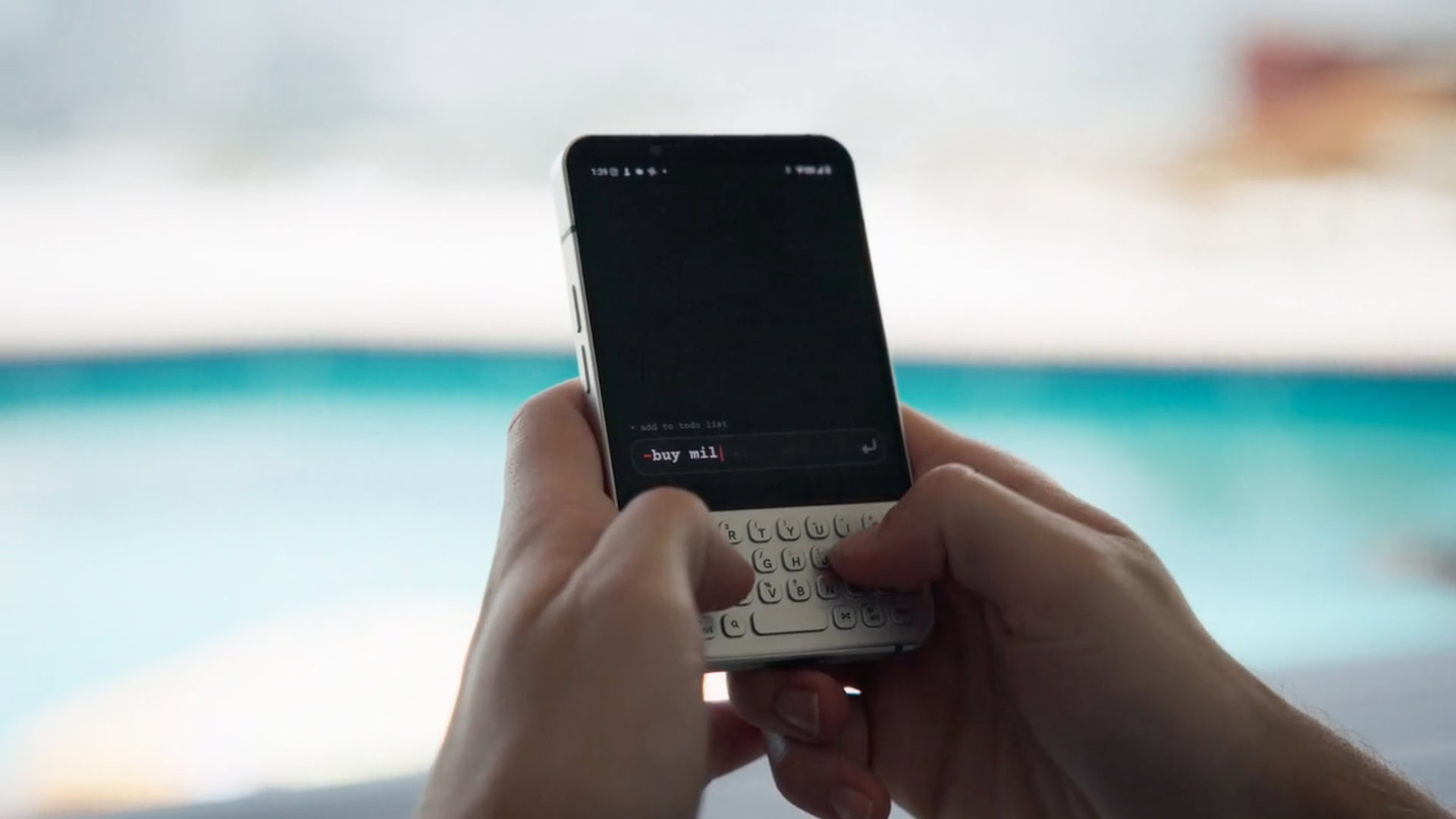
Further bolstering its practical appeal, the Phone 2 retains a 3.5mm headphone jack, a increasingly rare commodity in contemporary smartphones. This inclusion will be particularly welcomed by audiophiles and users who prefer the reliability and sound quality of wired headphones or wish to connect to legacy audio equipment without adapters. Security is addressed with a side-placed fingerprint scanner, offering convenient and intuitive biometric authentication.
The Minimal Phone 2 will be offered in two standard colorways: Pearl and Onyx. Kickstarter backers, however, will have exclusive access to an Ember version as part of the full-spec Founders Edition model, adding an element of exclusivity for early supporters.
Kickstarter Success and Financial Implications
The overwhelming success of the Minimal Phone 2’s Kickstarter campaign is a powerful testament to the latent demand for alternative smartphone designs. Surpassing its modest $100,000 goal by over eightfold to cross the $800,000 mark indicates a highly engaged and enthusiastic community. This level of crowdfunding success provides Minimal not only with the necessary capital for production but also invaluable market validation. It demonstrates that a significant segment of consumers is willing to invest in devices that prioritize specific functionalities, such as a physical keyboard, over the homogenized offerings of mainstream manufacturers.
The crowdfunding model, while providing crucial seed funding and direct market feedback, also carries inherent risks for both the creators and the backers. For Minimal, the funds signify the viability of their product and the ability to scale production. For backers, the allure of early access and exclusive features is balanced against the potential for delays, unforeseen production challenges, or, in rare cases, project failure. Minimal’s transparent communication about potential delays, particularly in light of the previous generation’s timeline, is a responsible approach to managing these expectations.
Pricing Tiers and Global Availability
Minimal has structured the pricing for the Phone 2 to incentivize early adoption and offer options across different specifications. The base model, featuring 256GB of storage and 8GB of RAM, is available on Kickstarter for $599. For those requiring more storage, the 512GB + 8GB model is offered at an early bird price of $675, a discount from its standard asking price of $699. The premium Founders Edition, which includes the exclusive Ember colorway and top-tier specifications, is priced at $899.
All models are slated for global shipping, broadening the accessibility of the Phone 2 to an international audience eager for such a device. As an added incentive for backers, Minimal is offering approximately $100 worth of freebies with each device. This comprehensive package includes three packs of screen protectors, a 27W fast charger, a fitted protective case, and other supplementary extras, enhancing the value proposition. Furthermore, the company is providing bundle offers for customers interested in purchasing two units of the Minimal Phone 2, encouraging group buys or purchases for multiple devices within a household or organization.
Lessons from the Past: The Minimal Phone 1 and Production Realities
The history of Minimal’s first-generation phone provides important context for the current campaign. The original Minimal Phone was announced on Indiegogo in 2024, another prominent crowdfunding platform. However, the project encountered "multiple delays" during its development and production phase, ultimately reaching backers only in early 2025. This chronological detail is crucial for understanding the current landscape surrounding the Phone 2.
This prior experience underscores the complexities inherent in bringing a new hardware product to market, especially for smaller companies navigating global supply chains and manufacturing challenges. While the success of the Phone 2’s funding round is encouraging, Minimal’s acknowledgment that "delays can still occur" is a pragmatic and responsible statement, tempering expectations and reflecting lessons learned from the Phone 1. Backers of the Phone 2 will undoubtedly be hopeful for a smoother and more punctual delivery process, but the past serves as a reminder of the inherent uncertainties in crowdfunding and hardware development.
Broader Impact and Implications for the Smartphone Market
The success of the Minimal Phone 2 carries several implications for the broader smartphone industry and consumer trends. Firstly, it reaffirms that while the mainstream market is largely homogenous, there is a persistent and economically viable niche for alternative form factors and interaction methods. This challenges the notion that innovation in smartphones must solely revolve around larger screens, faster processors, or more advanced camera arrays. Instead, it highlights that optimizing human-device interaction for specific use cases, such as rapid text entry or reduced digital distraction, can be a powerful differentiator.
Secondly, the enthusiastic response to the Phone 2 suggests a potential counter-movement against the pervasive "always-on" and visually-driven nature of modern smartphones. A physical keyboard, by its very nature, encourages a more focused and intentional interaction with the device. It might appeal to users seeking to reclaim some control over their digital habits, prioritizing concentrated work or communication over endless scrolling and passive consumption. This aligns with broader trends towards digital wellness and mindful technology use.
Thirdly, for industry analysts, the Minimal Phone 2’s performance on Kickstarter offers valuable data on consumer preferences. It could encourage other manufacturers, particularly smaller, agile firms, to explore niche markets that have been abandoned by larger players. While it’s unlikely to spark a widespread return to QWERTY phones in the mainstream, it certainly suggests that diversification in smartphone design is not only possible but desired by a significant segment of the market.
In conclusion, the Minimal Phone 2 represents more than just a new smartphone; it embodies a philosophical statement about mobile technology. By integrating modern specifications like an AMOLED screen and a powerful chipset with the timeless utility of a physical QWERTY keyboard, Minimal is carving out a unique space. Its extraordinary success on Kickstarter is a resounding affirmation from a community eager for devices that offer a different, perhaps more intentional, way to interact with the digital world. As the company moves towards its December shipping target, all eyes will be on whether the Phone 2 can successfully deliver on its promise to blend nostalgic practicality with contemporary performance, potentially inspiring a subtle but significant diversification in the future of smartphone design.