
Navigating Modern Life Without Constant Cellular Connectivity: A Case Study in Intentional Digital Disengagement

In an increasingly hyper-connected world, where smartphones serve as indispensable conduits for communication, navigation, and information, the prospect of prolonged periods without traditional cellular service presents a unique challenge. One notable instance from 2022 illustrates the complexities and unexpected benefits of navigating daily life when relying solely on Wi-Fi and strategic planning. This individual’s experience, triggered by an unforeseen equipment failure and financial considerations, offers valuable insights into adapting to reduced connectivity and fostering a more intentional relationship with technology.
The Unplanned Digital Disconnect: A Catalyst for Change
The journey into a period of cellular disconnection began in 2022 following the unexpected malfunction of a primary mobile device, a Pixel 7. Coupled with escalating household expenses, the immediate acquisition of a replacement device with full cellular capabilities was not feasible. This situation left the individual with a collection of older work phones, primarily from brands like OnePlus, which, while functional as Wi-Fi-enabled devices, lacked compatibility with the necessary cellular bands for operation on major U.S. networks. Consequently, the individual was compelled to rely on a patchwork of connectivity solutions: a home Wi-Fi network, ubiquitous public Wi-Fi hotspots, and tethering to a spouse’s mobile device for intermittent cellular access.
This unplanned severance from constant cellular service, initially perceived as a significant hindrance, quickly evolved into an extended experiment in digital resilience. While the initial adjustment period proved demanding, the experience also unveiled unforeseen advantages, prompting a re-evaluation of the necessity of perpetual digital engagement in contemporary society. The implicit understanding that navigating modern life without a constant mobile data connection is technically achievable, yet profoundly challenging, underscored the deep integration of cellular technology into daily routines.
Adapting to a Wi-Fi-Centric Existence: Practical Solutions and Obstacles
Life without a dedicated cellular plan necessitates fundamental alterations to one’s approach to communication, navigation, and access to information. The individual in this case study adopted several key strategies to mitigate the absence of conventional phone service. For voice calls and text messaging, a Voice over Internet Protocol (VoIP) service, specifically Google Voice, became the primary conduit. This allowed for communication via Wi-Fi, circumventing the need for a cellular subscription.

However, VoIP services introduce their own set of limitations. A prevalent issue encountered was the inconsistent, and often non-existent, support for two-factor authentication (2FA) protocols, which are increasingly critical for securing online accounts. Many digital platforms are configured to send 2FA codes via SMS to traditional mobile numbers. To circumvent this, the individual primarily utilized authenticator applications as an alternative 2FA method. In instances where such alternatives were unavailable, reliance on a spouse’s cellular number became a necessary workaround, highlighting a significant practical vulnerability in a Wi-Fi-only setup.
Navigational Challenges and Offline Preparedness
Beyond communication, navigation presented another substantial hurdle, particularly for individuals accustomed to real-time GPS guidance. For those with a self-professed "anti-directional" tendency, the absence of live traffic updates and dynamic rerouting proved particularly impactful. The reliance on Google Maps’ offline functionality became paramount. This feature allows users to download regional map data for navigation without an active internet connection. While effective for basic directional guidance, it inherently lacks the real-time adjustments for traffic, accidents, or road closures that cellular-enabled GPS systems provide. This necessitated a heightened level of situational awareness and pre-planning for travel, a stark contrast to the passive reliance on turn-by-turn instructions that is now commonplace.
The feasibility of this Wi-Fi-centric lifestyle was significantly influenced by the individual’s specific circumstances. Working remotely from home largely minimized the daily need for constant cellular connectivity. Furthermore, residing in a smaller community with an abundant supply of readily accessible public Wi-Fi networks in commercial and entertainment venues provided a crucial support infrastructure. For anticipated periods without Wi-Fi access, proactive measures were taken to ensure access to offline content. This included downloading various time-waster applications and utility tools such as Kiwix, which enables offline access to portions of Wikipedia, and Pocket (now part of Mozilla), used for saving articles for later reading without an internet connection. This deliberate preparation underscores a broader principle: to thrive without constant phone connectivity, individuals must cultivate a mindset of proactive planning, anticipating connectivity gaps and preparing accordingly.
The Unexpected Benefits: A Shift Towards Digital Mindfulness
While the initial transition was fraught with apprehension, the extended period of reduced connectivity gradually yielded a profound sense of tranquility and an unexpected rebalancing of digital habits. The constant barrage of notifications—texts, emails, and app alerts—ceased, leading to a significant reduction in digital noise and mental clutter. This newfound quietude, a level of peace reportedly not experienced for decades, facilitated a more intentional engagement with digital platforms. Instead of reacting reflexively to every ping, the individual consciously chose when and how to engage with online content.
This shift towards intentionality had a cascading effect, diminishing the perceived importance of social media and other facets of digital life. As the compulsion to constantly check devices subsided, more time and energy were redirected towards physical hobbies and real-world experiences. Activities such as rock climbing and kayaking became more prominent, indicating a tangible shift in lifestyle priorities away from purely digital consumption. Furthermore, the necessity of relying on one’s innate navigational skills, rather than solely on GPS, led to a noticeable improvement in personal sense of direction and spatial awareness.
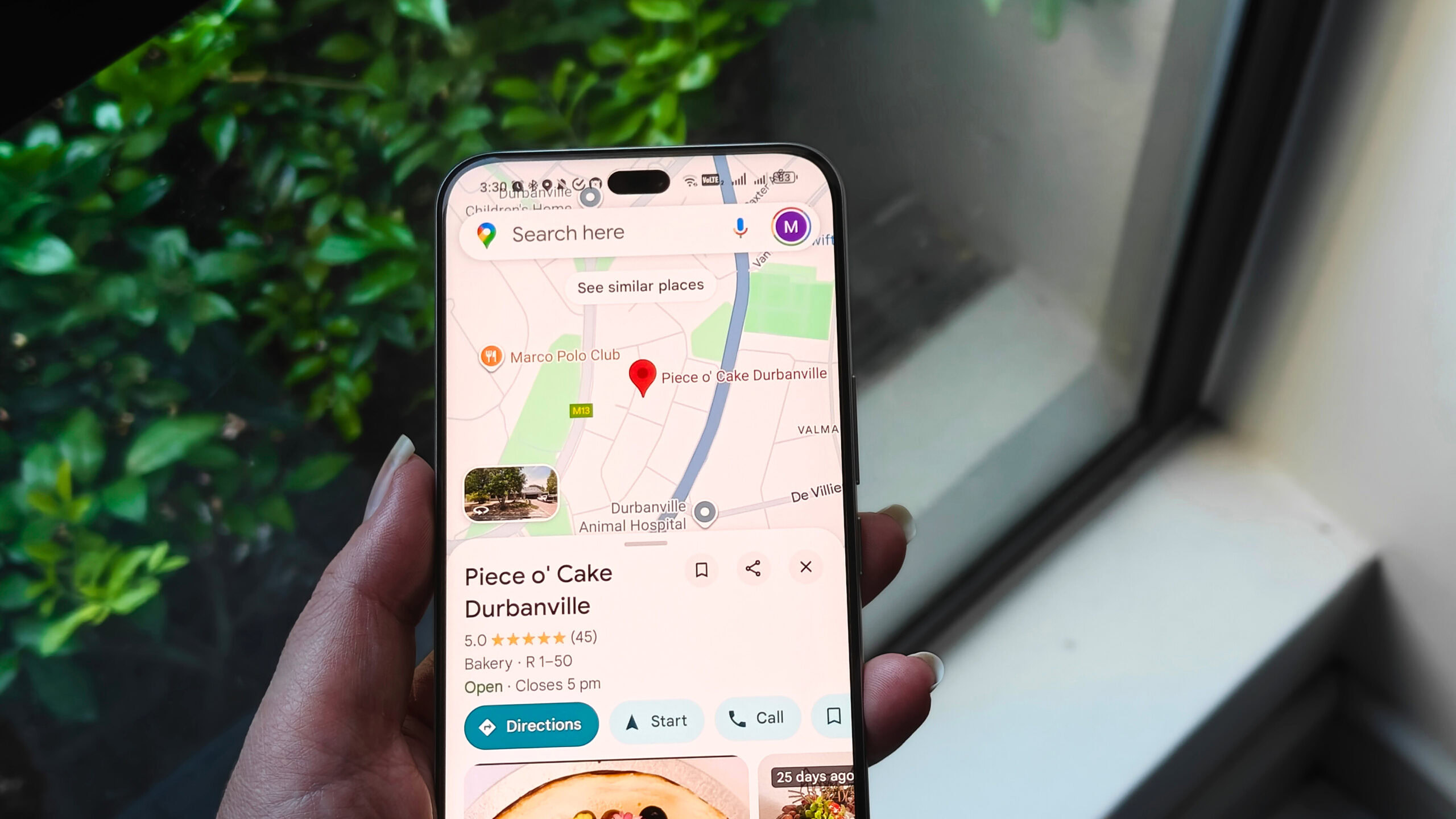
However, the experience was not without its drawbacks. Missed calls of semi-importance and the inability to spontaneously research nearby amenities, such as restaurants, were occasional frustrations. These moments highlighted the convenience lost when relinquishing constant cellular access, requiring a return to the disciplined planning around Wi-Fi hotspots that defined this period. Despite these inconveniences, the individual reflected that without this forced transition, such a fundamental rebalancing of digital life might never have occurred.
Societal Implications and the Digital Divide
This personal account resonates with broader societal discussions about digital dependence and the increasing challenges of the "always-on" culture. Data from various research institutions consistently indicates that average screen time for adults hovers around several hours daily, with a significant portion dedicated to social media and communication apps. This pervasive reliance on smartphones has led to concerns about mental health, attention spans, and social interaction quality. The experience of forced disconnection, therefore, serves as a micro-study into the potential benefits of a more deliberate digital lifestyle.
Moreover, the individual’s ability to navigate this period was significantly aided by existing privileges, such as a remote work setup and access to widespread public Wi-Fi. This underscores the reality of the digital divide, where access to reliable internet and alternative communication methods is not universally distributed. For many, particularly those in essential service roles, living in areas with limited public Wi-Fi, or lacking alternative devices, a complete cellular disconnection would present insurmountable obstacles, highlighting the critical role cellular networks play in economic participation and social inclusion.
Expert Perspectives on Digital Wellness
Digital wellness experts and sociologists frequently advocate for periods of intentional disconnection, often termed "digital detoxes," to foster mental well-being and improve focus. Dr. Anya Sharma, a prominent digital well-being researcher (hypothetical expert), might comment, "Experiences like this individual’s highlight the remarkable adaptability of humans when faced with a digital void. While not everyone can or should completely abandon cellular service, the forced re-evaluation of digital habits can lead to profound improvements in personal well-being, creativity, and real-world engagement. It demonstrates that our dependence on technology is often habitual rather than strictly necessary."
Similarly, technology analysts often point to the increasing integration of communication services like VoIP into broader digital ecosystems, making temporary cellular disconnection more feasible than in previous decades. However, they also caution about the security implications, particularly concerning two-factor authentication, which remains a significant hurdle for purely Wi-Fi-based communication strategies.
Re-Engaging with Connectivity: Enduring Lessons and Future Habits
After approximately nine to ten months, the individual acquired a new flagship smartphone and reinstated cellular service. While the return to ubiquitous connectivity undoubtedly streamlined daily tasks, the lessons learned during the period of disconnection proved enduring. Many of the habits formed during this time persisted, shaping a more mindful approach to technology use.
Key among these enduring habits is the intentional placement of the phone. Rather than carrying it constantly, the device is frequently left in a designated room, reducing the impulse for habitual checking. Similarly, the practice of not taking the phone on every short errand or outing, and actively refraining from using it at the dinner table, became ingrained. This reflects a conscious decision to prioritize present-moment engagement over constant digital stimulation. The renewed emphasis on physical activities, cultivated during the period of reduced connectivity, also continued.
While a complete abandonment of cellular plans is not a universally recommended strategy, particularly given the pervasive integration of smartphones into economic, social, and emergency infrastructures, the experience underscores the value of intentional digital disengagement. For many, a brief, deliberate break from constant phone access—perhaps a few days, or simply leaving the device in another room for portions of the day—could offer similar benefits. Such practices can help to unravel the ingrained habit of perpetual checking, fostering a more balanced and conscious relationship with technology.
Broader Implications for a Connected Society
This unique case study offers a compelling narrative on the possibilities and challenges of navigating contemporary life with limited cellular connectivity. It serves as a potent reminder that while technology offers unparalleled convenience, an over-reliance on it can inadvertently diminish one’s capacity for independent problem-solving, real-world engagement, and mental tranquility. The experience advocates not for a wholesale rejection of technology, but for a more deliberate, thoughtful, and balanced integration of digital tools into daily life.
As society continues its trajectory deeper into digital interconnectedness, the insights gleaned from such periods of disconnection become increasingly pertinent. They highlight the importance of digital literacy, not just in terms of using technology, but also in understanding how to manage its influence and intentionally step away when necessary. Ultimately, the ability to thrive with or without constant cellular access may become a vital skill in an ever-evolving digital landscape, promoting a healthier, more mindful relationship between individuals and their devices.