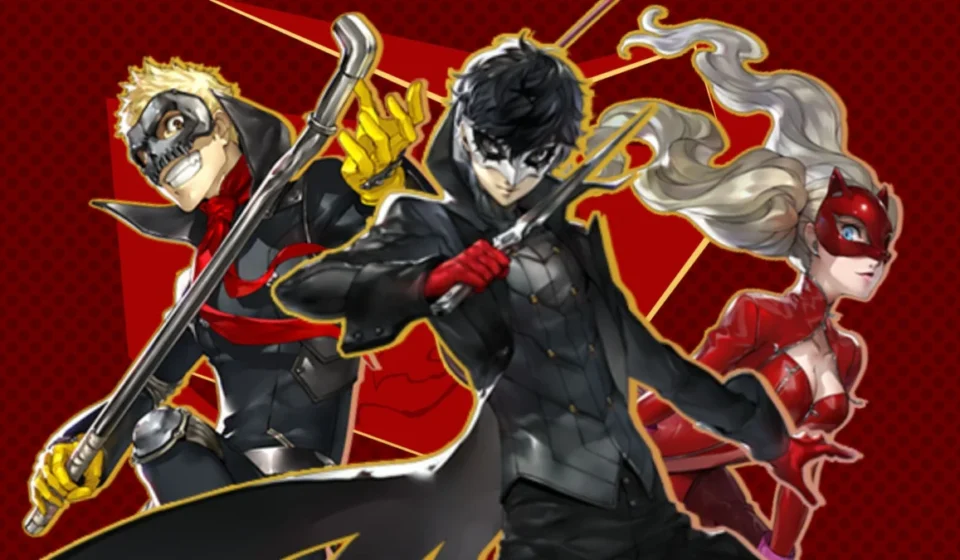

Ten years ago, the landscape of gaming was irrevocably altered by the introduction of a title that would transcend its genre and capture the imaginations of millions: Persona 5. What began as a personal discovery for one individual, witnessing the stylized anime aesthetic and engaging turn-based combat of Persona 5 through the eyes of a partner playing with teenagers, quickly blossomed into a profound appreciation for a game that has since become a cultural touchstone. This article delves into the enduring legacy of Persona 5, exploring its narrative depth, innovative design, musical brilliance, and the vast franchise it has spawned, while also examining its impact on players and the wider gaming industry.
The Genesis of a Phenomenon: From Personal Discovery to Critical Acclaim
The initial encounter with Persona 5 was described as a revelation. The visual splendor, characterized by its distinctive anime art style and slick presentation, coupled with the strategic depth of its turn-based combat, immediately captivated the observer. This fascination led to a personal dive into the game, an experience that was far from solitary. Across an impressive 80-hour playthrough, followed by an additional 95 hours dedicated to Persona 5 Royal, the expanded and enhanced version released in 2020, a deep connection was forged. This journey was marked by a spectrum of emotional responses – laughter, tears, and moments of cringe – all contributing to a thoroughly enjoyable and immersive experience. The decision to award Persona 5 a perfect 10/10 score was not taken lightly but felt “absolutely justified” by the game’s ability to deliver a consistently memorable and engaging experience across all its facets.
From its striking art direction and evocative soundtrack to the meticulously crafted background characters, vibrant locations, and even the mundane jobs that populate its world, Persona 5 created an unparalleled sense of place. The game’s ability to resonate so deeply stems from its thematic core. Unlike many games that present simplistic objectives, Persona 5 tackles enemies and societal issues that mirror real-world struggles. The narrative frequently explores themes of corruption, abuse of power, and the fight against systemic injustice, making the fictional Phantom Thieves’ endeavors feel both aspirational and tragically relevant. The character of Kamoshida, an abusive teacher, serves as a stark reminder of how such individuals can impact lives, a scenario unfortunately relatable to many. Similarly, the antagonist Shido, a corrupt politician who orchestrates the protagonist’s downfall, represents a familiar archetype of power gone awry, providing a narrative catalyst that fuels the Phantom Thieves’ rebellion.
The cast of characters surrounding the protagonist, Joker, are central to the game’s appeal. Each member of the Phantom Thieves possesses a distinct personality and a rich backstory, contributing to the game’s emotional weight. Their interactions, both in critical story moments and during casual hangouts, foster a strong sense of camaraderie and loyalty. The appeal of characters like Ryuji, whose boisterous personality and unwavering loyalty make him a fan favorite, underscores the game’s success in creating relatable and beloved companions. Even characters like Morgana, whose persistent presence can be a point of contention for some players, are acknowledged for their unique role and appeal within the ensemble.

A Symphony of Sound and Style: The Sonic and Visual Tapestry of Persona 5
While the characters and narrative are undeniably compelling, the music of Persona 5 stands out as a singular achievement, arguably the game’s most impactful element. The soundtrack, composed by Shoji Meguro and performed by vocalists like Lyn Inaizumi, has garnered widespread critical acclaim. Tracks such as "Last Surprise" and "Life Will Change" have become anthems, instantly recognizable and capable of evoking powerful emotions and a sense of exhilarating energy. The game’s commitment to auditory excellence was further demonstrated by the "Persona Grooves" concert series, a testament to the music’s enduring popularity and its ability to transcend the gaming medium and inspire live performance. The sonic landscape of Persona 5 is not merely background noise; it is an integral part of the game’s identity, enhancing every narrative beat and combat encounter.
Beyond the music, the game’s visual design is equally revolutionary. The art style, characterized by its bold, graphic-novel-inspired aesthetic, vibrant color palette, and dynamic UI, set a new benchmark for JRPGs. This "sick anime style," as initially described, is more than just an aesthetic choice; it is a fundamental component of the game’s immersive quality. The detailed character models, expressive animations, and meticulously designed environments contribute to a world that feels alive and distinct. The game’s commitment to artistic integrity extends to even the smallest details, such as the text messages exchanged between characters, which often include humorous or endearing visual elements, and quirky in-game events like Yusuke’s peculiar shopping habits or the simple act of tending to a plant in the protagonist’s attic room. These "silly moments," as they are called, are vital in humanizing the characters and adding layers of charm and authenticity to the gameplay experience.
However, even in a game celebrated for its near-perfection, minor criticisms can arise. The Okumura boss fight, for instance, is frequently cited as a point of contention due to its timed nature and the challenge of simultaneously defeating multiple enemies. This particular hurdle, often requiring strategic use of high-level Personas or multiple attempts, highlights an area where the game’s otherwise fluid gameplay falters for some players.
Expanding the Phantom Thieves’ Legacy: A Franchise in Bloom
The impact of Persona 5 extends far beyond its initial release. Atlus, the game’s developer, has masterfully cultivated its success by expanding the Persona 5 universe into a full-fledged franchise. This expansion began with Persona 5 itself in 2016, followed by the critically acclaimed Persona 5 Royal in 2020, which added new characters, story arcs, and gameplay mechanics, further solidifying its status as a definitive JRPG experience.
The franchise’s reach continued to grow with subsequent spin-offs. Persona 5 Strikers, released in 2020, offered a fresh take on the series by incorporating real-time action combat while continuing the story of the Phantom Thieves, allowing players to spend more time with beloved characters like Ann and Ryuji. In 2023, Persona 5 Tactica arrived, presenting a tactical role-playing game that saw the Phantom Thieves embark on a new adventure with a distinct gameplay style, demonstrating the versatility of the core IP. Most recently, Persona 5: The Phantom X has emerged as a unique gacha game spin-off, bringing players back to Tokyo with a new protagonist, showcasing Atlus’s continuous efforts to innovate within the established universe. While Persona 5 Royal remains the pinnacle for many, the collective P5 game series offers a rich and varied experience for fans.

Beyond video games, the Persona 5 narrative has been further explored through various media. Adaptations into manga and anime series have provided additional avenues for fans to immerse themselves in the Phantom Thieves’ world. The availability of the anime for free on Atlus’s YouTube channel further democratizes access to this rich universe, allowing new audiences to discover the magic of Persona 5. This multi-platform approach has been instrumental in cementing the franchise’s status as a pop culture phenomenon.
A Decade of Impact: Player Testimonials and Industry Influence
The enduring appeal of Persona 5 is perhaps best articulated through the voices of its dedicated fanbase. In anticipation of the game’s tenth anniversary, sentiments shared on platforms like Reddit reveal a common thread: Persona 5 is often a gateway into the Persona series, serving as a formative experience for many players. The consensus on the game’s soundtrack being "the best ever" and filled with "bangers" is near-universal. For many, Persona 5 provided an idealized high school experience, a welcome escape from the challenges of real-life adolescence.
Player testimonials highlight the profound emotional and psychological impact of the game. Comments like Freya584’s "I heard very good things, but I didn’t really expect something THAT good" and Full_Metal18’s observation that "It just hit in a way no other game ever has or probably ever will" capture the deep personal connection players have formed with the title. NateGreatGames’s recognition of the "amazing art direction" that "moved not only the series, but the industry forward" speaks to the game’s broader artistic influence. Goddessofgoo’s reflection that "Every new part was very exciting" echoes the sentiment of anticipation and satisfaction that the game consistently delivers.
One particularly poignant testimonial from McFanon on Reddit describes Persona 5 as a game that "found me at a time of depression and isolation and genuinely gave me will to live that I cling onto to this day that no other game has come more than a little close to." This profound statement underscores the power of interactive media to provide solace, hope, and a sense of purpose during difficult times. It serves as a powerful testament to Persona 5‘s ability to transcend mere entertainment and become a life-altering experience for some.
The game’s influence is not confined to individual player experiences. Its innovative UI design, bold art direction, and sophisticated narrative have inspired countless developers and contributed to the evolution of the JRPG genre. The success of Persona 5 has undoubtedly paved the way for more ambitious and thematically rich narrative-driven games, encouraging a greater focus on artistic expression and emotional resonance within the industry.

Looking Ahead: The Future of the Persona Series
As Persona 5 celebrates its decade-long journey, the future of the Persona series remains a topic of fervent speculation and anticipation among fans. The upcoming tenth anniversary of Persona 5 is a significant milestone, and players eagerly await potential announcements from Atlus. Rumors and hopes for a Nintendo Switch 2 update for the game are prevalent, which would undoubtedly bring the acclaimed title to a wider audience on next-generation hardware.
Furthermore, 2024 marks the 30th anniversary of the Persona series as a whole, a landmark occasion that could herald significant news. With the recent release of Persona 5: The Phantom X and the continued success of the franchise, the anticipation for Persona 6 is immense. Fans hope that Persona 6 will build upon the monumental legacy of its predecessors, particularly Persona 5, delivering another unforgettable experience that pushes the boundaries of narrative, gameplay, and artistic innovation. The wait for these future installments is a testament to the lasting impact and beloved status of the Persona series, a legacy that Persona 5 has undeniably amplified.