Samsung Galaxy Z Fold 8 Sets High Bar as Apple’s Rumored iPhone Ultra Prepares for Foldable Market Entry

The anticipated arrival of Apple’s first foldable device, widely speculated as the iPhone Ultra, is poised to ignite a new competitive front in the nascent foldable smartphone market. However, industry observers suggest that Samsung, with its newly unveiled Galaxy Z Fold 8, has already established a formidable benchmark that Apple will find challenging to surpass by default. Early hands-on experiences with the Galaxy Z Fold 8 have highlighted its refined form factor and enhanced user experience, reinforcing Samsung’s position as a seasoned innovator in this specialized segment. This dynamic sets the stage for a compelling contest between two tech giants, with Samsung leveraging years of iterative development against Apple’s potential for disruptive entry.
Samsung’s Established Dominance and the Galaxy Z Fold 8’s Refinements
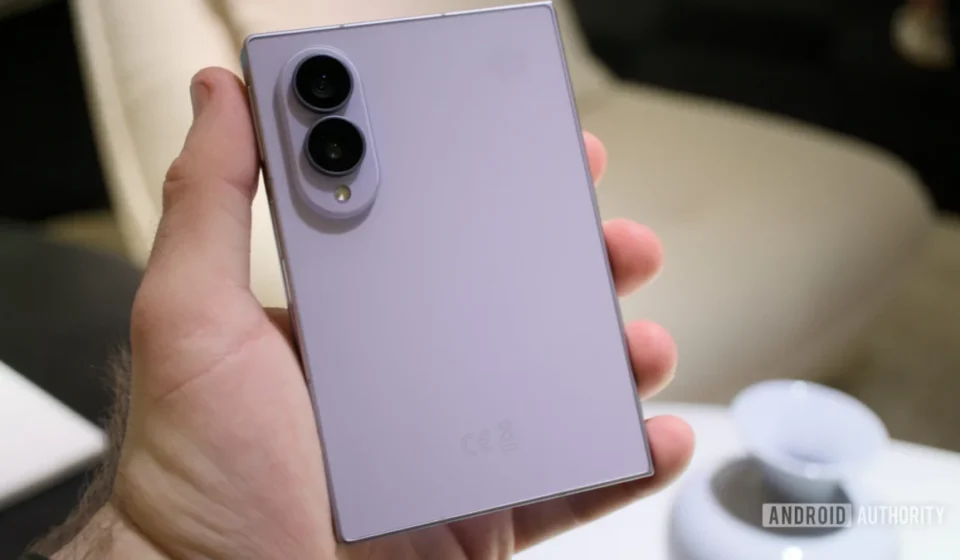
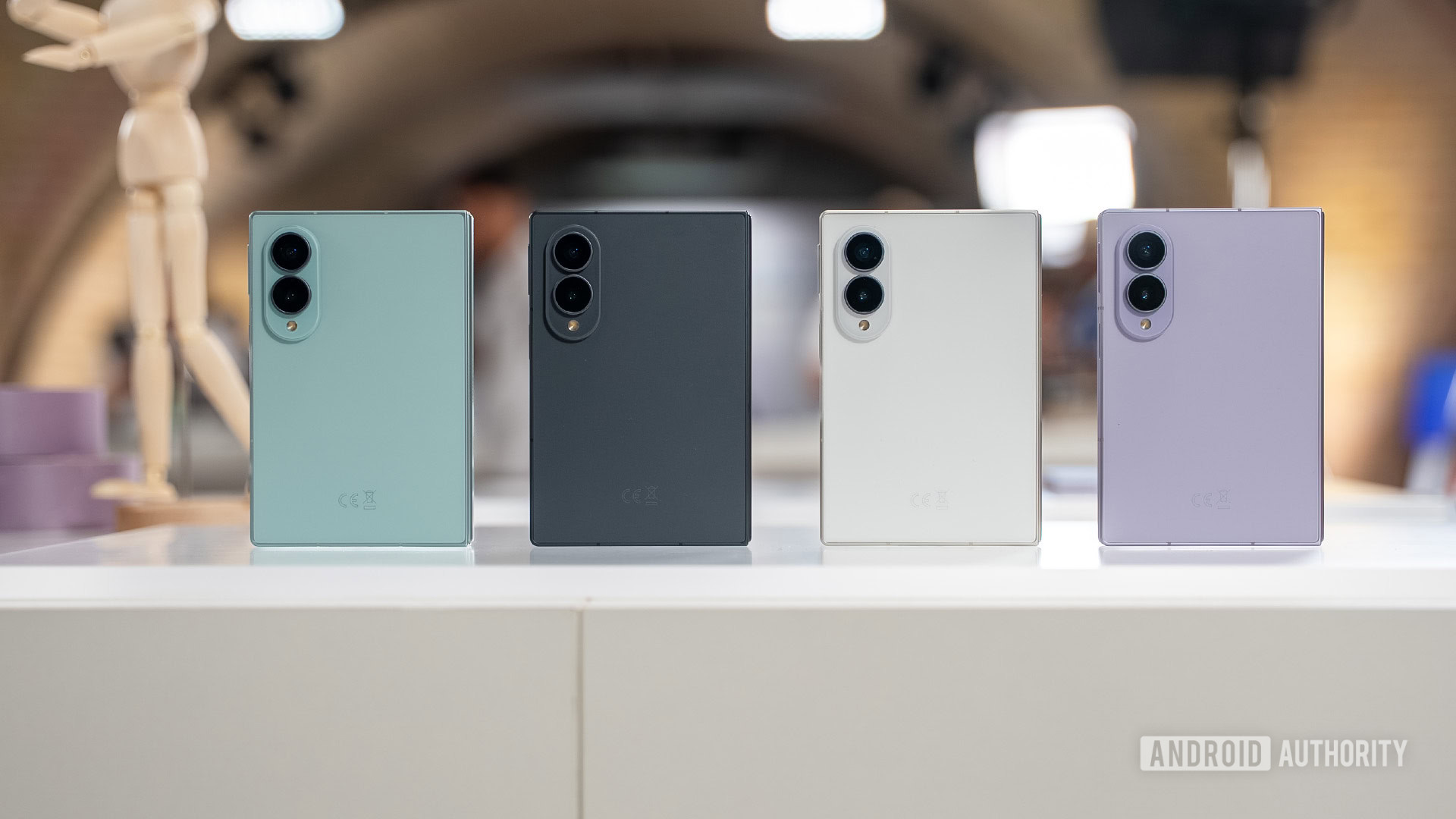
Samsung has been a pioneering force in the foldable smartphone arena, having introduced its first Galaxy Fold in 2019. The journey since has been one of continuous refinement, addressing initial concerns regarding durability, software optimization, and overall user experience. The Galaxy Z Fold 8 represents the eighth iteration of this flagship foldable series, benefiting from a cumulative understanding of user needs and engineering challenges. This latest model boasts a wider foldable design that prioritizes both comfort and portability, making the device more ergonomic in both its folded and unfolded states. A lighter body contributes to its enhanced handling, while the inclusion of 45W fast charging addresses a crucial demand for modern flagship devices. Underpinning its performance is the advanced Snapdragon 8 Elite Gen 5 processor, ensuring robust capabilities for demanding applications and multitasking. Furthermore, the integration of Galaxy AI features signals Samsung’s commitment to infusing artificial intelligence into its core user experience, and a capable dual 50MP camera system promises high-quality photographic output. The Galaxy Z Fold 8’s sophisticated design and powerful specifications underscore Samsung’s significant head start and its intent to maintain leadership in the foldable segment.
The global foldable market, while still a niche, has witnessed substantial growth, with analysts projecting continued expansion. According to Counterpoint Research, the foldable smartphone market is expected to grow from 21.4 million units in 2024 to over 100 million units by 2027. Samsung has consistently held the lion’s share of this market, demonstrating not only manufacturing prowess but also a deep understanding of the unique challenges and opportunities presented by foldable technology. The Galaxy Z Fold 8’s current pricing, estimated around $1,900, positions it as a premium device, yet potentially more accessible than the anticipated entry from Apple, which has historically commanded higher price points for its top-tier products. This pricing strategy could allow Samsung to capture a broader segment of early adopters and discerning users looking for a high-end foldable experience without the potentially higher premium of an Apple counterpart.
The Multitasking Imperative: Android’s Head Start in Software Optimization
A core argument for the superiority of book-style foldables lies in their ability to serve as potent productivity tools. The expansive internal display, when unfolded, transforms the device into a tablet-like canvas, ideal for multitasking. This capability is not merely about screen size but critically depends on the underlying operating system’s ability to manage and display multiple applications simultaneously and intuitively. Here, Android, particularly Samsung’s customized One UI, holds a distinct advantage rooted in years of development and optimization for larger screens and multi-window environments.
Samsung’s Galaxy Z Fold series has honed its multitasking features to a fine art. Capabilities such as "90:10 multitasking" allow users to divide the screen with remarkable flexibility, resizing and repositioning application windows across different orientations. The "App Pairs" feature is another testament to this focus, enabling users to save frequently used combinations of applications that launch simultaneously in a split-screen configuration, significantly streamlining workflows. The persistent taskbar, another staple of Samsung’s foldable experience, further enhances productivity by providing quick access to favorite and recently used applications, effectively mirroring a desktop-like environment.
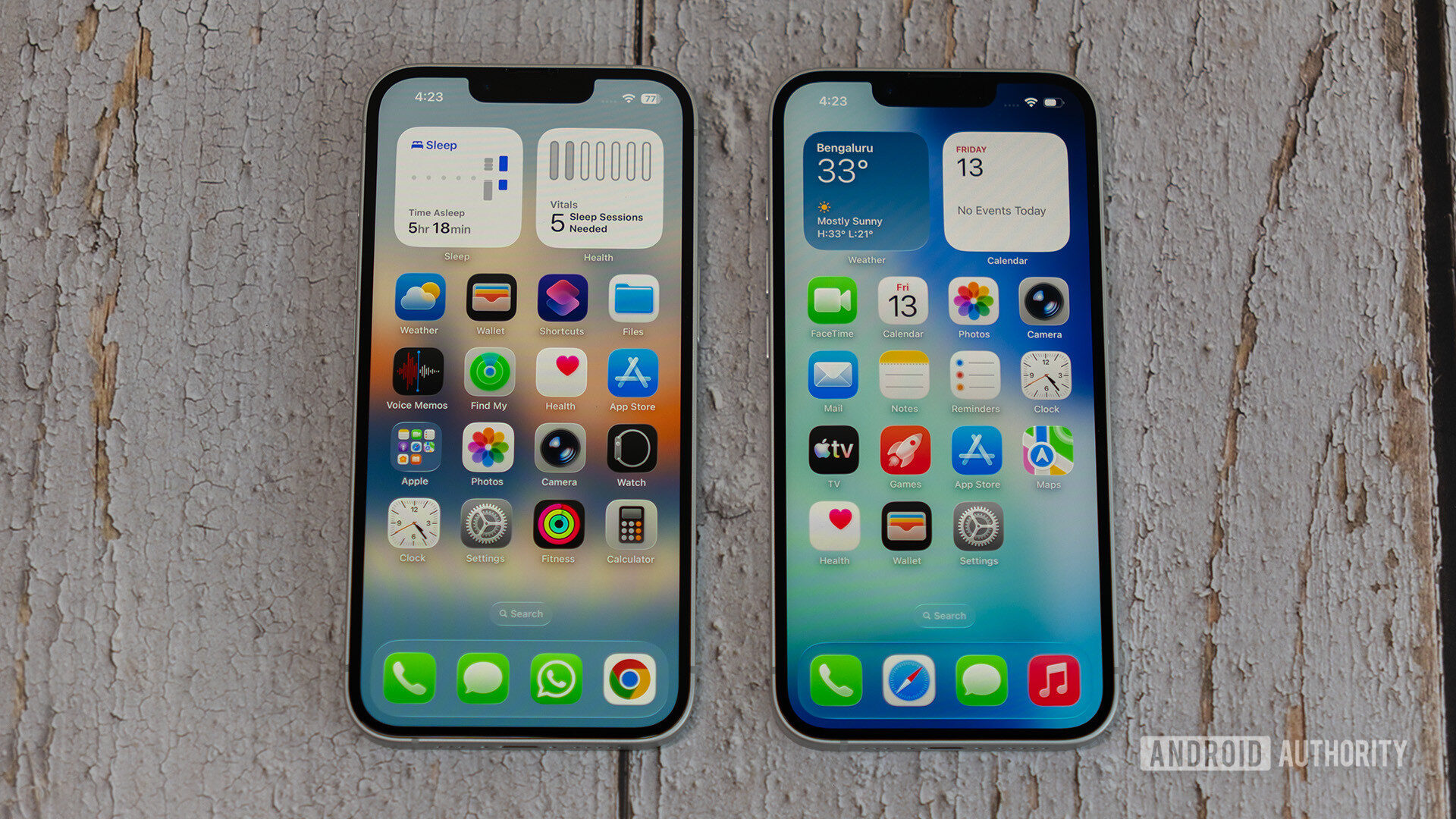
In stark contrast, Apple’s iOS ecosystem on iPhones has historically maintained a more singular focus on one app at a time, prioritizing simplicity and a highly curated user experience. While iPadOS offers some multitasking functionalities, including Split View and Slide Over, these have not been seamlessly translated to the iPhone platform, which has traditionally lacked multi-window support. The challenge for Apple with the rumored iPhone Ultra will be to adapt iOS to the unique demands of a foldable form factor without compromising its core principles. Industry analysts question whether Apple will be willing to relinquish the level of control it typically exercises over the user experience, potentially limiting the flexibility and advanced multitasking features that have become standard on Android foldables. The absence of a robust, established multitasking framework on iPhones means that Apple would effectively be starting from scratch, a significant undertaking that could present a steep learning curve for both developers and users.
Hardware and Durability: Samsung’s Learning Curve Advantage
Beyond software, the physical engineering of a foldable device, particularly the hinge mechanism, presents substantial technical hurdles. Hinges must operate flawlessly through tens of thousands of folds, enduring repeated stress while also preventing the ingress of dust and debris, which can be detrimental to the delicate internal display. Samsung’s journey with its Fold series has been marked by a continuous evolution in hinge design and overall device durability. The early generations faced scrutiny over crease visibility and susceptibility to environmental factors. However, through successive iterations, Samsung has demonstrably improved these aspects, culminating in a highly robust and reliable mechanism in the Galaxy Z Fold 8.
While Apple is renowned for its industrial design and meticulous engineering, entering the foldable market means confronting a unique set of design and manufacturing challenges that Samsung has spent years overcoming. Developing a hinge system that is both durable and aesthetically pleasing, capable of reliable operation over an extended lifespan, will inevitably involve a period of "growing pains." Apple would not be starting entirely from scratch, as hinge technologies and flexible display advancements are widely available from suppliers, but integrating these into a cohesive, Apple-standard product requires significant internal research, development, and testing. Samsung’s cumulative experience in manufacturing at scale and its direct feedback loop from millions of users provide an invaluable advantage in understanding and mitigating potential hardware vulnerabilities.
Furthermore, Samsung has also refined other critical aspects of the foldable experience, such as app continuity between the cover screen and the internal display. This seamless transition ensures that applications dynamically adjust their layout and content as the device is folded or unfolded, providing an uninterrupted user experience. The broad support from Android developers, who have been optimizing their applications for larger and variable screen sizes for years, is another crucial factor. Apple, with a relatively uniform screen size across its iPhone lineup, does not have the same extensive track record of developers adapting apps for significantly different form factors within the smartphone category. Should Apple choose not to implement a robust system for scaling unsupported apps, as Samsung and Google have done, it risks compromising the user experience on its foldable, a departure from its usual commitment to perfection. This suggests Apple may need to take calculated risks and potentially relax some of its stringent control over the user interface to deliver a competitive foldable product.
Ecosystem Power and Design Prowess: Apple’s Inherent Strengths
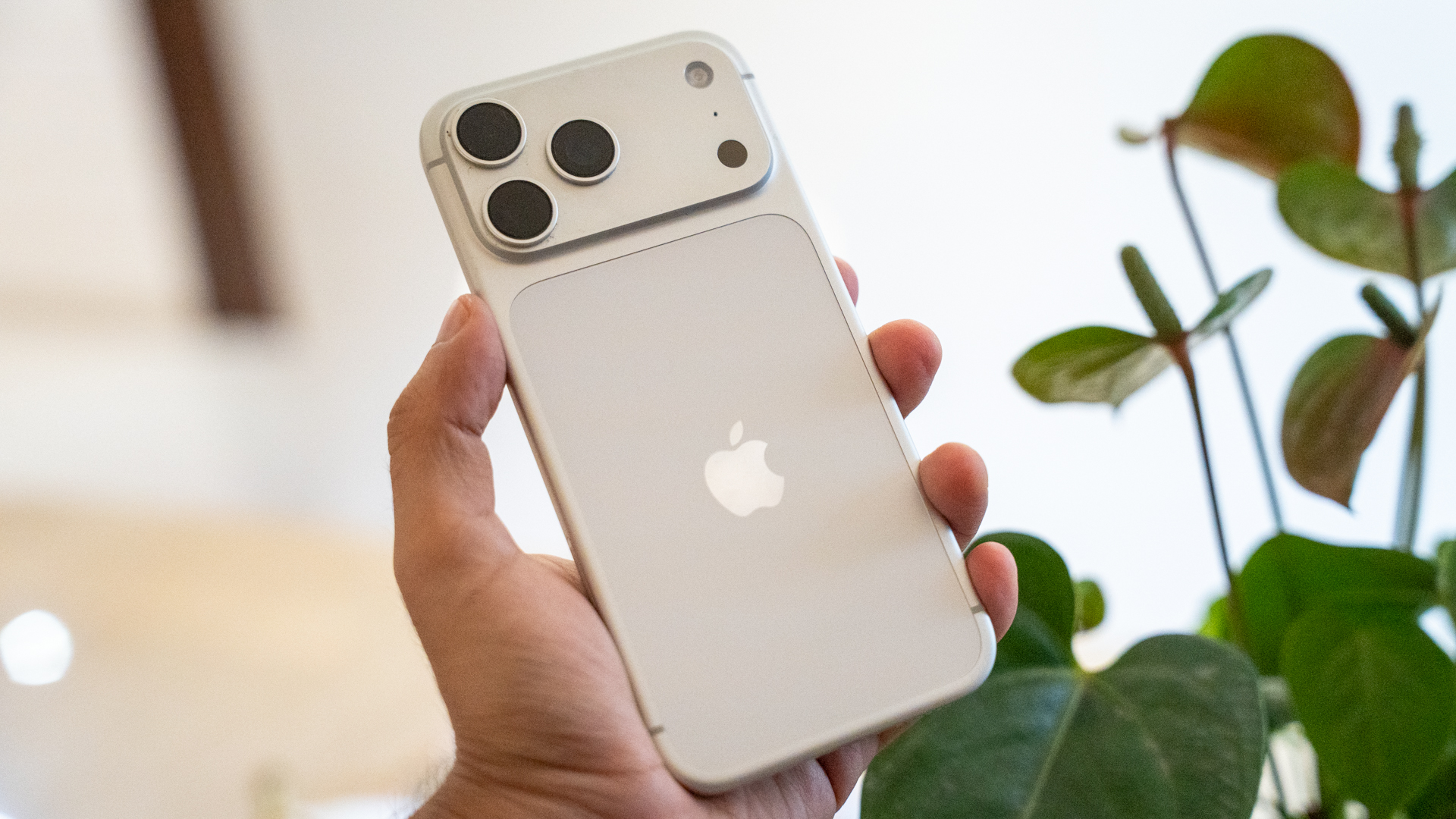
Despite the significant advantages Samsung has accrued in the foldable market, Apple possesses an array of inherent strengths that could propel the iPhone Ultra to considerable success. The Apple ecosystem remains its most potent weapon, acting as a powerful magnet for users. For millions of consumers deeply embedded in Apple’s suite of services, devices, and software, the introduction of an Apple-branded foldable would eliminate a primary barrier to entry into this form factor. These users, who might otherwise consider an Android foldable, will now have an option that seamlessly integrates with their existing digital lives, from iCloud to iMessage and beyond. The sheer appeal of a first-party Apple foldable, regardless of initial market standing, is hard to overestimate for its dedicated user base.
Apple’s industrial design is legendary, and the company has consistently delivered products that are not only functional but also aesthetically groundbreaking. It is reasonable to expect the iPhone Ultra to feature a meticulously crafted design, potentially setting new standards for elegance and premium feel in the foldable space. Apple’s marketing machinery is unparalleled, capable of transforming a new product category into a desirable lifestyle statement. While Samsung and Motorola (with its Razr series) have made strides in positioning foldables as aspirational devices, Apple’s long history of successful product launches and its mastery of brand narrative could quickly elevate the iPhone Ultra to iconic status. This brand power often allows Apple to command premium pricing and drive rapid adoption, even when entering an established market later than competitors.
The Role of AI and Pricing Dynamics
The recent unveiling of "Apple Intelligence" also introduces a new dimension to this competition. While initially met with mixed reactions, Apple Intelligence has the potential to become a significant differentiator for future iOS devices, including the rumored iPhone Ultra. Given that iPhone users often accumulate years, if not decades, of personal data across their devices and iCloud backups, an AI system capable of intelligently organizing, recalling, and leveraging this vast trove of information could fundamentally enhance the user experience. If Apple Intelligence can evolve to provide truly meaningful and proactive assistance, transforming iOS into a more personalized and intuitive platform, it could offer a compelling reason for users to invest in a high-end device like the iPhone Ultra.
Regarding pricing, the Galaxy Z Fold 8, at an estimated $1,900, is undeniably a premium product. However, Apple’s historical pricing strategy, particularly for its "Pro" and "Ultra" designated devices, suggests that the iPhone Ultra could easily surpass this figure, potentially entering the market north of $2,200. This significant price differential could become a crucial factor for consumers, especially those not rigidly tied to the Apple ecosystem. A more affordable (relatively speaking) and feature-rich Galaxy Z Fold 8 could present a compelling value proposition, particularly for users prioritizing cutting-edge technology and multitasking capabilities without incurring Apple’s additional brand premium.
Market Outlook and Future Competition
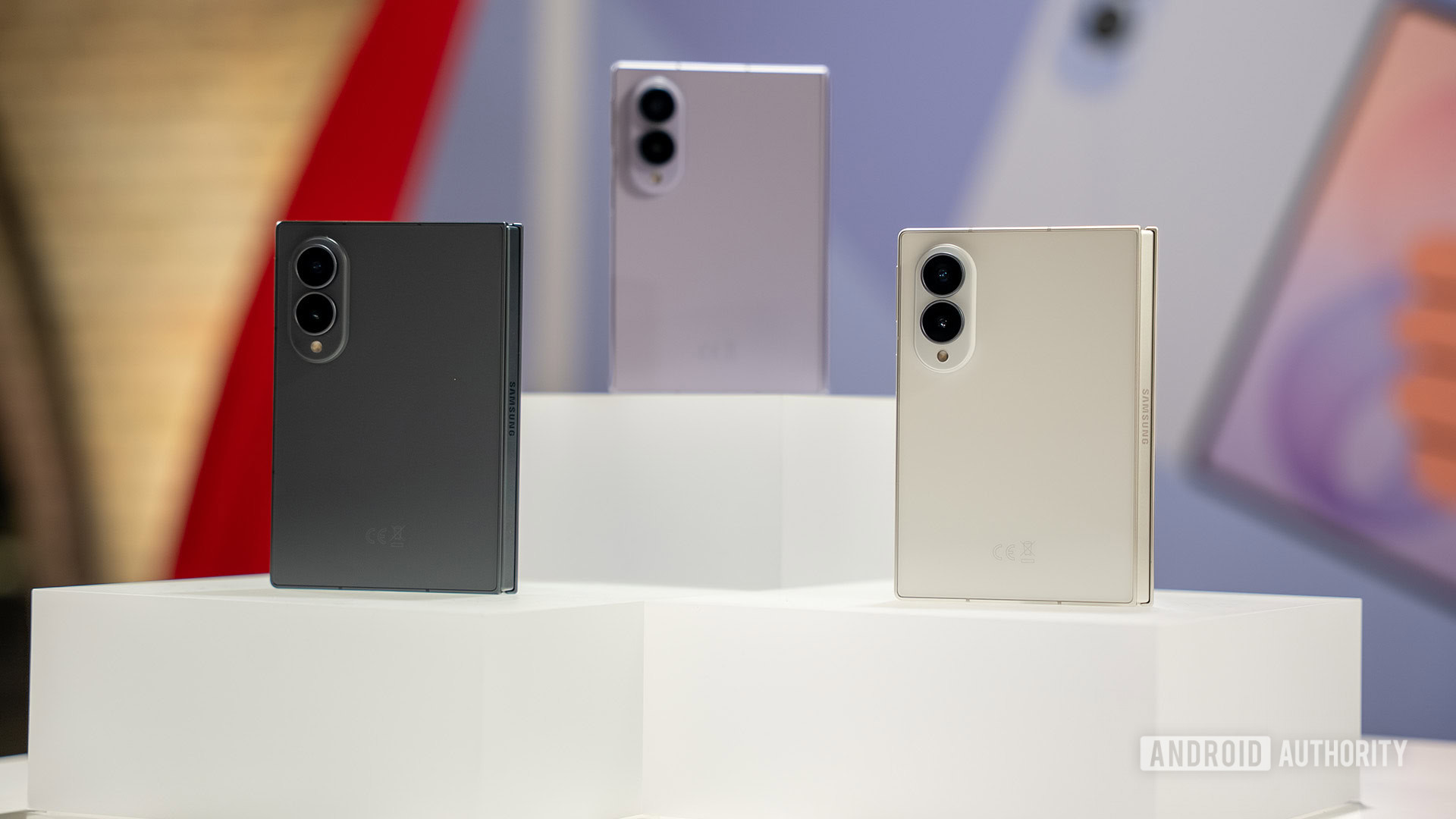
Ultimately, the competition between the Samsung Galaxy Z Fold 8 and the rumored Apple iPhone Ultra will likely be a closely watched "horse race," as industry experts often describe such high-stakes contests. While the iPhone Ultra will undoubtedly attract a massive audience primarily due to Apple’s ecosystem lock-in and brand loyalty, it would be an oversimplification to assume it will automatically eclipse the Galaxy Z Fold 8. Samsung’s years of iterative development have yielded a highly refined and robust foldable experience, particularly in crucial areas like software optimization for multitasking, hardware durability, and app continuity. These aspects highlight the inherent strengths of the Android platform’s open and flexible nature, which allows for greater customization and innovation in adapting to novel form factors.
The ability of a single company to dictate the "best" working environment for every user is challenged by the diverse needs of modern smartphone consumers. Android’s more open architecture has fostered a rich ecosystem of developers and manufacturers who have pushed the boundaries of what a mobile operating system can do, especially on versatile devices like foldables. While the iPhone Ultra will undoubtedly be an impressive device, fully dismissing the Galaxy Z Fold 8 would be an oversight. Samsung has invested heavily in proving the viability and utility of the foldable form factor, and its latest iteration stands as a testament to that commitment, ready to contend vigorously for market share and user loyalty against any new entrant, even one as formidable as Apple. The true winner in this unfolding scenario will ultimately be the consumer, benefiting from heightened innovation and increasingly sophisticated foldable devices.