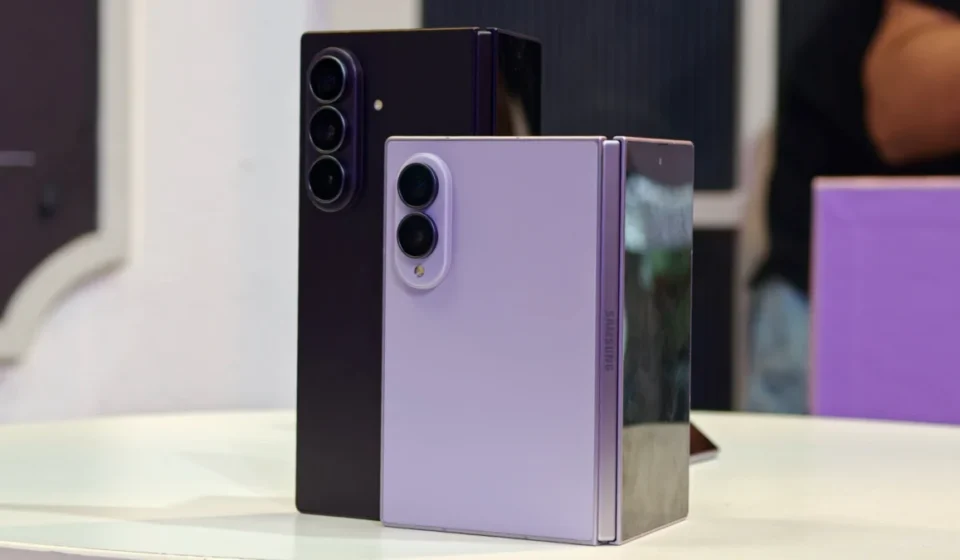

The unveiling of Samsung’s latest generation of foldable smartphones, the Galaxy Z Fold 8, Galaxy Z Fold 8 Ultra, and Galaxy Z Flip 8, marks a significant moment not only for hardware innovation but also for enhanced software capabilities. These devices, which are now officially on the market, arrive pre-loaded with the stable release of One UI 9, bringing a suite of new features and refinements. Among the most notable, and indeed a welcome return, is the integrated ability to utilize the smartphone’s high-fidelity camera system as a dedicated PC webcam via a simple USB connection. This reintroduction elevates the utility of these premium devices, particularly in an era increasingly defined by hybrid work models and virtual communication.
This capability, while new to Samsung’s foldable line-up, has seen previous implementations in other flagship devices. Google pioneered native support for this feature on its Pixel smartphones with the advent of Android 14, setting a new standard for cross-device functionality. Samsung itself integrated this feature into its Galaxy S26 series, demonstrating a clear commitment to enhancing the versatility of its top-tier handsets. The absence of this feature in the preceding Galaxy Z7-series foldables made its reintroduction on the Z8 series a highly anticipated and significant upgrade, underscoring Samsung’s responsiveness to evolving user needs and industry trends. The inclusion across all three new foldable models – the Z Fold 8, Z Fold 8 Ultra, and Z Flip 8 – confirms a broad strategic push to equip its most advanced devices with robust productivity tools.
The Evolution of Smartphone Webcam Integration
For years, the concept of using a smartphone as a webcam was relegated to third-party applications, which often came with their own set of limitations regarding latency, resolution, and ease of setup. These solutions typically required installing companion software on both the phone and the computer, configuring network settings, and enduring potential connectivity issues. While they served a purpose in the absence of native support, they rarely offered the seamless, high-quality experience users expected from their premium smartphone cameras.
The shift began earnestly with Google’s integration into Android 14. Google’s rationale was straightforward: modern smartphone cameras far surpass the quality of most integrated laptop webcams and even many standalone external webcams. By providing native support, Google aimed to offer users a superior video conferencing experience without requiring additional hardware or complex software configurations. This move was widely lauded by the tech community and users alike, establishing a new benchmark for smartphone utility.
Samsung followed suit, recognizing the inherent value this feature brought to its ecosystem. The Galaxy S26 series, prior to the foldables, became the first Samsung flagships to offer this direct USB webcam functionality. This demonstrated Samsung’s intent to not only keep pace with industry innovations but also to enrich the value proposition of its high-end devices. The positive reception to the S26 series’ webcam feature likely solidified Samsung’s decision to extend it to its flagship foldables, where its utility is arguably even more pronounced.
Seamless Integration and Enhanced User Experience
Activating the webcam mode on the new Galaxy Z8 foldables is remarkably straightforward, mirroring the simplicity found in the Galaxy S26 series and Pixel devices. Users simply connect their Z Fold 8, Z Fold 8 Ultra, or Z Flip 8 to a PC using a standard USB cable – typically a USB-C to USB-C or USB-C to USB-A, depending on the computer’s ports. Upon connection, a notification appears on the phone’s screen, indicating that the device is charging via USB. Tapping this notification reveals a menu of USB options, among which "webcam mode" is now prominently listed. Selecting this option instantly transforms the smartphone into a high-definition webcam, ready for use with any video conferencing application on the connected computer, such as Zoom, Microsoft Teams, Google Meet, or OBS Studio for streaming.
The immediate benefit of this native integration over third-party solutions is reliability and performance. Native support leverages the phone’s hardware and software more efficiently, resulting in lower latency, higher frame rates, and superior image quality. Users can expect crystal-clear video, accurate color reproduction, and excellent low-light performance, characteristics that are hallmarks of modern Samsung flagship cameras. Furthermore, the absence of additional software installations or complex network setups significantly streamlines the user experience, making it accessible to a broader demographic.
The Foldable Advantage: A Built-in Stand
While the webcam functionality is valuable across all compatible smartphones, its implementation on the Galaxy Z Fold 8, Z Fold 8 Ultra, and Z Flip 8 gains a distinct advantage due to their unique form factors. The inherent design of these foldables allows them to "flex" or fold open halfway, effectively transforming into a self-standing device. This "Flex Mode," a signature feature of Samsung’s foldable line, eliminates the need for external tripods or stands, which are often required when using traditional smartphones as webcams.
For the Galaxy Z Fold 8 and Z Fold 8 Ultra, the larger main display can be used for other tasks while the smaller cover screen or a portion of the main screen displays the camera feed, offering unparalleled multitasking capabilities during video calls. The Z Flip 8, with its compact clamshell design, also benefits immensely, easily propping itself up on any flat surface to provide a stable, perfectly angled camera view. This integrated stand functionality means users can quickly set up their high-quality webcam in virtually any environment, from a desk to a coffee shop table, with minimal fuss. This ergonomic advantage is a critical differentiator, making the webcam mode on foldables arguably more practical and user-friendly than on their rigid smartphone counterparts, such as the Galaxy S26 series. It allows for creative framing, stable shots, and hands-free video conferencing, further enhancing the device’s utility for content creators, remote workers, and casual users alike.
One UI 9: The Software Backbone
The arrival of One UI 9 stable alongside these new foldables is crucial to the seamless integration and performance of the webcam feature. One UI, Samsung’s customized Android overlay, plays a pivotal role in optimizing hardware and software interactions. While specific details on One UI 9’s full feature set beyond the webcam mode are still being explored, it is evident that Samsung has engineered its latest software iteration to maximize the potential of its new foldable hardware. This includes not just core Android 14 features but also Samsung-specific enhancements that improve multitasking, display optimization, and peripheral device integration.
One UI 9’s role extends to managing the camera’s output, potentially offering advanced features like auto-framing, background blur, or digital zoom directly from the phone’s camera interface when in webcam mode. These intelligent features, powered by the phone’s robust neural processing units (NPUs), can significantly enhance the quality and professionalism of video calls, making the smartphone camera a truly formidable tool for virtual communication. The software also ensures compatibility with a wide array of PC operating systems and video conferencing applications, further solidifying its "plug and play" ethos.
Market Context and Competitive Landscape
The move by Samsung to consistently integrate and improve this webcam functionality is reflective of a broader industry trend towards greater device convergence and ecosystem integration. Apple, a key competitor, has long offered a similar feature called "Continuity Camera," which allows iPhone users to seamlessly utilize their device’s camera as a webcam for macOS devices. This feature has been a significant draw for users within the Apple ecosystem, emphasizing convenience and high-quality video. Samsung’s sustained commitment to its USB webcam mode positions it as a strong contender in offering comparable, if not superior, cross-device functionality for its Android and Windows user base.
This trend also speaks to the increasing demand for high-quality video communication tools. With the global workforce increasingly embracing remote and hybrid models, reliable and high-definition video conferencing has become an essential part of daily professional life. By providing a native, high-performance webcam solution, Samsung is directly addressing a critical need for its users, adding substantial value to its premium smartphone offerings. Furthermore, it subtly challenges the market for standalone webcams, as the quality offered by flagship smartphone cameras often surpasses that of many dedicated external webcams, especially at lower price points.
Implications and Future Outlook
The reintroduction and enhancement of the USB webcam mode on the Galaxy Z Fold 8, Z Fold 8 Ultra, and Z Flip 8 carry significant implications. For users, it means unparalleled convenience and access to professional-grade video quality without additional investment. It simplifies remote work setups, streamlines content creation workflows, and enhances casual video calls with friends and family. This feature reinforces the idea that a smartphone is not merely a communication device but a versatile, all-encompassing productivity tool.
For Samsung, this move strengthens its ecosystem play, making its devices more integral to a user’s broader digital life. By offering robust features that bridge the gap between mobile and desktop computing, Samsung enhances the stickiness of its brand and justifies the premium pricing of its flagship foldables. It also signals a potential roadmap for future Galaxy devices, suggesting that this webcam functionality may become a standard expectation across all new Galaxy models, from flagships to potentially even some mid-range offerings, further democratizing access to high-quality video communication.
The environmental implications are also noteworthy. By leveraging existing smartphone hardware for webcam functionality, users can potentially reduce their consumption of dedicated electronic devices, contributing to a more sustainable technology ecosystem. This aligns with a growing global emphasis on reducing e-waste and maximizing the lifespan and utility of consumer electronics.
As the Galaxy Z8 foldables begin to reach consumers early next month, users are encouraged to explore this powerful new-yet-returning feature. Whether for professional virtual meetings, streaming, or simply better-quality video calls, the integrated USB webcam mode stands to significantly enhance the overall user experience. Those who have not yet secured their device are prompted to consider pre-ordering to experience the full suite of innovations, including the enhanced productivity offered by One UI 9 and its seamless webcam integration. Samsung’s latest foldables are poised to not only push the boundaries of smartphone design but also to redefine their role as indispensable tools in our increasingly connected and visually-driven world.