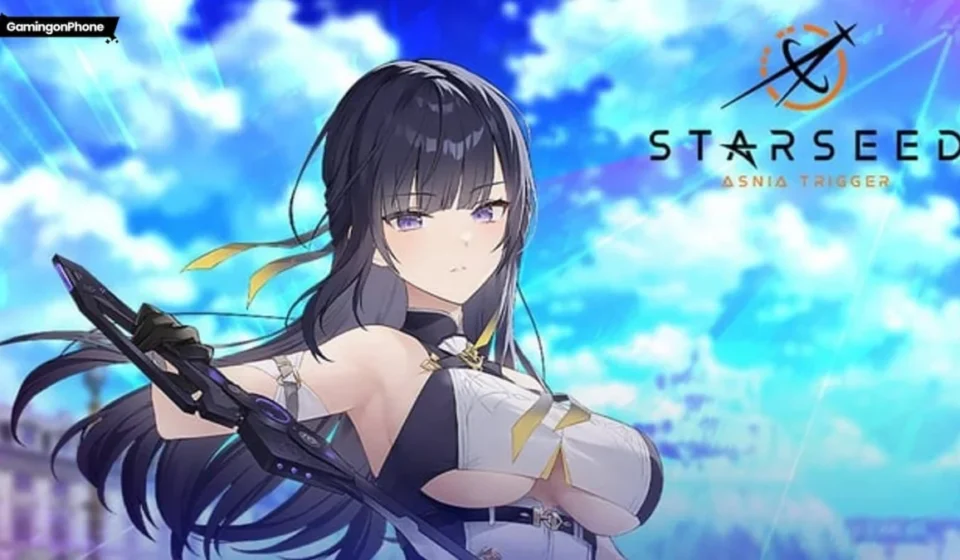
STARSEED: Asnia Trigger ends its content roadmap after final content update, but servers will remain online

Com2uS, the renowned South Korean mobile game developer and publisher, has announced a significant shift in the operational strategy for its idle RPG, STARSEED: Asnia Trigger. Following a major content update, known as the "Yume" update, which was released on July 23, 2026, the company confirmed that the game would no longer receive new content updates. Despite this cessation of active development, Com2uS has committed to keeping the game’s servers online, ensuring that players can continue to access the existing content through rotating events and ongoing customer support, a move that differentiates it from a complete End-of-Service (EOS) shutdown common in the mobile gaming industry.
The End of a Content Journey: The "Yume" Update Marks a Turning Point
The announcement came shortly after the deployment of the "Yume" update on July 23, 2026, which introduced what is now confirmed to be the final new character, Proxyan Yume, and associated narrative elements. Developers conveyed to the player community that STARSEED: Asnia Trigger had reached "a point where it is no longer possible to provide satisfying long-term content updates." This statement underscores the inherent challenges in sustaining the continuous content pipeline demanded by modern live-service mobile games, particularly within the highly competitive idle RPG genre. The decision, while marking the end of new narrative progression and character introductions, aims to preserve the existing player experience rather than abruptly terminating it.
A Brief History of STARSEED: Asnia Trigger
STARSEED: Asnia Trigger launched into a crowded mobile gaming market, believed to be around late 2025, with Com2uS aiming to carve out a niche in the popular idle RPG genre. The game, like many in its category, promised engaging character collection, strategic team building, and a satisfying progression loop, all with the convenience of idle mechanics that appeal to players with limited time. Com2uS, a powerhouse known globally for titles such as Summoners War: Sky Arena, brought its considerable publishing expertise to STARSEED: Asnia Trigger, hoping to replicate past successes.
- Launch and Initial Reception: Upon its initial release, STARSEED: Asnia Trigger garnered a moderate player base, drawn by its art style, character designs, and the accessibility inherent to the idle RPG format. Early reviews often highlighted the game’s core gameplay loop and the initial promise of a developing storyline. However, like many new titles, it faced the uphill battle of establishing a unique identity amidst a plethora of similar offerings. The idle RPG market is characterized by a low barrier to entry for players but a high bar for developers to maintain engagement over time, often requiring consistent, high-quality content injections.
- Com2uS’s Portfolio and Strategy: Com2uS’s strategy has historically involved diversifying its portfolio across various mobile game genres while focusing on global reach. Their success with Summoners War demonstrated the potential for long-term revenue and community building in live-service titles. The investment in STARSEED: Asnia Trigger was likely part of this broader strategy to capture different segments of the mobile gaming audience. The decision to halt content for STARSEED: Asnia Trigger suggests a strategic reallocation of resources, prioritizing titles with greater growth potential or shifting focus to new ventures.
- Early Challenges and Player Engagement: The game’s relatively short content development lifecycle was not without its hurdles. Prior to the latest announcement, the developers had publicly addressed "security concerns" surrounding a delayed "Region Integration" update. This incident, while eventually managed, highlighted some of the technical and logistical complexities involved in maintaining a global live-service game. Such events can sometimes impact player trust and retention, contributing to a declining active user base, which in turn affects the economic viability of continued content development. The mobile gaming landscape demands not just compelling content but also robust infrastructure and proactive community management to sustain long-term engagement.
Developer’s Rationale: Quality vs. Sustainability
The core of Com2uS’s decision lies in the perceived inability to sustain a "stable level of quality while continuing to develop new content." This candid admission reflects a critical juncture often faced by game developers, particularly in the demanding live-service model. Maintaining a continuous stream of fresh, bug-free, and engaging content requires significant financial investment, a large development team, and consistent creative output. When a game’s revenue or player engagement metrics do not meet the thresholds required to justify these ongoing expenditures, difficult decisions must be made.
The official statement elaborated that the team had "carefully discussed every possible option in hopes of continuing to deliver a better experience." This suggests an internal evaluation process that likely weighed various factors:
- Return on Investment (ROI): The cost of developing new characters, storylines, events, and system improvements versus the projected increase in player acquisition, retention, and monetization.
- Resource Allocation: The opportunity cost of dedicating developer talent and financial resources to STARSEED: Asnia Trigger versus deploying those resources to more profitable existing titles or promising new projects.
- Player Satisfaction: Acknowledging that pushing out subpar content simply to meet a roadmap schedule can be detrimental to the player experience and the game’s reputation. The choice to halt content development, rather than releasing lower quality updates, can be seen as an attempt to preserve the integrity of the existing game.
- Technical Debt: Over time, continuous updates can accumulate technical debt, making further development more complex, time-consuming, and prone to bugs, impacting overall quality.
This transparency from Com2uS, while difficult for dedicated players to hear, offers insight into the economic realities of mobile game development. In a market where thousands of games are released annually, only a fraction achieve the sustained success necessary for multi-year content roadmaps.

The "Live-On" Model: Continued Server Operation
Crucially, Com2uS has opted for a "live-on" model, maintaining server operations despite the cessation of new content. This approach stands in contrast to the more common practice of announcing a complete End-of-Service (EOS), which typically involves shutting down servers and making the game unplayable. This decision offers a reprieve for the existing player base and signals a nuanced approach to sunsetting a title.
- Details of Ongoing Support: The operational plan for STARSEED: Asnia Trigger includes a schedule of rotating events designed to keep the game active for its remaining players. Events such as Bingo, Match Pairs, Poster, Roulette, Workshop, and Item Search are confirmed to return on a two-week rotation. Furthermore, the game will implement "Special Select Pickups" to replace the introduction of new Proxyan characters, allowing players to still engage with the gacha mechanics to acquire existing characters.
- Shop Adjustments: The transition to this maintenance mode will also entail adjustments to the in-game shop. Specific "pass products" will be removed, while other items will continue to be available through weekly rotations, ensuring that players can still enhance their existing characters and engage with the game’s monetization systems to a limited extent. These changes are slated to be applied during the maintenance scheduled for August 5, 2026.
- Player Appreciation: The "Yume" Gift: As a gesture of gratitude to its dedicated community, Com2uS is offering Proxyan Yume, the final new character, as a Day 1 reward from the "Vacation Week 7 Day Check In Calendar Event." This move ensures that all players have access to the last piece of new content without further investment, serving as a final thank you for their engagement.
- Distinction from End-of-Service (EOS): The choice to keep servers online, even without new content, is noteworthy. A full EOS usually entails refund policies for recent purchases, data deletion, and a definitive end to access. The "live-on" model, however, carries several potential benefits for the publisher:
- Player Goodwill: It fosters a degree of goodwill among the player base, showing a commitment to those who invested time and money into the game, rather than simply abandoning them. This can positively influence perceptions of Com2uS’s other titles.
- Minimal Operational Costs: The costs associated with maintaining existing servers and running automated event rotations are significantly lower than those for active content development. This allows the game to remain accessible with minimal drain on resources.
- Data Preservation: It allows for the preservation of player accounts and progress, a factor often important to dedicated fans.
- Potential for Future Revival (Unlikely): While not explicitly stated, maintaining server infrastructure theoretically leaves a tiny window open for a future revival or significant update, should market conditions or strategic priorities dramatically shift. However, for a title in this situation, it is generally considered a prolonged sunsetting phase.
Player Community Reaction and Sentiment
The player community’s reaction to such announcements is typically mixed. While the cessation of new content is undoubtedly disappointing for those who were invested in the game’s ongoing narrative and character progression, the commitment to keeping servers online is often met with a degree of relief and appreciation. Many mobile game enthusiasts have experienced the abrupt shutdown of beloved titles, rendering their time and investment obsolete. The ability to continue playing, even in a static state, allows players to revisit their favorite characters, complete existing challenges, and engage with the community for an indefinite period. Forums and social media channels likely host discussions ranging from lamentations about what could have been, to acknowledgments of the developer’s transparency, and plans for continued engagement with the "maintenance mode" version of the game.
Broader Industry Implications and the Mobile Gaming Landscape
The case of STARSEED: Asnia Trigger serves as a microcosm for broader trends and challenges within the global mobile gaming industry.
- Market Saturation in Idle RPGs: The idle RPG genre, once a novel concept, has become heavily saturated. Hundreds of titles compete for player attention and spending, making it increasingly difficult for new entrants to achieve significant market share or maintain long-term engagement. The genre’s core loop, while appealing, can also become repetitive without continuous innovation and fresh content. Developers are under constant pressure to differentiate their offerings and provide compelling reasons for players to stay.
- Live-Service Game Lifecycles: This event exemplifies the typical lifecycle of many live-service mobile games. A large proportion of titles do not achieve the sustained commercial success required to justify multi-year content roadmaps. Data from industry analysts frequently shows that a significant percentage of mobile games fail to retain a substantial player base beyond the first few months post-launch. Publishers constantly evaluate the performance of their live titles against key performance indicators (KPIs) such as daily active users (DAU), monthly active users (MAU), average revenue per user (ARPU), and player retention rates. Decisions like Com2uS’s are often the result of these metrics falling below sustainable thresholds.
- Resource Management for Publishers: For major publishers like Com2uS, resource allocation is a strategic imperative. Development teams, marketing budgets, and operational support are finite. When a game’s projected future returns diminish, it becomes economically rational to reallocate those resources to projects with higher potential. This might involve bolstering development on a highly successful title, investing in a promising new intellectual property, or exploring emerging market segments. The decision regarding STARSEED: Asnia Trigger is likely part of a broader portfolio management strategy.
The Future for STARSEED: Asnia Trigger and Com2uS
While the "live-on" model offers a prolonged existence for STARSEED: Asnia Trigger, its long-term viability without new content remains a subject of speculation.
- Long-Term Viability of "Maintenance Mode": Historically, games entering a maintenance mode without new content often see a gradual decline in their active player base. While rotating events can offer some replayability, the absence of new characters, narrative developments, or major system overhauls will inevitably lead to attrition. The original article’s observation that the game might be "heading towards an EOS announcement soon enough" reflects a common trajectory for titles in this state. Eventually, the minimal operational costs may still outweigh the dwindling revenue and player engagement, leading to a final shutdown. The August 5, 2026, maintenance will be a critical juncture, solidifying the new operational paradigm.
- Com2uS’s Strategic Focus: For Com2uS, this decision allows the company to consolidate its resources and focus on its more successful franchises, such as the Summoners War universe, or to invest in new game development that aligns with current market trends and technological advancements. The mobile gaming landscape is constantly evolving, with new genres, monetization models, and platforms emerging. By strategically managing its existing portfolio, Com2uS can ensure it remains competitive and innovative in the long run.
In conclusion, Com2uS’s decision to halt new content development for STARSEED: Asnia Trigger while keeping its servers online represents a pragmatic approach to managing the lifecycle of a mobile live-service game. It balances the economic realities of game development with a commitment to its existing player community. This situation provides a valuable case study for understanding the complex interplay of development costs, player engagement, market saturation, and strategic resource allocation in the ever-evolving mobile gaming industry.