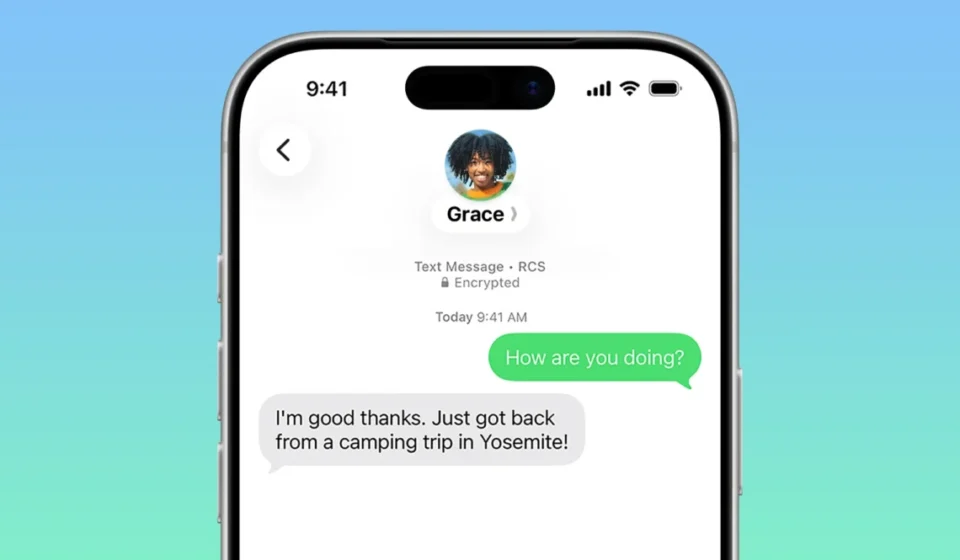
Telstra Hints at December RCS Rollout for iOS Users, Signaling a Significant Leap in iPhone Messaging Capabilities

In a development that could dramatically enhance the messaging experience for iPhone users in Australia, prominent carrier Telstra has briefly indicated that support for Rich Communication Services (RCS) on iOS devices could be integrated as early as December, coinciding with a projected iOS update. While the carrier has since removed the relevant support document, its initial disclosure suggests a significant shift in Apple’s messaging ecosystem, moving closer to the advanced features long enjoyed by Android users and marking a potential end to the long-standing iMessage-SMS/MMS dichotomy for cross-platform communication.
The leaked information, originally posted on Telstra’s support pages before being taken down, suggested that RCS functionality would become available through an iOS update slated for December. Industry analysts and technology observers anticipate this to align with the release of iOS 27.3, a version number that would signify Apple’s continued iterative improvements to its mobile operating system. This potential integration represents a pivotal moment, as RCS offers a substantial upgrade over the aging SMS (Short Message Service) and MMS (Multimedia Messaging Service) protocols that have defined text-based communication for decades.
RCS, often touted as the successor to SMS, brings a host of modern messaging features that have become standard in over-the-top (OTT) messaging applications like WhatsApp and Telegram. For iPhone users, particularly those communicating with Android devices, this means the prospect of enhanced communication with capabilities such as end-to-end encryption, which provides a robust layer of security and privacy for messages. Beyond encryption, RCS support would also introduce features like read receipts, allowing users to see when their messages have been delivered and read, and typing indicators, providing real-time feedback on the other party’s response. Furthermore, RCS enables richer media sharing, supporting higher-resolution images and videos, as well as larger file attachments, and facilitating more interactive message threads with features like in-line replies and suggested actions.
A Brief but Revealing Glimpse into Future Messaging
The initial announcement from Telstra, though ephemeral, provided a concrete timeframe for a feature that has been a subject of considerable discussion and anticipation within the tech community. For years, the messaging landscape has been characterized by a stark division: iMessage for Apple-to-Apple communication, offering a feature-rich experience, and SMS/MMS for communication with non-Apple devices, which has remained largely unchanged in its core functionality. This has often led to a bifurcated user experience, with messages between iPhones and Android phones reverting to the less sophisticated SMS/MMS standard, lacking the advanced features and encryption inherent in iMessage.
The inclusion of RCS support on iOS would directly address this disparity, effectively bridging the gap between the two dominant mobile operating systems in terms of messaging capabilities. This move aligns with broader industry trends towards more standardized and feature-rich communication protocols. Google, a key proponent of RCS, has been actively working with carriers worldwide to facilitate its adoption, aiming to create a universal messaging standard that transcends platform boundaries. Apple’s potential embrace of RCS, even if initially limited to carrier support, would represent a significant endorsement of this standard.
The Evolution of Text Messaging: From SMS to RCS
To understand the significance of Telstra’s announcement, it’s crucial to contextualize the evolution of mobile messaging. SMS, introduced in the late 1980s, was revolutionary for its time, allowing brief text messages to be sent between mobile phones. However, its limitations quickly became apparent: character caps, lack of rich media support, and an absence of security features. MMS, introduced in the early 2000s, offered an improvement by allowing the transmission of multimedia content like images and short videos, but it remained cumbersome and often unreliable, with inconsistent delivery and quality.
RCS, developed by the GSM Association, was conceived to overcome these shortcomings. It leverages IP (Internet Protocol) for message delivery, enabling a far richer and more dynamic communication experience. Key features of RCS include:
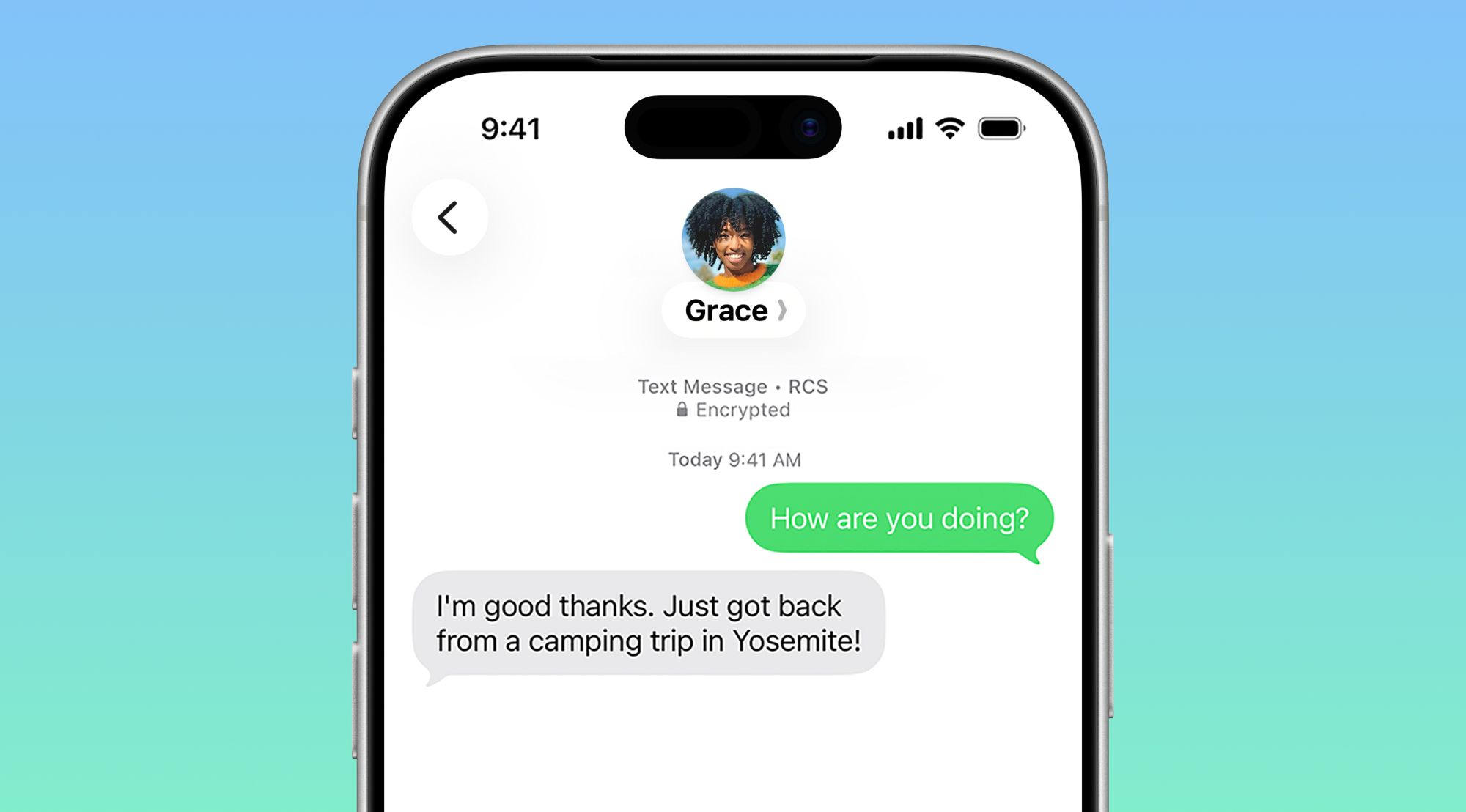
- Enhanced Read Receipts and Typing Indicators: Providing real-time communication cues.
- High-Quality Media Sharing: Supporting larger file sizes and higher resolutions for photos and videos.
- End-to-End Encryption: Ensuring the privacy and security of conversations, a critical feature in today’s digital landscape.
- Group Chat Enhancements: Offering more robust group messaging capabilities, similar to those found in OTT apps.
- Rich Cards and Suggested Actions: Enabling interactive elements within messages, such as product information or booking options, which could be leveraged by businesses.
The adoption of RCS has been a gradual process, largely dependent on the cooperation of mobile carriers and device manufacturers. While Android devices have increasingly integrated RCS support, often through Google’s Messages app, Apple’s stance has been a significant factor in the broader rollout. Historically, Apple has prioritized its proprietary iMessage platform, and its integration of RCS has been a highly anticipated development.
Telstra’s Role and the Carrier Landscape
Telstra, as one of Australia’s largest telecommunications providers, plays a crucial role in shaping the mobile experience for a significant portion of the Australian population. Its support document, even if temporary, signals a readiness to implement RCS on its network for iPhone users. This suggests that Apple has likely been working with carriers to integrate RCS capabilities into iOS, with the December timeframe indicating a potential target for a wider rollout.
The presence of a "list of supported carriers" on Apple’s website underscores the collaborative nature of such advancements. For RCS to function seamlessly on iPhones, both Apple’s software and the carrier’s network infrastructure must be compatible. Telstra’s inclusion in this process, even indirectly through a support document, is a strong indicator of its commitment to bringing these enhanced messaging features to its iPhone subscribers.
The implications of this move extend beyond mere feature parity. For businesses and developers, the widespread adoption of RCS on iOS could unlock new avenues for customer engagement and service delivery. Rich communication capabilities can transform how businesses interact with their customers, offering more personalized and interactive experiences. Imagine receiving an order confirmation with interactive product details, or a delivery update with real-time tracking directly within the messaging interface.
Analyzing the Implications: A More Unified Messaging Future?
The potential integration of RCS on iOS, as hinted by Telstra, carries several significant implications:
- Enhanced Cross-Platform Communication: The most immediate benefit will be for iPhone users communicating with Android users. The experience will become more fluid and feature-rich, reducing the friction that has long characterized inter-platform messaging. This could lead to a more unified and less fragmented messaging ecosystem.
- Increased Security and Privacy: The inclusion of end-to-end encryption is a major step forward for text-based communication on iOS, especially for conversations with non-iMessage users. This addresses growing concerns about data privacy and security in digital communications.
- Competitive Pressure and Innovation: Apple’s move to support RCS could put further pressure on other messaging platforms to innovate and maintain their competitive edge. It also signifies a potential shift in Apple’s strategy, moving towards greater interoperability and embracing industry standards.
- Potential for Business Messaging: RCS offers robust capabilities for business-to-consumer (B2C) messaging. The ability to send rich cards, suggested actions, and high-quality media could revolutionize how companies engage with their customers through messaging. This could lead to more efficient customer service, streamlined purchasing processes, and more engaging marketing campaigns.
- Impact on iMessage Dominance: While iMessage will likely remain Apple’s preferred platform for inter-Apple communication, the introduction of RCS could diminish the perceived "walled garden" effect of iMessage for users who frequently communicate with Android devices. This could lead to a more balanced adoption of messaging services across platforms.
Looking Ahead: The Path to iOS 27.3 and Beyond
The deleted support document from Telstra, while a fleeting piece of information, serves as a powerful indicator of the direction mobile messaging is heading. The projected December timeframe for RCS support on iOS, likely within iOS 27.3, suggests that this feature has been in development and testing for some time. Apple’s involvement with carriers like Telstra is a critical step in ensuring a smooth and widespread rollout.
While the initial announcement was brief, the underlying technology and its potential impact are substantial. The transition from SMS/MMS to RCS represents a significant upgrade, bringing iPhone users closer to the modern messaging standards that have become commonplace in the digital age. As the tech industry continues to evolve, the focus on seamless, secure, and feature-rich communication will only intensify, and the integration of RCS on iOS is poised to be a major milestone in this ongoing journey. The coming months will be crucial in observing how this development unfolds and what it means for the future of mobile messaging for millions of users worldwide.