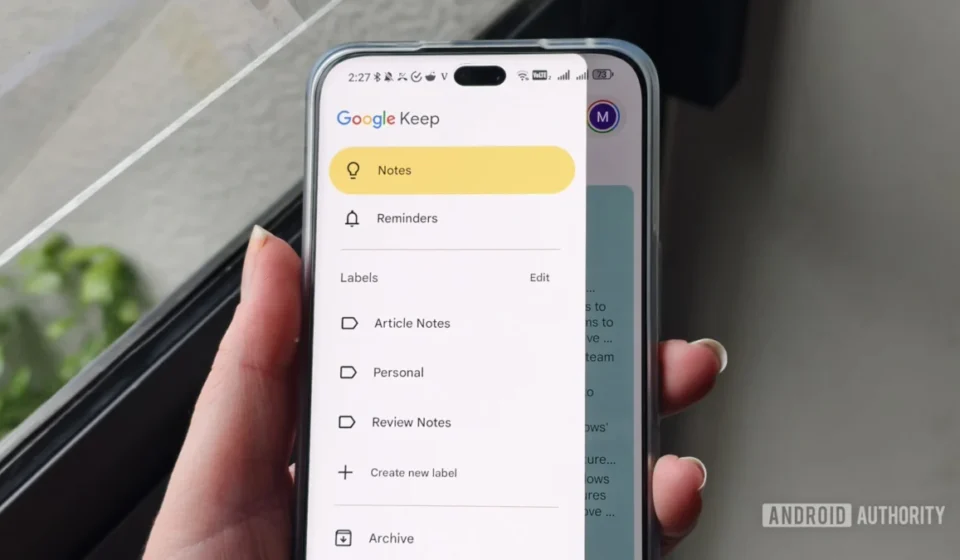
The Evolving Landscape of Digital Privacy: Why Users Are Seeking Alternatives to Google Keep

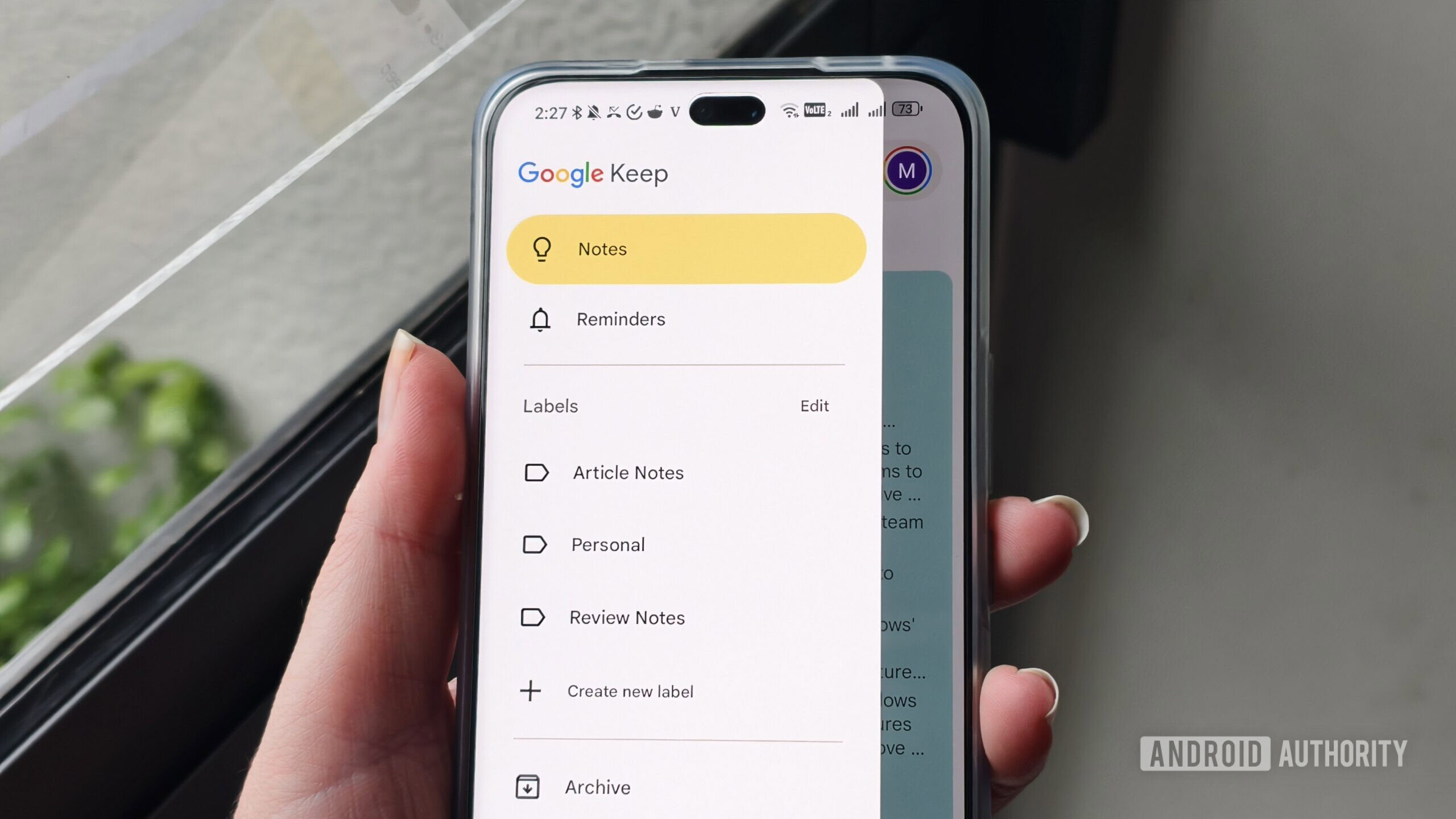
Concerns over data privacy in popular note-taking applications, particularly Google Keep, are driving a significant user migration towards more secure, privacy-centric alternatives. While Google Keep offers convenient cloud-based synchronization and seamless integration within the Google ecosystem, its underlying data access policies present a fundamental privacy dilemma for users increasingly vigilant about their personal information. Despite robust security measures like two-factor authentication (2FA) designed to prevent unauthorized access, Google maintains comprehensive access to the content stored within user accounts. This inherent accessibility, while governed by strict internal guidelines, fundamentally differs from services offering end-to-end encryption (E2EE) where even the service provider cannot decrypt user data. The implications of this policy extend to legal obligations, as Google is compelled to disclose user data upon receiving valid subpoenas, a fact that underscores the limitations of its privacy assurances for sensitive information.
The Privacy Imperative in Digital Note-Taking
The digital age has ushered in an era where personal data is meticulously collected, stored, and often monetized by technology companies. For many years, the convenience offered by free cloud services, including note-taking apps like Google Keep, overshadowed widespread concerns about data ownership and privacy. Users readily embraced platforms that allowed them to jot down thoughts, create checklists, and store reminders, often without fully scrutinizing the terms of service that granted providers broad access to their content. This paradigm is now shifting dramatically. A growing segment of the user base is prioritizing privacy, driven by a heightened awareness of potential misuse, data breaches, and the legal mandates that can compel tech giants to surrender personal information.
Google Keep, launched in 2013, quickly gained popularity for its minimalist interface, cross-device synchronization, and integration with other Google services. Its utility for quick notes, lists, and reminders made it an indispensable tool for millions. However, its core architecture, which involves server-side processing and storage of user data, means that Google’s systems can, in principle, access and analyze this content. While Google asserts stringent privacy guidelines and disavows routine human inspection of individual notes, the technical capability for access remains. This distinction between "security" (protecting data from external threats) and "privacy" (controlling who, including the service provider, can access data) is crucial and often misunderstood by the average user. Security measures like 2FA and encryption of data in transit and at rest protect against external hacking, but they do not prevent the service provider from accessing the unencrypted content on their servers.
The legal dimension further complicates this. Under various jurisdictions, including the United States, tech companies are legally obligated to comply with valid government requests, such as subpoenas, search warrants, or court orders. When such legal instruments are presented, Google must, by law, provide the requested user data. This means that any information, however personal or sensitive, stored in Google Keep could potentially be disclosed to authorities, even if Google itself has no interest in examining it. For individuals who store confidential medical notes, financial records, personal diaries, or proprietary business information, this potential for disclosure represents a significant privacy vulnerability.
Chronology of Rising Privacy Awareness and Regulatory Responses
The current emphasis on digital privacy is not a sudden phenomenon but rather the culmination of years of public discourse, technological advancements, and regulatory actions.
- Early 2010s: The rise of cloud computing and mobile apps brought unprecedented convenience but also laid the groundwork for centralized data storage. Users generally traded privacy for convenience.
- Mid-2010s: Major data breaches (e.g., Yahoo, Equifax) and revelations about government surveillance programs (e.g., Snowden disclosures) began to erode public trust in large tech companies and raised questions about data security and government access.
- Late 2010s: The implementation of stringent data protection regulations like the General Data Protection Regulation (GDPR) in Europe (2018) and the California Consumer Privacy Act (CCPA) in the U.S. (2020) marked a turning point. These regulations mandated greater transparency in data handling, gave users more control over their data, and imposed hefty penalties for non-compliance. This forced tech companies to re-evaluate their privacy practices and communicate them more clearly.
- Early 2020s: The pandemic accelerated digital transformation, increasing reliance on online tools for work and personal life. Concurrently, privacy-focused alternatives to mainstream services began to gain traction, offering features like end-to-end encryption as a core value proposition rather than an afterthought. The market started segmenting, with a clear demand emerging for "zero-knowledge" services.
This timeline highlights a continuous evolution in user expectations and the digital ecosystem, moving from passive acceptance of data collection to an active demand for robust privacy protections.
The Landscape of Privacy-First Note-Taking Alternatives
In response to these evolving user demands, a robust ecosystem of privacy-focused note-taking applications has emerged. These alternatives often employ end-to-end encryption, local-first storage, or open-source development to ensure that user data remains private and inaccessible to anyone but the user. Here are five prominent alternatives offering varying degrees of privacy and functionality:
Obsidian: The Local-First Knowledge Management Hub
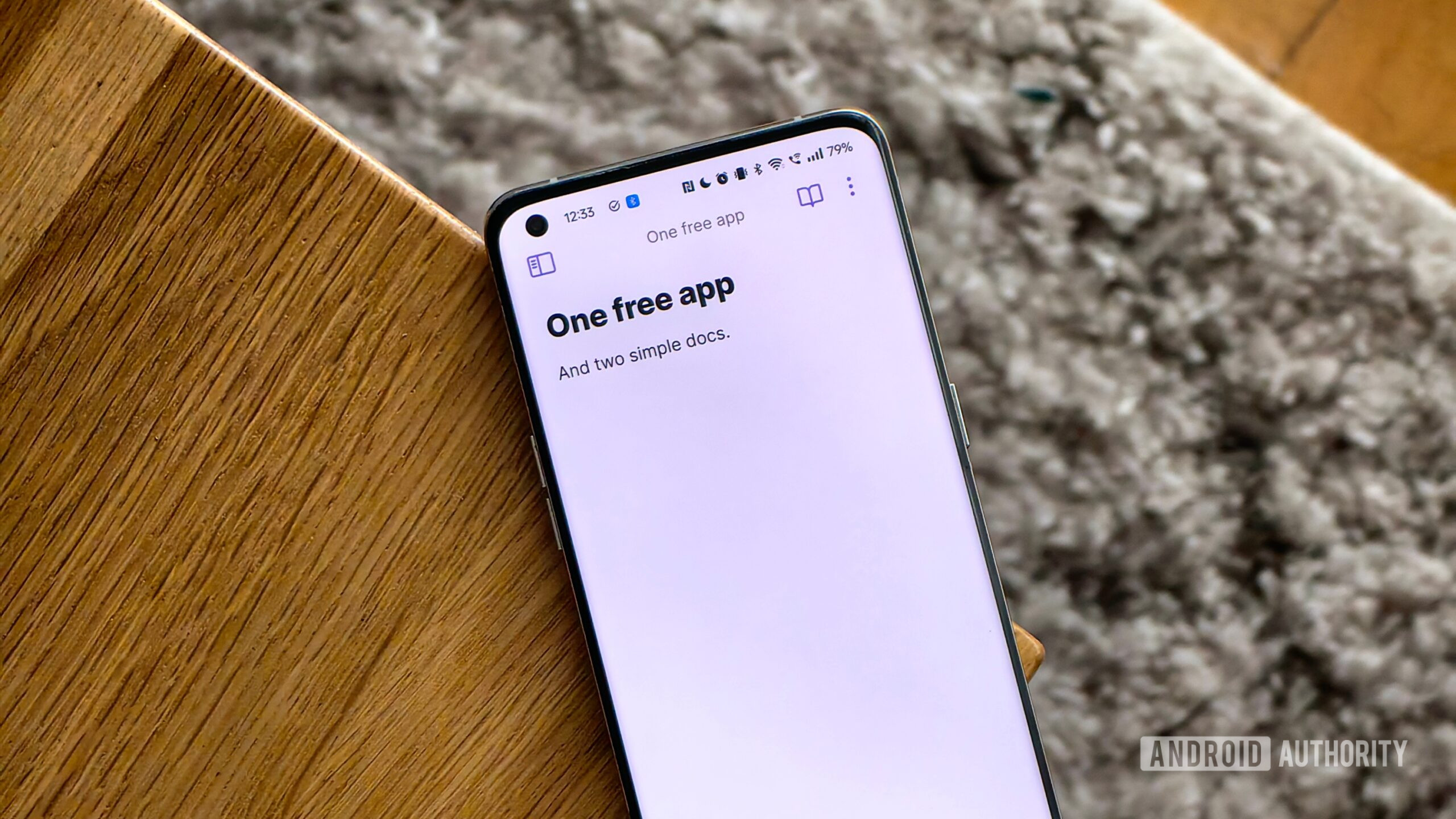
Obsidian stands out as a powerful, local-first knowledge management tool, fundamentally different from cloud-centric applications like Google Keep. Its philosophy dictates that all user data, primarily plain text Markdown files, is stored directly on the user’s device (phone, laptop, tablet). This architecture ensures that Obsidian, the company, has no inherent access to user notes. This approach is a cornerstone of true data sovereignty, as users retain complete control over their files, independent of any third-party server. The app is free to use for personal purposes, and an account is not even required to begin note-taking, further emphasizing its commitment to user control.
The major benefit of storing notes in plain text Markdown is future-proofing and interoperability. Even if Obsidian were to cease operations, users would still have their notes in a universally readable format, accessible by any text editor. This is a significant advantage over proprietary formats used by many cloud services. However, this local-first model presents a challenge for multi-device synchronization. To access notes across multiple devices, users must subscribe to Obsidian’s Sync plan, which starts at $4 per month. Critically, Obsidian Sync provides end-to-end encryption, meaning that even when data is transmitted and stored on Obsidian’s servers for synchronization purposes, it remains encrypted and inaccessible to Obsidian employees. This offers a higher level of privacy than Google Keep, which lacks E2EE for its content.
Beyond privacy, Obsidian is a feature-rich application designed for building a "second brain" – a personal knowledge base where ideas are interconnected. Its unique "graph view" visually displays the relationships between notes, fostering deeper understanding and discovery. The "infinite Canvas" allows users to freely arrange notes, images, and other media, creating visual workspaces for brainstorming and project planning. Obsidian’s extensive plugin ecosystem, supported by a vibrant community, further enhances its capabilities, allowing users to customize it for specific workflows, from academic research to creative writing. However, this power comes with a steeper learning curve compared to Keep’s straightforward simplicity. New users must invest time in understanding Markdown syntax, linking concepts, and navigating the extensive features, making it ideal for power users and those committed to personal knowledge management.
Notesnook: Open-Source Simplicity with End-to-End Encryption
Notesnook offers a more streamlined experience than Obsidian, positioning itself closer to Google Keep in terms of basic functionality while placing a premium on privacy. It is a cloud-based application, but with a critical distinction: end-to-end encryption is its default state. This means that all notes are encrypted on the user’s device before being sent to Notesnook’s servers, rendering them unreadable to the company. Notesnook is also open-source, allowing independent security experts to audit its code for vulnerabilities and verify its privacy claims, fostering a high degree of trust within the privacy-conscious community.
The application provides essential note-taking features such as creating notebooks for organization, setting reminders, pinning important notes, and a dedicated Focus mode that minimizes distractions for uninterrupted writing. While its user interface might appear less polished or modern than Google Keep’s sleek design, this is often a trade-off for enhanced privacy and security. The core value proposition of Notesnook lies in its unwavering commitment to zero-knowledge encryption, ensuring that user data cannot be accessed or monetized by the service provider.
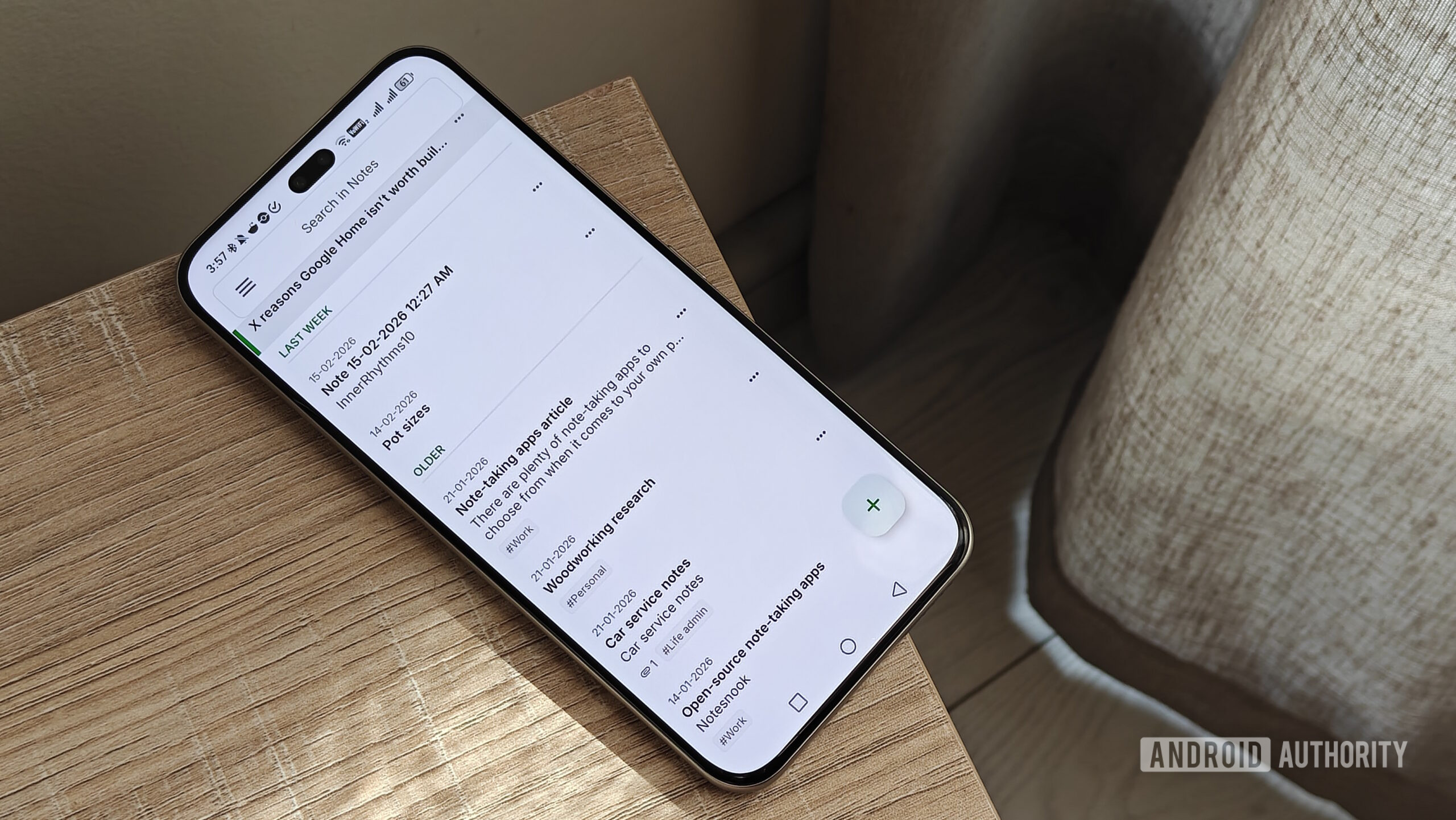
Notesnook offers a free plan with basic functionalities, but a subscription is necessary to unlock its full potential, including unlimited notes and synchronization across devices. The Essential plan costs $1.67 per month (or $19.99 annually), making it a relatively affordable option for robust E2EE note-taking. While more expensive plans, like the "Believer" plan, can go up to $7.5 per month, the Essential tier provides excellent value for most users seeking a secure and functional note-taking solution. Its simplicity, combined with enterprise-grade encryption, makes it an attractive alternative for those who find Obsidian too complex but still demand uncompromised privacy.
Standard Notes: Proton-Backed Security and Robust Features
Standard Notes gained significant credibility in 2024 through its acquisition by Proton, a Swiss company renowned for its privacy-focused suite of services (Proton Mail, Drive, VPN, Pass). This acquisition signals a strong commitment to privacy and security, as Proton’s reputation is built on these very principles. Standard Notes operates with end-to-end encryption by default, ensuring that user notes are always private and secure.
However, the integration with Proton’s ecosystem comes with certain caveats. Standard Notes is not currently bundled with Proton’s Unlimited plan, meaning users must subscribe to it separately. Furthermore, its pricing is notably higher than many competitors, with yearly subscriptions ranging from $90 for the cheapest plan to $120 for the most expensive. While a limited free plan is available, these price points reflect a premium offering aimed at users who prioritize top-tier security and are willing to pay for it, potentially including professional or institutional clients.
Despite the cost, Standard Notes delivers a compelling user experience. It features an "old-school vibe" in its UI, which, while lacking the ultra-modern polish of some apps, provides a clean, distraction-free environment conducive to focused writing. Note management is intuitive, with support for folders and tags, and a dedicated "Files" tab for uploaded documents. Its security features are comprehensive, including end-to-end encryption, two-factor authentication, app lock, and the unique ability to password-protect individual sensitive notes. For users already trusting Proton’s ecosystem or those demanding the highest level of security for their most confidential information, Standard Notes presents a formidable option, justifying its price tag through unparalleled privacy guarantees and a mature feature set.
Justnote: Unwavering Simplicity and Account Protection
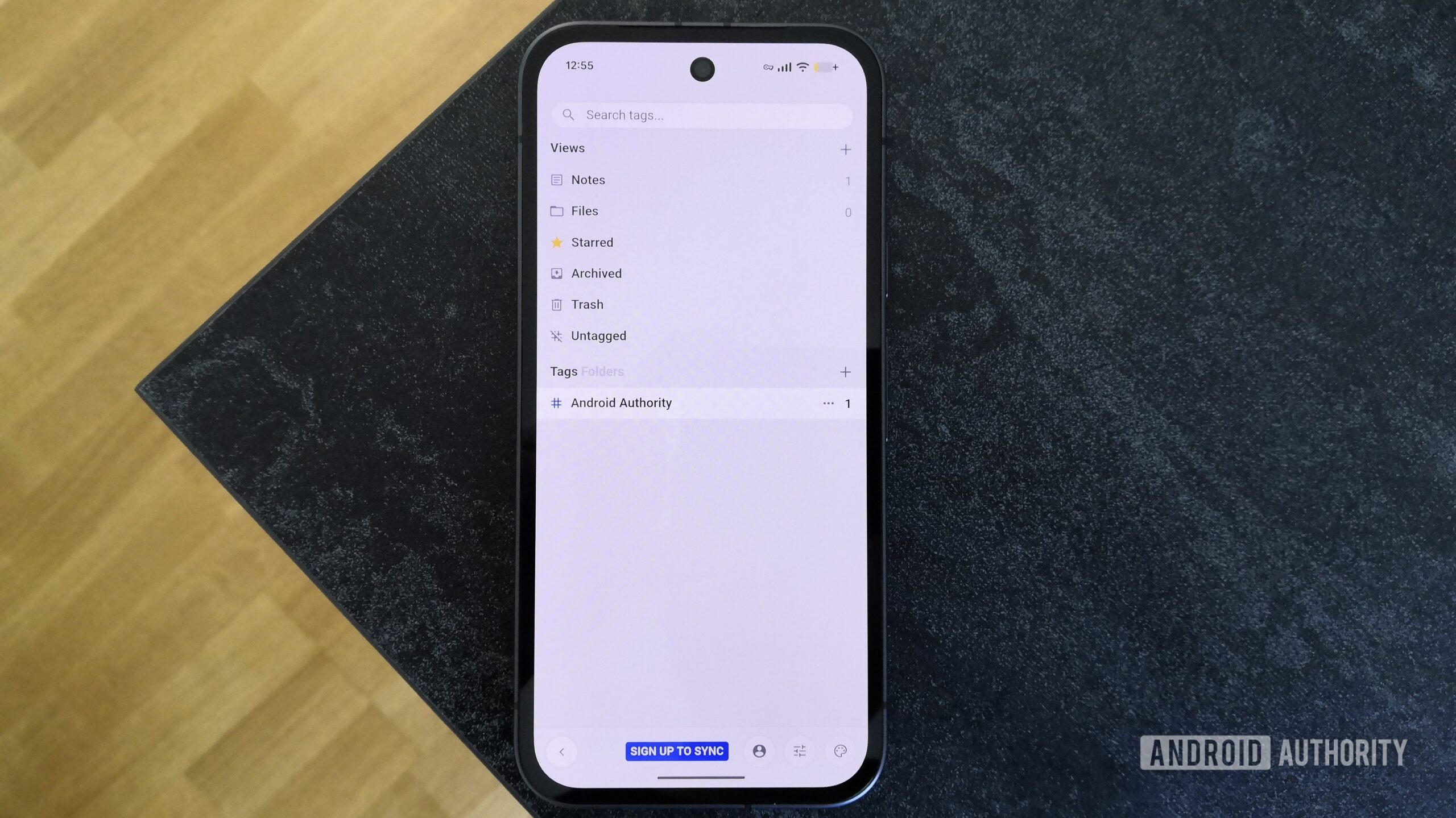
Justnote distinguishes itself by being the least feature-packed application on this list, offering a minimalist approach reminiscent of Google Keep’s core function: quick, straightforward note-taking. Its simplicity is a deliberate design choice, catering to users who desire a clean interface without the complexity of advanced knowledge management tools. Crucially, Justnote places a strong emphasis on security and user autonomy, particularly in its policy regarding account control.
All data within Justnote is encrypted, ensuring that user content remains private. A standout feature of Justnote is its explicit assurance that user accounts cannot be banned or deleted by the company or the individual behind the app. This directly addresses a significant concern with large platforms like Google, where automated scanning systems, designed to enforce content policies, can sometimes erroneously flag accounts, leading to suspension or deletion and the arduous process of recovery. Numerous reports on forums like Reddit attest to users experiencing unwarranted account blocks from major tech companies, often due to algorithmic mistakes or misinterpretation of content. Justnote’s policy mitigates this risk entirely, offering peace of mind that one’s digital notes are safe from arbitrary corporate intervention.
Furthermore, Justnote is incredibly affordable, with a yearly subscription costing approximately $5. This makes it one of the most budget-friendly privacy-focused alternatives available, especially when compared to others that charge significantly more on a monthly basis. For individuals primarily seeking a secure, no-frills digital notepad for jotting down quick thoughts, lists, or simple reminders without fear of corporate oversight or high costs, Justnote is an excellent choice. It sacrifices advanced features for unparalleled simplicity, security, and user control, making it a powerful contender for a specific user demographic.
Anytype: The Decentralized Second Brain with Zero-Knowledge Sync
Anytype positions itself as a robust, privacy-first alternative to popular organizational tools like Notion, incorporating elements of Obsidian’s local-first philosophy. It functions as a "second brain," a comprehensive platform for storing, organizing, and connecting all forms of personal information, from notes and documents to tasks and ideas. What makes Anytype particularly compelling is its hybrid approach: it’s offline-first, meaning users can work without an internet connection and all data is primarily stored on their devices. However, it also offers zero-knowledge cloud synchronization, allowing users to back up and sync their data across devices without Anytype or any third party being able to access or read the content. This blend offers both local control and the convenience of cloud access without compromising privacy.
Anytype is built on a decentralized architecture, aiming to give users true data ownership and control, moving away from centralized server models. This architecture inherently enhances privacy and resilience. While it shares some visual and organizational similarities with Notion, it distinguishes itself through its foundational commitment to privacy and data sovereignty. Users can create various "objects" (notes, tasks, projects, thoughts) and link them together, building a dynamic, interconnected knowledge base. Like Obsidian, Anytype has a learning curve, requiring users to invest time in understanding its object-oriented structure and customization options. However, its intuitive visual design makes it potentially more accessible than Obsidian for those accustomed to Notion-like interfaces.
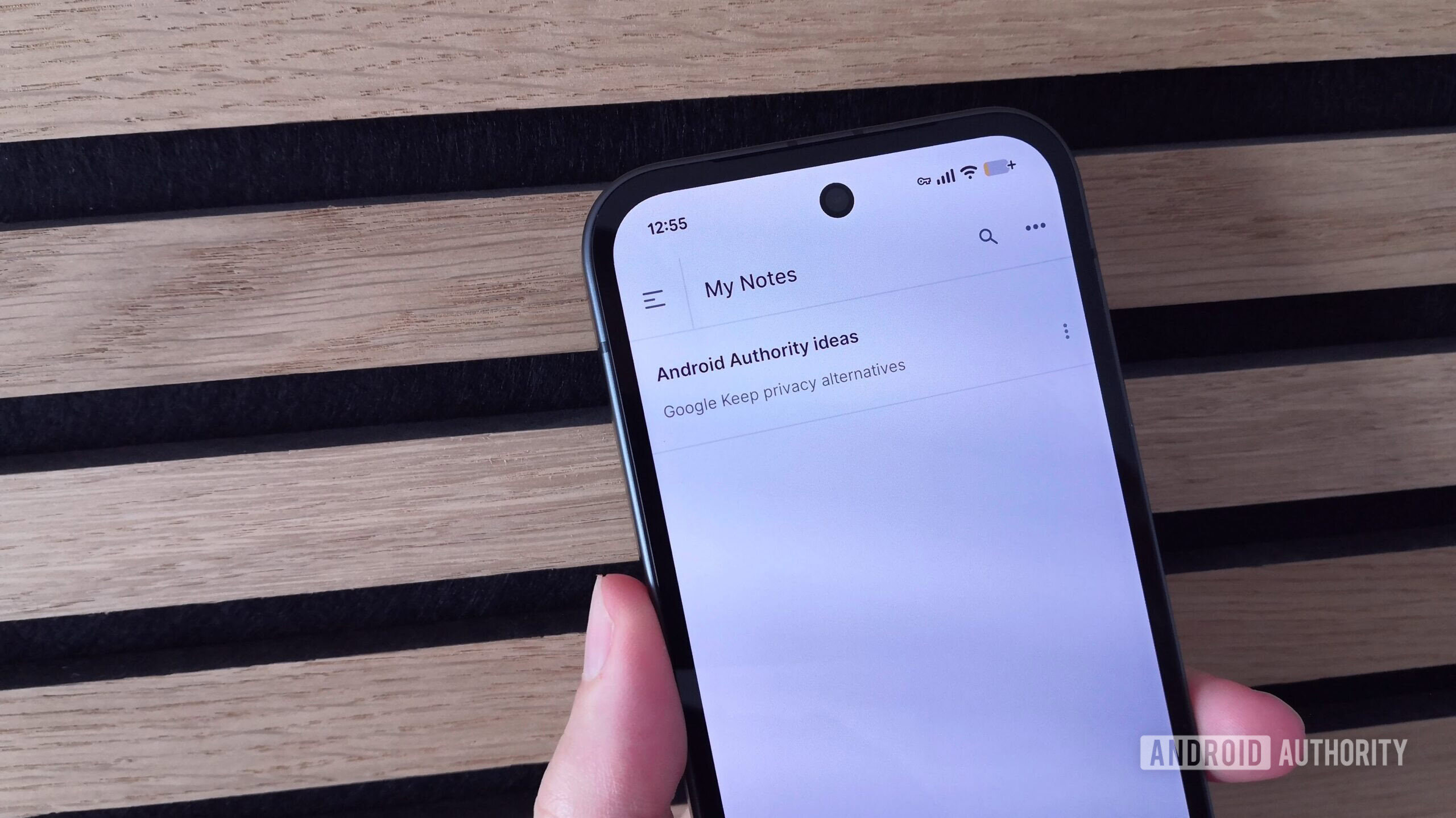
Pricing for Anytype is similar to Obsidian’s, starting at around $5 per month for premium features, though it offers a free tier with certain limitations. These limitations are designed to encourage users to explore the full capabilities of the platform before committing to a subscription, ultimately pushing them towards a paid plan for unrestricted use and advanced synchronization options. Anytype represents the cutting edge of privacy-focused productivity tools, appealing to users who need a powerful, flexible, and secure platform for comprehensive personal knowledge management, without sacrificing data privacy to centralized entities.
Broader Impact and Implications
The growing shift away from mainstream, convenience-oriented applications like Google Keep towards privacy-first alternatives signifies a maturing digital citizenry. Users are no longer content with opaque data policies and the potential for their personal information to be accessed by companies or legal entities. This trend has several broader implications:
- Market Segmentation: The productivity software market is increasingly segmenting into distinct niches: those prioritizing sheer convenience and integration (e.g., Google Keep), those valuing powerful features and flexibility (e.g., Notion), and a rapidly expanding segment demanding absolute privacy and data ownership (e.g., Obsidian, Notesnook, Standard Notes, Justnote, Anytype). This forces developers to be clearer about their value propositions and target audiences.
- Economic Shift: The "free" model, often subsidized by data collection, is being challenged. Users are demonstrating a willingness to pay for services that guarantee privacy, leading to a more robust subscription economy for privacy-focused software. This could lead to a healthier, more transparent business model for software development.
- Technological Advancement: The demand for E2EE and decentralized architectures is spurring innovation in cryptographic methods and data management. These advancements benefit not only note-taking apps but also other forms of digital communication and storage.
- Empowerment of the User: Ultimately, this movement is about empowering users with greater control over their digital lives. By choosing privacy-focused alternatives, individuals are making an active statement about their data rights and pushing the industry towards more ethical data handling practices.
In conclusion, while Google Keep remains a highly functional and accessible note-taking tool, its fundamental privacy posture is increasingly at odds with the evolving expectations of a privacy-conscious user base. The array of alternatives discussed — from the local-first power of Obsidian to the minimalist security of Justnote, and the robust E2EE of Notesnook, Standard Notes, and Anytype — offers diverse solutions for individuals seeking to reclaim sovereignty over their digital notes. This trend underscores a pivotal moment in the digital landscape, where the value of privacy is increasingly recognized and actively pursued, shaping the future of personal data management.