The iPhone 20’s Revolutionary All-Glass Design Promises a New Era for Smartphones

Apple’s highly anticipated 20th-anniversary iPhone, slated for a fall 2027 release, is poised to usher in the most transformative design evolution the iconic device has witnessed since the groundbreaking iPhone X. This forthcoming model is expected to echo the revolutionary spirit of its 10th-anniversary predecessor, which in 2017 redefined smartphone aesthetics by eliminating the physical Home button and embracing an expansive, edge-to-edge display. The 2027 iteration is rumored to meticulously overhaul the iPhone’s fundamental design language, a paradigm that has remained largely consistent for nearly a decade, and is projected to set the definitive blueprint for future generations of the smartphone. The device is also expected to debut alongside the second generation of Apple’s foldable iPhone, signaling a dual-pronged approach to future mobile innovation.
A Vision of Seamless Glass: The All-Screen, Curved Display
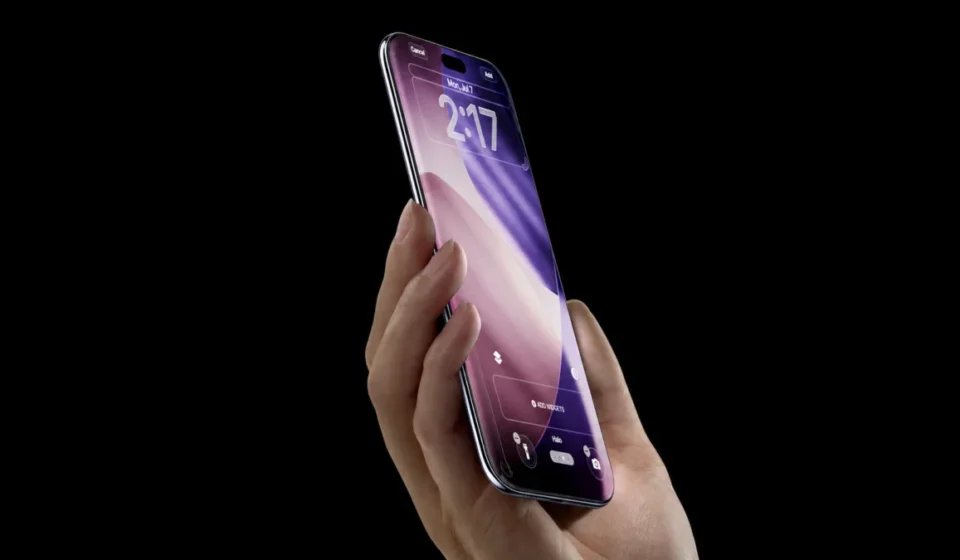
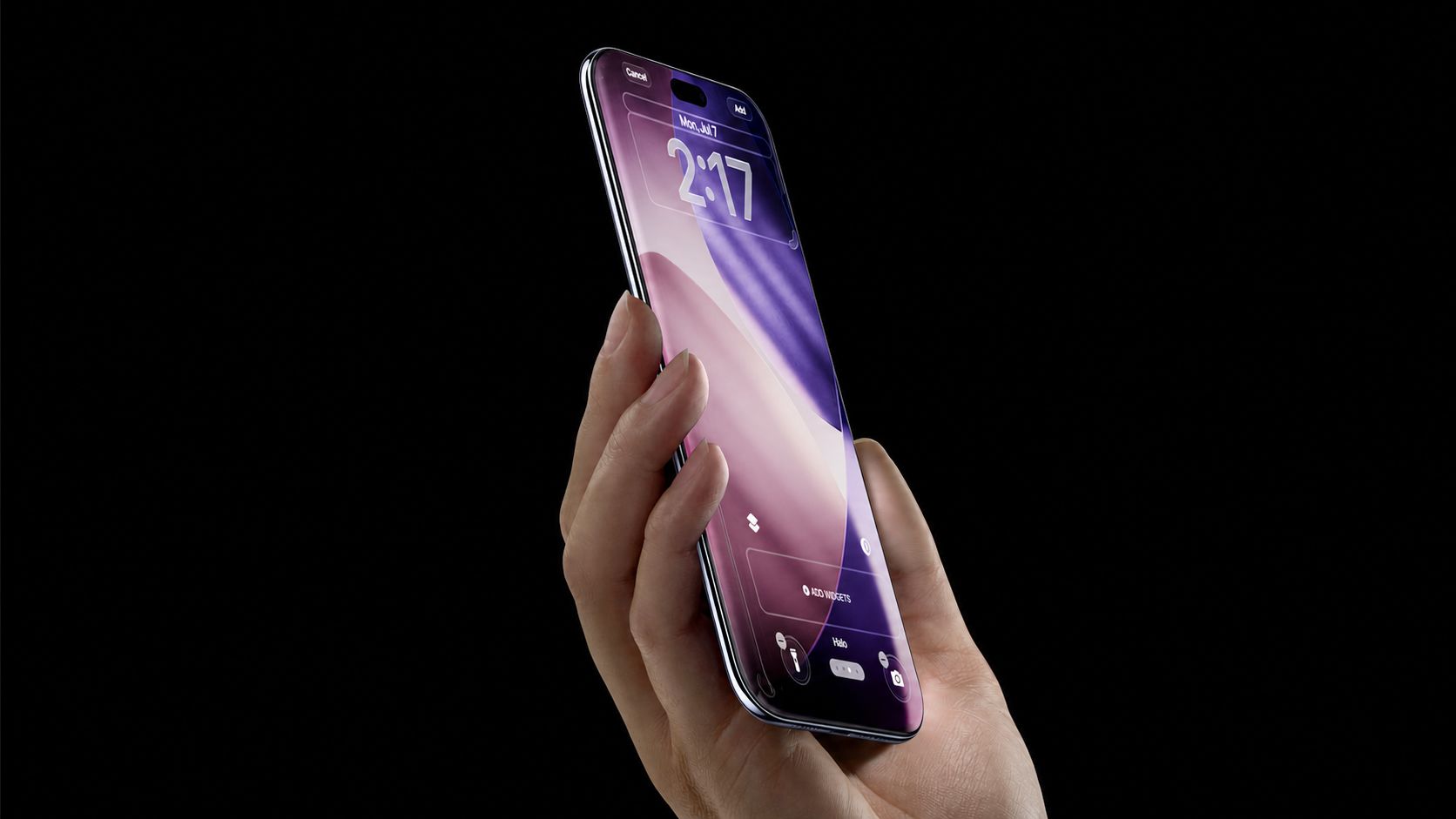
At the heart of this radical redesign lies a profound re-imagining of the iPhone’s physical form, centered entirely around glass. Mark Gurman of Bloomberg has provided key insights, describing a device that is predominantly glass, featuring a subtly curved display and a complete absence of any screen cutouts. This vision includes a return to a glass back panel, complemented by glass that gracefully wraps around all four edges of the device. This ambitious aesthetic represents the clearest manifestation yet of the late design chief Jony Ive’s enduring aspiration for an iPhone that appears as a singular, unblemished slab of glass.
Evidence of Apple’s commitment to this vision is emerging from its supply chain. Reports indicate that key manufacturing facilities have already completed extensive renovations in preparation for the production of this groundbreaking device. The build quality is anticipated to rival, if not surpass, that of the revered first-generation iPhone Air, a benchmark for meticulous engineering and premium feel.
Rather than adopting the aggressive "waterfall" display edges popularized by competitors like Samsung, Apple is reportedly pursuing a more refined approach. The objective is to implement an equal-depth, quad-curved panel that maintains a very shallow curvature. This will be achieved through the strategic use of "micro-curves," a technique that avoids the deep roll onto the sides, thereby preserving the integrity of the display area. This gentler contouring is expected to enhance the user experience by making edge swipes feel more intuitive and natural, minimizing visual distortion of on-screen content, and contributing to a more comfortable and ergonomic grip.
The perceived seamlessness of the display may extend beyond mere physical curvature. Industry insider "Ice Universe" has posited that this innovative display technology will deviate significantly from traditional quad-curved panels and the curved screens prevalent in the Android ecosystem. Instead, it may leverage a sophisticated interplay of optical refraction, meticulously engineered light-guiding structures, and carefully crafted visual illusions to create the impression of a receding frame, effectively making the bezels vanish from view. This focus on visual fluidity could even be reflected in Apple’s marketing, with speculation that the display might be branded as a "Liquid Glass Display," a nod to the company’s current software design philosophy emphasizing seamless transitions and fluid interfaces. While unverified, a conceptual mock-up shared by an account with a historically inconsistent track record has depicted an exceptionally narrow bezel, estimated at just 1.1mm, a notable reduction compared to the approximate 1.44mm bezels found on the iPhone 17 Pro.
The Future of Interaction: Exploring Under-Display Technology
The front of the 20th-anniversary iPhone remains one of the most intriguing and uncertain aspects of its design. Apple’s ultimate goal is reportedly to achieve a completely uninterrupted display, a feat that would necessitate the seamless integration of both the Face ID system and the front-facing camera beneath the screen. One report suggests the use of a "spliced micro-transparent glass" window, designed to allow the infrared sensors of Face ID to transmit through the panel without visual obstruction.
However, industry analysts like Ross Young of DSCC have expressed skepticism regarding the full readiness of this under-display camera technology for a 2027 launch. While Apple is reportedly continuing its research and development into under-screen camera solutions, it remains a distinct possibility that a minimal punch-hole cutout or a significantly refined version of the Dynamic Island, similar to what is anticipated for the iPhone 18 Pro models, might persist on the final product. The technical challenges of embedding advanced camera and sensor technology while maintaining image quality and Face ID functionality are considerable, and Apple’s commitment to user experience will likely dictate the final implementation.
Two Sizes, One Vision: Expanding the Anniversary Offering
In line with recent iPhone releases, Apple is reportedly planning to offer two distinct sizes for its anniversary models. These are expected to be approximately 6.3 inches and 6.9 inches, mirroring the screen diagonals of the iPhone 18 Pro and Pro Max. However, the larger of the two anniversary models could see a slight increase in its actual display size, potentially being marketed as a 7-inch device. This subtle expansion is attributed to the slimmer bezels, which will maximize screen real estate within a comparable physical footprint. This dual-size strategy aims to cater to a broader range of user preferences, offering both more compact and more expansive viewing experiences within the anniversary lineup.
A Refined Frame: Material Choices and Design Nuances
The frame of the 20th-anniversary iPhone is anticipated to be a slender, polished band. The precise material for this frame, however, remains a subject of ongoing speculation. While some rumors have hinted at a departure from the aluminum alloy currently employed in Apple’s flagship devices, certain industry sources have pushed back against assertions of a return to titanium or a switch to Liquid Metal.
Fixed Focus Digital, a prominent leaker, has argued that aluminum remains the most practical material choice for the foreseeable future, particularly given the increasing heat generation associated with on-device AI processing. The same leaker has also alluded to aluminum being the preferred material for "straight-edged" phones, suggesting that the curved-edge design of the anniversary model might open the door to alternative material considerations or unique finishing techniques. The interplay between aesthetic ambition and functional requirements, especially concerning thermal management and durability, will likely guide Apple’s final decision on frame materials.
The Tactile Revolution: Reimagining Buttons with Haptic Feedback
In a move that further underscores its commitment to a seamless design, Apple is rumored to be revisiting the concept of solid-state haptic buttons for the anniversary iPhone. This initiative, reportedly reviving the long-dormant "Project Bongo," aims to replace the traditional mechanical buttons – including the Side button, volume controls, Action button, and Camera Control – with haptic feedback equivalents. These integrated buttons would offer a sensation of pressing without any physical movement, contributing to the device’s unibody glass aesthetic.
The elimination of physical button openings would be a significant advantage for a device designed to present an unbroken glass surface. Early reports suggest that these haptic buttons have successfully undergone rigorous testing, demonstrating functionality across various conditions, including use with gloves, wet hands, extreme temperatures, and even when a protective case is fitted. Furthermore, an ultra-low energy microprocessor is reportedly being incorporated to ensure that these haptic buttons remain operational even when the handset is powered off or the battery has been fully depleted, a feature that could enhance user accessibility and emergency communication capabilities.
Broader Implications and Industry Impact
The impending launch of the iPhone 20 represents more than just a generational upgrade; it signals a potential paradigm shift in smartphone design and user interaction. The commitment to an all-glass, seamless aesthetic, coupled with advanced under-display technologies and haptic interfaces, could set new industry standards and influence the design trajectories of competitors for years to come.
The iPhone X’s introduction in 2017 was a pivotal moment, forcing the industry to re-evaluate display technology and user interface design. Similarly, the iPhone 20’s expected innovations could catalyze advancements in display manufacturing, sensor integration, and material science. The focus on optical illusions to achieve a bezel-less look, for instance, could inspire new approaches to display technology beyond simple physical reductions.
The emphasis on haptic feedback for buttons, if successfully implemented, could pave the way for more minimalist and durable device designs across various product categories. The ability to integrate critical controls without physical openings offers significant advantages in terms of water resistance, dust ingress prevention, and overall device longevity.
As Apple approaches its 20th anniversary in the smartphone market, this ambitious redesign speaks to a company that is not content with incremental improvements but is actively seeking to redefine the very essence of its flagship product. The iPhone 20, therefore, is not just a device; it is a statement of intent, a glimpse into a future where technology and design converge to create experiences that are both visually stunning and intuitively integrated into our lives. The success of these bold design choices will undoubtedly be closely watched by consumers and industry observers alike, as they hold the potential to shape the next chapter in the evolution of personal technology.