The Looming Crisis for Mid-Range Smartphones: How Soaring RAM Costs and AI Demand Are Reshaping the $500 Segment in 2026

As the global semiconductor industry grapples with an escalating RAM crisis, the landscape for smartphone manufacturing is undergoing a profound transformation, particularly impacting the crucial mid-range market. The initial smartphone releases of 2026 are already revealing the strains of limited memory availability and rapidly rising costs for this indispensable component. While premium flagship devices, buoyed by higher profit margins, appear to be navigating this turbulent economic climate with strategic adjustments, a growing concern is emerging for the vital $500 workhorse handsets – devices that form the backbone of smartphone accessibility for millions of cost-conscious consumers worldwide. This segment, known for delivering robust performance and features without breaking the bank, now faces an unprecedented challenge to maintain its value proposition.
The Genesis of the Crisis: AI’s Insatiable Demand for Memory
The roots of the current memory shortage extend far beyond the immediate confines of the smartphone industry, reaching deep into the booming artificial intelligence (AI) infrastructure market. Over the past 18-24 months, coinciding with the explosive growth of generative AI, large language models (LLMs), and advanced machine learning applications, demand for high-performance DRAM (Dynamic Random-Access Memory) and, more specifically, High-Bandwidth Memory (HBM) has skyrocketed. Data centers, the computational engines driving this AI revolution, require vast quantities of cutting-edge memory to process complex algorithms and massive datasets efficiently. Industry reports from firms like Gartner and IDC indicate that global AI server shipments are projected to grow by over 20% annually through 2028, with the memory content per server increasing significantly, sometimes by factors of 4x to 8x compared to traditional servers.
Memory manufacturers, including industry giants like Samsung Electronics, SK Hynix, and Micron Technology, are strategically reorienting their production capacities to cater to this high-margin AI segment. The profitability differential is stark: data center hardware, especially components tailored for AI, can command substantially higher margins than consumer electronics. A single HBM module, for instance, can fetch prices many times higher than a comparable capacity of standard LPDDR (Low Power Double Data Rate) memory used in smartphones. This economic reality means that smartphone manufacturers, once primary and highly influential customers for memory suppliers, are now finding themselves competing for increasingly scarce resources, often at a disadvantage. As production lines and research & development efforts shift predominantly towards server-grade memory, the supply of phone-grade memory naturally tightens, leading directly to escalating prices for components essential for everyday devices. This strategic pivot by memory suppliers, driven by market economics, has created a bottleneck that is now rippling across the entire consumer electronics supply chain.
A Chronology of Rising Pressures
The current memory crunch is not an overnight phenomenon but rather the culmination of several interconnected global economic and technological shifts. The initial tremors were felt during the broader semiconductor shortages that emerged in the wake of the COVID-19 pandemic in late 2020 and early 2021, disrupting supply chains and causing intermittent price fluctuations. While many of those immediate logistical challenges eventually eased, a new, more structural demand-side pressure began to build.
By mid-2024, the accelerating adoption of generative AI across various industries began to significantly impact the demand for high-performance computing (HPC) and, consequently, specialized memory. Q3 and Q4 2024 saw a noticeable increase in DRAM spot prices, a harbinger of the contract price hikes that would follow. According to TrendForce, average DRAM contract prices rose by over 15% in Q4 2024 and continued an upward trajectory into early 2025. It was in late 2024 and early 2025 that the full extent of memory manufacturers’ prioritization shift towards AI became evident, with reports of allocation changes and longer lead times for consumer-grade components. This period marked the point where smartphone original equipment manufacturers (OEMs) began to factor these rising costs into their product development cycles for devices slated for early 2026 releases.
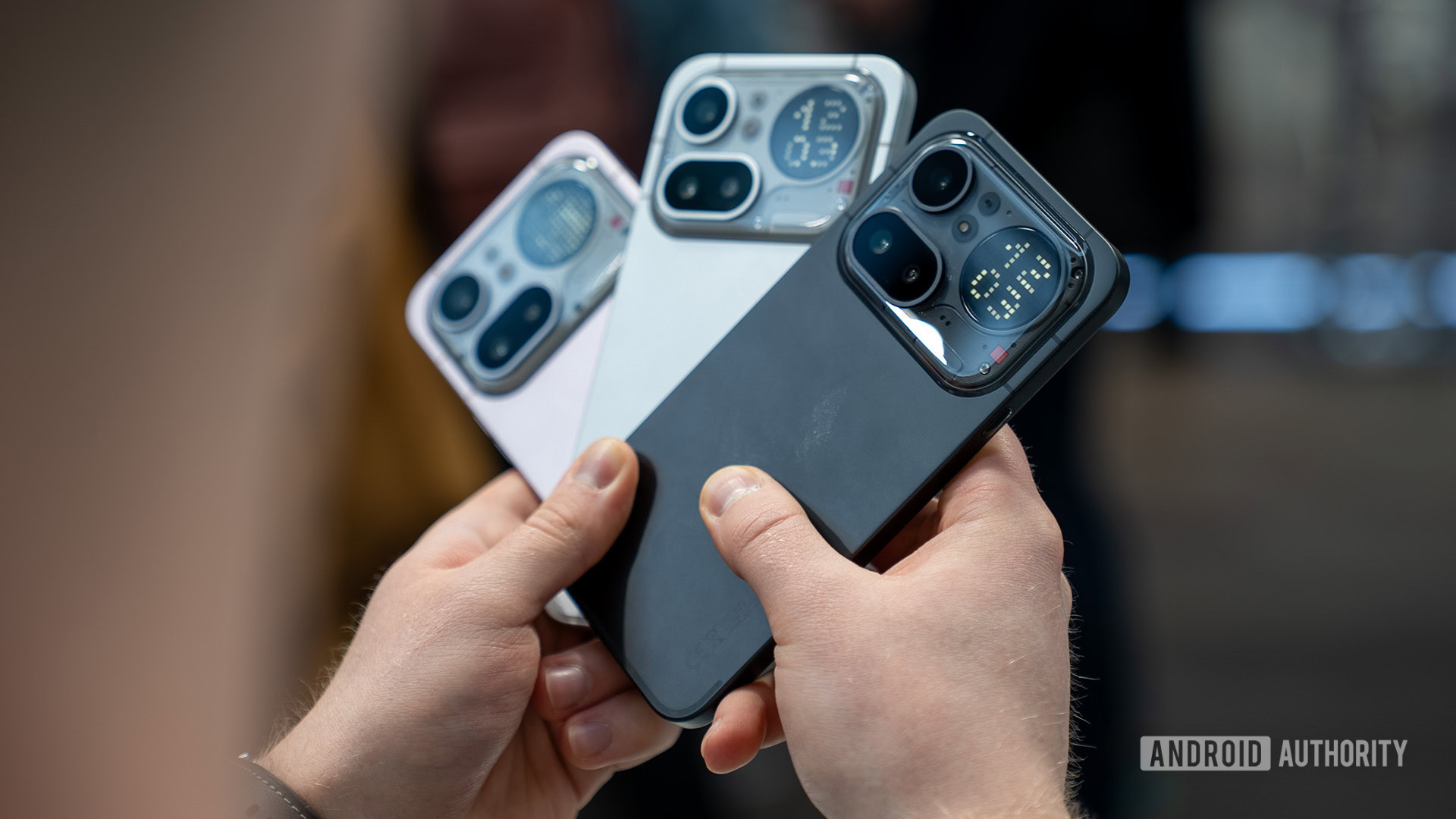
The Google Pixel 10a and Nothing Phone 4a Pro, which launched in the past month and garnered praise for their affordability and performance, represent a generation of devices whose development and production largely predated the most acute phase of this RAM crunch. These models, conceived and brought to market under more favorable memory supply conditions, could ironically prove to be the last of their kind, a testament to a bygone era of generous specifications at competitive price points. The devices hitting the market now and in the coming months are the first to truly contend with this new economic reality, forcing manufacturers to rethink long-established product strategies.
Mid-Range Market: A Crucial Segment Under Siege
The mid-range smartphone segment, typically defined by devices priced between $300 and $600, is a cornerstone of the global smartphone market. According to recent analyses by Counterpoint Research and Canalys, this segment accounts for approximately 35-40% of global smartphone shipments, making it absolutely critical for market volume, revenue, and reaching a broad consumer base, especially in emerging markets like India, Southeast Asia, and parts of Africa, as well as for budget-conscious buyers in developed economies. Consumers in this bracket seek a balance of features, performance, and affordability – expecting capabilities that go beyond basic communication, such as decent camera systems, reliable processors, and sufficient memory for multitasking and app usage, without the premium price tag of a flagship.
This unique positioning makes the mid-range segment particularly vulnerable to rising component costs. Flagship phones, with their substantially higher profit margins (often exceeding 40-50% on hardware alone), possess a greater buffer to absorb increased material expenses. A $50 increase in RAM cost for a $1,000+ flagship phone represents a smaller percentage of its overall bill of materials and selling price, making it easier to manage. For a $500 mid-range device, however, a similar $50 increase translates to a 10% jump in manufacturing cost, which can severely erode already thin profit margins (often in the 10-20% range) or necessitate a direct price hike that consumers in this sensitive segment are highly likely to resist. This inherent sensitivity to price points means manufacturers cannot simply pass on the rising costs to consumers without risking significant sales declines and market share loss.
Flagships Adapt: Absorbing Costs and Redefining Premium
In response to the RAM profitability challenge, even flagship brands have begun to strategically adapt their launch strategies. Samsung, a dominant player in the global smartphone market, has made notable adjustments with its Galaxy S26 series. The decision to discontinue 128GB storage models, a configuration traditionally offered as the base variant, is a clear example. It is widely understood that these lower-storage SKUs (Stock Keeping Units) historically yield the lowest profit margins. By eliminating them, Samsung effectively raises its entry-level price point without the negative optics of explicitly announcing a price hike for its premium line. While this move can be framed as an overdue upgrade given the increasing size of apps, media files, and operating systems, it also directly addresses the profitability squeeze imposed by higher component costs.
Concurrently, Samsung has largely maintained 12GB of RAM across most of its Galaxy S26 line, with 1TB Ultra variants potentially offering higher capacities. This is a significant decision, especially given the industry-wide push towards integrating more sophisticated on-device AI features, which typically benefit greatly from larger memory pools. By holding the line on RAM, Samsung is carefully balancing performance expectations with cost control within its flagship ecosystem, signaling a more conservative approach to memory upgrades than previously anticipated for AI-centric devices.
Xiaomi, another major global smartphone vendor known for its aggressive specifications, appears to be moving in a similar, albeit more extreme, direction. The progression from the Xiaomi 15 Ultra, which offered a 12GB RAM / 256GB storage configuration, to the newer Xiaomi 17 Ultra, which now reportedly starts at 16GB RAM and 512GB storage, showcases a clear trend towards more robust base specifications. However, this upgrade comes with an eye-watering starting price tag of €1,499. This move solidifies the Xiaomi 17 Ultra’s position firmly in the ultra-premium segment, indicating that the brand is embracing higher costs for top-tier hardware and passing them directly to consumers who are willing to pay for an extreme performance setup. Such strategies highlight how flagship manufacturers, with their greater financial leeway and a consumer base less sensitive to incremental price increases, can absorb or redirect these rising component costs.
The Mid-Range Conundrum: Innovation vs. Affordability
The challenge for mid-range manufacturers is far more acute. Their operating model is predicated on delivering compelling features at aggressive price points, a balance now severely threatened. The recent launches of mid-range devices offer a glimpse into the difficult compromises being made:
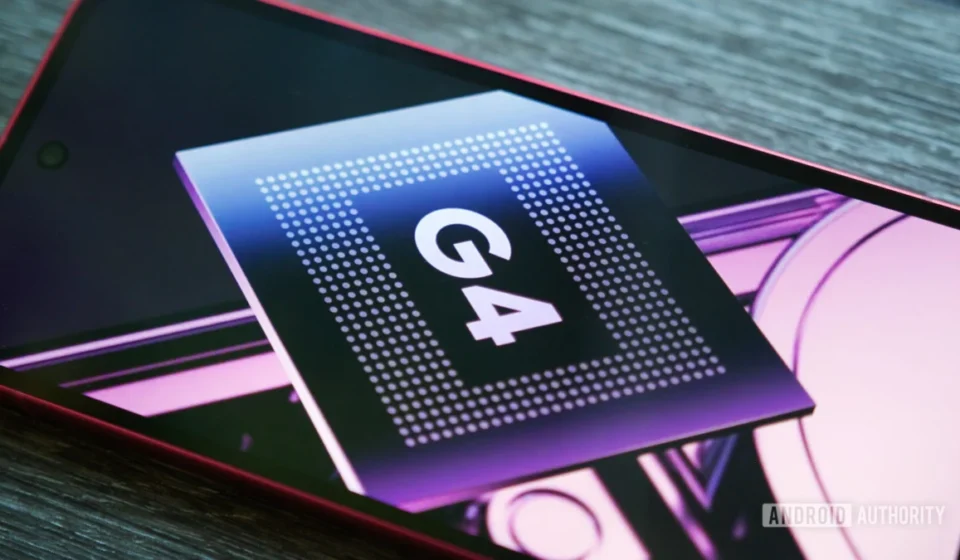
- Google Pixel 10a: Google’s decision to retain last year’s Tensor G4 chip and keep the RAM unchanged at 8GB for the Pixel 10a, while maintaining its crucial $499 price point, is highly indicative. While Google has ambitious plans for on-device AI capabilities, these aspirations are running headfirst into the stark economic realities of the mid-range market. The cost of integrating the latest processor and additional RAM, which on-device AI sorely needs for optimal performance, simply cannot be borne within the established $499 price bracket without sacrificing profitability. This suggests that product strategy, in this instance, was heavily dictated by cost preservation rather than solely by technological advancement.
- Apple iPhone 17e: Apple has adopted a slightly different, yet equally strategic, approach with the iPhone 17e, priced at $599. The company has doubled the base storage from 128GB (on the 16e) to 256GB, integrated a more powerful A19 processor, and offered faster wireless charging – all while holding the starting price steady. This presents an aggressive competitive package, focusing on core performance and storage upgrades. However, the compromises are evident in other areas: the display and camera specifications remain largely identical to the previous generation. This strategy prioritizes a performance boost, crucial for the iOS ecosystem and future-proofing, while meticulously managing costs by freezing other component upgrades that would have pushed the price higher.
- Nothing Phone 4a: Nothing, a newer entrant known for its distinctive design and value proposition, has shown a flexible approach to keep its budget phones appealing. The Nothing Phone 4a offers tiered RAM options and slightly higher prices for premium configurations, while its base models rely on the more cost-effective LPDDR4X memory. Interestingly, while it features a newer processor, the performance improvement over its predecessor isn’t substantial. Instead, Nothing has strategically invested in delivering more significant camera improvements. This contrasts with Apple’s performance-first strategy, demonstrating that manufacturers are exploring various avenues – from optimizing memory types to prioritizing specific features like cameras – to maintain competitive appeal without incurring prohibitive costs from RAM upgrades.
"Flagship brands have dropped less profitable SKUs, but what can mid-rangers do?" This rhetorical question from industry experts encapsulates the dilemma. The $400-$500 segment operates within a narrow band where consumers expect strong specifications but remain exceptionally sensitive to price increases. This makes it extraordinarily difficult for manufacturers to simply pass rising memory costs onto buyers. The current