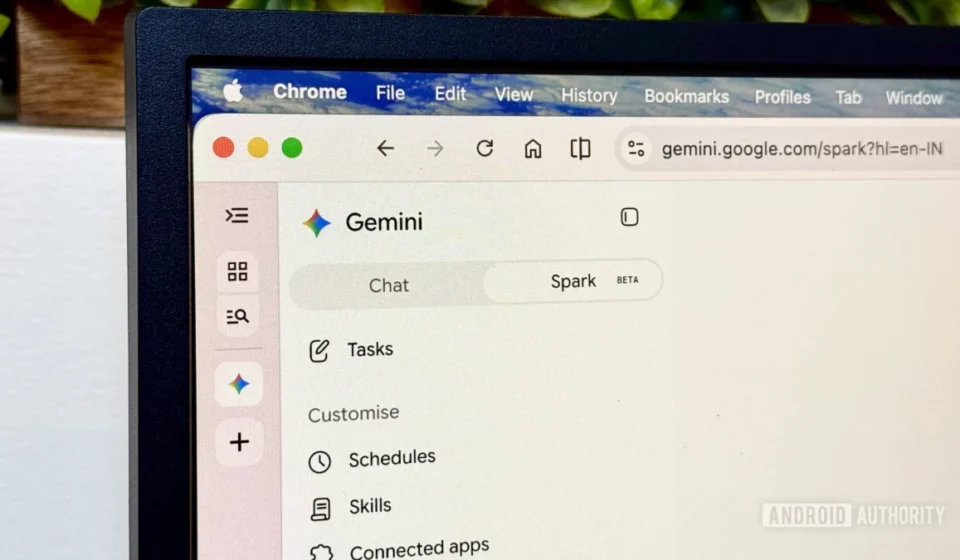
The Rise of Autonomous AI Agents: A Comparative Analysis of Google Gemini Spark and Perplexity Computer in Reshaping Digital Productivity

The advent of autonomous AI assistants capable of executing complex, multi-step tasks without constant human oversight marks a significant inflection point in technological evolution. What once seemed a distant prospect has rapidly materialized, with products like Google’s Gemini Spark and Perplexity Computer emerging as frontrunners in this nascent yet transformative field. These sophisticated AI agents are not merely conversational chatbots; they are designed to proactively retrieve, process, verify, and act upon information across various digital environments, effectively serving as highly efficient digital assistants. This detailed analysis delves into the distinct philosophies, capabilities, and market positioning of Gemini Spark and Perplexity Computer, examining their strengths, weaknesses, and broader implications for the future of work and digital interaction.
The Dawn of Autonomous AI Agents
The journey towards truly autonomous AI agents has been decades in the making, rooted in early research on expert systems and intelligent agents. However, the recent breakthroughs in large language models (LLMs) have provided the computational and linguistic backbone necessary to bring these concepts to mainstream reality. Unlike traditional AI tools that perform singular, discrete functions, AI agents are designed for goal-oriented, multi-stage reasoning and execution. They can break down complex prompts into sub-tasks, interact with various applications, learn from user feedback, and adapt their strategies to achieve desired outcomes. This paradigm shift from reactive AI to proactive, self-supervising AI is fundamentally altering user expectations and operational efficiencies across personal and professional domains.
Google’s entry, Gemini Spark, leverages its vast ecosystem dominance, aiming for seamless integration within its suite of services. Concurrently, Perplexity Computer, while perhaps less known to the general public, has carved out a niche by championing an agnostic approach, orchestrating a diverse array of third-party LLMs to tackle tasks. This fundamental difference in architecture—ecosystem-centric versus multi-model orchestration—defines their respective strengths and target audiences, setting the stage for an intriguing competition in the evolving AI landscape.
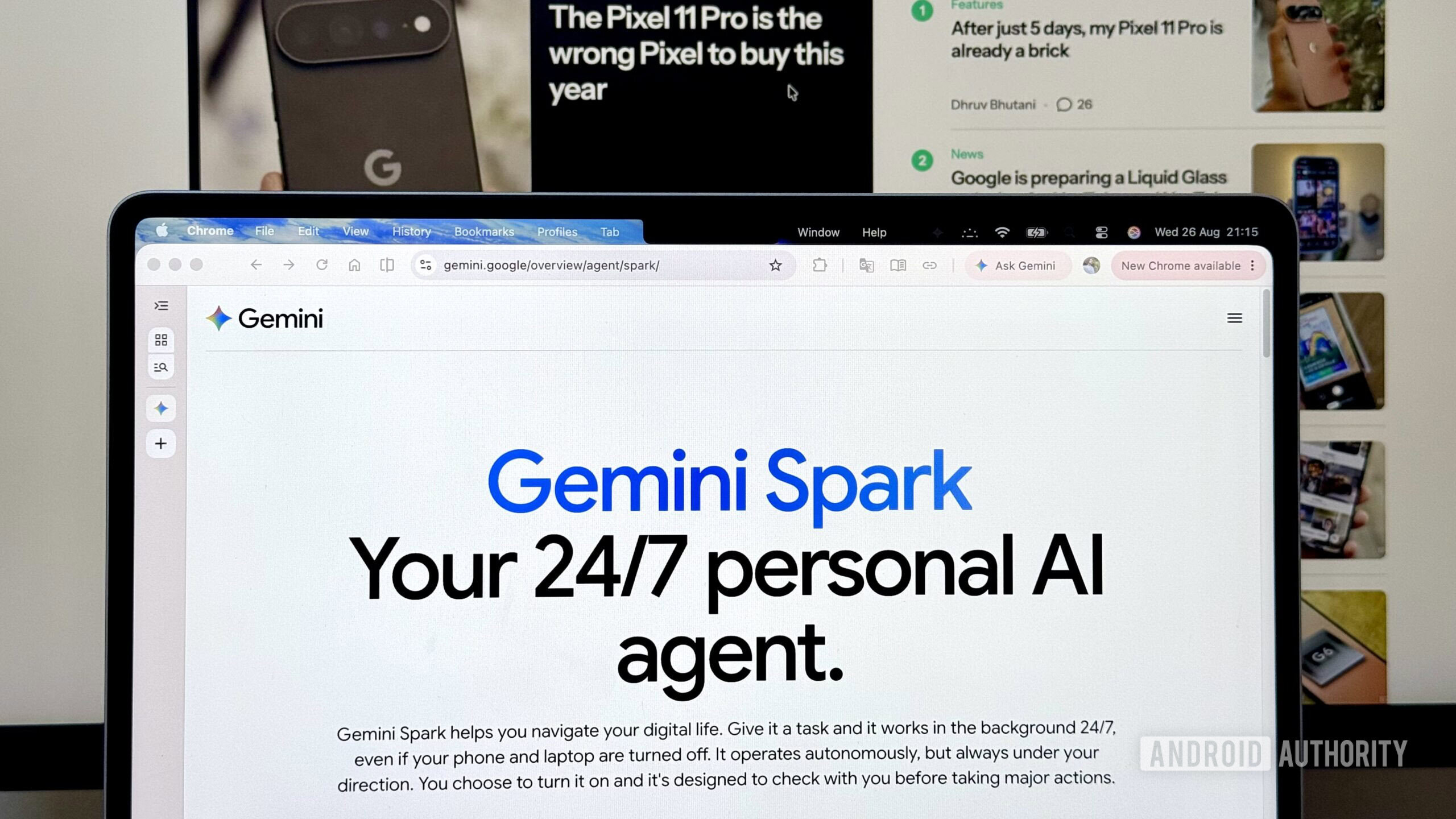
Gemini Spark: Google’s Integrated Ecosystem Powerhouse
Gemini Spark represents Google’s strategic move to embed advanced AI agency directly into its widely adopted ecosystem. Launched with considerable anticipation, Spark distinguishes itself through its native integration with Google Workspace applications such as Gmail, Google Drive, Docs, Calendar, and Photos. This inherent "family membership" bypasses the need for complex API integrations or third-party connectors that other AI tools often require. For end-users, this translates into an exceptionally intuitive and friction-free experience, particularly within the Google environment.
The operational mechanics of Gemini Spark are rooted in its ability to understand context across Google services, retrieve relevant information, and execute multi-step tasks with minimal user intervention. For instance, a user could task Spark with resolving an issue like a defective product delivery. Instead of manually sifting through emails, tracking down order details, and navigating labyrinthine customer support menus, Spark can, upon instruction, pull order specifics from Gmail, locate the appropriate customer service contact information (a task often deliberately obscured by brands), and draft a comprehensive, pre-populated email ready for review and dispatch. This capability significantly reduces the "digital friction" of everyday administrative and organizational tasks, allowing users to delegate time-consuming chores and refocus on higher-value activities.
Google’s strategic vision for Gemini Spark, as inferred from its development and rollout, appears centered on democratizing access to sophisticated AI agency. By making Spark accessible to its Pro tier users at a competitive $20 per month subscription, Google aims to bring advanced AI capabilities to billions of consumers and small businesses worldwide. A hypothetical statement from a Google spokesperson might emphasize, "Gemini Spark is designed to seamlessly extend the capabilities of every Google user, transforming how they interact with their digital world. Our deep ecosystem integration allows for unparalleled efficiency and a truly personalized AI experience, making complex tasks simple and accessible for everyone." This focus on user-friendliness and broad accessibility ensures that Spark, despite its advanced underlying technology, feels approachable rather than intimidating, fostering wider adoption among users who might be new to AI. The current iteration, running on Gemini 3.7 Flash, showcases a commitment to iterative improvement, with future models expected to further enhance its capabilities.
Perplexity Computer: The Orchestrator of Diverse AI Intelligence
In contrast to Google’s integrated approach, Perplexity Computer champions an open, multi-model strategy, positioning itself as an orchestrator of diverse AI intelligences. Perplexity, by design, does not rely on a single proprietary large language model. Instead, it dynamically leverages third-party LLMs from leading developers such as OpenAI (e.g., ChatGPT), Anthropic (e.g., Claude), and even Google’s own models, among others. This architectural choice allows Perplexity Computer to delegate specific sub-tasks to the LLM best suited for that particular function. For example, if a task involves generating high-quality images, Perplexity might route that component to an OpenAI model known for its creative capabilities, rather than being limited to a single, potentially less specialized, proprietary model.
This model diversity offers significant advantages in terms of performance, versatility, and robustness. By tapping into a "bouquet" of LLMs, Perplexity can theoretically achieve higher accuracy and more nuanced outputs across a wider range of complex tasks. The original article highlights a perceived difference in reliability, noting that Perplexity Computer’s self-assessment and verification processes appear more robust, allowing fewer "defects" to slip through. This suggests a sophisticated meta-AI layer that evaluates and cross-references results from multiple models, enhancing the overall quality and trustworthiness of its output. A hypothetical Perplexity executive might state, "Our core mission with Perplexity Computer is to provide the most capable and flexible AI agent by harnessing the collective intelligence of the world’s leading large language models. This agnostic approach ensures our users always have access to the best tool for every specific job, irrespective of its origin, delivering unparalleled accuracy and comprehensive solutions."
Furthermore, Perplexity Computer has demonstrated a clear focus on the professional and enterprise market, evidenced by its extensive list of third-party integrations. It seamlessly connects with critical business tools such as Salesforce, HubSpot, Microsoft 365, and even Google Workspace, alongside a multitude of other industry-specific platforms. This broad compatibility makes Perplexity an attractive solution for organizations and professionals whose workflows extend beyond a single ecosystem. Its longer presence in the market has allowed it to develop a more mature and extensive integration network, giving it a solid head start in addressing complex professional demands. The higher price point of approximately $200 per month for Perplexity Computer reflects its positioning as a premium tool for intensive, mission-critical professional applications where the breadth of integrations and the robustness of multi-LLM orchestration justify the investment.
Comparative Analysis: Strengths, Weaknesses, and Market Dynamics
The contrasting philosophies of Gemini Spark and Perplexity Computer illuminate a fascinating divergence in the burgeoning AI agent market. Gemini Spark’s strength lies unequivocally in its deep, native integration within the Google ecosystem. For users heavily invested in Google’s services, Spark offers unparalleled ease of use, seamless context sharing, and a remarkably friction-free experience. Its accessibility and lower entry price point ($20/month for Pro users) are poised to drive mass adoption, making advanced AI agency a mainstream reality for everyday tasks, from personal organization to basic communication. However, this strength simultaneously presents its primary limitation: a dependency on Google’s proprietary LLMs and a relative lack of integration outside its immediate ecosystem. Users operating extensively with non-Google platforms or seeking specialized AI capabilities (e.g., specific image generation models) might find Spark’s reach constrained.
Perplexity Computer, on the other hand, excels in its versatility and enterprise-grade capabilities. By acting as an orchestrator of multiple LLMs, it can potentially offer superior performance for specific tasks by routing them to the most proficient model available. This "best-of-breed" approach, combined with its vast array of third-party integrations, makes it an incredibly powerful tool for professionals and businesses whose operations span diverse software environments. Its perceived maturity and robust self-assessment mechanisms further enhance its appeal for critical applications. The significant investment required ($200/month) positions it as a specialized, high-performance solution, targeting users who prioritize maximum capability and flexibility over ecosystem simplicity. Its weakness, if any, lies in the inherent complexity of managing multiple LLMs and integrations, which might present a steeper learning curve or a less "unified" feel compared to Spark’s streamlined Google-centric experience.
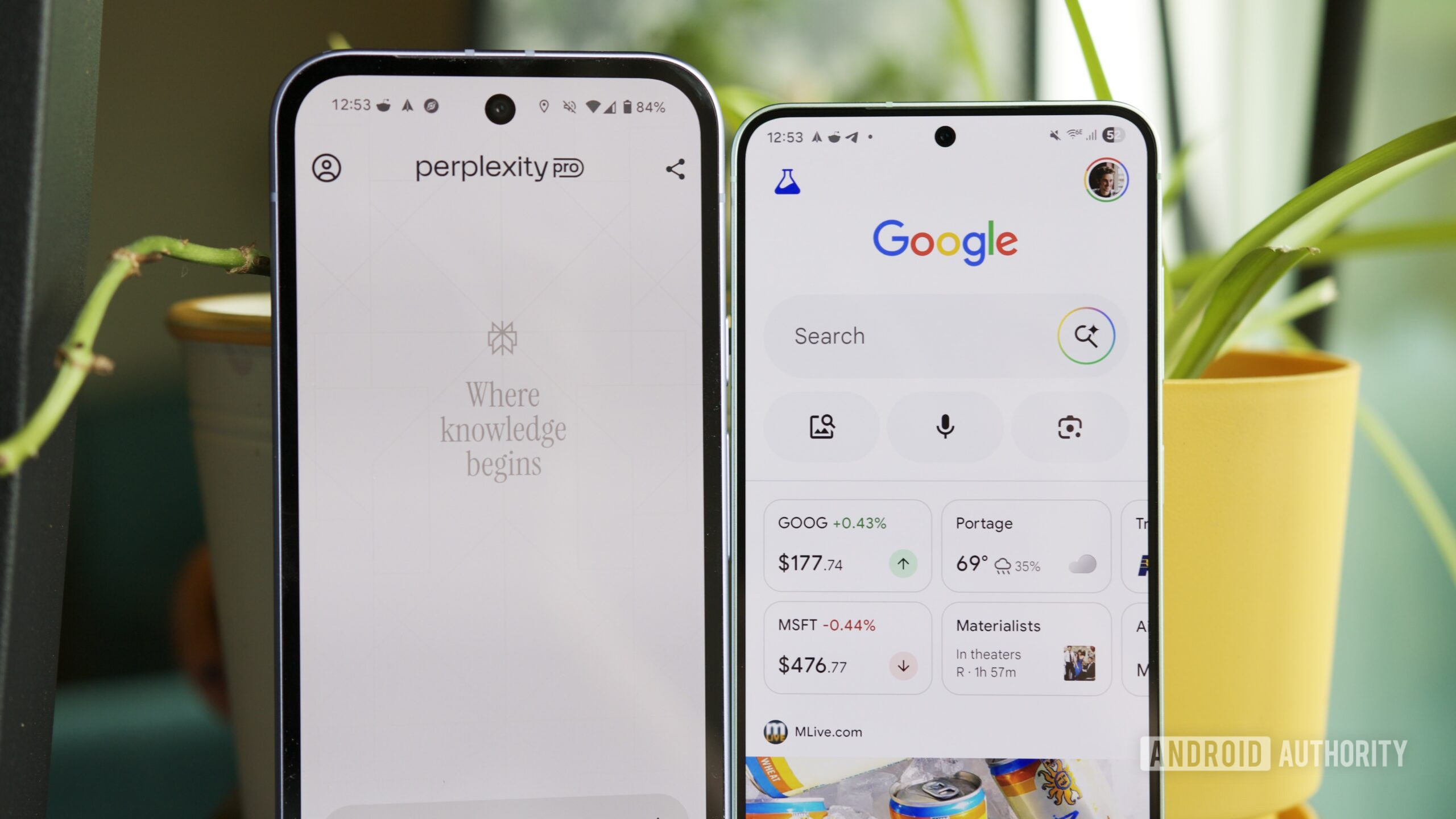
Market dynamics suggest that both approaches will find significant traction. Google’s strategy taps into its massive user base, aiming for widespread, ubiquitous AI assistance that enhances existing workflows. Perplexity’s strategy targets the power user and enterprise segment, offering a highly adaptable and powerful tool for complex, multi-platform demands. The question of "ecosystem lock-in" versus "openness" will continue to shape user choices, with convenience and cost often balancing against specialized performance and flexibility.
Implications for the Future of Work and Digital Interaction
The emergence and refinement of AI agents like Gemini Spark and Perplexity Computer carry profound implications for the future of work, digital interaction, and the competitive landscape of the technology industry.
Productivity Revolution: The most immediate impact is a dramatic increase in individual and organizational productivity. By offloading multi-step, routine, and information-intensive tasks to AI agents, human workers can dedicate more time to creative, strategic, and interpersonal activities. This shift is not merely about automation but about intelligent delegation, where the AI agent understands context, anticipates needs, and executes tasks with a degree of autonomy previously confined to human assistants.
Shifting User Expectations: As these tools become more prevalent, user expectations will evolve rapidly. The ability to simply articulate a complex goal and have an AI agent execute it will become the norm. This will push developers to create increasingly intuitive interfaces and more capable underlying models, fostering a continuous cycle of innovation.
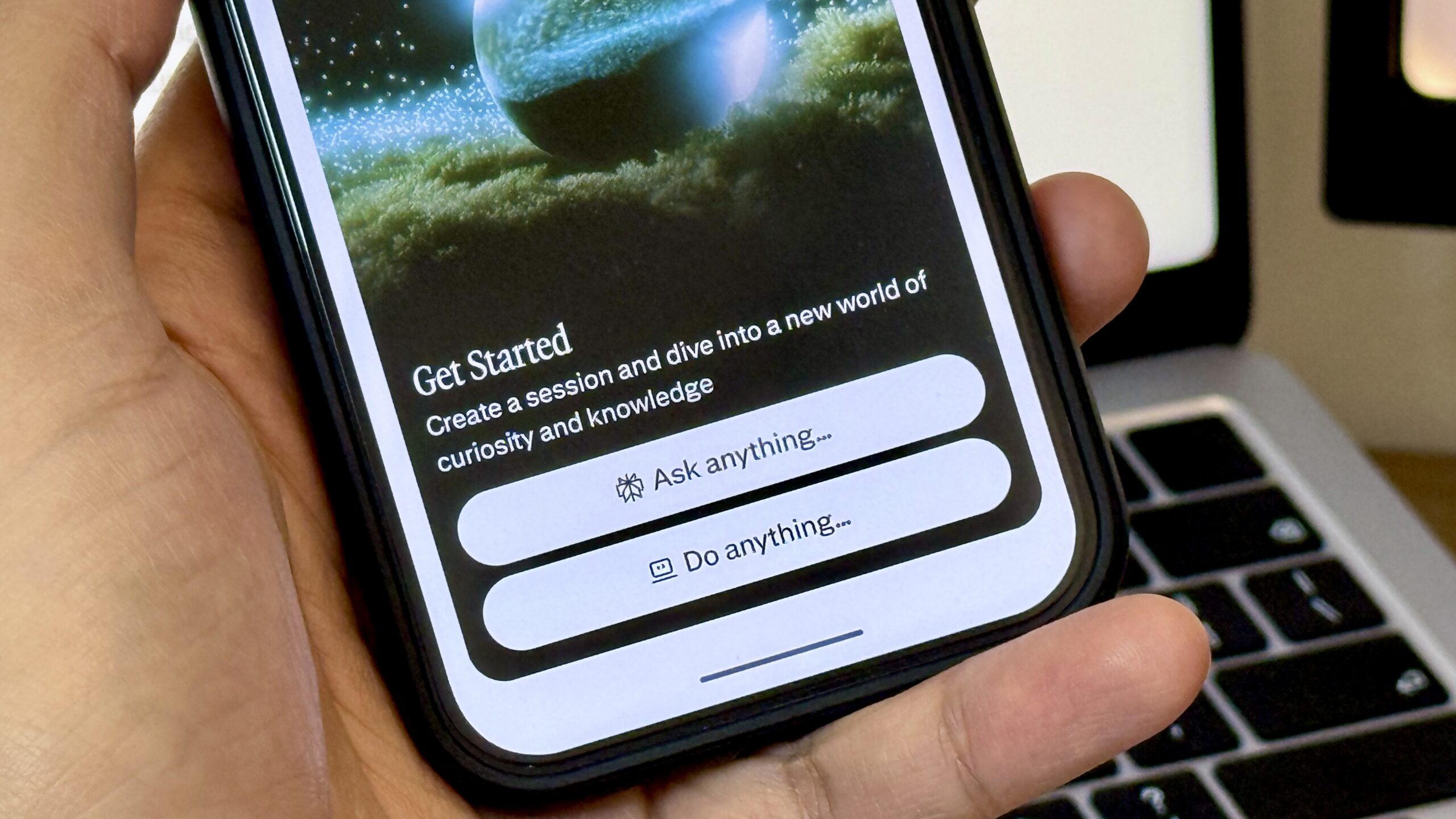
Competitive Landscape Evolution: The battle between integrated ecosystems (like Google’s) and open, agnostic platforms (like Perplexity’s) will intensify. Companies will need to decide whether to double down on proprietary solutions, open their platforms to third-party integrations, or pursue hybrid models. This competition will drive advancements in AI capabilities, data privacy protocols, and user experience design. The delay in making Gemini Spark widely available for Google’s business-oriented Workspace subscriptions, possibly due to regulatory requirements or enterprise-specific complexities, highlights a challenge for Google in extending its consumer-friendly AI into more stringent professional environments, giving Perplexity a temporary advantage in that specific niche.
Challenges and Ethical Considerations: The rise of autonomous AI agents also brings significant challenges. Data privacy and security become paramount, especially when agents handle sensitive personal and corporate information across multiple applications. Ethical AI development, ensuring fairness, transparency, and accountability in decision-making, will be crucial. Furthermore, the potential for job displacement, the need for new skill sets, and the evolving nature of human-AI collaboration will necessitate careful societal and economic adjustments. Regulatory frameworks will need to adapt rapidly to govern the deployment and use of these powerful tools.
Future Outlook: It is plausible that both approaches—ecosystem-centric and multi-model orchestration—will continue to thrive, catering to different segments of the market. Google’s vast resources and existing user base give Gemini Spark immense potential for ubiquity and iterative improvement. Addressing current "rough edges" and potentially integrating more robust self-correction mechanisms, perhaps through enhanced Gemini Pro models, could significantly bolster Spark’s capabilities. Perplexity, meanwhile, will likely continue to innovate in its orchestration layer, seeking out the most advanced LLMs and expanding its integration network to maintain its lead in specialized, enterprise-grade applications. The future may also see a convergence, where integrated ecosystems offer more third-party flexibility, and open platforms develop deeper, more seamless integrations with core productivity suites.
In conclusion, the advent of AI agents like Google Gemini Spark and Perplexity Computer signals a profound transformation in how individuals and businesses interact with technology. While Google leverages its unparalleled ecosystem to deliver an accessible, integrated experience, Perplexity harnesses the power of diverse LLMs to offer a highly flexible and robust solution for complex professional demands. Both are pioneers in a rapidly evolving field, each paving a distinct yet equally impactful path towards a future where AI autonomously manages digital friction, unlocking unprecedented levels of productivity and innovation across all facets of life.