Universal Tower Defense Tier List: Navigating the Anime-Inspired Roblox Strategy Game

The vibrant and ever-evolving landscape of Roblox games continues to captivate a global audience, and Universal Tower Defense stands out as a prominent example within the strategy genre. Drawing heavily from popular anime aesthetics and mechanics, the game presents players with a complex system of unit acquisition, strategic deployment, and character customization. To aid players in their quest for dominance on the digital battlefield, a comprehensive tier list has emerged, categorizing units and their associated traits based on their perceived effectiveness. This guide aims to dissect the components of this tier list, providing context, analysis, and practical advice for both novice and experienced players.
At its core, Universal Tower Defense challenges players to defend designated points against waves of incoming enemies by strategically placing and upgrading unique units. The game’s visual and thematic inspiration from a multitude of anime series contributes to its broad appeal, offering a diverse roster of characters that resonate with fans of the genre. However, this very diversity can also present a significant learning curve, particularly when it comes to understanding unit synergies, optimal build orders, and the impact of character-specific traits. The tier list, therefore, serves as an invaluable navigational tool, offering clarity in a potentially overwhelming system.
The game’s primary hub, which bears a striking resemblance to Lumina Square from HoYoverse’s Zenless Zone Zero, acts as the central nexus for player progression. It is within this area that players can engage in the summoning of new units, modify existing ones, and access critical game systems. The availability of a dedicated codes guide, offering free in-game currency, further underscores the developer’s commitment to player engagement and accessibility, allowing players to accelerate their unit acquisition and experimentation.
Unit Acquisition and the Summoning System
The process of obtaining new units in Universal Tower Defense is primarily driven by a gacha-style summoning system. Players are directed to a designated summoning building within the game’s main area, where they interact with an NPC to initiate pulls from available banners. These banners typically feature different sets of characters, often with varying rarities and thematic groupings. Each individual summon costs 50 gems, while a more economical ten-pull is available for 500 gems. This gem currency can be acquired through gameplay or by utilizing redemption codes.
The strategic advantage derived from superior units is undeniable in a tower defense game. The tier list, therefore, becomes a critical resource for players looking to optimize their gem expenditure and focus on acquiring the most potent characters. The classification of units into S, A, B, C, and D tiers reflects their general utility, power level, and effectiveness across a range of in-game scenarios.
Universal Tower Defense Unit Tier List Breakdown
S-Tier Units: These units represent the pinnacle of offensive and defensive capabilities within Universal Tower Defense. They are characterized by their exceptional damage output, unique crowd-control abilities, or robust defensive stats, making them indispensable for overcoming the most challenging waves and enemy types.
- Admiral (Magma): Likely offers potent area-of-effect damage with a fire-based theme, potentially inflicting burn status effects.
- Berserker (Enraged): Suggests a high-risk, high-reward melee unit with significant damage potential when at full strength or under specific conditions.
- Dragon Guy (Silverite): Implies a powerful, possibly ranged unit with a dragon theme, potentially specializing in high single-target damage or aerial assault.
- Jinoo (Monarch): A character with a regal title, hinting at a unit with commanding presence, perhaps buffs for allies or strong leadership-based abilities.
- Ice Empress (Frost): A classic archetype, likely specializing in crowd control through freezing or slowing enemies, disrupting their advance.
- Jangluu (Eclipse): The "Eclipse" designation suggests a unit with perhaps shadow-based abilities, potentially focused on stealth, critical hits, or debuffs.
- Phantom Captain (Carrier): This unit’s name implies a support role, possibly summoning smaller units or providing buffs to a fleet.
- Ichiko (Rage): Suggests a unit that gains power through combat or specific conditions, potentially becoming a formidable offensive force.
- Bio-Android (Imperfect): The "Imperfect" moniker might indicate a unit with evolving capabilities or a unique mechanic related to its growth or transformation.
- Migumen (Finale): The "Finale" suggests a unit with a powerful, potentially ultimate ability that can turn the tide of battle.
- Sharpshooter (Precision): A clear indicator of a high-accuracy, high-damage ranged unit, ideal for picking off priority targets.
- Psycho: This unit’s name is broad, but in a strategy context, it could imply a unit with mental manipulation abilities, debuffs, or area denial.
A-Tier Units: While not as universally dominant as S-tier units, A-tier characters are still highly effective and form the backbone of many successful strategies. They offer strong performance in their respective roles and can be crucial for filling out a team’s composition.
- Cyborg (Fearless): A robust unit, likely with good durability and offensive capabilities, possibly immune to certain debuffs.
- Kriatu (Cheater): The "Cheater" designation is intriguing, possibly implying a unit with unique mechanics that bypass standard rules, like increased evasion or unexpected damage bursts.
- Miku (Super Star): A pop culture reference, this unit could be a support character offering buffs or a unique offensive ability related to performance.
- Ronin Obito: A popular anime character, likely a skilled melee combatant with agile attack patterns.
- Rule (Room): The "Room" aspect is ambiguous, but it could relate to area control or a unit that creates a zone of effect.
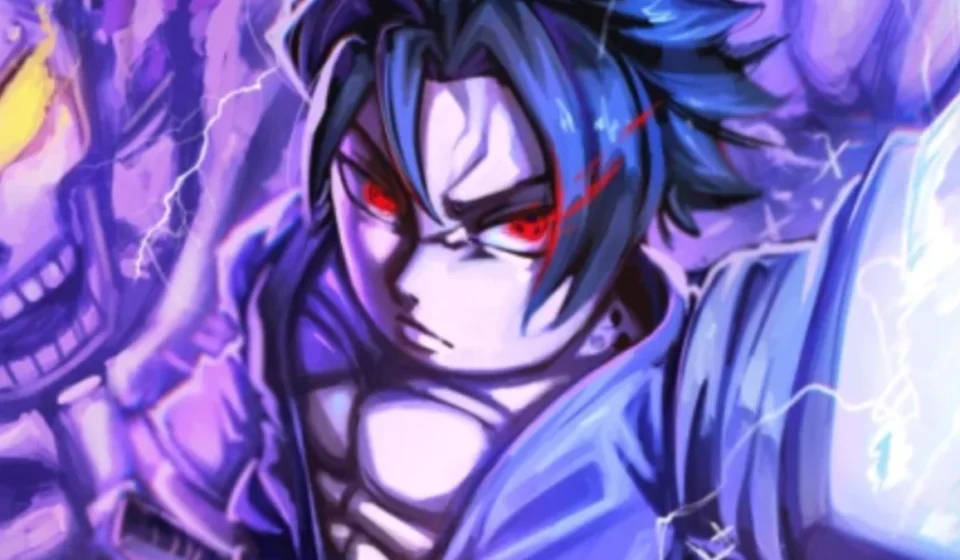
- Sasku (Chakra): Another anime reference, likely a ninja-like character with swift attacks and possibly elemental abilities tied to "Chakra."
- Spade (Donut): The "Donut" is an unusual descriptor, suggesting a unique visual or a quirky ability. "Spade" might indicate a sharp, piercing attack.
- Shunks (Conqueror): A unit with a title of authority, likely possessing strong offensive capabilities or area denial.
- Koyote (Number One): A character that likely excels in a specific role, aiming for peak performance in their niche.
- Bambee (Blitz): Suggests a fast-acting unit, ideal for quick engagements or rapid deployment.
- Tierabel (Hydro): A water-themed unit, likely capable of slowing enemies or dealing damage over time with water-based attacks.
- Scarlet Maid (World): A unit with a potentially elegant yet deadly combat style, possibly with support or debuffing capabilities.
- Robot 17 & 18: Referencing iconic android characters, these units are likely powerful combatants with consistent damage output.
- Fallen Prince: This unit’s name implies a tragic backstory, possibly translating to a unit with high offensive potential but perhaps a vulnerability.
B-Tier Units: These units are generally considered solid performers but may require more specific team compositions or strategic deployment to reach their full potential. They can be effective early-game choices or useful in niche situations.
- Footballer (Ego): Suggests a unit with a dynamic, possibly physical combat style, perhaps with abilities related to scoring or powerful kicks.
- Shakumira Evo: The "Evo" implies an evolved form, hinting at a unit that can transform or upgrade mid-battle for increased power.
- Ultiorra (Oblivion): A name that evokes a sense of finality or destruction, potentially a unit with a powerful, single-use ability.
- Rogue Oni: An "Oni" is a type of Japanese demon, suggesting a fierce, melee-oriented unit with high attack power.
C-Tier Units: C-tier units are typically less impactful than those in higher tiers. They may have lower base stats, less useful abilities, or be outclassed by superior alternatives. However, they can still serve a purpose, especially in the early stages of the game or as fodder for upgrades.
- Gen, Masked Ninja, Mob (100%), Nejo, Orahemi, Pebble, Namu, Nutaru (Kid), Nejo, Grommjaw: These units represent a range of archetypes, from generic fighters to more specialized characters. Their effectiveness is likely dependent on specific interactions or early-game resource limitations. The duplication of "Nejo" might indicate a typo or a character with multiple variations.
D-Tier Units: D-tier units are generally considered the weakest in the game. They are often outmatched by higher-tier units and may struggle to contribute significantly to defense. Players are typically advised to focus on acquiring and upgrading units from higher tiers.

- Fastcart, Ruka, Zora, Ranji, Gaaru, Laffy, Lulu, Bulmo: These units likely possess minimal offensive or defensive power, serving primarily as placeholders or early-game introductions.
The Crucial Role of Traits in Universal Tower Defense
Beyond the base stats and abilities of individual units, Universal Tower Defense incorporates a robust trait system that allows for significant character customization and power enhancement. Traits can be equipped to units to grant them new skills, passive bonuses, or modify their existing capabilities, thereby dramatically altering their effectiveness. The strategic selection and acquisition of traits are as crucial as choosing the right units.
The trait tier list categorizes these modifiers, highlighting those that offer the most significant gameplay advantages.
Universal Tower Defense Trait Tier List
S-Tier Traits: These are the most sought-after traits, offering transformative buffs and powerful new abilities that can elevate even a mid-tier unit to exceptional performance.
- Astra: Potentially relates to cosmic or celestial powers, suggesting a broad area-of-effect or damage-boosting trait.
- Artificier: Implies a trait that enhances the unit’s utility, possibly by improving attack speed, reducing ability cooldowns, or increasing resource generation.
- Eternal: Suggests a trait that provides sustained power, perhaps through self-healing, damage reduction over time, or a persistent buff.
- Fission: Likely relates to abilities that split or multiply upon impact, creating chain reactions or wider area damage.
- Sacred: Implies a divine or holy enhancement, possibly granting increased damage against specific enemy types or a powerful protective aura.
- Wizard: Suggests a trait that amplifies magical abilities, increasing spell power, range, or introducing new magical effects.
A-Tier Traits: These traits offer substantial improvements and are highly valuable for optimizing unit performance. They provide strong bonuses that are crucial for competitive play.
- Deadeye: Enhances accuracy and critical hit chance, making a unit particularly effective at eliminating key targets.
- Duelist: Likely boosts a unit’s performance in one-on-one combat or when facing fewer enemies, possibly increasing attack speed or damage.
- Lethal: Directly increases damage output, a straightforward but highly effective buff.
- Lightspeed: Significantly boosts movement or attack speed, allowing for rapid deployment or a barrage of attacks.
- Ruler: Suggests a trait that provides a commanding presence, possibly by buffing nearby allies or imposing penalties on enemies.
B-Tier Traits: These traits provide useful, albeit less game-changing, bonuses. They can still contribute to a unit’s effectiveness and are valuable when S or A-tier traits are unavailable.
- Fortunate: Might increase the chance of critical hits or trigger beneficial random events.
- Prodigy: Suggests an innate talent, possibly reducing ability cooldowns or granting a bonus at the start of a wave.
- Precise: Enhances accuracy or reduces the chance of missing attacks.
C-Tier Traits: C-tier traits offer minor enhancements that are generally less impactful compared to higher-tier options. They can be useful in specific situations or as stepping stones to better traits.
- Agile: Provides a minor boost to movement or attack speed.
- Enhanced: A generic buff that likely increases a base stat like attack or defense by a small margin.
Acquiring and Applying Traits
The process of obtaining and applying traits in Universal Tower Defense involves dedicated in-game mechanics. Players first require "trait reroll items" to initiate the process. These crucial items can often be obtained for free through the aforementioned codes system, emphasizing the importance of staying updated on in-game promotions.
Once these items are acquired, players must visit the upgrade building, clearly marked with a "Traits" logo. Interacting with the NPC within this building allows players to select the "traits" option. From there, they can choose the specific character they wish to enhance. The "reroll" function serves a dual purpose: it can either grant a trait to a character that currently possesses none, or it can re-roll an existing trait, potentially replacing it with a more desirable one from the available pool. This system encourages players to continuously refine their unit builds by striving for the optimal trait combinations.
Broader Implications and Player Engagement
The existence and accessibility of detailed tier lists for Universal Tower Defense highlight a common trend in modern online gaming: the importance of community-driven knowledge sharing and strategic optimization. Players are not just engaging with the game’s mechanics; they are actively analyzing, categorizing, and disseminating information to improve their performance and enjoyment.
The developers’ inclusion of systems like redeemable codes and clear progression paths for units and traits demonstrates an understanding of player motivations. By providing tools like tier lists (implicitly through the game’s design, and explicitly through community efforts), developers can foster a more engaged and dedicated player base. The game’s anime theme also plays a significant role, tapping into a pre-existing fanbase that is often enthusiastic about collecting characters and optimizing their power.
The long-term success of Universal Tower Defense will likely depend on its ability to maintain a balanced meta, introduce fresh content to keep players engaged, and continue to foster a supportive community. The current tier list provides a solid foundation for players navigating the game’s complexities, but as the game evolves, so too will the optimal strategies, necessitating ongoing analysis and adaptation from its dedicated player base. The interplay between unit strength, trait synergy, and player skill will undoubtedly continue to shape the meta of this popular Roblox title.