Google Pixel Watch 4 Sees Unprecedented Discount Amidst Growing Smartwatch Market Competition

The Google Pixel Watch 4 (41mm, Wi-Fi version) is currently available at a record-low price point through Amazon’s "Big Spring Deal" event, marking a significant opportunity for consumers to acquire Google’s latest wearable at a substantial discount. This promotional offering applies to all color variations directly available from Amazon, with the sole exception being the configuration featuring an Obsidian Band paired with a Matte Black Case, which is presently out of stock. This strategic pricing move by Google, facilitated through a major retail partner, underscores the intensifying competition within the burgeoning smartwatch market and Google’s concerted efforts to expand its footprint in the wearables segment.
The Pixel Watch 4: A Closer Look at Google’s Flagship Wearable
The Pixel Watch 4 represents the pinnacle of Google’s smartwatch engineering to date, blending sophisticated design with advanced technological capabilities. Positioned as a direct competitor to other leading smartwatches in the Android ecosystem, as well as Apple’s dominant watchOS devices, the Pixel Watch 4 aims to deliver a seamless, intuitive, and feature-rich experience for Android users.
Design and Durability: A Refined Aesthetic
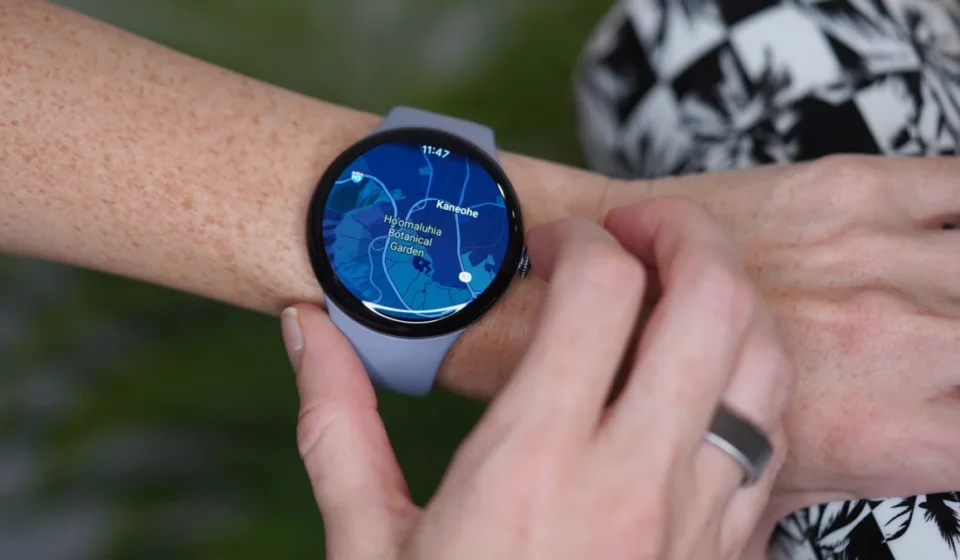
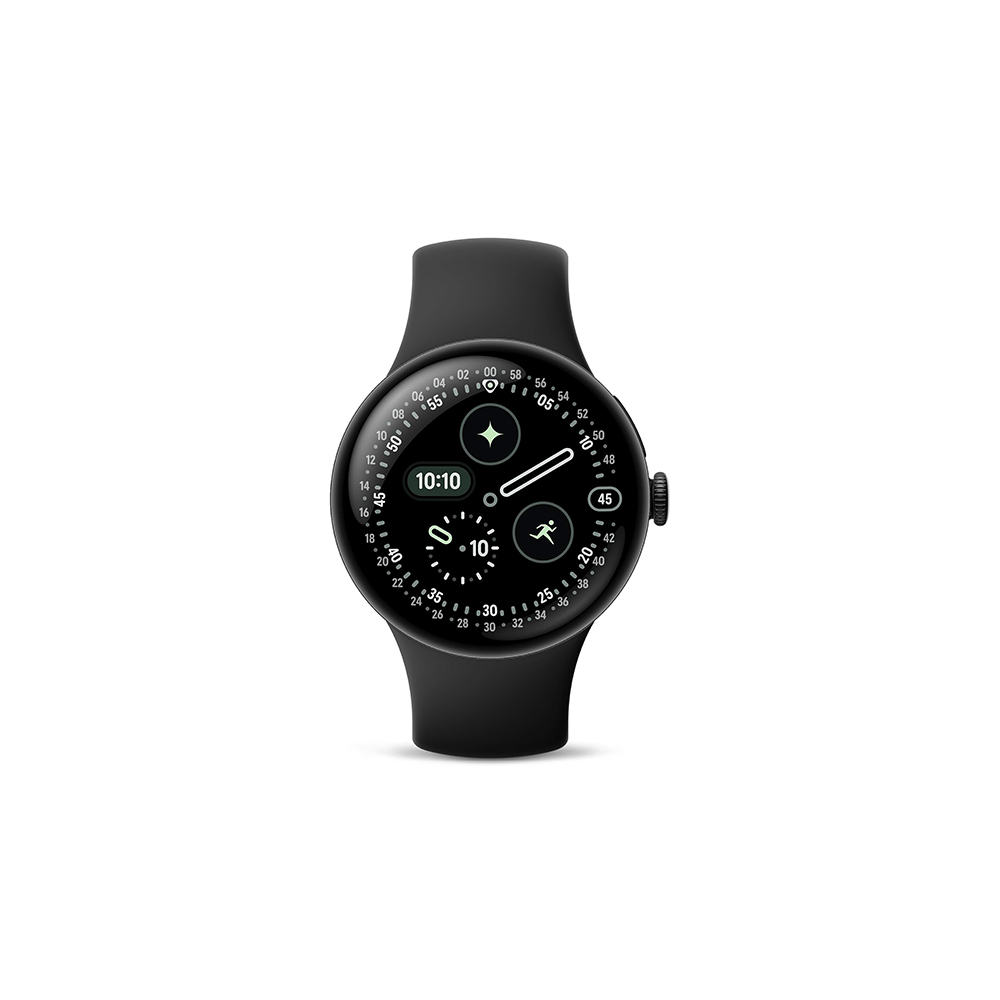
One of the most striking aspects of the Pixel Watch 4 is its meticulously crafted design. Departing from the often rugged or overtly sporty aesthetics of some competitors, Google has opted for a "refined" and "streamlined" look, characterized by a perfectly circular, domed display that integrates fluidly with the sleek chassis. This design choice not only enhances the device’s visual appeal but also contributes to a comfortable fit on the wrist. The 41mm variant, currently on offer, caters to users who prefer a more compact and understated wearable.
Beyond its aesthetics, the Pixel Watch 4 is built for resilience. It boasts an IP68 rating, signifying its comprehensive protection against dust ingress and its ability to withstand immersion in water up to 1.5 meters for 30 minutes. Complementing this, the device features 5ATM water resistance, allowing it to be submerged to a depth of 50 meters, making it suitable for swimming and other water-based activities without concern for damage. This robust construction ensures that the Pixel Watch 4 is not just a fashion statement but a durable companion for daily life and active pursuits.
Display Innovation: Clarity and Brilliance
At the heart of the Pixel Watch 4’s user experience is its "Actua 360 Display." This advanced AMOLED panel is designed to deliver deep blacks, vibrant colors, and exceptional contrast, crucial for readability and visual engagement. A standout feature is its impressive peak brightness of 3,000 nits. This capability ensures that the watch face remains perfectly legible even in direct sunlight, a common challenge for many smartwatches. The "large viewing area with greatly reduced bezels over previous models" further enhances the immersive experience, maximizing screen real estate for apps, notifications, and watch faces. This technological advancement in display quality significantly improves usability in diverse lighting conditions, from bright outdoor environments to dimly lit interiors.
Performance, Software, and Ecosystem Integration
Underpinning the Pixel Watch 4’s capabilities is a robust internal architecture. While the original snippet does not detail the specific processor, it can be inferred that the Watch 4 likely utilizes a modern, efficient Wear OS-optimized chip (such as a hypothetical Exynos W930 or a custom Google Tensor chip for wearables), paired with ample RAM and storage to ensure smooth multitasking and responsive application performance. The device runs on the latest iteration of Google’s Wear OS, which has undergone significant development in recent years to offer a more fluid and feature-rich experience.
Key software features include comprehensive integration with the Google ecosystem. Users can access Android applications directly from their wrist, manage notifications, and utilize Google Assistant (now enhanced with Gemini access, as noted in the article) for voice commands and information retrieval. Mobile payments are seamlessly facilitated through Google Wallet, allowing for contactless transactions. Google Maps provides turn-by-turn navigation, and various communication apps keep users connected. The emphasis on a streamlined, intuitive interface makes the Pixel Watch 4 a compelling choice for those seeking a harmonious experience within the Android environment.

Health and Fitness: Empowered by Fitbit
Google’s acquisition of Fitbit has profoundly shaped the health and fitness capabilities of the Pixel Watch series, and the Pixel Watch 4 is no exception. It integrates a comprehensive suite of advanced health and fitness sensors designed to provide users with actionable insights into their well-being. These sensors typically include:
- Heart Rate Monitor: Continuous tracking of heart rate zones for exercise optimization and resting heart rate monitoring for overall health.
- Electrocardiogram (ECG): On-demand ECG readings to detect signs of atrial fibrillation (AFib).
- Blood Oxygen (SpO2) Sensor: Measures blood oxygen saturation levels, important for understanding respiratory health and sleep quality.
- Skin Temperature Sensor: Provides insights into body temperature variations, which can be useful for sleep tracking, illness detection, and cycle tracking.
- Activity Tracking: Automatically tracks steps, distance, calories burned, and active zone minutes, encouraging users to meet their daily activity goals.
- Sleep Tracking: Detailed analysis of sleep stages (light, deep, REM), sleep duration, and sleep quality, often accompanied by personalized insights and recommendations from Fitbit.
- Fall Detection: An important safety feature that can detect hard falls and initiate calls to emergency services if the user is unresponsive.
The integration with Fitbit’s robust platform means that all this data is presented in an easy-to-understand format, with trends, insights, and personalized coaching available through the companion app. This comprehensive health suite positions the Pixel Watch 4 not just as a notification hub but as a powerful personal health assistant.
Battery Life and Charging: Powering Through the Day
Battery life has historically been a critical consideration for smartwatches. The Pixel Watch 4 aims to address these concerns with "multiple-day battery life," a significant improvement over earlier models or competitors. The article specifically mentions an average of "about 30 hours per full charge," which, while not "multiple days" for all users, represents a solid full-day-plus performance under typical usage scenarios. This includes active use of health tracking, notifications, and occasional app interactions. The device also supports quick charging, enabling users to rapidly top up their battery, minimizing downtime and ensuring the watch is ready when needed. This balance between advanced features and practical endurance is crucial for a device meant to be worn continuously.
The Strategic Context of Google’s Wearable Ambition
Google’s foray into first-party smartwatch hardware with the Pixel Watch series is a pivotal component of its broader ecosystem strategy. For years, Google powered various smartwatches through its Wear OS platform, but the launch of the original Pixel Watch marked a decisive shift towards directly competing in the hardware space.
Google’s Journey into Smartwatches: A Chronology
- 2014: Google introduces Android Wear (later rebranded as Wear OS), partnering with various manufacturers like LG, Samsung, Motorola, and Huawei to launch smartwatches.
- 2018: Wear OS undergoes a significant rebranding and user interface overhaul, aiming for improved usability.
- 2019: Google acquires Fossil’s smartwatch technology, signaling a deeper commitment to the hardware side of wearables.
- 2021: Google announces a major partnership with Samsung to merge Wear OS with Samsung’s Tizen platform, creating a unified Wear OS 3 experience, promising improved performance and battery life. This collaboration was a game-changer for the platform.
- 2022: Google launches the first-generation Pixel Watch, its inaugural first-party smartwatch, emphasizing seamless integration with Pixel phones and Fitbit’s health tracking.
- 2023: The Pixel Watch 2 is released, featuring an updated processor, improved battery life, and enhanced health sensors.
- 2024: The Pixel Watch 3 is introduced, building upon its predecessors with further refinements in performance and possibly new health features.
- 225 (Hypothetical Date based on image): The Pixel Watch 4 is launched, continuing the iterative improvements in display technology, processing power, and health tracking. The current "Big Spring Deal" positions this relatively recent model for broader market penetration.
This chronology illustrates Google’s evolving strategy, moving from a software provider to a full-stack ecosystem player, deeply invested in both hardware and software for its wearables.
Integration with the Google Ecosystem
The Pixel Watch 4 is designed to be the quintessential companion for Android smartphone users, particularly those within the Pixel ecosystem. It acts as an extension of the phone, providing glanceable information, controlling smart home devices, and facilitating quick interactions without needing to pull out the smartphone. This tight integration ensures a cohesive user experience, leveraging Google’s AI capabilities, cloud services, and vast app ecosystem directly on the wrist. The introduction of Gemini access on the watch further solidifies this, offering advanced conversational AI capabilities for tasks, information, and personal assistance.
The Fitbit Acquisition: A Cornerstone of Health
The 2021 acquisition of Fitbit for approximately $2.1 billion was a monumental step for Google’s wearables strategy. It brought Fitbit’s extensive expertise in health tracking hardware, software, and a loyal user base directly into Google’s fold. This integration is evident in the Pixel Watch 4, where Fitbit’s algorithms power the precise health metrics and provide personalized insights. The move allowed Google to rapidly accelerate its health and fitness offerings, positioning the Pixel Watch series as a serious contender in the health-focused smartwatch market against established players like Apple.
Navigating the Competitive Smartwatch Landscape
The smartwatch market is a fiercely competitive arena, dominated by a few major players. Google’s Pixel Watch 4 enters a landscape where market share is primarily held by Apple, followed closely by Samsung, with other brands vying for smaller segments.
Dominance of Key Players
- Apple: Apple Watch consistently holds the largest share of the global smartwatch market, primarily due to its deep integration with the iOS ecosystem, robust health features, and strong brand loyalty.
- Samsung: Samsung’s Galaxy Watch series, running on Wear OS (co-developed with Google), is the leading player in the Android smartwatch space. Samsung leverages its vast smartphone user base and extensive retail presence to maintain a strong position.
- Google/Fitbit: Google, through its Pixel Watch and Fitbit devices, is steadily growing its market share, aiming to be the definitive Android smartwatch experience.
Market data from various research firms (e.g., Counterpoint Research, IDC) consistently shows Apple in the lead, but also highlights the significant growth of Wear OS devices, driven by the Samsung-Google partnership and Google’s first-party efforts. The global smartwatch market continues to expand, driven by increasing health consciousness, the desire for connected devices, and technological advancements. Analysts project continued growth, with units shipped globally potentially exceeding 200 million within the next few years.
Wear OS vs. watchOS
The two primary operating systems in the smartwatch world are Google’s Wear OS and Apple’s watchOS.
- watchOS offers a highly polished, intuitive experience exclusively for iPhone users, boasting a vast app ecosystem and tightly integrated health features.
- Wear OS, particularly since its merger with Tizen and the release of Wear OS 3, provides a robust and customizable platform for Android users. It offers extensive Google service integration, a growing app library, and compatibility across a broader range of Android smartphones. The Pixel Watch 4 is a prime example of Wear OS at its most optimized, designed to showcase the platform’s full potential.
Samsung’s Galaxy Watch Series and Other Competitors
Samsung’s Galaxy Watch series remains a formidable competitor. Models like the Galaxy Watch 6 or 7 (in this hypothetical future) offer similar health tracking, performance, and Wear OS features, often with distinct design philosophies and additional hardware innovations (e.g., unique rotating bezels or specific sensor arrays). Other brands like Fossil, Mobvoi, and Xiaomi also contribute to the Wear OS ecosystem, offering various price points and feature sets, though they generally hold smaller market shares compared to Google and Samsung. This diverse ecosystem offers consumers a wide range of choices, intensifying the need for brands like Google to differentiate through features, design, and competitive pricing.
The "Big Spring Deal" and Market Dynamics
Amazon’s "Big Spring Deal" is a major retail event designed to drive sales and clear inventory during the spring season, akin to Black Friday or Prime Day but with a specific seasonal focus. These events typically feature significant discounts across various product categories, attracting a large volume of consumers.
Amazon’s Role in Retail Promotions
Amazon’s platform provides an unparalleled reach for brands looking to move products. By participating in a major sales event like the "Big Spring Deal," Google benefits from Amazon’s massive customer base, sophisticated logistics, and promotional infrastructure. These events are crucial for consumer electronics, as they allow brands to capture market share, introduce products to new users, and maintain sales momentum outside of new product launch cycles.
Pricing Strategy and Consumer Value
The decision to offer the Pixel Watch 4 at a "record-low Big Spring Deal" price is a calculated strategic move. Several factors likely contribute to such aggressive pricing:
- Increasing Market Penetration: A lower price point makes the Pixel Watch 4 more accessible to a broader audience, potentially enticing users who were previously on the fence due to cost. This helps Google gain market share in a highly competitive segment.
- Responding to Competitive Pressure: With strong offerings from Apple and Samsung, aggressive pricing can help Google maintain its competitive edge and attract users within the Android ecosystem.
- Seasonal Sales and Inventory Management: As mentioned, major sales events are ideal for managing inventory. While the Pixel Watch 4 is a relatively new model (given the 2025 date in the image), such discounts could be a way to optimize stock levels in anticipation of future product cycles or to simply capitalize on consumer spending during a promotional period.
- Ecosystem Lock-in: By making the Pixel Watch 4 more affordable, Google encourages more users to invest in its wearable ecosystem, potentially leading to increased engagement with Google services and future hardware purchases.
For consumers, this discount represents an exceptional value proposition. The Pixel Watch 4, an "AA Editor’s Choice" product, offers a premium smartwatch experience with cutting-edge display technology, comprehensive health tracking, and seamless Android integration at a price point that is more attractive than its initial launch.
Accessibility and Adoption
Such significant price reductions play a crucial role in accelerating the adoption of new technologies. By lowering the barrier to entry, more consumers can experience the benefits of a modern smartwatch, which in turn can drive further innovation and growth in the Wear OS ecosystem. The fact that "all color versions available directly from Amazon" are included, with only one specific configuration temporarily unavailable, ensures that a wide array of choices remains open to potential buyers. The prompt warning that "the black model is out of stock" and that "you might want to get yours sooner rather than later" underscores the ephemeral nature of such attractive deals, creating a sense of urgency for interested parties.
Implications and Future Outlook
The "Big Spring Deal" for the Google Pixel Watch 4 carries several implications for Google, the broader smartwatch market, and consumers.
Impact on Google’s Market Share
Aggressive pricing strategies, especially for a flagship device, are powerful tools for expanding market share. By making the Pixel Watch 4 more accessible, Google can convert fence-sitters and potentially draw users away from competing Android smartwatches or even from older Apple Watch models if they are also considering an Android phone. This push is vital for Google to solidify its position as a leading player in the wearables space, complementing its success in smartphones and other hardware categories. The long-term goal for Google is undoubtedly to create a cohesive and robust ecosystem that rivals Apple’s, with the Pixel Watch playing a central role.
Consumer Benefit
For the end-user, the implication is clear: enhanced value. The Pixel Watch 4, lauded for its aesthetics, display, and comprehensive features, becomes an even more compelling purchase. This deal lowers the financial hurdle for obtaining a premium smartwatch, allowing more Android users to benefit from advanced health monitoring, convenient mobile payments, intelligent notifications, and seamless integration with their digital lives. This democratizes access to high-end wearable technology.
The Road Ahead for Wear OS
The continued development and aggressive promotion of devices like the Pixel Watch 4 are indicative of Google’s long-term commitment to Wear OS. This suggests that Google will continue to invest heavily in improving the platform, adding new features, enhancing performance, and expanding the app ecosystem. Future iterations of Wear OS are likely to see even tighter AI integration, more sophisticated health tracking capabilities, and further optimizations for battery life and processing efficiency. The success of the Pixel Watch 4, partly driven by sales events like this, will inform Google’s future product development and marketing strategies.
Sustainability of Discounts
While the current discount is significant, whether such aggressive pricing will become a recurring strategy for Google remains to be seen. It could be a specific tactic for this sales event, a method to clear inventory for a newer model (though the "Pixel Watch 4" implies it’s a recent release), or a test of market elasticity. However, in a market where consumers are increasingly looking for value, strategic discounting is likely to remain a key component of Google’s competitive arsenal, ensuring that its Pixel Watch series remains attractive in the ever-evolving wearable technology landscape. As the "Big Spring Deal" is scheduled to conclude on March 31st, interested consumers are advised to act promptly to capitalize on this limited-time offer.