Xiaomi’s Magnetic Wireless Power Bank: A Premium iPhone Accessory That Defies Expectations

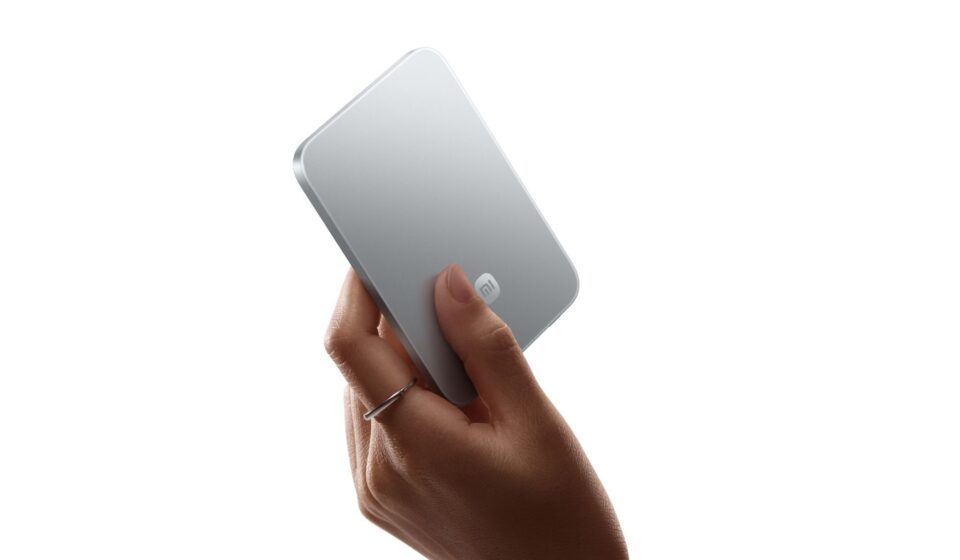
A new magnetic wireless power bank from Xiaomi is capturing significant attention, not for its Android compatibility, but for its striking resemblance to an accessory Apple itself might design. Its remarkably compact form factor, robust magnetic adhesion, and sophisticated, minimalist aesthetic position it as a premium iPhone-compatible peripheral, offering a more refined and polished user experience than many existing MagSafe alternatives. Crucially, despite its origins outside of Cupertino, this power bank integrates seamlessly and operates flawlessly with Apple’s iPhone lineup, underscoring a growing trend in the accessory market towards cross-ecosystem compatibility and elevated design standards.
A Fusion of Design and Functionality: The Xiaomi Magnetic Power Bank’s Apple-Esque Appeal
Xiaomi’s latest magnetic wireless power bank immediately distinguishes itself through its exceptionally slim profile, a meticulously crafted polished finish, and an unadorned, minimalist design ethos. It attaches to the rear of an iPhone with a secure, MagSafe-compatible magnetic lock, providing wireless charging capabilities without any discernible wobble or instability during use. This adherence to Apple’s design language is not coincidental; it reflects a deliberate effort by Xiaomi to emulate the premium feel and user-centric approach that has become synonymous with Apple’s hardware.
The company’s previous foray into the magnetic charging space, while functional, did not achieve the same level of design sophistication. This new iteration, however, appears to have learned from market feedback and competitor offerings. Apple’s own MagSafe Battery Pack, which was discontinued, left a void in the premium magnetic charging accessory market. While numerous third-party manufacturers have attempted to fill this gap, the quality and design execution have often varied considerably. Xiaomi’s offering, in contrast, feels exceptionally refined, with its edges, materials, and overall tactile experience aligning closely with Apple’s established industrial design principles. This careful attention to detail makes it feel less like a generic accessory and more like a natural extension of the iPhone itself.
For users who prioritize portability and discretion, the power bank’s slimness is a significant advantage. It slides effortlessly into a bag or pocket, adding minimal bulk. This lightweight construction makes it an ideal companion for travel, daily commutes, or extended periods away from a power source, particularly for iPhone models that may be experiencing natural battery degradation over time. The ability to charge an iPhone wirelessly while it remains in a pocket or hand, without the encumbrance of cables, represents a significant step forward in mobile charging convenience.
Beyond Aesthetics: The Power Bank’s Robust Performance and Safety Features
While its design is a primary draw, the Xiaomi magnetic wireless power bank is also a surprisingly capable device. It is equipped with a 5000mAh battery, a capacity sufficient to provide a substantial charge to most iPhone models. The wireless charging surface is engineered to deliver a stable power output, and the integrated magnets ensure precise alignment of the iPhone with the charging coil. This is a critical aspect, as many lower-cost MagSafe alternatives struggle with alignment issues, leading to inefficient charging or intermittent power delivery.

In addition to wireless charging, the power bank features a wired output option. This dual functionality provides users with the flexibility to choose the fastest charging method available or to charge other devices that may not support wireless charging. This versatility caters to a broader range of user needs, acknowledging that not all charging scenarios are identical.
Xiaomi has also integrated a comprehensive suite of safety features, including advanced temperature control mechanisms, foreign object detection (FOD) to prevent accidental heating, and overvoltage protection. These layers of security are paramount for a device that attaches directly to a user’s primary communication and computing device, instilling confidence in its reliability for everyday use. The combination of robust performance, user-friendly design, and advanced safety protocols positions this power bank as a compelling option for discerning iPhone users.
Market Dynamics and the Rise of Cross-Ecosystem Accessories
The emergence of Xiaomi’s magnetic wireless power bank is indicative of broader shifts within the consumer electronics accessory market. With Apple’s recent transition of the iPhone to USB-C, and the ever-increasing adoption of magnetic charging standards like MagSafe and the emerging Qi2, consumers are actively seeking accessories that not only perform well but also integrate aesthetically and functionally with their existing devices. Apple’s decision to discontinue its own MagSafe Battery Pack, while perhaps strategic, created an opening for third-party manufacturers to innovate and capture market share.
Xiaomi’s success in this instance lies in its ability to deliver an accessory that bridges the gap between the Android-centric accessory landscape and the premium expectations of the iPhone user. Typically, accessories designed with Android devices in mind may not always align with the sleek, minimalist design language favored by many iPhone users. However, Xiaomi’s latest offering demonstrates a keen understanding of these aesthetic preferences, delivering a product that feels intentionally crafted for the Apple ecosystem, even if it originates from a competitor.
This trend of OEMs expanding beyond their traditional product silos is becoming increasingly pronounced. Accessories that were once strictly categorized as "Android-only" or "Apple-only" are now being designed with a greater emphasis on universal compatibility and shared design principles. This evolution benefits consumers by fostering a more competitive market, leading to increased innovation, improved product quality, and potentially more competitive pricing.
The Appeal for iPhone Users: Bridging the Gap in Mobile Power
For iPhone owners in search of a reliable, aesthetically pleasing, and high-performing wireless power bank, Xiaomi’s new offering presents a compelling proposition. It addresses a core need for extended battery life in a form factor that complements the iPhone’s design. This is particularly relevant for users of the iPhone 13, 14, and 15 series, where battery health can naturally diminish over time, making an external power source a practical necessity.

The accessory’s appeal extends beyond just battery longevity. Its slim and unobtrusive design makes it suitable for a wide range of users, including frequent travelers, students, content creators, and professionals who require consistent, cable-free power on the go. The ability to attach the power bank and continue using the iPhone without significant inconvenience—whether for gaming, streaming, or productivity—enhances its utility. Its seamless integration into an existing Apple setup without appearing out of place is a testament to its thoughtful design.
The strategic advantage for Xiaomi here is significant. By producing an accessory that is perceived as fitting within Apple’s ecosystem, the company can attract a new segment of consumers who might otherwise be hesitant to consider products from a brand more commonly associated with Android devices. This cross-pollination of design and functionality is likely to become a more common strategy as the accessory market matures.
Market Entry and Future Implications
Xiaomi’s new magnetic wireless power bank is currently rolling out globally through its official online channels and regional retail partners. The expansion of magnetic charging technology, further bolstered by the anticipated broader adoption of the Qi2 standard across a wider range of devices, suggests that this category of accessories will continue to grow. As this trend solidifies, it is highly probable that more manufacturers will introduce premium, iPhone-compatible accessories that share similar design polish and functional efficiency.
The development highlights a key strategic imperative for accessory manufacturers: understanding and catering to the design-conscious consumer, regardless of their primary device ecosystem. Apple’s influence on accessory design is undeniable, and companies that can successfully emulate or complement its aesthetic while offering robust functionality are likely to find significant market success.
For consumers, this evolving landscape translates into more choices and greater value. The days of strictly segmented accessory markets are gradually fading, replaced by an era where thoughtful design and universal functionality are becoming increasingly paramount. Xiaomi’s latest magnetic wireless power bank stands as a prime example of this shift, offering a premium charging solution for iPhones that, while not originating from Cupertino, possesses a quality and refinement that rivals the best in the market. Its success could pave the way for further innovation in cross-ecosystem accessories, benefiting users across the entire mobile technology spectrum. The company’s ability to deliver a product that feels so intrinsically aligned with Apple’s user experience, even while operating independently, marks a significant achievement and a potential blueprint for future accessory development.