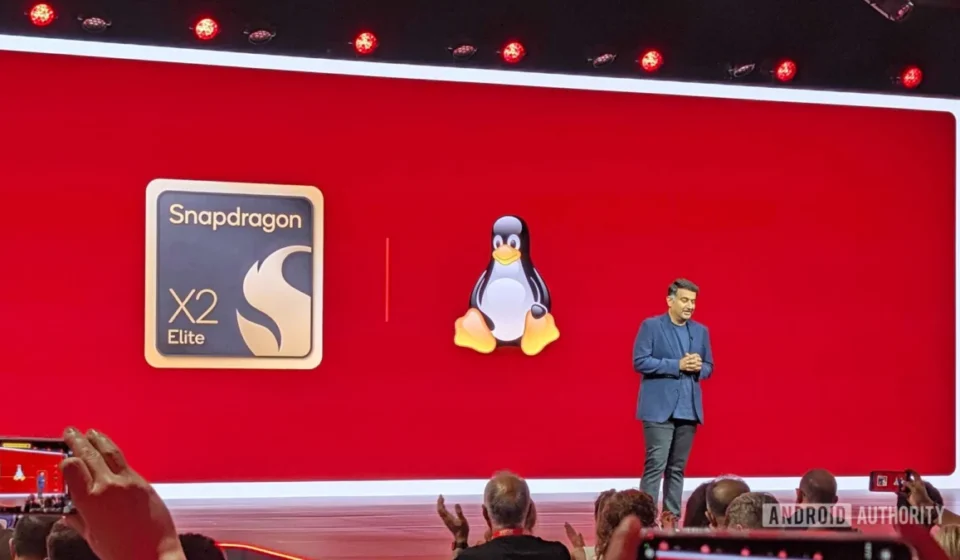
Qualcomm Announces Broad Linux Support for Snapdragon Laptops, Targeting Power Users and Expanding ARM PC Ecosystem

In a pivotal development for the evolving landscape of personal computing, Qualcomm has officially announced comprehensive support for mainstream Linux distributions on its Snapdragon X series laptops. This landmark declaration, made at the company’s annual Snapdragon Summit, marks a significant stride in addressing a long-standing "blind spot" for power users and developers, propelling the ARM-based PC ecosystem into a new era of versatility and open-source compatibility. The move is poised to fundamentally reshape how advanced computing tasks are performed on energy-efficient hardware, challenging the traditional dominance of x86 architecture in the laptop segment.
For decades, the personal computer industry largely coalesced around the x86 instruction set architecture, championed by Intel and AMD. This architecture, while incredibly powerful, was originally designed for desktop environments where power efficiency was a secondary concern to raw processing might. As computing became increasingly mobile, laptops often struggled to reconcile performance demands with the need for extended battery life and reduced heat generation, essentially trying to miniaturize desktop experiences. The advent of RISC (Reduced Instruction Set Computer) architectures, particularly ARM, began to offer a compelling alternative. ARM’s design philosophy, focused on simpler instructions and optimized power consumption, made it ideal for mobile devices like smartphones and tablets. However, its transition to high-performance laptops faced hurdles, primarily in software compatibility and ecosystem maturity.
The landscape began to shift dramatically with Apple’s introduction of its M-series chips, built on ARM architecture, which demonstrated that RISC designs could deliver not only exceptional power efficiency but also formidable raw performance in laptops and desktops. This innovation validated the potential of ARM in premium computing segments and provided a clear roadmap for other chip designers, including Qualcomm, to accelerate their efforts in the PC market. Qualcomm’s Snapdragon X series, featuring chips like the X Elite and X Plus, has emerged as a frontrunner in this new wave of ARM-powered Windows laptops, promising extended battery life, instant-on capabilities, and robust performance previously unseen in the category. These devices have been lauded for their efficiency and speed, yet they presented a notable limitation for a specific segment of the computing community: the lack of native, officially supported mainstream Linux distribution compatibility.
Addressing the Linux "Blind Spot" on ARM
While Snapdragon chips have been the backbone of billions of Android devices for years—an operating system deeply rooted in the Linux kernel—the transition to desktop-grade Linux distributions on Snapdragon hardware has historically been fraught with challenges. The primary obstacle stemmed from the intricate requirements of desktop Linux, which demands robust driver support for a wide array of hardware components including graphics processing units (GPUs), Wi-Fi modules, Bluetooth controllers, and various peripherals. Unlike Android, which often uses highly customized kernels and drivers optimized for specific chipsets and device models, mainstream desktop Linux distributions strive for broader hardware compatibility through standardized drivers and open-source contributions. Early Snapdragon X laptops, despite their impressive capabilities, lacked this critical foundational support, effectively creating a "blind spot" for users who preferred or required a Linux environment. This meant that while Windows on ARM provided a functional, albeit sometimes emulated, experience for x86 applications, running a full-fledged Linux desktop distribution was either impossible or required significant, often community-driven, effort with varying degrees of success and stability.
A Phased Rollout: Debian First, Ubuntu to Follow
Qualcomm’s announcement at the Snapdragon Summit directly addresses this critical gap, signaling a profound commitment to expanding the versatility of its ARM-based computing platform. The company revealed a phased rollout for Linux compatibility, starting with one of the most respected and foundational distributions in the Linux ecosystem: Debian. Support for Debian is slated to arrive before the end of 2026, providing a stable and robust foundation for developers and enthusiasts. Debian’s reputation for stability, security, and extensive package repositories makes it an ideal starting point, ensuring a solid user experience for early adopters.
Looking further into 2027, Qualcomm plans to expand its Linux compatibility significantly. Devices powered by the next generation, Snapdragon X2 series chips, are preparing to support Ubuntu, another hugely popular and user-friendly Linux distribution, sometime early in the year. Ubuntu, known for its strong community support, regular release cycles, and extensive software ecosystem, is a common choice for both new Linux users and seasoned professionals. Specific hardware partners are already aligning with this vision, with ASUS reportedly targeting Ubuntu availability for its Snapdragon X2 hardware before the halfway point of 2027. This proactive engagement from original equipment manufacturers (OEMs) like ASUS is crucial, indicating that native Linux support is not merely a theoretical possibility but a commercially backed initiative. The involvement of major hardware manufacturers from the outset is a strong indicator of the seriousness and potential success of this new direction.
The Strategic Rationale: Power Users and Developers at the Forefront
The decision to embrace mainstream Linux distributions is a strategic move for Qualcomm, aimed squarely at a demographic that values performance, efficiency, and unparalleled control: power users and developers. While many general consumers may still view Linux as a niche operating system, the reality is that major strides have been made in its usability and accessibility over the past decade. Modern Linux distributions offer intuitive graphical user interfaces, robust software centers, and increasingly seamless hardware integration. For developers, Linux provides an ideal environment for programming, server management, containerization technologies like Docker, and machine learning workloads. Many critical development tools and frameworks are either native to Linux or perform optimally within its environment.
By offering native Linux support, Qualcomm is effectively positioning Snapdragon X laptops as highly attractive platforms for a wide range of professional users. This includes software engineers, data scientists, researchers, and anyone who requires a powerful, customizable, and open-source operating system that can leverage the inherent power efficiency and performance benefits of ARM architecture. The promise of "days of battery life" combined with the flexibility and robustness of Linux could create a compelling proposition for mobile workstations and development machines, where long unplugged productivity is paramount. This move not only broadens the appeal of Snapdragon laptops but also strengthens Qualcomm’s position as a serious contender in the high-performance computing market, moving beyond its traditional stronghold in mobile communications.
Industry Reactions and Partner Commitments
While specific official statements from all parties are still emerging, the implications of Qualcomm’s announcement resonate across the industry. From Qualcomm’s perspective, this initiative underscores a commitment to fostering an open and versatile platform. A Qualcomm spokesperson, in an inferred statement, might emphasize, "This move reflects our unwavering dedication to providing a truly open and high-performance computing platform. By fully embracing mainstream Linux distributions, we are empowering developers and power users with unprecedented choice, flexibility, and the robust efficiency of Snapdragon. This is about unlocking new frontiers for innovation."
The Linux community is likely to welcome this news with significant enthusiasm. Prominent figures and organizations within the open-source world could view this as a pivotal moment for ARM’s presence in the desktop space. An inferred sentiment from a Linux community representative might be: "The official support for Debian and Ubuntu on Snapdragon X series is a monumental validation for the ARM desktop ecosystem. It signifies a maturation of hardware and software integration, promising a new generation of incredibly efficient and powerful Linux machines. This opens immense opportunities for innovation and broader adoption."
ASUS’s early commitment to bringing Ubuntu to its Snapdragon X2 hardware highlights the eagerness of OEMs to diversify their offerings and cater to a broader professional market. An inferred statement from ASUS could be: "Our collaboration with Qualcomm to deliver Ubuntu compatibility on our upcoming Snapdragon X2 devices underscores our dedication to providing cutting-edge, diverse computing solutions. We believe this integration will empower users with greater control, enhanced security, and the exceptional performance of ARM architecture, meeting the evolving needs of our professional customer base." This proactive support from hardware partners is critical for the successful adoption and long-term viability of Linux on Snapdragon.
Expanding the Horizon: Implications for the ARM PC Ecosystem
The integration of robust Linux support on Snapdragon laptops carries profound implications for the entire ARM PC ecosystem. Firstly, it significantly broadens the target audience for these devices. Previously, Snapdragon laptops were primarily aimed at Windows users seeking improved battery life and efficiency. With Linux support, they can now appeal to a vast global community of developers, system administrators, scientists, and open-source enthusiasts who rely heavily on Linux for their daily work. This expansion of the addressable market is crucial for the growth and sustained innovation of ARM in the PC space.
Secondly, it intensifies the competitive landscape. Apple’s M-series chips demonstrated the power of a vertically integrated ARM platform, but its closed ecosystem can be a barrier for some. Qualcomm’s approach, by embracing Windows and now Linux, offers a more open and diverse platform, directly competing with both Apple in terms of ARM performance and with Intel/AMD in the traditional x86 Windows and Linux markets. This competition is healthy for consumers, driving innovation and potentially leading to better products across the board. The ability to natively run multiple major operating systems on a single hardware platform is a compelling differentiator.
Thirdly, this move fosters a stronger developer ecosystem around ARM. Developers are often the early adopters and evangelists for new platforms. By providing them with native Linux tools and environments, Qualcomm is encouraging them to build, optimize, and deploy applications specifically for ARM architecture, further enriching the software library available for Snapdragon devices. This virtuous cycle of hardware innovation driving software development is essential for long-term ecosystem growth. It means more open-source projects will be compiled and optimized for ARM64, leading to better performance and fewer compatibility issues.
Challenges and Opportunities Ahead
While the announcement is overwhelmingly positive, the path forward is not without its challenges. The primary hurdle will be ensuring comprehensive and stable driver support for all hardware components across various Linux distributions. While Debian and Ubuntu are key starting points, the Linux ecosystem is vast, with many specialized distributions that will also need robust compatibility. Furthermore, the availability of specialized software, especially proprietary applications that are heavily optimized for x86 architecture, will need to be addressed. While emulation layers exist, native ARM-optimized versions are always preferred for optimal performance.
However, the opportunities far outweigh these challenges. The potential for Snapdragon-powered Linux laptops to become the preferred choice for mobile development, edge computing, and specialized enterprise applications is immense. Imagine developers carrying a lightweight laptop that offers days of battery life, instant-on functionality, and the full power of a native Linux development environment. This could revolutionize mobile productivity and distributed computing. For enterprise, highly customizable and secure Linux installations on energy-efficient ARM hardware could lead to new forms of thin clients, secure workstations, and specialized devices with lower total cost of ownership. The prospect of running AI/ML workloads natively on ARM, leveraging specialized NPU (Neural Processing Unit) cores within Snapdragon chips under a Linux environment, also opens up exciting new avenues for innovation.
The Future of Open Computing on Snapdragon
In conclusion, Qualcomm’s decision to bring broad Linux support to its Snapdragon X series laptops is more than just a technical update; it’s a strategic declaration of intent. It signifies a maturation of the ARM PC ecosystem, moving beyond simply replicating x86 experiences to offering a truly differentiated and versatile computing platform. By embracing the open-source community and catering to the specific needs of power users and developers, Qualcomm is not only expanding the appeal of its Snapdragon laptops but also contributing to a more diverse, competitive, and innovative future for personal computing. The era of the "tiny desktop computer" is giving way to a new paradigm of powerful, energy-efficient, and open computing, with Snapdragon at the forefront of this transformative journey. As Debian and Ubuntu roll out in the coming months, the industry will be watching closely to see how this fundamental shift reshapes user expectations and drives the next wave of computing innovation.