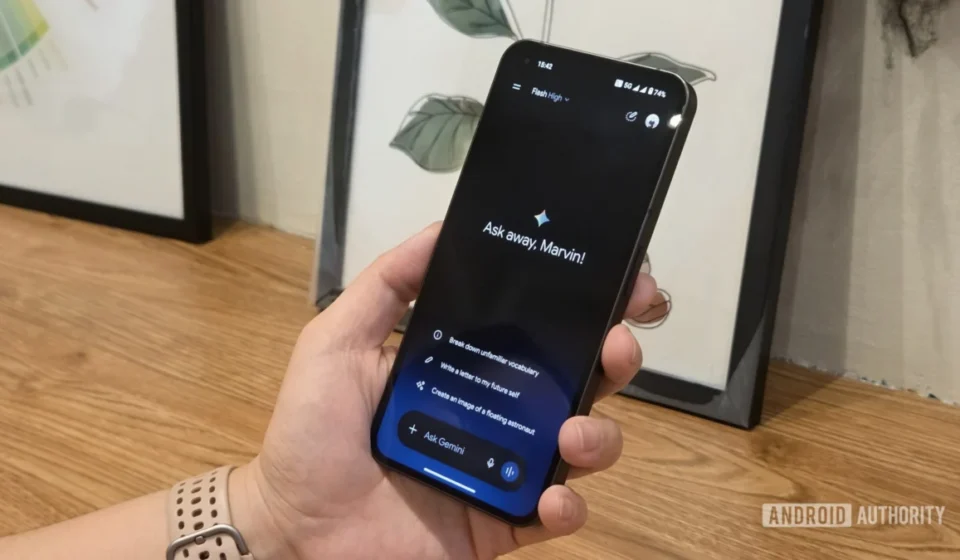
Google’s Gemini AI Plus Subscription Downgrade Sparks User Discontent and Shifts in AI Chatbot Adoption

Google’s recent decision to remove access to its advanced Gemini Pro model from the "AI Plus" subscription tier has ignited significant debate among users and industry observers, prompting many to re-evaluate their reliance on single AI services. This strategic recalibration, which now reserves Gemini Pro for the more expensive "Google AI Pro" plan, underscores the evolving monetization strategies within the competitive artificial intelligence landscape and raises questions about consumer trust in rapidly developing subscription models.
The Evolution of Google’s AI Ambitions and Gemini’s Launch
Google’s journey into conversational AI has been marked by ambitious endeavors, culminating in the launch of Gemini. Initially introduced as Bard, a direct competitor to OpenAI’s ChatGPT, Gemini quickly evolved into a multifaceted AI system designed to integrate seamlessly across Google’s vast ecosystem, including Android, Search, and Workspace. The overarching goal was to provide users with a powerful, accessible AI assistant capable of diverse tasks, from complex problem-solving and content generation to daily productivity enhancements.
Gemini was presented with several underlying models, each offering varying levels of capability and speed. These included the powerful Gemini Ultra, the balanced Gemini Pro, and the more lightweight and efficient Gemini Flash and Flash-Lite. For many users, particularly those deeply embedded in the Android ecosystem, Gemini offered compelling advantages, such as integration with features like "Circle to Search" for quick information retrieval and "Gemini Live" for real-time conversational assistance. The promise of an AI that was "well-integrated with whatever Android smartphone I use" resonated with a significant user base seeking a unified AI experience.
To further incentivize adoption and differentiate its offerings, Google introduced "Google AI Plus" earlier this year. Priced at a competitive $5 per month, this subscription tier was designed to offer an elevated AI experience alongside practical benefits like increased cloud storage. For many, AI Plus struck an ideal balance, providing access to the more capable Gemini Pro model with a higher usage allowance than the free tier, coupled with a generous 400GB of shared Google One storage. This bundled approach made AI Plus appear as a "great deal," offering substantial value for a relatively low monthly fee, especially when compared to other digital subscriptions. Users leveraged Gemini Pro for more thorough and well-researched answers, distinguishing it from the less robust Flash or Flash-Lite models.
The Subscription Restructuring: A Shift in Google’s AI Strategy
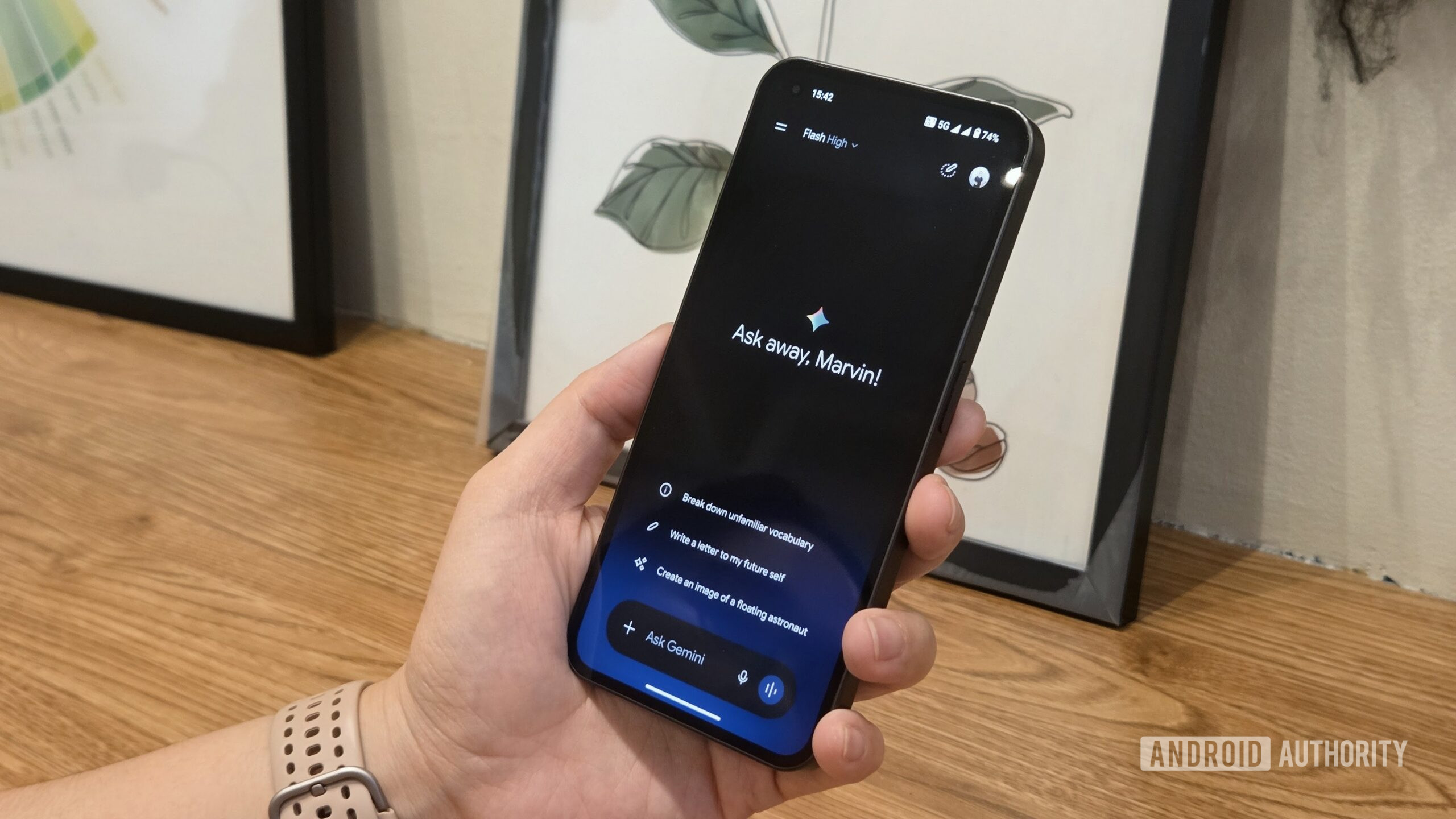
The "honeymoon stage," as some users described it, came to an abrupt end when Google announced a significant restructuring of its AI subscription tiers. The core of this change was the decision to remove Gemini Pro access from the Google AI Plus plan. This meant that subscribers to the $5 AI Plus tier would no longer benefit from the advanced capabilities of Gemini Pro, instead being limited to the Flash and Flash-Lite models – the very iterations many had bypassed by subscribing to AI Plus in the first place.
This announcement was followed by direct email notifications to affected subscribers, detailing the impending downgrade and outlining new options. Users were presented with three primary choices:
- Retain the AI Plus plan: This would mean continuing to pay $5 per month but with access limited to Gemini Flash and Flash-Lite, effectively a downgrade in AI capabilities for the same price.
- Upgrade to Google AI Pro: This new tier, priced at $20 per month, would restore access to the Gemini Pro model and potentially introduce more advanced features, often bundled with a substantial increase in Google One storage (e.g., 5TB).
- Cancel the subscription altogether: This option would revert users to the basic, free tier of Gemini, which also saw its capabilities restricted, primarily to Flash-Lite.
This shift represents a clear move by Google to differentiate its premium AI offerings more sharply. By elevating Gemini Pro to a higher-priced tier, Google aims to capture more revenue from its most demanding AI users while potentially reducing the computational cost associated with offering a high-performance model at a lower price point. The decision also aligns with a broader industry trend where advanced AI models are increasingly reserved for premium subscriptions, reflecting the significant resources required to develop and maintain them.
Impact on Users and the Search for Value
The immediate impact on AI Plus subscribers has been a sense of disappointment and, for some, a feeling of having been subjected to a "bait and switch." Users who had invested in AI Plus specifically for Gemini Pro access now face a dilemma. The $5 plan no longer offers the desired AI model, while the new $20 AI Pro plan represents a fourfold increase in cost.

For a user like the one highlighted in the original report, who valued Gemini Pro for "learning new skills and summarizing concepts" and appreciated its "thorough and well-researched" answers, the downgrade to Flash and Flash-Lite was perceived as a significant reduction in utility. Flash-Lite, described as "a glorified AI Overview you’d see at the top of a Google Search," fell short of the advanced capabilities they had come to expect.
The decision-making process for affected users involved weighing several factors:
- Cost vs. Features: Is the increased cost of AI Pro justifiable for regaining Gemini Pro, especially with no guarantee of future feature stability?
- AI Quality: Can the free or downgraded Flash/Flash-Lite models meet current needs, or are external alternatives necessary?
- Bundled Services: How important is the Google One storage component, and can a more affordable Google One plan without AI perks suffice?
In many cases, users opted to cancel their AI Plus plan and subscribe to a more basic Google One storage tier (e.g., 200GB) to maintain their backed-up files on Gmail, Drive, and Photos. This choice signifies a conscious detachment from Google’s bundled AI services in favor of core storage needs, driven by the perception that the AI component of the AI Plus subscription no longer offered sufficient value.
Navigating the Free Tier Landscape: ChatGPT, Claude, and Gemini Flash-Lite
The restructuring has prompted a noticeable shift in user behavior, with many now exploring and combining the free tiers of various AI chatbots to compensate for lost premium features and manage usage limits. This multi-bot strategy reflects a pragmatic approach to maximize AI utility without incurring significant subscription costs.
Gemini’s Free Tier (Flash-Lite and Notebook):
Despite the downgrades, Gemini’s free tier still offers some valuable features. "Gemini Notebook," formerly known as NotebookLM, remains available. This feature allows users to group chats and sources, consolidating PDFs, documents, and web URLs into single notebooks for focused querying and summarization. This capability is particularly useful for preventing AI "hallucinations" by restricting the chatbot to specific, reliable sources. However, for general conversational AI, Flash-Lite’s brevity and tendency to provide links rather than contextualized answers often leave users wanting more, sometimes feeling like an "AI Overview with more steps."

ChatGPT (Free Tier):
OpenAI’s ChatGPT, the pioneer in mainstream generative AI, continues to be a strong contender even in its free iteration. Many users returning to ChatGPT noted its proficiency in maintaining conversational context and addressing concerns comprehensively. For example, when prompted for travel suggestions, ChatGPT could provide detailed recommendations including hotels, attractions, and cultural nuances for specific travel periods. Its ability to generate intelligent writing and creative content often surpasses Gemini’s Flash-Lite, though it can be prone to hallucinations if not carefully managed. ChatGPT’s paid tier, ChatGPT Plus, typically costs $20 per month.
Claude (Free Tier):
Anthropic’s Claude offers a distinct approach, characterized by its upfront and concise responses. Users describe Claude’s replies as more serious and direct, with a deadpan humor when applicable. While this can require more editing to match a user’s specific writing style, its efficiency in getting "the job done quickly" is appealing. However, Claude’s free tier comes with its own set of limitations:
- Image Generation: It can create diagrams and illustrations but lacks the ability to alter existing photos, a feature many users desire for tasks like virtual try-ons or background removal.
- Stricter Usage Limits: Claude’s daily message cap is often tighter than those of Gemini and ChatGPT, and its Android app does not provide clear indicators of current usage, making it challenging for users to manage their interactions. Claude Pro is also typically priced at $20 per month.
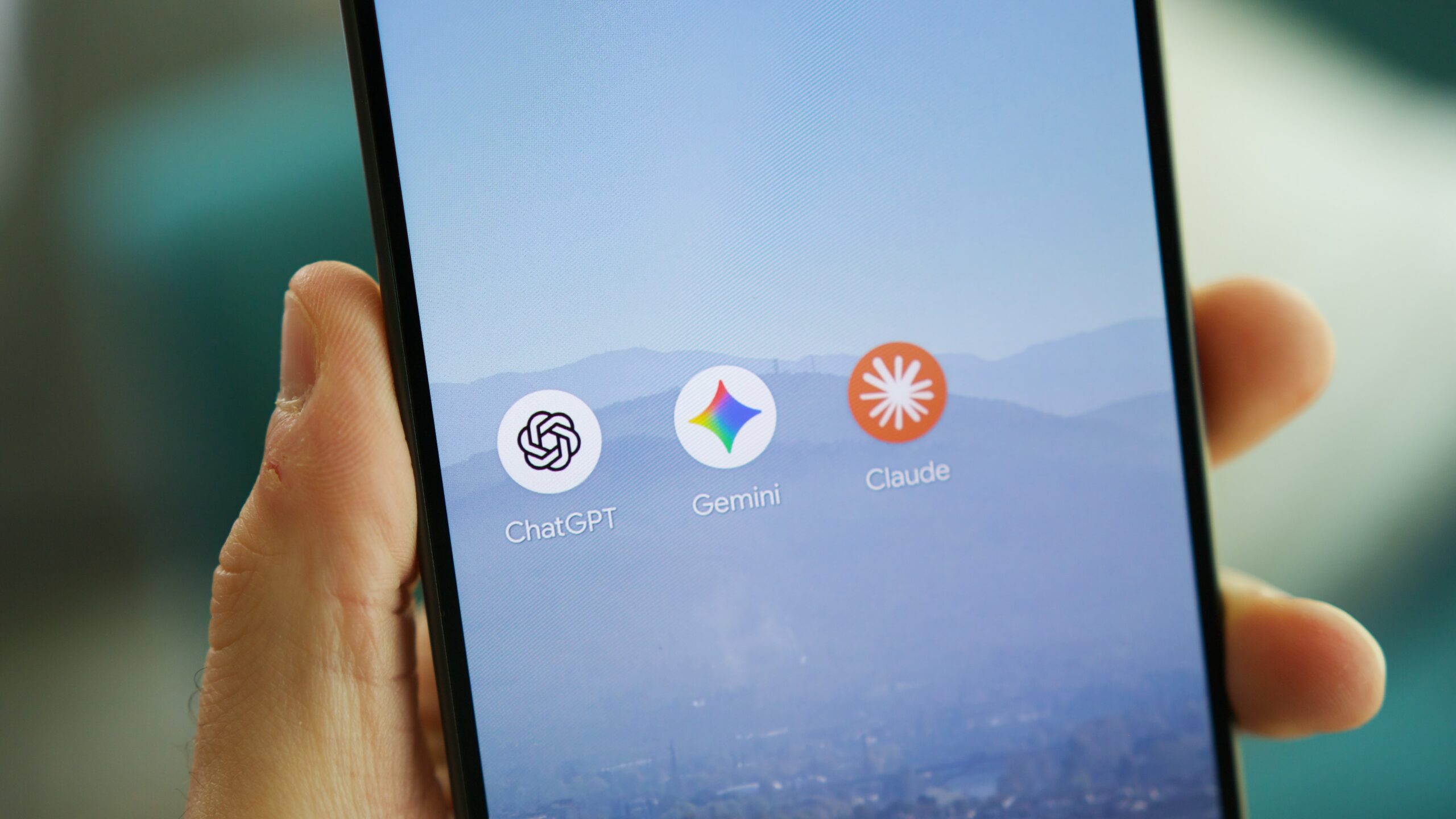
The strategy of employing all three free bots simultaneously—Gemini for its Android integration and specialized features like Notebook, ChatGPT for deeper conversational capabilities and writing assistance, and Claude for quick, direct responses—allows users to leverage the "best of three worlds." This diversified approach helps mitigate the weaknesses of any single free tier, provides redundancy against usage limits, and offers multiple perspectives for complex queries, effectively acting as a "team of assistants."
Broader Implications: Consumer Trust and the Future of AI Subscriptions
The experience of Google AI Plus subscribers highlights a growing concern regarding consumer trust in AI companies, particularly concerning the stability and long-term value of subscription-based services. This sentiment is amplified by past instances of Google altering its service offerings, such as the discontinuation of unlimited backups on Google Photos, which similarly forced users into paid Google One storage plans to maintain their media libraries. Such precedents create an environment of skepticism, where users question the longevity of promised features and the potential for future "bait and switch" scenarios.
From a business perspective, Google’s move is likely driven by several factors:
- Cost of Operation: Running advanced AI models like Gemini Pro is computationally intensive and expensive. Differentiating tiers allows Google to align pricing with resource consumption.
- Market Differentiation: Creating a clear premium tier with Gemini Pro (and eventually Ultra) helps Google compete more effectively against high-end offerings from OpenAI and Anthropic.
- Strategic Monetization: As AI becomes more central to everyday computing, companies are seeking sustainable monetization models beyond advertising. Subscriptions are a key part of this strategy.
However, the challenge lies in balancing these business imperatives with maintaining consumer goodwill. Rapid changes to subscription benefits can erode trust, making users hesitant to commit to future paid services. The current landscape suggests a "wait and see" approach from many users, who prefer to rely on a patchwork of free services rather than investing in a single, potentially unstable, paid platform.
The broader AI market is in a dynamic phase, with companies experimenting with various pricing models, feature sets, and integration strategies. As AI capabilities continue to advance, the distinction between free and paid tiers will likely become more pronounced, and companies will need to clearly articulate the value proposition of their premium offerings. For now, the user community is adapting by becoming more resourceful, embracing a multi-platform approach to harness the collective power of free AI tools, signaling a cautious, yet innovative, engagement with the rapidly evolving world of artificial intelligence.