FIFA Partners with Roblox to Transform Digital Fandom into a Global World Cup 2026 Hub

The international governing body of association football, FIFA, has announced a major expansion of its digital footprint through a strategic partnership with the global immersive platform Roblox, aiming to redefine fan engagement ahead of the FIFA World Cup 2026. This initiative centers on the transformation of "FIFA Super Soccer," an existing official environment within the Roblox ecosystem, into a comprehensive digital event hub dedicated to the upcoming tournament. As the sports industry increasingly pivots toward interactive and social digital experiences, this move signals a shift in how global sporting events are consumed by younger demographics, specifically Generation Z and Generation Alpha.
The 2026 FIFA World Cup, which will be hosted across the United States, Mexico, and Canada, is set to be the largest in history, featuring 48 national teams for the first time. To mirror this physical expansion, the FIFA Super Soccer hub on Roblox will provide a virtual home for all 48 participating nations. This digital environment will serve as a multifaceted destination where fans can access a virtual World Cup stadium, participate in gameplay missions, and earn exclusive digital rewards. Crucially, the platform will integrate real-time tournament data, including live scores, group standings, and player statistics, effectively bridging the gap between the physical matches on the pitch and the virtual experience on the screen.
The Six-Game Crossover: A New Paradigm for Digital Events
Rather than confining the World Cup experience to a single game, FIFA and Roblox are implementing an ambitious "crossover" strategy involving five additional popular titles within the Roblox platform. This interconnected ecosystem will create a six-game network where World Cup-themed content, rewards, and competitive events are synchronized. This approach acknowledges the fragmented nature of modern gaming, where users frequently jump between different experiences. By establishing a presence across multiple games, FIFA ensures that the World Cup remains a central theme of the user’s digital life throughout the tournament’s duration.
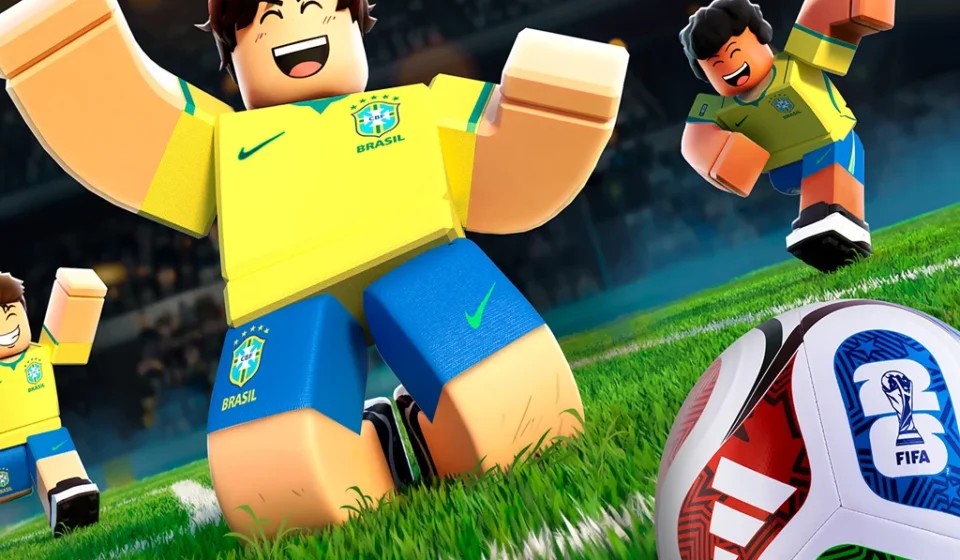
The success of FIFA’s initial foray into Roblox provides a strong foundation for this expansion. Since its inception, the official FIFA game on the platform has recorded over 1.1 billion visits, maintaining a consistent engagement rate with an average of 1.5 million game sessions per day. This high level of traffic has already attracted significant commercial interest, with major brands such as Adidas and prominent football organizations like the Brazilian Football Confederation (CBF), the U.S. Soccer Federation, and German club Borussia Dortmund launching successful activations within the space.
Analyzing the "Sports as Shared Self-Expression" Report
The announcement of the World Cup 2026 hub coincides with the release of a comprehensive study titled "Sports as Shared Self-Expression," conducted by Roblox in partnership with the global market research firm Ipsos. The report highlights a fundamental shift in how younger fans interact with sports, moving away from passive viewership toward active participation and identity-building. According to the data, collected in early 2026 from over 1,100 Generation Z users (ages 13-28) across the U.S., UK, Brazil, and Japan, sports are no longer just a hobby but a core component of digital identity.
Key findings from the report indicate that 72% of Generation Z fans watch football at least once a week, and 26% express an intent to follow the sport even more closely over the next five years. However, the nature of this "following" is changing. For these fans, the digital avatar serves as a primary vehicle for self-expression. A significant percentage of respondents reported that they use digital jerseys, scarves, and accessories to signal their loyalty to specific teams and players within virtual environments. This "digital fandom" often precedes or mirrors real-world purchasing behavior, creating a lucrative pipeline for sports merchandising.
Brazil: A Case Study in Digital Sports Affinity
The Roblox-Ipsos report identifies Brazil as a leading market for the intersection of sports and digital platforms. Known globally as a football powerhouse in the physical world, Brazil is mirroring that status in the virtual realm. Brazilian users on Roblox demonstrate the highest scores in terms of "fandom intensity," which measures the frequency of engagement with sports-related content and the likelihood of spending virtual currency on team-branded items.
The data reveals that Brazilian Gen Z users are more likely than their peers in the U.S. or Japan to purchase official club kits for their avatars and participate in community-driven events. This high level of affinity extends to brand loyalty; Brazilian fans who interact with a brand like Adidas or the CBF on Roblox are significantly more likely to consider those brands for real-life purchases. This synergy between the "metaverse" and the physical marketplace is a key driver for FIFA’s continued investment in the platform.
Chronology of FIFA’s Digital Evolution
The partnership with Roblox is part of a broader, more aggressive digital strategy adopted by FIFA following its high-profile split from Electronic Arts (EA Sports) in 2023. For nearly three decades, the "FIFA" video game series produced by EA was the primary digital touchpoint for the organization. Following the conclusion of that partnership, FIFA leadership signaled a move toward a non-exclusive licensing model, seeking to diversify its presence across various platforms and gaming genres.
- Late 2022: FIFA launches its first experiences on Roblox ahead of the Qatar World Cup, testing the waters for large-scale digital activations.
- 2023-2024: FIFA expands its mobile and web-based gaming portfolio, including AI-driven management games and collectible card experiences.
- March 2026: The Roblox-Ipsos "Sports as Shared Self-Expression" report is published, providing the data-driven justification for deeper integration.
- Mid-2026: The FIFA Super Soccer hub officially transitions into the World Cup 2026 Event Center, launching the six-game crossover event.
This timeline illustrates FIFA’s transition from a single-partner gaming strategy to a multi-platform ecosystem designed to capture different segments of the global gaming audience.
Implications for the Future of Sports Broadcasting and Marketing
The transformation of FIFA Super Soccer into a World Cup hub suggests that the future of sports broadcasting may be increasingly interactive. While traditional television and streaming services will remain the primary venues for watching live matches, platforms like Roblox provide a "second screen" experience that offers social connectivity. In the virtual stadium, a fan in São Paulo can celebrate a goal in real-time with a fan in London, both represented by avatars wearing their respective national colors.
For marketers, this environment offers a unique opportunity for "native" advertising. Unlike traditional commercials that interrupt the viewing experience, brand activations in Roblox are integrated into the gameplay. When a player completes a mission to unlock an Adidas-branded boot or a CBF-themed stadium, they are engaging with the brand in a positive, goal-oriented context. This form of engagement is proving to be more effective for Gen Z and Gen Alpha, who are notorious for their use of ad-blockers and their general aversion to traditional advertising formats.
Technical Integration and Real-Time Connectivity
One of the most technically significant aspects of the FIFA Super Soccer expansion is the integration of live tournament data. By syncing the Roblox environment with official FIFA data feeds, the platform becomes a living document of the tournament. This requires robust API integrations to ensure that scores, player injuries, and group permutations are updated instantaneously across all six games in the crossover event.
This real-time connectivity allows for dynamic gameplay. For instance, if a specific player scores a hat-trick in a real-world match, the Roblox hub could potentially launch a limited-time challenge related to that player or offer a special commemorative digital item. This level of responsiveness creates a "live service" atmosphere that keeps the community engaged throughout the month-long tournament.
Conclusion: Bridging the Physical and Digital Divide
As the 2026 FIFA World Cup approaches, the collaboration between FIFA and Roblox stands as a testament to the evolving nature of global fandom. By creating a centralized, interactive hub that celebrates all 48 nations, FIFA is ensuring that the tournament is accessible to a generation that values digital presence as much as physical attendance.
The initiative successfully addresses the three pillars of modern digital engagement identified in the Ipsos report: identity, participation, and community. Fans use the platform to express their identity through avatars; they participate in the tournament through gameplay and missions; and they build a community by interacting with fellow supporters from around the world. As the lines between the virtual and physical worlds continue to blur, the FIFA Super Soccer hub may well become the blueprint for how all major global events—from the Olympics to music festivals—engage with the audiences of the future. The success of this digital World Cup will likely be measured not just in visits and sessions, but in its ability to foster a new kind of global sports culture that is social, inclusive, and perpetually connected.