Petit Planet: Hoyoverse’s Cozy Live-Service Ambition Revealed in Exclusive Developer Interview

The journey of Hoyoverse’s latest title, Petit Planet, has been a slow burn, marked by strategic reveals and a deliberate evolution since its earliest whispers. Originally surfacing in February 2024 under the trademark "XinBuGuDi," the project underwent several name changes, including "Astaweave Haven" in June 2024, before finally settling on the globally recognized name Petit Planet in October of that year. This meticulous branding process foreshadowed a game designed for broad appeal. The official unveiling, nearly a year later in September 2025 with both teaser and full announcement trailers, solidified Petit Planet‘s identity as Hoyoverse’s ambitious foray into the vibrant, live-service interpretation of the cozy game genre, a space often associated with titles like Animal Crossing. With the official release date now less than a month away, Pocket Tactics sat down with Lead Game Designer Murphy and Lead Artist Yinli Huang to delve into the intricacies of this highly anticipated title.
The Evolution of Petit Planet: From Trademark to Global Launch
The gestation period for Petit Planet has been notable. The initial trademark filings in early 2024, followed by further branding explorations, highlight a considerable investment in conceptualizing and refining the game’s identity. The transition from "XinBuGuDi" to "Astaweave Haven" and finally to "Petit Planet" suggests a development process that prioritized market resonance and player understanding. The official reveal in September 2025, accompanied by cinematic trailers, served as a critical moment, transitioning the game from a project under development to a tangible entity poised for public consumption. Subsequent closed beta tests have been instrumental in shaping the game’s mechanics and user experience, with developers actively incorporating player feedback to align Petit Planet‘s live-service elements with the inherent appeal of the cozy genre.
Harmonizing Cozy Gameplay with Live-Service Models
A significant challenge in developing Petit Planet has been reconciling the relaxed, player-driven pace of cozy games with the often demanding nature of live-service models. Concerns about the impact of limited-time events, gacha banners, and daily grinds on the core "cozy" experience were directly addressed by Lead Game Designer Murphy. "We understand the cozy and slower-paced gaming experience," Murphy stated, reassuring players that the development team is committed to preserving this ethos. "We will try to extend the time window as long as possible" for time-limited events, with an overarching aim to "create a pace where our players won’t be worried about having to complete tasks and stay active to get all the resources." This commitment suggests a departure from aggressive monetization and time-gated content, prioritizing player comfort and engagement over immediate transactional gains.

Defining Player Goals: A Multifaceted Approach
Petit Planet‘s design philosophy eschews a singular, overarching "ultimate goal" for each game version, instead opting for a tiered approach to player objectives. Lead Artist Yinli Huang elaborated on this, explaining that the game is structured to cater to diverse player preferences. "For players, there is no ‘ultimate goal’ for each version; instead, we aim to provide different types of goals for different types of players."
Short-Term Engagement: The Joy of Discovery
In the immediate gameplay loop, players can anticipate consistent "little surprises" that foster a sense of ongoing discovery. Huang noted that "In the short term, when players log into the game, they can experience random new creatures, new weather, and explore new things – those are the little surprises we’ve prepared for them." This design choice aims to imbue daily play sessions with a sense of spontaneity and wonder, a hallmark of engaging exploration.
Mid-Term Progression: Cultivating Relationships
As players invest more time and energy, the focus shifts towards cultivating relationships with Non-Player Characters (NPCs). Huang explained, "In terms of the mid-term gaming experience, as players invest more time and energy into the game, their relationships with the NPCs will gradually develop, so you’ll unlock more stories behind these neighbors and grow more familiar with them." This narrative-driven progression emphasizes emotional connection and character development, core tenets of the cozy genre.
Long-Term Engagement: Personalization and Community
The long-term appeal of Petit Planet lies in its robust customization and community-sharing features. Huang detailed that "In terms of the long-term goal, you can start to decorate your planet and your home. There will be lots of furniture and decorations, and you’ll always get new ideas as new events launch. Players can also enjoy sharing their content with the community." This emphasis on player creativity and social interaction aims to provide enduring engagement opportunities, leveraging the game’s live-service nature for continuous content delivery.

A Deliberate Update Cadence: Balancing Freshness and Pace
Unlike many live-service titles that adhere to strict, rapid update schedules, Petit Planet is adopting a more measured approach. While Hoyoverse games typically follow a six-week update cycle with major annual releases, Murphy indicated that Petit Planet "will take a slower pace." However, this does not translate to content stagnation. Murphy assured that players can still expect "constant updates, including new locations, hobbies, stories, cosmetics, characters, and more." This strategy aims to provide a steady stream of new content without overwhelming players or disrupting the game’s inherently relaxed pacing.
Seasonal Events: Drawing Inspiration from the Real World
Seasonal events are slated to be a key feature in Petit Planet, offering players themed content and activities. Murphy revealed that the development team draws inspiration from real-world holidays and festivals to create an immersive experience. "We will look up references in the real world, because we think that can provide an immersive experience for our players. We’ll start with some more common holidays that are more familiar to our players, but, as our game develops, you can look forward to more interesting festivals with more regional features in the future." This approach suggests a commitment to cultural inclusivity and a desire to resonate with a global player base. Regarding potential collaborations or Easter eggs, Murphy remained tight-lipped, stating, "We want to keep that as a surprise!"
A New Narrative Paradigm: Focus on Relationships Over Epic Quests
A significant departure from other Hoyoverse titles, such as Genshin Impact, is Petit Planet‘s narrative structure. Murphy clarified, "Unlike other Hoyoverse titles, there aren’t really main stories in this game." The primary objective is to foster an immersive experience centered on gradual relationship building with neighbors, aiming for a "more simulated experience of real life." Consequently, the game’s focus is on meticulously crafting a world rich in detail, designed to build "an emotional connection with players" organically, rather than through a grand, overarching heroic narrative.
The Heart of Petit Planet: Deeply Developed NPCs
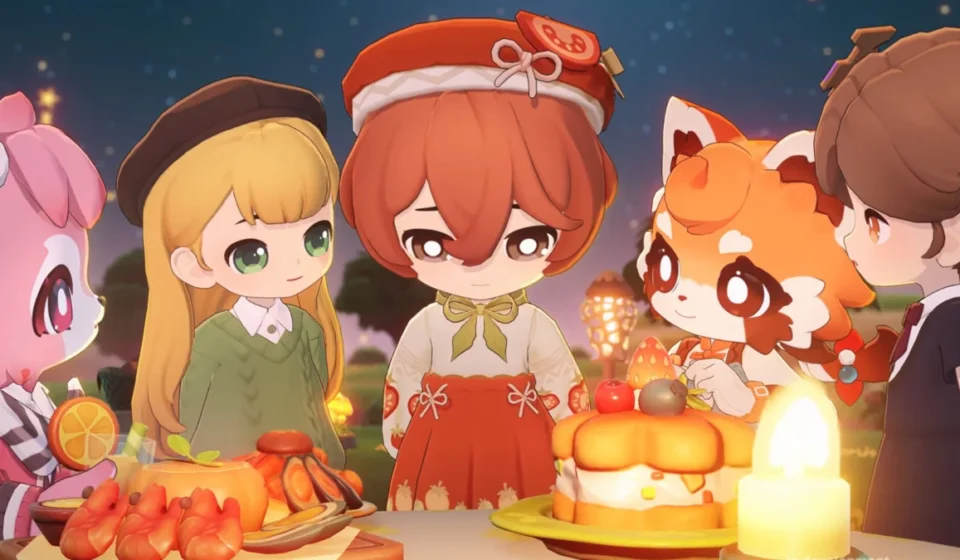
The NPCs are central to the emotional core of Petit Planet. The development team has invested considerable effort in refining their backstories and personalities to ensure players feel genuine connections. "We’ve spent a lot of time refining the stories of our NPCs so that you will feel like they are really your friends," Murphy emphasized. As player relationships deepen with specific neighbors, new features and experiences become available, including the ability to customize their outfits and homes. This level of interaction aims to replicate the dynamics of real-world friendships, where familiarity leads to deeper engagement and personalized support.
Expanding Horizons: Multiplayer and Social Systems
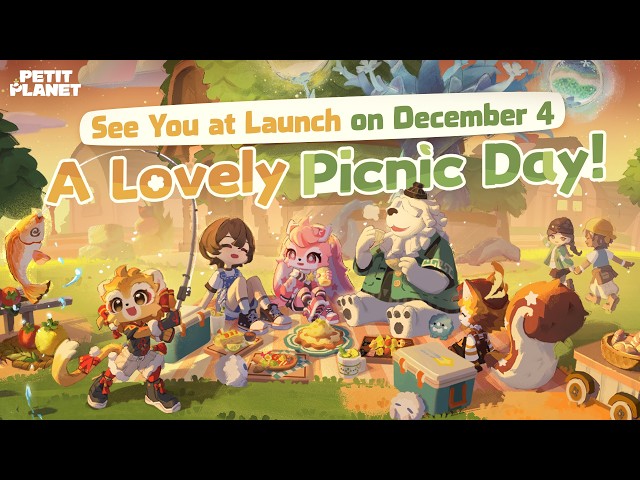
Petit Planet is set to offer robust multiplayer capabilities, enabling players to connect with a global community. Up to seven other players can visit a player’s planet simultaneously, engaging in activities such as football, board games, and card games. The "Galactic Bazaar" is designated as a larger multiplayer hub with a significantly higher player capacity. Murphy hinted at future expansions of multiplayer content, underscoring the "very important part" that the social system plays in the game’s design.
Ensuring a Safe and Friendly Social Environment
Recognizing the potential for negative interactions in online environments, Hoyoverse has implemented comprehensive moderation systems. Murphy detailed the presence of "a comprehensive report system, a moderation system, and also an account ban system." Actions taken against players reporting harassment or inappropriate behavior will be based on the user agreement, with penalties ranging from feature restrictions to permanent account bans. The overarching goal is to cultivate a "friendly atmosphere to interact in."
Balancing Introvert and Extrovert Needs
The development of the social system has presented unique challenges, particularly in accommodating the diverse social preferences of players. "We want to add elements of social interaction between strangers, but there is a challenge: how to take care of the demands of both introvert and extrovert players," Huang explained. The team strives to create a "safe and relaxing environment where the players can control every step" for introverted players, while extroverts can "want a more multiplayer gaming experience." Community feedback has been pivotal in navigating these balancing acts.
Iterative Development: Responding to Beta Feedback
Petit Planet‘s closed beta tests have been crucial in refining its gameplay and social systems. Feedback indicated that while many players appreciated the social interactions, some introverted players felt pressured by the frequency of NPC visits. Consequently, adjustments have been made to mitigate this pressure. Furthermore, player feedback has highlighted a desire for neighbors with more diverse and distinct personalities, a point the development team has committed to addressing in future updates.

Artistic and Technical Hurdles: Crafting a Unique Aesthetic and Experience
The artistic direction of Petit Planet involved extensive exploration to find a balance between realism and a stylized aesthetic. Huang described the process of designing elements like plants, which required careful consideration of both real-world botanical accuracy and the game’s unique art style. The development team successfully navigated this by combining in-depth research with artistic expertise.
The camera system also presented a significant technical challenge. "The biggest challenge is actually the way the camera looks at the game because, when you place different items on a spherical world, the items far away from you will be invisible," Huang noted. Additionally, the three-dimensional movement of players could induce motion sickness, requiring substantial technical solutions to implement different camera perspectives and controls for various in-game elements.
Neighbor Design: A Deep Dive into Personality and Artistry
The creation of Petit Planet‘s neighbors is a meticulous process. Huang explained that each character begins with a unique personality and background story, supported by a "very comprehensive design" encompassing cultural background, personal history, habits, and interpersonal relationships. An MBTI-like system is employed to define their core traits. In the art design phase, these foundational elements are translated into unique facial expressions, animations, and color palettes that align with the game’s overall aesthetic.
Favorite Neighbors: A Personal Connection
When asked about their favorite characters, Murphy identified Yunguo, a shy, introverted character with a passion for plants who is actively seeking to build connections. Murphy finds this endeavor particularly brave. Huang, as Lead Artist, expressed affection for all the neighbors due to her deep involvement in their design.

Monetization Strategy: Cosmetic Focus and Player Accessibility
In a notable deviation from its typical gacha-centric model, Petit Planet will not feature character gacha. Murphy explained the rationale: "In Petit Planet, we want to make sure our core gameplay, including interaction with NPCs and the multiplayer experience, is accessible to all players. So the monetization will be cosmetic only." All neighbors and their associated stories will be free to all players. While the current monetization strategy is still under development, the intention is to focus on optional cosmetic purchases.
The game will include cosmetic banners, with initial rewards from a recent livestream offering "Curio Sea Whistles" (likely a premium currency for cosmetic pulls) and confirmed in-game free Sea Whistles. Huang emphasized that "when the game launches, you’ll have more events and activities, as well as some seasonal stories. So, as you experience more content in this game, you will feel like you get more resources in that aspect," suggesting that consistent engagement will yield ample in-game resources for cosmetic acquisition.
Unconventional Inspiration: Clarkson’s Farm and the Appeal of the Everyday
Interestingly, one of Murphy’s inspirations for Petit Planet comes from an unexpected source: the documentary series Clarkson’s Farm. "It shares a lot of inspiration about how planning and running a farm can bring pure joy to daily life," Murphy mused. This suggests an appreciation for the simple, tangible rewards of effort and management, a sentiment that resonates deeply with the cozy game genre.
Differentiating Factors: Setting, Live Service, and AI Integration
Petit Planet aims to distinguish itself from similar titles like Animal Crossing and Stardew Valley through several key elements. Firstly, its unique "space" setting provides considerable creative freedom for visual design and gameplay mechanics, exemplified by the "Starsea exploration experience" where players navigate boats across celestial bodies.

Secondly, its live-service nature ensures a constantly evolving game world with ongoing content updates. The inclusion of a User-Generated Content (UGC) system, allowing extensive customization of planets, skies, rivers, and oceans, further enhances player agency and creative expression.
Finally, the AI NPC system represents a significant innovation. Huang explained that while AI characters possess "preset moral values and personalities," they evolve to offer "customized interactions based on the input of each player," remembering conversation history. This system is designed with player privacy in mind, offering full control over data storage and deletion, and includes an in-game toggle to disable AI features entirely.
Nintendo Switch 2 Debut: A Strategic Platform Choice
Petit Planet will mark Hoyoverse’s debut on a Nintendo console, with a confirmed launch for the Nintendo Switch 2. Huang believes the game’s life simulation genre makes it an ideal fit for the platform. However, she indicated that plans for other Hoyoverse titles, such as a potential Genshin Impact port, are not yet solidified and depend on various project-specific considerations.
Launch Details and Pre-Registration
Petit Planet is scheduled to launch on Friday, December 4, 2026, for iOS, Android, and PC (Windows). Pre-downloads will commence on Sunday, December 1. Players can pre-register now on Google Play, the App Store, the Epic Games Store, or the official Petit Planet website, with anticipation building for its arrival on the Starsea.