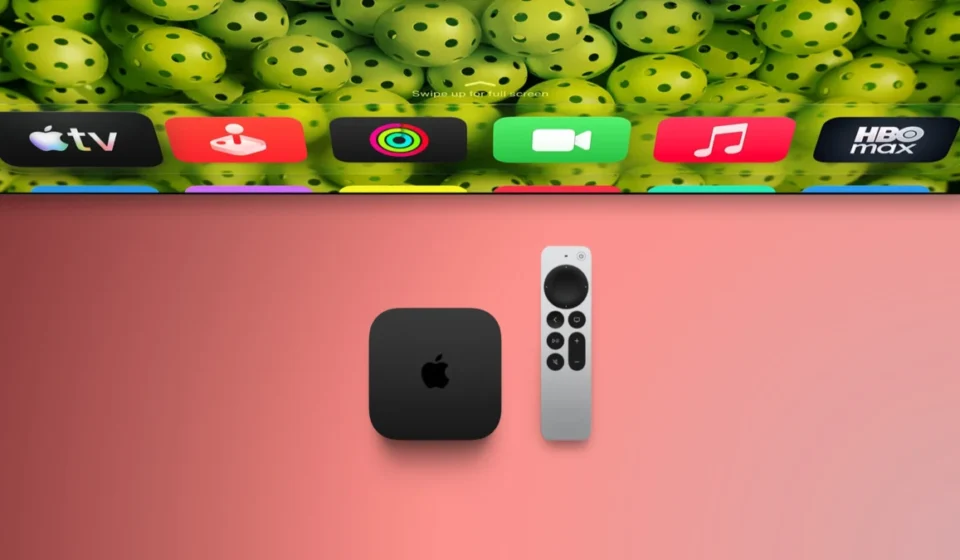
Apple Releases tvOS 27.2.1, Bringing Advanced Siri AI Capabilities to Older Apple TV 4K Models

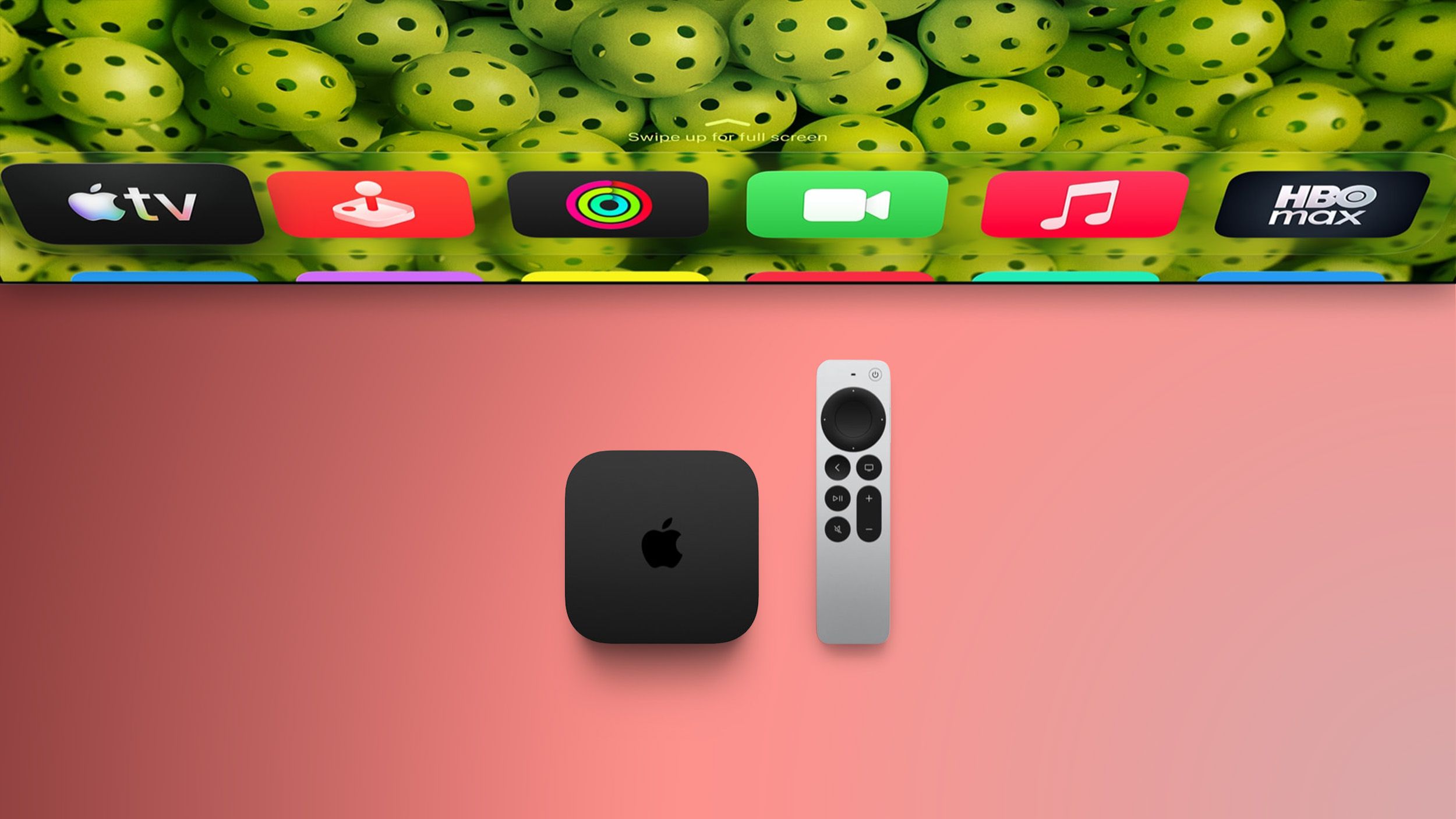
Apple today rolled out tvOS 27.2.1, a significant software update for its Apple TV 4K lineup. This latest release, deployed approximately three weeks after the initial launch of tvOS 27.2, focuses on expanding access to the enhanced Siri AI functionalities to a broader range of Apple TV 4K hardware. Notably, tvOS 27.2.1 specifically enables the advanced Siri AI features on the 2nd- and 3rd-generation Apple TV 4K models, making this cutting-edge technology available to users who may not possess the latest hardware iteration. The update is compatible with all Apple TV 4K models that are currently running tvOS 27.
The introduction of Siri AI was initially heralded by Apple alongside the debut of the 4th-generation Apple TV 4K. While a dedicated tvOS 27.2 build was previously released to activate Siri AI on the newest set-top box models, this subsequent tvOS 27.2.1 update serves as a crucial bridge, granting access to these intelligent features for users of older Apple TV 4K hardware. This move underscores Apple’s strategy of providing ongoing value and feature parity across its product ecosystem, even for devices that are not the most recent.
Enhanced Siri AI Capabilities Detailed
Siri AI, as presented by Apple, represents a substantial leap forward from the conventional Siri assistant. It is characterized as a more intelligent and capable iteration, designed to understand and execute a wider array of commands and queries. Key functionalities of Siri AI include:
- Content Playback: Users can now request specific content playback with greater natural language precision. This could range from "Play the latest episode of ‘The Morning Show’" to "Show me action movies from the 1990s."
- Contextual Suggestions: Leveraging personal context, Siri AI can offer proactive and relevant suggestions. This might involve recommending shows based on viewing history, suggesting music based on time of day, or alerting users to upcoming live events they might be interested in.
- World Knowledge Queries: The AI is equipped to answer a broad spectrum of general knowledge questions, drawing upon an extensive database of information. This transforms the Apple TV into a more interactive and informative device.
- Task Completion: Siri AI can perform various tasks directly on the Apple TV, streamlining user interaction and reducing the need for manual navigation. This could include setting timers, adjusting device settings, or even initiating smart home routines.
The integration of Siri AI aims to create a more seamless and intuitive entertainment experience, moving beyond simple command-response interactions to a more conversational and personalized engagement with the Apple TV.
Hardware Requirements and Compatibility
A critical aspect of utilizing the advanced Siri AI capabilities on the Apple TV is the requirement for a paired Apple Intelligence-compatible iOS device. This means that users will need an iPhone or iPad that supports Apple Intelligence to fully leverage Siri AI on their Apple TV. As of the release of tvOS 27.2.1, this compatibility is confirmed for the iPhone 15 Pro and all subsequent iPhone models. This dependency highlights Apple’s integrated approach to its ecosystem, where advanced AI features are often powered by a combination of device-level processing and cloud-based intelligence, facilitated through interconnected Apple products.
The rollout of tvOS 27.2.1 signifies a strategic decision by Apple to extend the lifespan and functionality of its existing Apple TV 4K hardware. By enabling these advanced AI features on older generations, Apple not only enhances the user experience for a larger customer base but also reinforces the value proposition of their entertainment platform. This approach can also help to mitigate the immediate need for users to upgrade their hardware solely to access new software features, fostering a sense of customer loyalty and satisfaction.
Availability and Installation
Apple TV users can download and install the tvOS 27.2.1 update by navigating to the Settings app on their Apple TV. From there, users should select "System," followed by "Software Update," and then initiate the update process. For users who have automatic software updates enabled, the installation may occur without manual intervention.
In addition to the tvOS update, Apple has also released a corresponding HomePod Software 27.2.1 update for its HomePod and HomePod mini smart speakers. This parallel release suggests a coordinated effort by Apple to ensure consistent AI feature sets and system enhancements across its core home entertainment and smart speaker devices. This synchronicity in updates can lead to a more cohesive and integrated smart home experience for users who own multiple Apple devices.
Broader Context: The Evolution of Siri and Apple TV
The introduction of Siri AI on the Apple TV is part of a larger, ongoing evolution of Apple’s virtual assistant. Since its initial debut on the iPhone in 2011, Siri has progressively gained new capabilities and improved its understanding of natural language. The advancements seen with Siri AI represent a significant step towards a more sophisticated and context-aware AI, capable of handling more complex queries and proactive assistance.
The Apple TV, initially conceived as a media streaming device, has gradually transformed into a more robust entertainment hub. With the integration of apps, games, and now advanced AI functionalities, Apple is positioning the Apple TV as a central component of the modern living room, capable of managing a wide range of digital content and smart home interactions.
The timing of this update, following closely on the heels of other significant Apple product announcements and software releases, such as the expected new MacBook Pro models with OLED displays and M6 chips, or the 14-inch MacBook Pro and iMac models with M6 chips, and an iPad mini 8 with an OLED display, as reported by Bloomberg’s Mark Gurman for potential releases in early November 2026, indicates a busy period for Apple’s development and rollout cycles. This concentrated period of innovation suggests a strategic push to enhance the user experience across its product lines and solidify its market position in the competitive technology landscape.
Analysis of Implications
The release of tvOS 27.2.1 has several notable implications for Apple and its users. Firstly, it democratizes access to advanced AI features, ensuring that a wider installed base of Apple TV 4K users can benefit from Siri AI. This can lead to increased user engagement with the Apple TV platform and potentially drive greater adoption of Apple’s digital content services.
Secondly, by requiring a compatible iOS device, Apple further strengthens the interconnectedness of its ecosystem. This dependency encourages users to invest in newer iPhone models to unlock the full potential of their Apple TV, potentially influencing upgrade cycles for both products.
Thirdly, the continuous refinement and expansion of Siri’s capabilities, as demonstrated by Siri AI, signal Apple’s commitment to artificial intelligence. As AI becomes increasingly integral to user experiences across all technology sectors, Apple’s advancements in this area are crucial for maintaining its competitive edge.
Finally, the simultaneous release of updates for both tvOS and HomePod software reinforces Apple’s vision of a seamlessly integrated smart home. This coordinated approach allows for a more unified user experience, where devices work together harmoniously to provide convenience and enhanced functionality.
Future Outlook
The ongoing development of tvOS and the expansion of Siri AI capabilities suggest a future where the Apple TV becomes an even more intelligent and indispensable part of the home. As AI technology continues to evolve, we can anticipate further enhancements in content discovery, personalized recommendations, and seamless integration with other smart home devices. Apple’s strategic approach to software updates, ensuring that older hardware remains relevant and feature-rich, is likely to be a key factor in its continued success in the competitive home entertainment and smart device markets. The company’s dedication to refining its AI offerings underscores its long-term vision for a more intuitive, personalized, and interconnected digital living experience.