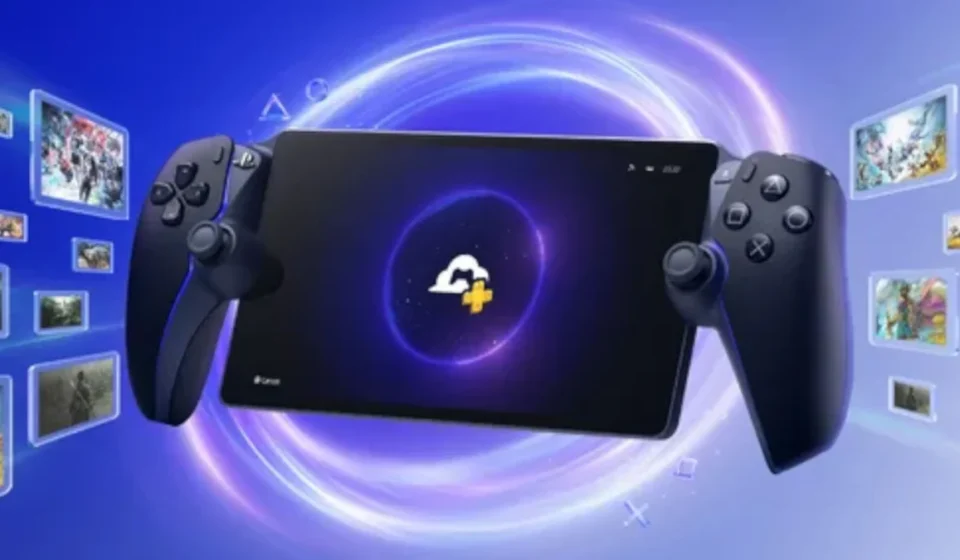
PlayStation Portal Player Announced for Japan, Promising Enhanced Functionality and Affordability

The landscape of portable gaming, once dominated by dedicated handheld consoles, has seen a significant evolution in recent years with the advent of cloud streaming and remote play solutions. Sony’s PlayStation Portal, launched in late 2023, initially navigated a complex reception. It faced scrutiny regarding its dependence on robust Wi-Fi connectivity and certain hardware constraints. However, a sustained period of refinement and growing user adoption has seemingly ushered in a new era for the device, often referred to as a "renaissance." Now, following months of speculation and industry whispers, Sony has unveiled a new iteration: the PlayStation Portal Player. This upcoming model, slated for a December 10 release in Japan, appears poised to address some of the original’s limitations and introduce intriguing new possibilities, all while maintaining a competitive price point.
Key Features and Pricing of the PlayStation Portal Player
The PlayStation Portal Player is set to launch in Japan with a price tag of ¥39,980. This translates to approximately $253 USD and £188 GBP, positioning it as a notably more accessible option compared to many high-end dedicated handheld gaming devices currently available on the market. A comprehensive analysis of the best portable gaming consoles, for instance, often highlights devices with significantly higher price points.
The most significant distinguishing feature of the PlayStation Portal Player, as detailed by Sony, is its inclusion of additional storage. While the exact nature of this expanded capacity remains somewhat enigmatic, Sony has cryptically alluded to its purpose being for "future functionality." This deliberate vagueness suggests that the additional storage is not merely for game downloads or media, but rather to accommodate potential software enhancements or entirely new capabilities that are yet to be revealed. The company has promised further details regarding the necessity of this extra space in the near future, fueling anticipation within the gaming community.
Beyond this key upgrade, the PlayStation Portal Player retains the core design and user experience of its predecessor. It features a sleek, ergonomic design, presented in a sophisticated Midnight Black colorway. The device sports an 8-inch LCD display capable of rendering games at a crisp 1080p resolution, ensuring visual fidelity for streamed or remote-played titles. A notable element of its design, carried over from the original, is the inclusion of adaptive triggers, which aim to provide a more immersive and responsive gaming experience by dynamically adjusting resistance based on in-game actions.
To further enhance the immediate value proposition, each PlayStation Portal Player will come bundled with a complimentary month of PlayStation Plus Premium. This subscription tier offers access to a vast library of PlayStation titles across various generations, allowing new users to immediately dive into a diverse selection of games upon setting up their device. This inclusion is a strategic move by Sony to encourage adoption and showcase the potential of the platform.
A Limited Launch and the Import Conundrum
Despite the promising upgrades and attractive pricing, a significant caveat accompanies the PlayStation Portal Player’s announcement. As of the current reporting, Sony has not confirmed any plans for a global launch. This exclusivity to the Japanese market presents a considerable hurdle for international consumers eager to acquire the device.
Typically, in such scenarios, the option of importing the hardware becomes a viable alternative. However, in the case of the PlayStation Portal Player, this path is also fraught with limitations. The device is being released as a Japanese-language exclusive, meaning its user interface and any accompanying documentation will be in Japanese. More critically, it is designed to function exclusively with PlayStation accounts that have been registered in Japan. This geographical and account-based restriction effectively prevents users outside of Japan from utilizing the device for its intended purpose, even if they manage to physically import it.
This restriction suggests a potential regional locking mechanism or a reliance on specific Japanese network services, which could be difficult or impossible to circumvent for users in other territories. The implications of this limited launch are substantial, potentially fragmenting the user base and limiting the device’s overall impact on the global portable gaming market.

Timeline and Anticipated Developments
The pre-order window for the PlayStation Portal Player in Japan is scheduled to commence on Friday, November 13. This imminent pre-order date suggests that any official announcements regarding a potential wider release would likely precede this period. Industry analysts and consumers alike will be closely monitoring Sony’s official PlayStation social media channels and regional PlayStation websites for any indications of an expanded launch.
The original PlayStation Portal’s journey from a criticized debut to a more positively received product over the past year provides a historical context for how Sony might approach the rollout of new hardware. The initial launch of the Portal in November 2023 was met with a wave of reviews highlighting its reliance on stable Wi-Fi for its remote play functionality, which could be a bottleneck for users with less robust internet connections. Additionally, some users pointed out the lack of Bluetooth audio support at launch, a feature that was later addressed through a system update in early 2024, demonstrating Sony’s willingness to iterate and improve based on user feedback. This period of refinement and subsequent positive reception has likely influenced the decision to proceed with a more advanced version of the device.
The introduction of the PlayStation Portal Player, with its promise of "future functionality" enabled by additional storage, hints at a longer-term vision for the PlayStation Portal ecosystem. This could involve deeper integration with PlayStation Plus services, cloud gaming advancements, or even entirely new forms of interactive content that leverage the enhanced hardware. The strategic decision to launch this upgraded model in Japan first may also be a testbed for new features before a broader international release, allowing Sony to gather data and fine-tune the experience in a specific market.
Industry Context and Market Implications
The portable gaming market is a dynamic and increasingly competitive space. While traditional handheld consoles like the Nintendo Switch continue to dominate with their hybrid capabilities, the rise of cloud gaming services has opened avenues for devices that primarily focus on streaming and remote play. Companies like Logitech and Razer have also entered this segment with their own cloud gaming handhelds, such as the Logitech G Cloud and Razer Edge, further intensifying the competition.
Sony’s approach with the PlayStation Portal, and now the Portal Player, is distinct. It is not a standalone gaming device in the traditional sense but rather an accessory designed to enhance the PlayStation 5 experience by extending it to a portable form factor. This reliance on the PS5 as the primary gaming engine is a key differentiator. The success of the PlayStation Portal Player will therefore be intrinsically linked to the continued popularity and performance of the PlayStation 5 console.
The pricing strategy of the PlayStation Portal Player, particularly its affordability compared to other handheld options, could be a significant factor in its appeal. If Sony can successfully implement and market the "future functionality" promised by the additional storage, the device could carve out a unique niche for itself. This could involve offering enhanced streaming capabilities, more sophisticated integration with PlayStation Plus Premium features, or even the potential for third-party application development, although such possibilities are purely speculative at this stage.
The current global supply chain for consumer electronics, while improving, can still present challenges. By initially focusing on the Japanese market, Sony may be mitigating potential risks associated with a large-scale international launch while simultaneously gauging consumer interest and technical feasibility of the new features. The success of this phased rollout will be crucial in determining the long-term trajectory of the PlayStation Portal line.
The decision to restrict the PlayStation Portal Player to Japanese PlayStation accounts is a significant barrier to international adoption. This measure could be related to regional licensing agreements for games or services, or it might be a technical limitation that Sony has yet to fully explain. Without a clear path for international users to access and utilize the device, its potential impact will remain confined to a specific demographic and geographical region. This raises questions about Sony’s global strategy for its portable gaming accessories and whether the PlayStation Portal Player represents a one-off regional release or a precursor to a more widespread, albeit delayed, global launch.
The coming weeks will be critical as the pre-order date approaches. The gaming world will be watching closely for any signals from Sony that might indicate a broader availability of the PlayStation Portal Player. The success of this new iteration, particularly its ability to deliver on its promised "future functionality," could shape the future of portable gaming within the PlayStation ecosystem and influence how other manufacturers approach similar hardware in the competitive handheld market. The initial challenges faced by the original PlayStation Portal, followed by a period of perceived improvement, have set a precedent for Sony’s engagement with this product line, making the reception and future development of the Portal Player a subject of keen interest.