Google Health Version 5.13 Rolls Out with Enhanced Workout Tracking, Inclusive Profile Options, and Fitbit Ecosystem Changes

In a demonstration of its accelerating commitment to digital health, Google has commenced the rollout of Google Health version 5.13 across Android and iOS platforms. This latest iteration arrives less than a fortnight after its predecessor, version 5.12, signaling a robust and rapid development cycle for the tech giant’s health and wellness application. The update introduces a suite of quality-of-life enhancements spanning workout tracking, nutritional logging, and user profile management, alongside a critical reminder regarding the impending discontinuation of third-party app support for specific Fitbit wearables. Google officially detailed these advancements in a community post, confirming the phased deployment which is expected to reach all users within the coming week.
Google’s Strategic Push into Digital Health
The rapid succession of updates for Google Health underscores the company’s intensified strategic focus on the burgeoning digital health sector. Google Health, as it exists today, represents the culmination of Google’s various health initiatives, integrating elements from its legacy Google Fit platform and the expansive ecosystem acquired through the acquisition of Fitbit in 2021. This strategic pivot aims to consolidate disparate health data points into a unified, user-centric interface, leveraging Google’s formidable capabilities in artificial intelligence, machine learning, and vast data infrastructure. The overarching objective is to empower users with actionable insights into their well-being, facilitate proactive health management, and potentially streamline interactions with healthcare providers, though the latter remains a long-term aspiration.
The global digital health market, valued at approximately $211 billion in 2022, is projected to reach over $1 trillion by 2030, driven by increasing consumer adoption of wearable technology, telemedicine, and health-tracking applications. Google, alongside industry giants like Apple and Samsung, is positioning itself to capture a significant share of this growth by offering comprehensive, integrated solutions that span hardware (Pixel Watch, Fitbit devices) and software (Google Health). The continuous refinement of the Google Health app is central to this strategy, ensuring it remains competitive and relevant in a dynamic market.
Enhanced Workout Tracking: Precision and Personalization
A cornerstone of the 5.13 update lies in its significant enhancements to workout tracking, reflecting a deeper integration with wearable devices and a focus on user convenience.
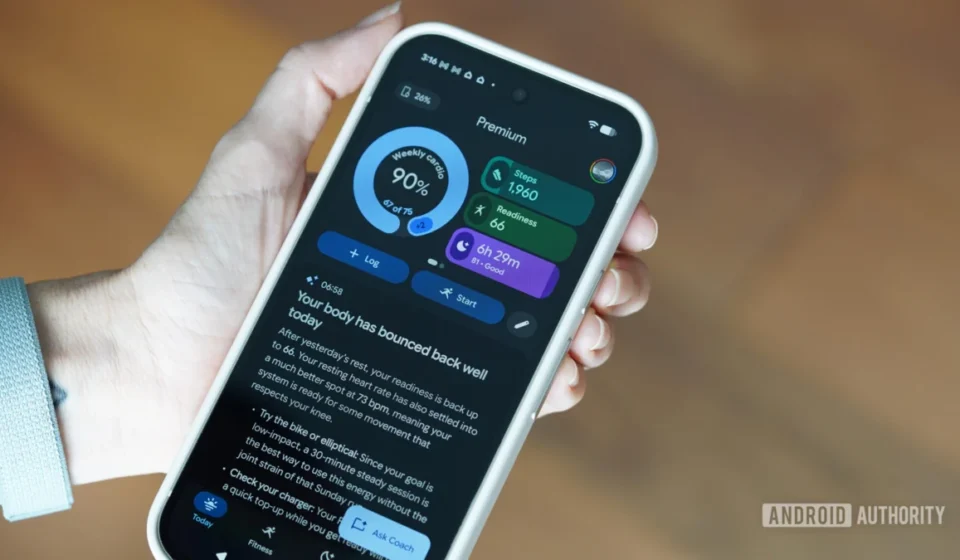
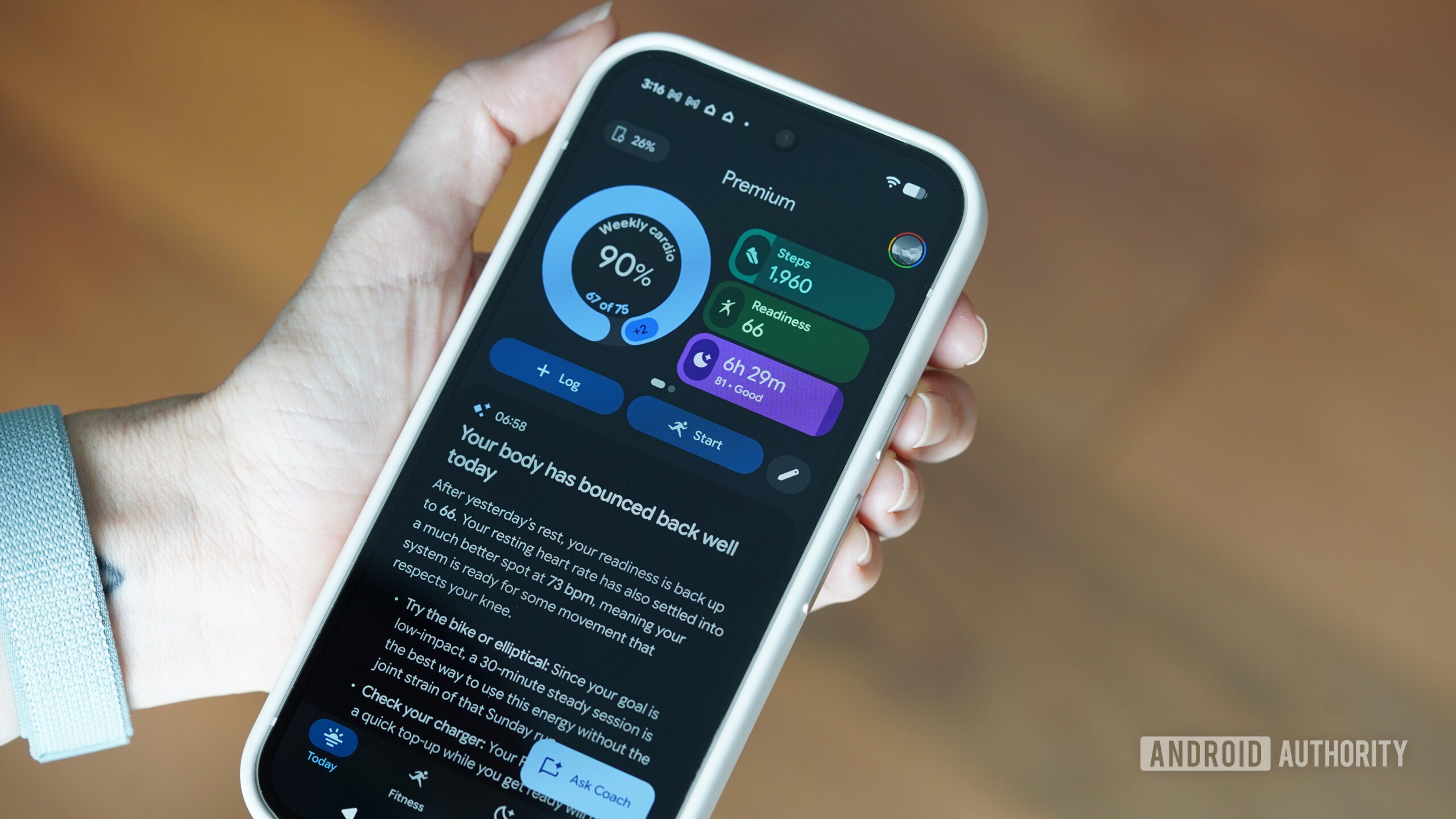
Dynamic Exercise-in-Progress Card: Central to these improvements is the introduction of a new "exercise-in-progress" card on the Google Health app’s "Today" screen. This feature automatically detects and displays when a connected wearable, such as a Pixel Watch or compatible Fitbit device, is actively recording an exercise session. This immediate feedback mechanism ensures users are aware their activity is being logged, minimizing the risk of inadvertently missing data. Beyond mere notification, the card provides at-a-glance information, allowing users to manually end tracking and promptly access a summary of their workout. This seamless integration streamlines the post-exercise review process, offering key metrics like duration, calories burned, and heart rate zones without navigating through multiple menus. Such features are crucial for adherence, as studies indicate that ease of use is a primary driver for sustained engagement with fitness applications.
Advanced Controls for Swimmers: Recognizing the specific needs of different athletic disciplines, Google Health 5.13 introduces more granular controls tailored for swimmers. Users now have the flexibility to set a default pool length, choosing between meters or yards, and toggle unit preferences within the app. This seemingly minor addition significantly enhances the accuracy of swim tracking, allowing the app to calculate distance and pace more precisely based on the user’s specific environment. Accessing these settings is intuitive, located within the "Activity preferences" section under the user’s profile. This level of customization is vital for serious athletes and casual swimmers alike, providing data that is genuinely reflective of their performance. The global swim tracking market is substantial, and offering specialized features can differentiate Google Health from more generalized fitness trackers.
Pixel Watch Live Guidance: A standout feature for Google’s own ecosystem is the provision of live, step-by-step guidance for exercises directly on compatible Pixel wearables, specifically the Pixel Watch 3, 4, and 5. This represents a significant leap towards personalized, real-time coaching within the app. While the specifics of the guidance were not fully detailed by Google, it can be logically inferred to include cues for form, pace, repetitions, or even motivational prompts, delivered visually or haptically on the watch display. This functionality leverages the advanced sensors and processing capabilities of the Pixel Watch series, transforming the device from a passive data logger into an active workout companion. Such intelligent guidance has the potential to optimize workout effectiveness, reduce injury risk, and enhance user motivation, thereby deepening the value proposition of Google’s wearable ecosystem.
Streamlined Nutrition Tracking
Beyond physical activity, Google Health 5.13 also refines its nutrition tracking capabilities, addressing a common pain point for users attempting to monitor their dietary intake. The update promises "improved food search functionality for logging meals." While specific algorithmic changes were not detailed, the implication is a more efficient and accurate search experience, enabling users to "find food items more easily." This enhancement is critical for user engagement, as cumbersome food logging is frequently cited as a reason for discontinuing diet tracking. By leveraging Google’s unparalleled search capabilities and potentially incorporating advanced natural language processing (NLP) and machine learning, the app can offer more relevant and faster results, reducing friction in the logging process. Accurate and effortless nutrition tracking is a cornerstone of holistic health management, influencing weight management, energy levels, and overall well-being.
Towards More Inclusive Health Profiles
One of the most noteworthy and progressive changes in Google Health version 5.13 pertains to the setup of new user profiles, particularly concerning gender identification. During the onboarding process, users are now offered more inclusive options beyond a binary choice, specifically "Prefer not to say" or "An option not listed" when selecting their gender. This acknowledges the diversity of gender identities and reflects a growing societal imperative for inclusive design in technology.
However, recognizing that certain health metrics and physiological norms can differ based on biological sex, the app intelligently follows up by asking users whether they would prefer their metrics to be calculated based on studies of cisgender men or studies of cisgender women. This approach delicately balances inclusivity with scientific accuracy, ensuring that personalized health insights remain clinically relevant. Users are also given the flexibility to defer this decision or modify it later, accessible through "Personal info" > "Profile" > "Sex settings" within the app. This nuanced approach positions Google Health as a leader in designing health platforms that are both sensitive to user identity and grounded in scientific data, moving beyond simplistic categorizations. The collection of accurate demographic data, coupled with sensitivity to user identity, is paramount for developing truly personalized and effective health recommendations.
The Evolving Fitbit Ecosystem: An Upcoming Change
The update’s changelog also serves as an important reminder about a significant upcoming change impacting select Fitbit wearables, signaling Google’s continued integration and consolidation efforts following the acquisition. Effective November 28, users of specific Fitbit devices—including the Fitbit Sense, Fitbit Sense 2, Fitbit Versa 4, Fitbit Versa 3, Fitbit Versa 2, Fitbit Versa Lite, and Fitbit Versa—will no longer be able to install or update third-party applications and clock faces.
This decision marks a strategic move by Google to streamline the Fitbit ecosystem, likely to ensure tighter security, enhance performance, and consolidate the user experience under Google’s broader software standards. While existing third-party apps and clock faces already installed on these devices will continue to function, users are cautioned that if they delete these items, they will not be able to reinstall them. This change may prompt a segment of Fitbit users to migrate towards Google’s own offerings or consider upgrading to newer Pixel Watch models that are more deeply integrated with the Google Health ecosystem.
The discontinuation of third-party support aligns with a broader industry trend where platform owners increasingly exert control over their app ecosystems, often citing security, quality assurance, and a desire to provide a consistent user experience. For Fitbit’s extensive developer community, this change necessitates a re-evaluation of their engagement with the platform, potentially shifting focus towards developing for Google’s native wearable operating systems or adapting existing applications to Google Health’s framework. This move is indicative of Google’s long-term vision for Fitbit, where it functions as a hardware arm deeply integrated into Google’s unified health software platform.
Cross-Platform Harmony: iOS Syncing Fix
Finally, Google Health 5.13 addresses a critical bug for its iOS user base: issues with syncing data to Apple Health. The update promises a resolution to these synchronization problems, ensuring that Google Health data flows seamlessly into Apple’s native health platform. For users who continue to experience gaps in their historical Apple Health data after the update, Google recommends signing out of Google Health and then signing back in. This fix underscores Google’s commitment to providing a robust and reliable cross-platform experience, recognizing that many users operate within hybrid ecosystems and expect their health data to be accessible and consistent across different applications and devices. Seamless data integration is a fundamental expectation for modern health apps, preventing data silos and enhancing the overall utility of collected health information.
Implications and Future Outlook
The Google Health 5.13 update, while seemingly a collection of incremental improvements, collectively represents a significant step in Google’s journey to establish itself as a dominant player in digital health. The rapid release cycle indicates a dynamic development roadmap, responsive to user needs and market demands. The focus on enhancing core functionalities like workout and nutrition tracking, coupled with progressive steps in inclusive profile management, demonstrates a holistic approach to user well-being.
For users, these changes translate into a more refined, personalized, and potentially more effective tool for managing their health. The deeper integration with Pixel Watch devices and the strategic recalibration of the Fitbit ecosystem suggest a future where Google’s hardware and software offerings are inextricably linked, providing a cohesive and powerful health management platform.
However, challenges remain. Data privacy and security, particularly with sensitive health information, will continue to be paramount. Google’s ability to foster trust and demonstrate robust protection of user data will be crucial for widespread adoption. Furthermore, the competitive landscape is fierce, with Apple, Samsung, and specialized health tech companies continuously innovating.
Looking ahead, the trajectory of Google Health points towards even more sophisticated AI-driven insights, predictive analytics for health risks, and potentially closer integration with professional healthcare services. As technology continues to permeate every aspect of life, Google’s ambition to be a central pillar in personal health management is becoming increasingly clear, with updates like version 5.13 serving as vital milestones in that ambitious endeavor. The ongoing evolution of Google Health is a testament to the tech industry’s profound impact on personal well-being, pushing the boundaries of what is possible in self-care and preventative health.