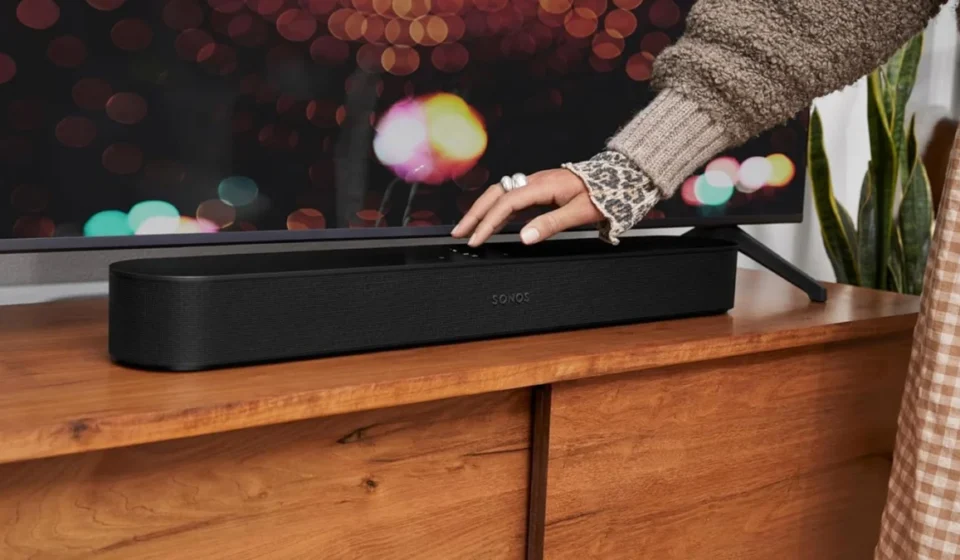
Sonos Beam (Gen 2) Hits Unprecedented $339 Price Point on Amazon, Making Premium Dolby Atmos Audio More Accessible Than Ever

The Sonos Beam (Gen 2) soundbar is currently available on Amazon for an unprecedented price of $339, marking a significant reduction of $160 (32%) from its standard list price of $499. This represents the lowest price ever recorded for the device, making its advanced audio capabilities, including virtualized Dolby Atmos, more attainable for a broader consumer base. This price adjustment is poised to impact the competitive landscape of the home audio market, offering a premium listening experience at a mid-range price point.
The Sonos Beam (Gen 2): A Deep Dive into its Capabilities
The Sonos Beam (Gen 2) represents a sophisticated evolution in compact home audio, engineered to deliver an immersive sound experience without demanding extensive physical space. At its core, the device leverages advanced digital signal processing (DSP) to create a virtualized Dolby Atmos experience. Unlike soundbars with upward-firing speakers that physically bounce sound off the ceiling, the Beam Gen 2 uses psychoacoustic principles to simulate height and width, enveloping the listener in a three-dimensional soundstage. This capability is crucial for modern cinematic content, which increasingly incorporates object-based audio for a more realistic and engaging experience.
Connectivity is streamlined through its HDMI eARC (enhanced Audio Return Channel) port, a critical feature that allows high-bandwidth audio formats, including Dolby Atmos, to be transmitted from a compatible television to the soundbar with a single cable. This simplifies setup and ensures the highest quality audio signal. The eARC standard also enables seamless control, allowing users to manage the soundbar’s volume directly through their existing TV remote, eliminating the need for an additional controller and contributing to a more integrated home entertainment setup.
Beyond immersive surround sound, the Beam Gen 2 incorporates several user-centric audio enhancements. "Speech Enhancement" actively processes dialogue frequencies, boosting clarity and ensuring that conversations remain crisp and intelligible, even during intense action sequences or in films with complex sound mixes. This feature is particularly beneficial for viewers who often struggle to discern spoken words amidst background music and effects. Conversely, "Night Sound" is designed for considerate late-night viewing. It intelligently compresses dynamic range, reducing the impact of loud explosions or sudden sound effects while simultaneously boosting quieter passages, allowing for an enjoyable viewing experience without disturbing household members or neighbors.
A cornerstone of the Sonos audio ecosystem is "Trueplay" tuning. This proprietary technology utilizes the microphone on a user’s iOS device (iPhone or iPad) to measure how sound reflects off walls, furniture, and other surfaces in a room. The Beam Gen 2 then intelligently adjusts its equalization settings to optimize sound delivery for that specific acoustic environment. This ensures that the soundbar performs optimally regardless of room shape, size, or furnishings, providing a consistently balanced and accurate audio profile.
For music enthusiasts, the Beam Gen 2 integrates seamlessly into a wireless home audio network. It supports Wi-Fi streaming, offering higher fidelity and a more stable connection than Bluetooth, which is often subject to compression artifacts and dropouts. Compatibility with Apple AirPlay 2 allows users to stream audio directly from Apple devices, while the comprehensive Sonos app provides centralized control over music services, multi-room playback, and system settings. The setup process itself is remarkably straightforward, guided by the Sonos app on a smartphone, typically taking only a few minutes from unboxing to operational readiness, enabling users to enjoy enhanced sound almost immediately.
The Evolution of Home Audio: Contextualizing the Soundbar Market
The journey of home audio has been one of continuous innovation, driven by the desire for increasingly immersive and convenient listening experiences. From the multi-component stereo systems of the past, requiring extensive wiring and numerous speakers, the market has gradually shifted towards more integrated and user-friendly solutions. The soundbar emerged as a pivotal innovation in this trajectory, offering a compact, all-in-one device capable of significantly upgrading a TV’s built-in audio without the complexity and space requirements of a traditional home theater system.
Sonos, founded in 2002, played a transformative role in this evolution by pioneering multi-room wireless audio. Their philosophy centered on creating a seamless, high-quality listening experience throughout the home, controlled intuitively via a smartphone app. While initially focused on dedicated wireless speakers, Sonos strategically expanded into the home theater segment with products like the Playbar, Playbase, and eventually, the Beam series. These soundbars were designed not only to enhance TV audio but also to integrate flawlessly into the broader Sonos ecosystem, allowing for music playback and easy expansion.
The increasing prevalence of streaming services like Netflix, Disney+, and Max, which offer a vast library of films and series in high-resolution video and advanced audio formats, has fueled consumer demand for home audio solutions that can reproduce these cinematic experiences accurately. Dolby Atmos, in particular, has become a benchmark for premium audio, moving beyond traditional channel-based sound to create a truly three-dimensional soundscape where individual sounds can be placed and moved anywhere in the listening environment. Soundbars capable of delivering (or simulating) Atmos have thus become highly sought after, bridging the gap between basic TV audio and full-fledged, expensive home theater installations.
The competitive landscape for soundbars is robust, featuring established electronics giants like Samsung, LG, Sony, and Bose, alongside specialized audio brands. In this environment, Sonos has carved out a unique niche, emphasizing ease of use, design aesthetics, and a cohesive wireless ecosystem, often positioning its products at a premium price point.
Sonos’s Strategic Positioning and Product Lifecycle
The introduction of the original Sonos Beam in 2018 was a significant moment for the company, offering a more compact and affordable alternative to its larger Playbar, while still delivering impressive sound quality and smart features. Its success underscored a strong market appetite for a smaller, yet capable, soundbar that could fit into a wider variety of living spaces.
The Sonos Beam (Gen 2), launched in September 2021, built upon its predecessor’s foundation, introducing key enhancements that cemented its position in the evolving home audio market. The most notable upgrade was the addition of virtual Dolby Atmos support, a direct response to the growing proliferation of Atmos content. Internally, the Gen 2 received a faster processor, allowing for more sophisticated audio processing algorithms necessary for Atmos virtualization. Cosmetically, it adopted a new perforated polycarbonate grille, replacing the fabric finish of the Gen 1, which offered improved durability and a more streamlined aesthetic.
In the fast-paced consumer electronics market, products typically follow a lifecycle characterized by initial launch at a premium, followed by gradual price reductions over time, especially with the anticipation or release of newer models. While Sonos has maintained a relatively stable pricing strategy for its core products, significant discounts often occur during major retail events such as Black Friday, Prime Day, or end-of-quarter sales. The current $339 price point for the Beam Gen 2, almost two and a half years post-launch, aligns with this typical product lifecycle, indicating a strategic move to stimulate sales and broaden market penetration before any potential future iterations. This allows the company to reach a segment of consumers who might have found the original $499 price prohibitive but are eager to invest in the Sonos ecosystem at a more accessible entry point.
The Significance of the $339 Price Point
The $339 price point for the Sonos Beam (Gen 2) is particularly significant for several reasons. Firstly, it positions a premium brand’s Dolby Atmos-capable soundbar firmly within the mid-range budget category, making it highly competitive against offerings from other manufacturers that might lack the same ecosystem benefits or brand prestige. Many entry-level Atmos soundbars from other brands often start around this price or slightly higher, but frequently come with compromises in sound quality, feature sets, or build quality compared to Sonos.
Secondly, this discount democratizes access to advanced audio technology. For many consumers, a $499 soundbar might be considered a luxury, but $339 represents a more justifiable investment for upgrading their home entertainment experience. This price shift makes the immersive world of Dolby Atmos, previously associated with higher-end systems, available to a much larger audience.
Historical pricing data for Sonos products on major retail platforms like Amazon often shows relatively infrequent and moderate discounts. The current 32% reduction is therefore not just a minor sale but a substantial strategic move. It surpasses previous discounts seen during major sales events, establishing a new lowest price and signaling a significant push by either Sonos or Amazon to clear inventory or aggressively compete in the market. This creates an urgent value proposition for potential buyers who have been monitoring the product.
The Sonos Ecosystem: Growth and Future Potential
One of the most compelling aspects of investing in a Sonos product, particularly a core component like the Beam, is its expandability and integration into the broader Sonos ecosystem. The Beam Gen 2 is designed to grow with a user’s evolving audio needs, allowing for a phased upgrade path that distributes the cost over time.
For those seeking more impactful bass, the Beam can be wirelessly paired with either a Sonos Sub or the more compact Sonos Sub Mini. The Sub, a powerful wireless subwoofer, dramatically extends the low-frequency response, adding depth and rumble to movies and music. The Sub Mini, introduced more recently, offers a more affordable and space-saving option for enhanced bass, suitable for smaller rooms. This modular approach allows users to tailor their audio setup precisely to their preferences and living space.
To achieve a true surround sound experience, users can add a pair of compatible Sonos speakers as rear channels. Popular choices include two Sonos One SLs or Sonos Era 100s, which wirelessly connect to the Beam to deliver discrete rear-channel audio, effectively transforming a 3.0 setup into a 5.0 system. This creates a much more enveloping soundfield, placing listeners right in the heart of the action.
Beyond home theater, the Beam integrates seamlessly into a multi-room audio setup. Users can group the Beam with other Sonos speakers throughout their home – from portable speakers like the Roam to dedicated smart speakers like the Era 300 – to play the same music simultaneously across different rooms or stream different content to each zone. This multi-room capability is a core differentiator for Sonos and fosters significant customer loyalty, as users become deeply embedded in the ecosystem once they experience its convenience and versatility. The current low price point for the Beam Gen 2 thus serves as an attractive gateway into this expansive and highly regarded wireless audio platform.
Industry Reactions and Market Implications
The aggressive pricing of the Sonos Beam (Gen 2) is likely to resonate across the home audio industry, eliciting various reactions and triggering potential market implications. Industry analysts, observing Sonos’s strategy, would likely interpret this as a calculated move to broaden its market share, particularly within the competitive mid-range soundbar segment. "This strategic price reduction by Sonos for its Beam (Gen 2) is a clear indication of their intent to capture a larger segment of the mid-tier soundbar market," commented a prominent tech analyst, speaking on background. "By making advanced features like virtual Dolby Atmos more attainable, Sonos is not only appealing to budget-conscious consumers but also fortifying its ecosystem’s entry point, which is crucial for long-term customer retention."
While Sonos, as a company, typically refrains from commenting on specific retail pricing strategies, their broader corporate communications often underscore a commitment to "delivering unparalleled sound experiences to more homes" and "seamlessly integrating into modern lifestyles." This price reduction aligns perfectly with such a mission, making their premium audio technology accessible to a wider demographic.
Competitors in the soundbar market, including major electronics manufacturers like Samsung, LG, Sony, and specialized audio brands like Bose and JBL, will undoubtedly take note. Such a significant price drop from a premium brand like Sonos could compel rivals to re-evaluate their own pricing strategies, potentially leading to increased competition and further price adjustments across the board. This could ultimately benefit consumers by driving down prices for high-quality audio equipment. The move also highlights the dynamic nature of the e-commerce landscape, where platforms like Amazon can leverage their scale to offer compelling deals that reshape consumer expectations and market dynamics.
The Broader Impact on Consumer Adoption
The availability of the Sonos Beam (Gen 2) at such a reduced price has broader implications for consumer adoption of advanced home audio technologies. Firstly, it accelerates the democratization of immersive audio. For many, Dolby Atmos was once perceived as a feature exclusive to expensive, complex home theater setups. The Beam Gen 2, even with its virtualized approach, delivers a compelling Atmos experience in a compact form factor, and at $339, it significantly lowers the barrier to entry. This encourages more households to upgrade from basic TV speakers or older, less capable soundbars, thereby improving the overall quality of home entertainment across the market.
Secondly, the ease of setup and integration with existing TV remotes, coupled with the Trueplay tuning feature, removes many of the traditional friction points associated with home audio upgrades. Consumers are often intimidated by complicated wiring or calibration processes. Sonos’s design philosophy, prioritizing simplicity and user-friendliness, combined with this attractive price, makes the decision to upgrade far less daunting.
Finally, the inherent expandability of the Sonos ecosystem means that this initial purchase of a Beam Gen 2 can lead to further investment in Sonos products. A positive experience with the soundbar might encourage users to add a Sub, rear speakers, or additional Sonos speakers for other rooms, thereby cementing their loyalty to the brand. This long-term customer engagement is a critical component of Sonos’s business model and is effectively supported by strategic pricing initiatives like the current Amazon deal.
In conclusion, the $339 price point for the Sonos Beam (Gen 2) on Amazon is more than just a temporary discount; it represents a significant market event. It not only offers an exceptional value proposition for consumers seeking to elevate their home audio experience with virtual Dolby Atmos and smart features but also underscores Sonos’s strategic positioning within the competitive home audio landscape. This move is poised to expand accessibility to premium sound, potentially reshaping consumer expectations and influencing future pricing trends across the industry.