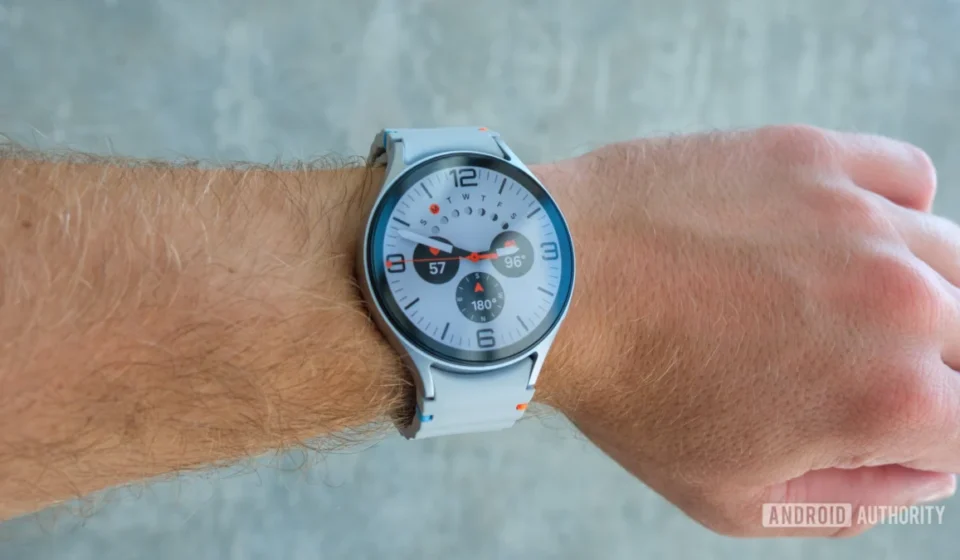
Samsung Galaxy Watch 7 Sees Significant Black Friday Price Drop, Positioning It as a Leading Value Option in the Smartwatch Segment

Amidst the annual surge of Black Friday sales, Samsung’s Galaxy Watch 7 has emerged as a standout deal, with the 40mm Bluetooth model in Green experiencing a substantial price reduction. Currently available on Amazon for $149.99, this represents a significant $100 discount, or 40% off its original list price of $249.99. This aggressive pricing strategy positions the Galaxy Watch 7 as one of the most compelling value propositions in the competitive smartwatch market, marking its lowest price point on the e-commerce giant since the holiday sales period of the previous year. The markdown underscores a broader retail trend during Black Friday, where robust discounts on popular technology aim to capture a wide consumer base seeking advanced features at accessible price points.
The Allure of the Galaxy Watch 7: Features and Performance
The Samsung Galaxy Watch 7, despite potentially being succeeded by newer models, remains a highly capable and feature-rich wearable device. It operates on Google’s Wear OS, seamlessly integrated with Samsung’s proprietary One UI Watch interface, offering users a hybrid ecosystem experience. This combination grants access to a vast array of Google services, including Google Maps for navigation directly from the wrist and Google Wallet for convenient contactless payments. Concurrently, Samsung’s robust health and fitness tracking capabilities are delivered through Samsung Health, a comprehensive platform that has garnered a loyal user base.
Core to its health monitoring suite, the Watch 7 meticulously tracks crucial metrics such as heart rate, sleep patterns, and a diverse range of workout activities. A particularly innovative feature is the "Energy Score," an algorithmic assessment presented each morning that synthesizes sleep quality and activity levels from the preceding day to provide a personalized readiness indicator. This holistic approach to wellness tracking empowers users with actionable insights into their daily well-being, fostering a proactive approach to health management.
Underpinning the Watch 7’s smooth and responsive operation is Samsung’s custom-designed Exynos W1000 chip. This processor is engineered for efficiency and performance, ensuring that app launches are swift, transitions are fluid, and complex health calculations are handled without lag. The 40mm case size, specifically highlighted in this Black Friday deal, is particularly well-suited for individuals with smaller wrists, offering a comfortable and unobtrusive fit. Its ergonomic design ensures that the device can be worn continuously, including overnight, without discomfort, which is essential for accurate sleep tracking data.
While the Galaxy Watch 7 naturally pairs optimally with Samsung Galaxy smartphones, leveraging the full breadth of Samsung’s ecosystem enhancements, it maintains broad compatibility with other Android devices. This ensures that a wider demographic of Android users can benefit from its advanced features. Furthermore, the device boasts always-on display options, allowing users to check the time and critical notifications at a glance without needing to activate the screen fully. A comprehensive suite of workout modes caters to various physical activities, from running and cycling to gym-based exercises, each designed to provide specific and relevant data tracking.
Black Friday: A Retail Phenomenon and Strategic Sales
Black Friday, traditionally observed the day after Thanksgiving in the United States, has evolved into a global retail phenomenon, marking the unofficial start of the holiday shopping season. Its origins trace back to the 19th century, but the term "Black Friday" gained widespread recognition in the 1960s, initially referring to the heavy and disruptive pedestrian and vehicle traffic that occurred on the day after Thanksgiving. Later, it became associated with retailers moving "into the black" (profitability) due to the significant sales generated.
In the modern retail landscape, Black Friday is characterized by aggressive promotions, doorbuster deals, and limited-time offers across virtually all product categories, with consumer electronics consistently being a major focus. Retailers strategically leverage this period to clear inventory, drive foot traffic (both physical and digital), and capture market share ahead of the critical holiday spending period. For consumers, it represents an opportunity to acquire high-value items, often technology, at significantly reduced prices.
The current discount on the Galaxy Watch 7 aligns perfectly with this strategy. By offering a 40% reduction, Samsung and its retail partners like Amazon aim to stimulate demand, appeal to budget-conscious shoppers, and introduce new users to the Samsung wearable ecosystem. This strategy is particularly effective for products that, while not the absolute latest model, still offer premium features and performance.
The Smartwatch Market: Competition and Consumer Trends
The global smartwatch market has witnessed exponential growth over the past decade, transforming from a niche gadget into a mainstream accessory. According to recent market analysis reports, shipments of smartwatches continue to climb year-over-year, driven by increasing consumer awareness of health and fitness tracking, convenience features, and seamless integration with smartphone ecosystems. Key players dominating this market include Apple with its Apple Watch series, Samsung with its Galaxy Watch lineup, and Google with its Pixel Watch, alongside other significant brands like Fitbit (now owned by Google) and various fitness tracker manufacturers.
Samsung has consistently held a strong position in the Android smartwatch segment, often being the primary alternative to Apple’s dominant ecosystem. The competition is fierce, compelling manufacturers to continually innovate and differentiate their products through features, design, and, crucially, pricing. Offering attractive deals on previous-generation models, such as the Watch 7, is a common tactic to maintain market share and prevent consumers from defecting to competitors or waiting for new releases.
Consumer trends indicate a strong preference for devices that offer comprehensive health monitoring, including heart rate variability, ECG capabilities (where available), blood oxygen saturation, and advanced sleep analytics. The "Energy Score" feature on the Galaxy Watch 7 directly addresses this demand for personalized health insights. Furthermore, the integration of contactless payments (Google Wallet), GPS, and notification management from the wrist are now considered standard expectations for a premium smartwatch experience. The 4.6-star rating from over 8,000 Amazon reviews for the Galaxy Watch 7 is a testament to its ability to meet these consumer expectations effectively, even against the backdrop of newer models.
Samsung’s Product Lifecycle and Value Proposition
Samsung’s strategy for its Galaxy Watch series typically involves annual or biennial updates, introducing new generations with incremental improvements in processing power, sensor technology, battery life, and design refinements. The mention of the "Galaxy Watch 8 at $199.99" in the context of this Black Friday deal clearly indicates that the Watch 7 is a previous-generation model. However, the distinction between generations in smartwatches is often less about revolutionary leaps and more about refined performance and niche features.
For many consumers, the performance and feature set of a device like the Galaxy Watch 7 are more than sufficient for everyday use. The Exynos W1000 chip, while not the absolute latest, still delivers a smooth user experience. The health tracking sensors are robust and accurate enough for general wellness monitoring. By strategically pricing the Watch 7 at $149.99, Samsung creates a distinct value tier, appealing to customers who might find the Watch 8’s $199.99 price point slightly out of their budget or who prioritize cost savings over marginal performance gains. This $50 difference, particularly during a high-volume sales event like Black Friday, can be a decisive factor for many shoppers.
This tiered pricing strategy allows Samsung to capture different segments of the market: early adopters and those seeking the absolute latest technology will opt for the Watch 8, while value-conscious consumers can still access a premium smartwatch experience through the discounted Watch 7. This approach maximizes sales across the product portfolio and ensures continued relevance for devices further along their product lifecycle.
The Wear OS and One UI Watch Ecosystem Advantage
The collaboration between Google and Samsung on Wear OS has been a significant development in the Android smartwatch landscape. Prior to this partnership, Samsung’s smartwatches primarily ran on its Tizen operating system. The transition to Wear OS, augmented by Samsung’s One UI Watch custom skin, brought the best of both worlds. Users gained access to the expansive Google Play Store for Wear OS apps, robust Google Assistant integration, and the aforementioned Google Maps and Wallet functionalities. Simultaneously, Samsung’s expertise in hardware design, battery optimization, and its popular Samsung Health platform were seamlessly integrated.
This hybrid ecosystem provides a rich and cohesive user experience. For instance, the "seamless phone-to-watch" integration allows for app continuity, where actions started on the phone can be continued on the watch, and vice versa. Notification management is highly customizable, ensuring users receive only the most relevant alerts on their wrist. The ability to customize watch faces, from practical data-rich displays to aesthetically pleasing designs, further enhances the personal appeal of the device.
The Exynos W1000 chip is optimized to run this combined software stack efficiently. Its architecture supports the various sensors, communication modules (Bluetooth, Wi-Fi), and display requirements without excessive power consumption, contributing to reasonable battery life for daily use and overnight tracking.
Broader Implications and Accessibility of Technology
The substantial discount on the Samsung Galaxy Watch 7 carries broader implications for consumer technology and market dynamics. Firstly, it enhances the accessibility of advanced wearable technology to a wider demographic. Smartwatches, once considered luxury items, are becoming increasingly mainstream, and deals like this accelerate that trend. More individuals can now afford to track their health, manage notifications, and utilize convenient features like contactless payments, potentially leading to improved public health outcomes and greater digital integration into daily life.
Secondly, it intensifies competition within the smartwatch segment. When a major player like Samsung offers significant discounts on a capable device, it puts pressure on other manufacturers to adjust their pricing or enhance their value propositions. This competitive environment ultimately benefits consumers through more choices and better prices.
Thirdly, it highlights the increasing importance of software and ecosystem integration. While hardware specifications are crucial, the seamless experience offered by Wear OS and One UI Watch, combined with a robust app ecosystem, is a major selling point. Consumers are increasingly investing in ecosystems rather than just standalone devices.
Finally, the strong consumer feedback, evidenced by thousands of positive Amazon reviews, underscores the reliability and enduring appeal of the Galaxy Watch 7. It demonstrates that even as new models are released, well-engineered previous-generation devices can continue to offer substantial value and meet the needs of a significant portion of the market. The availability of such a device at a 40% discount during Black Friday is not merely a fleeting sale; it is a strategic move that reinforces Samsung’s position in the wearables market and expands the reach of smart technology.
In conclusion, the Black Friday deal on the Samsung Galaxy Watch 7 is more than just a price cut; it’s a strategic maneuver within a highly competitive market, offering consumers an exceptional blend of features, performance, and value. For those seeking to enter the world of smartwatches or upgrade an older device without breaking the bank, the 40mm Green Bluetooth model at $149.99 represents a compelling opportunity to acquire a top-tier wearable.