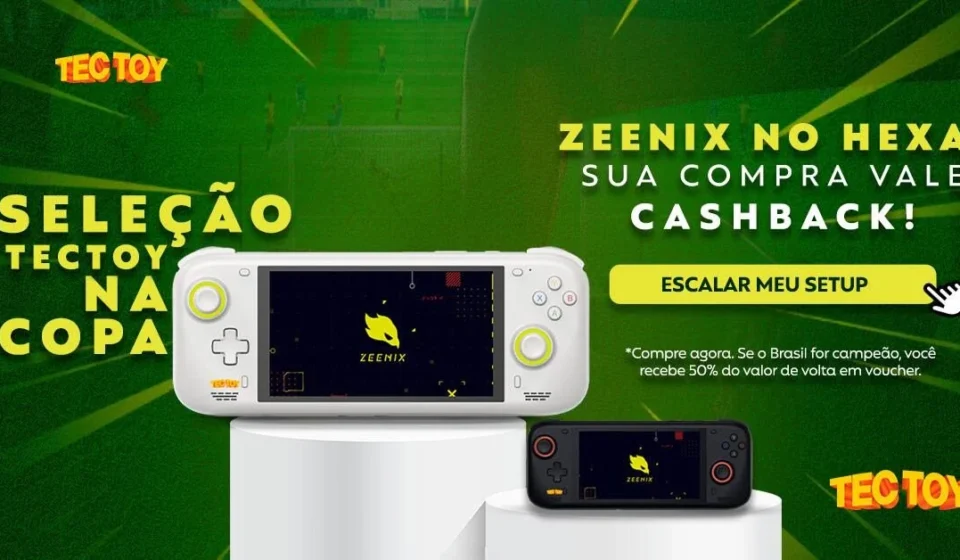
TecToy Launches Zeenix Handheld Gaming PC Promotion Offering Fifty Percent Cashback Contingent on Brazil World Cup Victory

The Brazilian electronics giant TecToy has officially entered the high-stakes arena of sports marketing by tying the commercial success of its new Zeenix handheld gaming PCs to the performance of the Brazilian national football team. Under the terms of a newly announced promotional campaign, consumers who purchase either the Zeenix Lite or the Zeenix Pro models through the company’s official e-commerce platform may be eligible for a voucher worth 50% of the product’s purchase price. This significant financial incentive is strictly contingent upon the Brazilian "Seleção" securing its sixth World Cup title, commonly referred to in Brazil as the "Hexacampeonato." The promotion, which commenced on June 11, is scheduled to remain active until the conclusion of the World Cup’s round of 16 on July 7, creating a strategic window for consumer engagement during the peak of tournament fever.
Technical Specifications and Market Positioning of the Zeenix Line
The Zeenix Pro represents TecToy’s flagship entry into the increasingly competitive portable PC market. Currently retailing at R$ 4,999.99, the device is positioned to compete with established international handhelds such as the Steam Deck and the ASUS ROG Ally. Internally, the Zeenix Pro is powered by the AMD Ryzen 7 6800U processor, a chipset based on the Zen 3+ architecture that remains a formidable performer for mobile gaming. This is complemented by 16 GB of RAM and a 512 GB NVMe SSD, ensuring rapid load times and sufficient bandwidth for modern AAA titles. The device features a 6-inch Full HD (1080p) display with a 60Hz refresh rate, striking a balance between visual fidelity and battery efficiency. Connectivity options are robust, including Wi-Fi 6, Bluetooth 5.2, and a high-speed USB 4.0 port, which allows for external GPU support or high-speed data transfer.
In contrast, the Zeenix Lite serves as the entry-level gateway for consumers looking for portability at a lower price point. Retailing for R$ 2,599.99, the Lite model utilizes the AMD Athlon 3050e processor. This dual-core, four-thread chip is designed for less demanding tasks and indie gaming titles. It comes equipped with 8 GB of RAM and a 256 GB SSD. While it lacks the raw power of the Pro model, the Zeenix Lite is aimed at the retro-gaming community and users who prioritize portability and basic computing tasks over high-end graphical performance. Both models are available for purchase with financing options of up to 12 interest-free installments, a common and necessary retail practice in the Brazilian market to accommodate consumer purchasing power.
Chronology and Strategic Timing of the Campaign
The timing of the TecToy campaign is calculated to leverage the surge in nationalistic sentiment that accompanies the World Cup. By launching on June 11, the company captured the pre-tournament excitement, allowing consumers to secure their devices before the opening matches. The decision to end the promotion on July 7—coinciding with the end of the round of 16—is a classic risk-management strategy in sports marketing. It allows the brand to capitalize on the initial momentum of the tournament while limiting exposure as the competition narrows and the probability of a Brazilian victory becomes more defined.
If the Brazilian team achieves the "Hexa," the financial implications for TecToy are substantial. A consumer who purchased the Zeenix Pro at R$ 4,999.99 would receive a voucher worth approximately R$ 2,500. For the Zeenix Lite, the voucher would amount to R$ 1,300. These vouchers are intended for use within TecToy’s ecosystem, potentially driving further sales of accessories, software, or other hardware, thereby recouping some of the promotional costs through long-term customer retention.
Historical Context: TecToy’s Evolution and the Brazilian Gaming Landscape
To understand the significance of this move, one must look at TecToy’s unique position in the history of Brazilian technology. Founded in 1987, the company became a household name through its long-standing partnership with Sega, which allowed it to dominate the Brazilian console market in the 1990s with the Master System and Mega Drive. Unlike many other regions where Nintendo or Sony eventually took the lead, TecToy’s manufacturing and localization efforts kept Sega hardware relevant in Brazil for decades.
The pivot toward Windows-based handheld gaming PCs represents a major strategic shift for the company. After years of focusing on retro-consoles and electronic toys, TecToy is attempting to reclaim a segment of the "hardcore" gaming market. The Zeenix line is not merely a product launch; it is a statement of intent to compete in the modern era of high-performance mobile computing. By associating this launch with the World Cup, TecToy is attempting to bridge its legacy of "Brazilian-made" gaming pride with modern, high-tech aspirations.
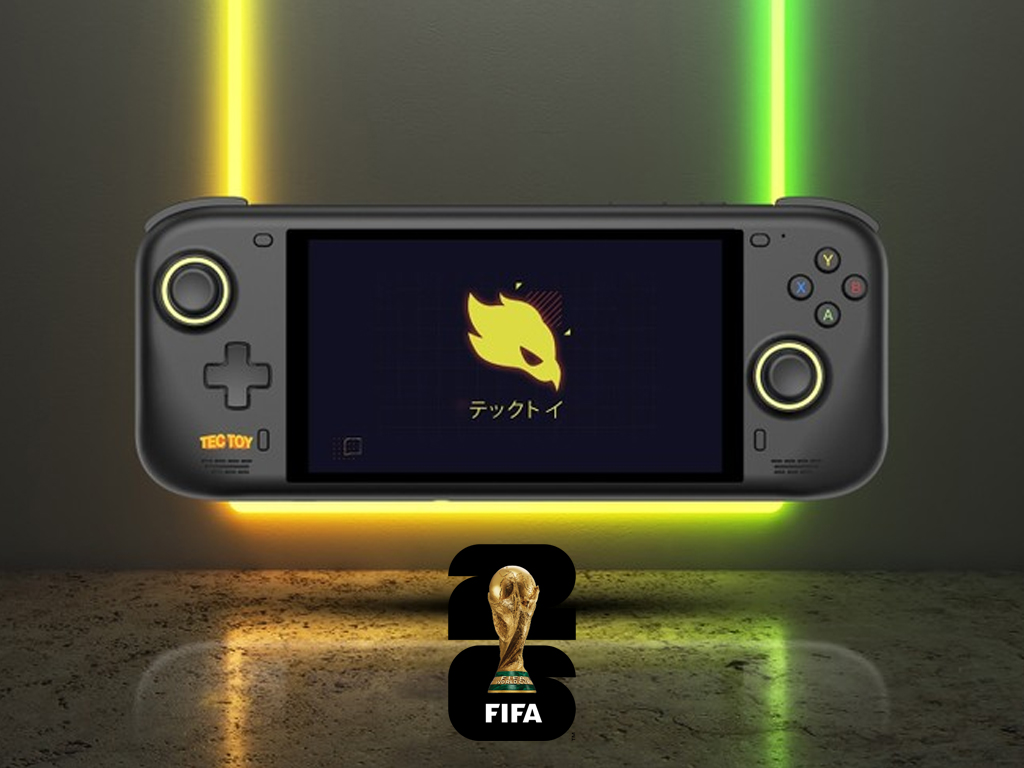
Economic Implications and Risk Management in Sports Promotions
High-value promotions tied to sporting outcomes are a recurring theme in Brazilian retail. Historically, large retailers like Magazine Luiza and Casas Bahia have run similar campaigns, such as offering televisions for a symbolic price of R$ 1 if Brazil won a tournament. These campaigns are rarely simple gambles. Corporations typically utilize "Prize Indemnity Insurance," where the company pays a premium to an insurance firm that covers the cost of the prizes or discounts if the specific sporting event occurs.
For TecToy, the "Hexa" promotion serves as a dual-purpose tool. First, it mitigates the "sticker shock" of the Zeenix Pro’s R$ 5,000 price tag. In a country where the minimum wage is significantly lower than in the US or Europe, such a price point requires creative marketing to drive volume. Second, it generates significant "earned media"—the buzz and news coverage resulting from the audacity of the offer. Even if Brazil does not win the tournament, the brand has successfully positioned the Zeenix line in the public consciousness alongside one of the nation’s most significant cultural events.
Comparative Analysis: Zeenix vs. Global Competitors
The Zeenix Pro enters a market currently defined by the Valve Steam Deck, the Lenovo Legion Go, and the ASUS ROG Ally. While the Ryzen 7 6800U is a powerful chip, it is slightly older than the Ryzen Z1 Extreme found in the ROG Ally. However, TecToy’s advantage lies in local presence. Importing a Steam Deck or ROG Ally to Brazil often involves high tariffs and a lack of local technical support. By offering a locally branded product with a domestic warranty and customer service infrastructure, TecToy addresses two of the biggest pain points for Brazilian tech enthusiasts.
The Zeenix Lite, meanwhile, occupies a niche that few major manufacturers are currently targeting. Most "budget" handhelds from international brands still hover around the $400-$500 USD mark. The Lite model, especially if the 50% voucher is realized, becomes an incredibly accessible entry point into the world of portable PC gaming, potentially appealing to a younger demographic or those primarily interested in the massive library of independent games available on platforms like Steam and Epic Games Store.
Official Responses and Consumer Sentiment
While official statements from TecToy executives emphasize the company’s confidence in the national team, industry analysts view the move as a bold attempt to secure market share in a nascent category. Inferred reactions from the gaming community suggest a mix of excitement and cautious optimism. The prospect of owning a high-end handheld for R$ 2,500 (post-voucher) is viewed as a "best-case scenario" for consumers who have been sidelined by the high costs of imported hardware.
Market observers note that the success of the Zeenix line will depend not just on the outcome of the World Cup, but on the post-launch support TecToy provides. Software optimization, driver updates, and the durability of the hardware will be the long-term metrics of success once the tournament concludes and the marketing dust settles.
Broader Impact on the Brazilian Tech Sector
The launch of the Zeenix line and its accompanying promotion signal a potential resurgence in Brazilian consumer electronics manufacturing. By moving beyond simple assembly and into the distribution of high-performance gaming hardware, TecToy is testing the appetite for domestic tech brands in a market often dominated by Asian and American giants.
Furthermore, the promotion highlights the intersection of sports culture and technology in Brazil. The World Cup is a period of peak consumer spending; by positioning a gaming PC as a "World Cup purchase," TecToy is expanding the category’s reach beyond traditional gamers to general tech consumers who are caught up in the festive atmosphere. Whether or not the "Hexa" is achieved, the campaign has already succeeded in making the Zeenix one of the most talked-about hardware releases in the Brazilian market this year. The strategy underscores a broader trend where localized marketing and high-stakes incentives are becoming essential tools for brands attempting to penetrate high-value, high-competition tech sectors in emerging markets.