Apple Readies for Major Customer Surge as Highly Anticipated Affordable MacBook Looms

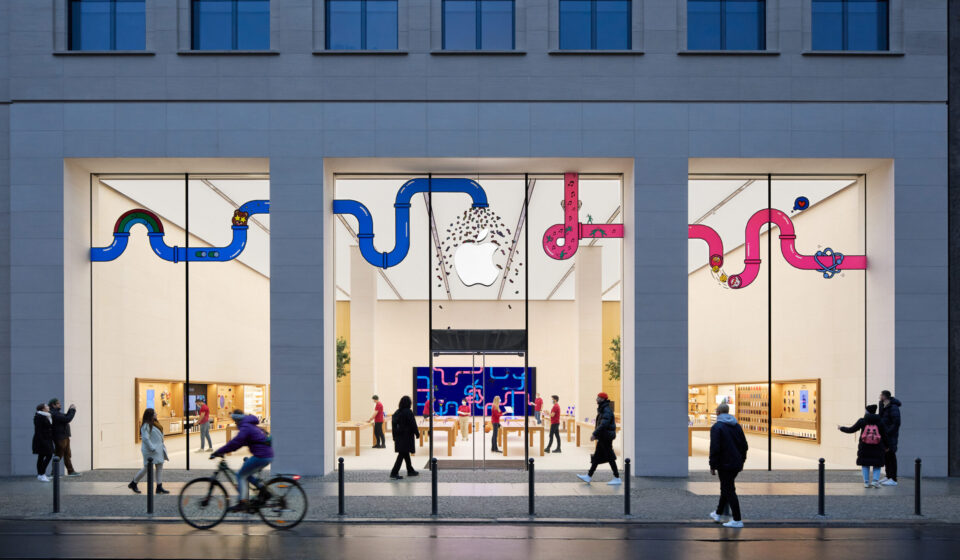
Apple has alerted its retail store employees to brace for a "major rush" of customers this week, a development signaling the impending launch of significant new products, according to a report by Bloomberg’s Mark Gurman. This internal directive suggests an event of considerable magnitude, potentially rivaling the customer engagement seen during previous flagship iPhone introductions. The company itself has amplified anticipation, teasing "a big week ahead" with a series of announcements scheduled to commence on Monday.
The Spark of Anticipation: A "Big Week Ahead"
The internal communications and Apple’s own subtle teasers point towards a carefully orchestrated product unveiling. Gurman, in his widely followed "Power On" newsletter, indicated that some Apple employees perceive the current preparations as being "on par with what happens before the debut of new iPhones in the fall." This comparison is particularly telling, as iPhone launches consistently generate substantial customer interest and logistical challenges for Apple’s retail operations. The implication is clear: at least one of the devices slated for unveiling between Monday and Wednesday is expected to possess "major mainstream appeal," a characteristic that typically translates into significant consumer demand.
The Main Attraction: A Groundbreaking Affordable MacBook
The most significant driver of this anticipated customer influx is widely believed to be the long-rumored lower-cost MacBook. Described internally within Apple as an "incredible value," this new model is strategically positioned to disrupt the personal computing market. Gurman’s reporting suggests Apple’s strategic objective is to "drive a serious number of switchers from Windows machines and Chromebooks." This ambition highlights a concerted effort to capture a broader segment of the market, including price-sensitive consumers and those currently operating within the Windows and Chrome OS ecosystems.
While concrete pricing details remain under wraps, industry estimates place the starting price of this more accessible MacBook in the United States between $599 and $799. This aggressive pricing strategy, if accurate, would represent a significant departure from Apple’s traditional premium positioning for its Mac lineup. Furthermore, the company is expected to continue its educational outreach, with qualifying college students and educators anticipated to receive a $100 discount on the regular price, further enhancing its appeal within academic circles.
Under the Hood: Powering Affordability Without Compromise
Speculation regarding the internal specifications of the affordable MacBook suggests a calculated approach to balancing cost and performance. Rather than utilizing Apple’s proprietary M-series silicon, the device is expected to be powered by the A18 Pro chip, a processor currently found in the iPhone 16 Pro models. This choice of chip, typically optimized for mobile devices, indicates a focus on efficiency and cost-effectiveness, while still delivering robust performance for everyday computing tasks.
The display is rumored to be a slightly smaller 12.9-inch panel, contributing to a potentially more compact and portable design. Based on the known specifications of the A18 Pro chip, the new MacBook is likely to come equipped with 8GB of RAM. In terms of connectivity, the laptop is expected to feature standard USB-C ports, foregoing the higher-speed Thunderbolt ports found on its more premium siblings. This decision further underscores the cost-saving measures employed in its design.
A Splash of Color: Echoes of the iBook Era
Adding a nostalgic and potentially vibrant dimension to the new MacBook, rumors suggest a return to colorful design options, reminiscent of the iconic iBook G3 from the early 2000s. Reports indicate that the affordable MacBook may be available in a range of appealing hues, including yellow, green, blue, and pink. This design choice could resonate with a younger demographic and those seeking a more personalized computing experience, further differentiating it from the typically understated aesthetic of current MacBooks.
Beyond the Affordable MacBook: A Wave of Chip Upgrades
While the affordable MacBook is poised to be the star of the show, the upcoming product refresh is not expected to be a singular event. The broader rollout will likely encompass a series of devices featuring upgraded internal components, with a primary focus on enhanced processing power. Among the potential candidates for updates are:
- iPhone 17e: An iteration of the iPhone lineup, potentially featuring the new A19 chip, offering incremental performance improvements and new features.
- iPad Air: A refreshed iPad Air model is anticipated to incorporate the powerful M4 chip, bringing desktop-class performance to a more portable form factor.
- iPad 12: This model is expected to be powered by the A18 chip, providing a solid performance upgrade for Apple’s entry-level tablet offering.
- MacBook Air: The popular MacBook Air is rumored to receive an upgrade to the M5 chip, building upon its reputation for portability and performance.
- MacBook Pro: High-end MacBook Pro models are also expected to see an adoption of the M5 Pro and M5 Max chips, further pushing the boundaries of performance for professional users.
These proposed upgrades, while significant in their own right, are largely expected to focus on "chip refreshes and little else," according to the reports. This suggests that major design overhauls or entirely new product categories, beyond the affordable MacBook, are less likely in this particular announcement cycle.
Historical Context and Market Implications
Apple’s strategy of introducing a more affordable MacBook is not unprecedented. The company has historically experimented with tiered product offerings to broaden its market reach. The original MacBook Air, introduced in 2008, aimed to provide a highly portable and sleek option, albeit at a premium price point. Later, the MacBook line itself served as a more budget-friendly alternative to the MacBook Pro.
The current move towards an explicitly "lower-cost" MacBook, however, represents a more direct challenge to the dominance of Windows PCs and Chromebooks in specific market segments. The educational sector, in particular, has long been a stronghold for more affordable computing solutions, and an Apple product priced competitively within the $600-$800 range could prove highly attractive to students, parents, and educational institutions.
The success of this strategy will hinge on several factors. Firstly, the perceived value proposition of the affordable MacBook will be crucial. If it offers a compelling balance of performance, build quality, and the user experience Apple is known for, it could indeed lure a significant number of users away from competing platforms. Secondly, Apple’s ability to effectively market this new product and communicate its value to a wider audience will be paramount.
Furthermore, the introduction of an A18 Pro chip in a MacBook could signal a shift in Apple’s silicon strategy. While M-series chips have defined the performance of Macs, leveraging iPhone-derived A-series chips for more budget-conscious models could streamline development and manufacturing processes. This could also lead to greater synergy between Apple’s mobile and desktop product lines, potentially enabling more seamless cross-device experiences.
The "major rush" anticipated by Apple retail employees is not merely a testament to the company’s brand loyalty, but also an indicator of the market’s readiness for a more accessible Mac. The coming week promises to be a pivotal moment, potentially reshaping Apple’s position in the personal computing landscape and offering consumers a more affordable entry point into the macOS ecosystem. The confluence of a strategically priced new product, a series of performance-enhancing chip upgrades, and Apple’s established marketing prowess sets the stage for a significant and closely watched product launch.