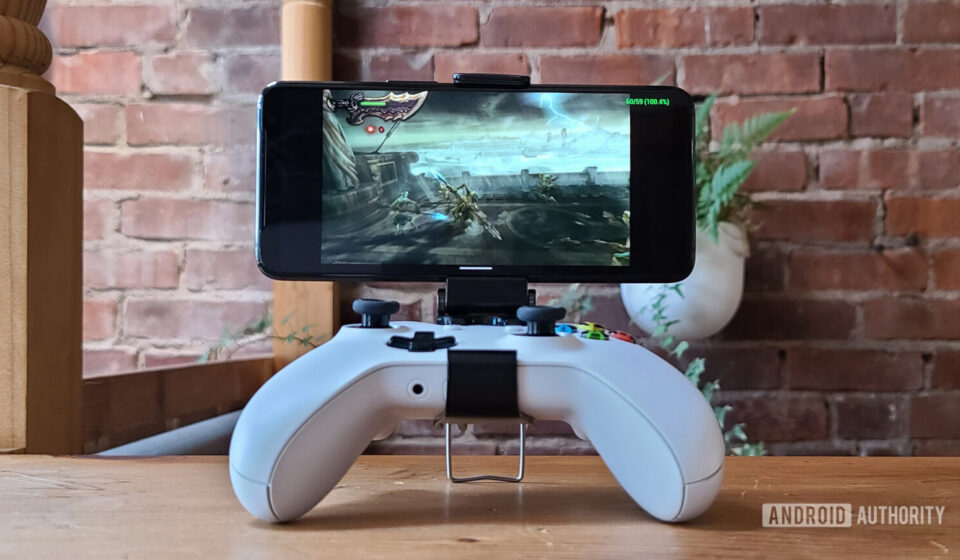
PPSSPP 1.20 Update Significantly Enhances PlayStation Portable Emulation with Advanced Features for Mobile, PC, and Dedicated Handheld Gaming Devices

The landscape of classic game preservation and accessibility has received a notable boost with the release of PPSSPP version 1.20, a substantial update to the preeminent PlayStation Portable (PSP) emulator. This latest iteration, now available across its supported platforms, transcends typical maintenance patches by introducing a suite of quality-of-life enhancements, critical performance optimizations, and novel features designed to significantly improve the experience of running Sony’s iconic handheld games on contemporary hardware, including smartphones, personal computers, and a burgeoning array of dedicated handheld gaming devices. For the vast global community of retro gaming enthusiasts and dedicated PPSSPP users, this update addresses long-standing requests and delivers genuinely useful functionalities, solidifying the emulator’s position at the forefront of the emulation scene.
The Enduring Legacy of the PlayStation Portable and the Rise of Emulation
To fully appreciate the impact of PPSSPP 1.20, it is essential to contextualize the Sony PlayStation Portable (PSP) and the broader role of emulation. Launched in Japan in December 2004 and globally in 2005, the PSP was a revolutionary device that brought console-quality gaming into a portable form factor. With its powerful hardware for the time, a vibrant widescreen display, and innovative UMD (Universal Media Disc) format, it quickly captured the imagination of gamers worldwide. Titles like God of War: Chains of Olympus, Monster Hunter Freedom Unite, Crisis Core: Final Fantasy VII, and Grand Theft Auto: Liberty City Stories showcased the device’s capabilities, selling millions of units and establishing the PSP as a formidable competitor in the handheld market. Over its lifespan, which officially concluded with the discontinuation of the PSP Go in 2013 and the end of UMD production, the PSP sold over 80 million units, leaving behind an indelible mark on gaming history and a rich library of over 1,300 titles.
However, as technology advanced, the original PSP hardware became increasingly obsolete. Screens faded, batteries degraded, and the UMD format, while innovative, proved proprietary and fragile. This natural progression led to a demand for ways to preserve and experience these classic games on modern platforms. Enter emulation: the process by which one computer system mimics the functions of another. Emulators like PPSSPP emerged as vital tools for digital preservation, allowing generations of gamers to revisit or discover the PSP’s catalog without needing the original hardware. They not only replicate the original experience but often enhance it, offering higher resolutions, custom shaders, save states, and controller support that far exceed the original system’s capabilities. PPSSPP, specifically, has been the leading open-source emulator for the PSP for well over a decade, developed by Henrik Rydgård and a dedicated community, consistently pushing the boundaries of what is possible in handheld emulation across Android, Windows, Linux, macOS, and iOS platforms.
A Chronology of Innovation: PPSSPP’s Journey to Version 1.20
The development of PPSSPP has been a continuous saga of incremental improvements, technical breakthroughs, and community collaboration. Its journey began in late 2012, with initial releases quickly gaining traction due to their ability to run a surprising number of PSP titles at playable speeds, even on relatively modest hardware. Early versions focused on core rendering accuracy, CPU emulation, and input handling. Over the years, significant milestones included:
- Early Android Support: Rapid integration with Android devices proved crucial, tapping into the burgeoning smartphone market and making PSP emulation truly portable beyond the original hardware.
- Performance Optimizations: Continuous work on JIT (Just-In-Time) compilers for various architectures (ARM, x86) led to dramatic speed improvements, allowing more demanding games to run smoothly.
- Rendering Enhancements: Introduction of features like resolution scaling, anisotropic filtering, texture scaling, and post-processing shaders transformed the visual fidelity of games, often making them look better than their original console counterparts.
- Network Play: The implementation of ad-hoc multiplayer emulation, albeit often complex to set up, opened up the possibility of playing classic PSP multiplayer titles online.
- Compatibility Expansions: Relentless bug fixing and hardware-specific optimizations ensured that an ever-growing percentage of the PSP library became fully playable.
Each major version release typically brought a combination of bug fixes, performance gains, and new features. Version 1.20 follows this tradition, but with a particular emphasis on user experience and connectivity, reflecting the evolving ways people interact with emulators on diverse hardware. The developers’ commitment to refining the software, often through the contributions of a global community of testers and coders, has been the bedrock of PPSSPP’s longevity and success.
Diving Deep into PPSSPP 1.20: Key Enhancements and Their Implications
The PPSSPP 1.20 update introduces several compelling features that cater to a wide range of user needs and preferences, enhancing both usability and technical performance.
-
Full-Fledged Portrait Mode Support:
One of the most significant and immediately noticeable improvements in PPSSPP 1.20 is the complete overhaul of its portrait mode functionality. Previously, the emulator was predominantly optimized for landscape orientation, reflecting the original PSP’s design. While games could run in portrait mode, the interface and on-screen controls often felt awkward, unoptimized, or even unusable, forcing users into a landscape-only experience. This limitation was particularly cumbersome for mobile users who frequently switch orientations or prefer vertical screen usage for certain types of games (e.g., visual novels, vertical shmups, or turn-based RPGs where screen width is less critical than height).With version 1.20, the emulator now intelligently adjusts its interface and control overlays when the device orientation changes. This dynamic adaptation means menus are properly scaled, on-screen buttons rearrange themselves logically, and the overall user experience feels native to the vertical orientation. Crucially, users can now configure distinct touch control layouts for both portrait and landscape modes. This level of customization allows for a tailored gaming experience, where button placements and sizes can be optimized for comfort and accessibility regardless of how the device is held. For gamers who use their smartphones as their primary emulation device, this feature dramatically improves ergonomics and expands the range of comfortable play scenarios.
-
Streamlined File Management via HTTP Upload:
Another invaluable addition for convenience and ease of use is the ability to upload files over HTTP from devices on the same local network. Historically, transferring game ROMs (ISO/CSO files), save states, textures, or custom configurations to PPSSPP on a mobile device involved physically connecting the device to a PC via a USB cable, navigating file explorers, and manually copying files. This process, while functional, could be cumbersome and time-consuming, especially for frequent transfers or for users without immediate access to a desktop computer.PPSSPP 1.20 introduces a sophisticated yet user-friendly solution. By leveraging Wi-Fi, users can now initiate file transfers directly to the emulator from any device connected to the same local network (e.g., a laptop, another smartphone, or a network-attached storage device). This eliminates the need for physical cables, simplifying the management of game libraries and other associated data. The process typically involves activating an HTTP server within PPSSPP and accessing a specific IP address in a web browser on the source device. While the official announcement highlights its utility, security considerations dictate that this feature is designed for local network use, minimizing potential external vulnerabilities. This feature significantly enhances the "plug-and-play" aspect of emulation, making it more accessible and less of a chore.
-
Robust Multiplayer with Server-Provided Packet-Relay System:
Multiplayer functionality on emulators, especially for games originally designed for ad-hoc local wireless connections, has always presented a technical hurdle. Emulating the PSP’s ad-hoc mode typically relies on direct peer-to-peer connections between players, which can be unstable, prone to firewall issues, and susceptible to varying network conditions. PPSSPP 1.20 addresses these challenges by introducing a server-provided packet-relay system for ad-hoc multiplayer sessions.Instead of direct connections, network traffic between players is now routed through a dedicated relay server. This intermediary server acts as a central hub, forwarding data packets between participants. The primary benefit of this system is a substantial improvement in connection reliability and stability. By abstracting away the complexities of direct peer-to-peer networking (like NAT traversal and direct IP exposure), the relay server ensures a smoother and more consistent multiplayer experience, even when players are geographically dispersed or behind restrictive network configurations. This technical boost is particularly welcome for fans of multiplayer PSP games like Monster Hunter Freedom Unite, Phantasy Star Portable, or Tekken 6, which thrive on stable connections for competitive or cooperative play. The official announcement notes this as a key improvement, promising a more robust online experience for the emulation community.
-
Flexible Save State Management:
Save states are a cornerstone feature of emulation, allowing users to instantly save and load game progress at any point, bypassing in-game save points. While PPSSPP has always supported save states, version 1.20 introduces greater flexibility by allowing users to configure the number of available save state slots. Previously, the number of slots might have been fixed or limited, which could be restrictive for power users, speedrunners, or those exploring multiple branching paths in RPGs.The new update supports up to 30 save state slots. This expanded capacity provides unparalleled control over game progression, enabling players to experiment with different strategies, re-attempt challenging sections without losing significant progress, or meticulously document various playthroughs. For games with complex decision trees or challenging boss fights, having numerous save slots can drastically improve the player’s experience by reducing frustration and encouraging exploration. This seemingly small feature represents a significant quality-of-life improvement for dedicated users, offering a level of control that often surpasses the original hardware’s capabilities.
-
General Performance Tweaks and Quality-of-Life Improvements:
Beyond these headline features, PPSSPP 1.20 includes a myriad of under-the-hood optimizations, bug fixes, and minor interface refinements. These general improvements contribute to a smoother, more stable, and more enjoyable emulation experience overall. Such tweaks often involve enhancing rendering accuracy for specific games, optimizing shader compilation, resolving input latency issues, and patching various minor glitches reported by the community. While not as flashy as new features, these iterative improvements are crucial for maintaining PPSSPP’s reputation for compatibility and performance. The full changelog, available on the official PPSSPP website, details hundreds of these smaller but collectively impactful changes, underscoring the continuous development effort.
Broader Implications and the Future of Handheld Emulation
The release of PPSSPP 1.20 is not just a technical update; it carries broader implications for the emulation community, mobile gaming, and the preservation of digital history.
- Enhancing the Mobile Gaming Experience: With the increasing power of modern smartphones and the rise of dedicated Android-based gaming handhelds (like those from Ayaneo, Retroid Pocket, or even the Steam Deck which can run Android via dual-boot or Windows), robust emulation is becoming a critical value proposition. PPSSPP 1.20’s enhanced portrait mode, easier file transfers, and improved multiplayer stability directly cater to these devices, making them even more attractive platforms for retro gaming. The ability to seamlessly switch between orientations, quickly load new games, and engage in stable online play positions these devices as true successors to classic handhelds.
- Strengthening Game Preservation Efforts: Every update to a major emulator like PPSSPP reinforces the ongoing effort to preserve gaming history. By making PSP games more accessible, more stable, and more visually appealing on modern hardware, the emulator ensures that these titles remain playable for future generations, preventing them from being lost to outdated technology. This aligns with broader digital preservation initiatives within the gaming industry and academic circles.
- Community Engagement and Open-Source Development: The continuous development of PPSSPP is a testament to the power of open-source projects and community contributions. Henrik Rydgård’s leadership, combined with the feedback, testing, and even code contributions from a global community, drives these updates. The release of 1.20 serves as a reminder of the vibrant and dedicated community that sustains such projects, ensuring their longevity and relevance.
- Setting New Standards for Emulation: As a leading emulator, PPSSPP’s innovations often set benchmarks for other emulation projects. The refined approach to portrait mode, the network file transfer utility, and the robust multiplayer relay system are features that could inspire similar implementations in other emulators, further elevating the overall quality and user-friendliness of the emulation ecosystem.
Conclusion
PPSSPP 1.20 represents a significant evolutionary step for the leading PlayStation Portable emulator. By focusing on critical user-centric features such as comprehensive portrait mode support, convenient HTTP file uploads, a more reliable multiplayer relay system, and flexible save state management, the update not only refines the existing experience but also opens new avenues for enjoying classic PSP titles. These enhancements cater directly to the diverse needs of a global user base, from casual mobile gamers to dedicated retro enthusiasts and those utilizing advanced handheld gaming devices. The update underscores the ongoing commitment of its developers and the vibrant open-source community to preserving and enhancing the rich legacy of the PlayStation Portable, ensuring that its celebrated game library remains accessible, enjoyable, and relevant in the ever-evolving landscape of digital entertainment. As PPSSPP continues to evolve, it reinforces its crucial role as a bridge between gaming’s past and its future, delivering an unparalleled experience for one of history’s most beloved handheld consoles.