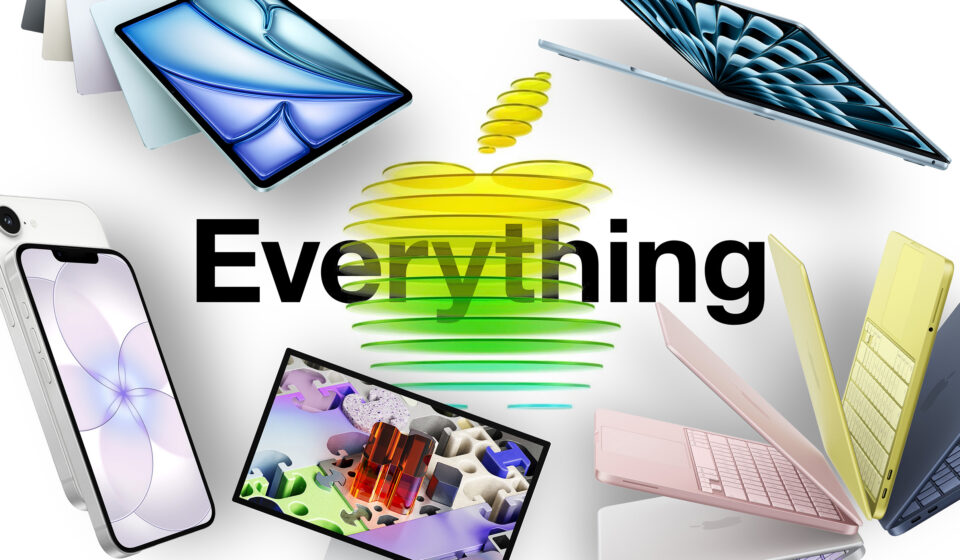
Apple Unveils Staggering Seven New Products in Unprecedented Three-Day Launch Event, Redefining Entry-Level and Pro Markets

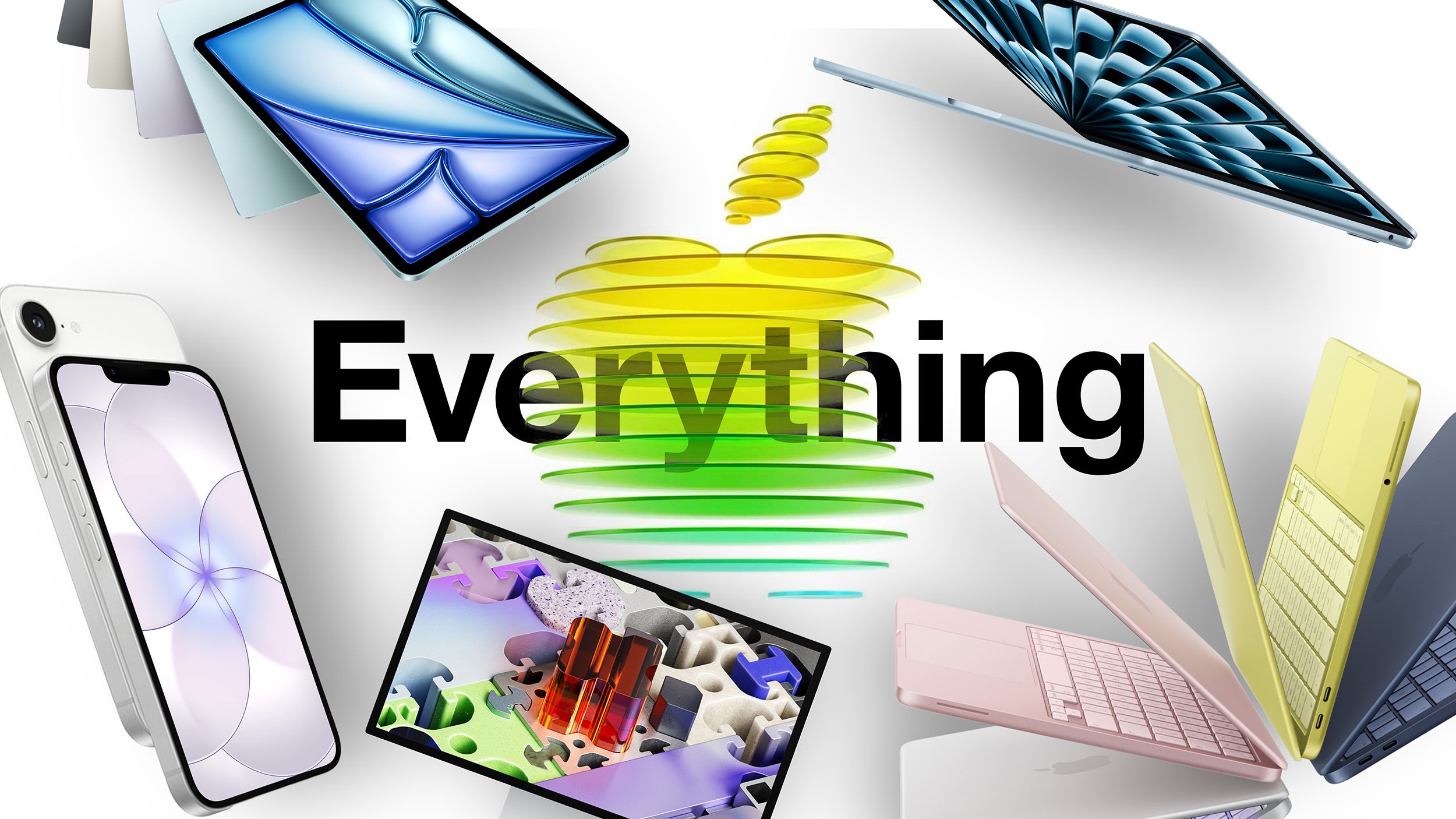
Apple initiated an extraordinary product blitz this week, unveiling a remarkable seven new devices across Monday, Tuesday, and Wednesday, signaling a significant strategic push into both the affordable consumer segment and the high-performance professional arena. The cascade of announcements included the highly anticipated, budget-friendly "MacBook Neo," alongside updated iterations of the ubiquitous iPhone, iPad Air, MacBook Air, and MacBook Pro lines, complemented by refreshed Studio Display models and a new suite of accessories. This concentrated release period, unprecedented in its scope, suggests a deliberate effort by the Cupertino-based technology giant to capture broader market share and solidify its ecosystem dominance ahead of the crucial second quarter.
The week’s product onslaught began with a flurry of activity, culminating in a comprehensive overview of Apple’s latest offerings. Pre-orders for all newly announced products are now officially live, with the official launch and availability scheduled for Wednesday, March 11, 2026. This aggressive rollout strategy has already generated considerable buzz, with Apple CEO Tim Cook himself acknowledging the momentous occasion via a social media wrap-up post, underscoring the company’s confidence in the diverse appeal of its new hardware.
The Dawn of the MacBook Neo: Democratizing Mac Computing
A cornerstone of this week’s announcements is the introduction of the "MacBook Neo," a new, more accessible Mac designed to bring the Apple computing experience to a wider audience. Priced at a competitive $599, the MacBook Neo represents Apple’s most significant move to date in the budget-friendly laptop market. This new model is powered by the A18 Pro chip, a processor that originally debuted in the high-end iPhone 16 Pro models in 2024. Apple asserts that this chip delivers performance gains of up to 50% for everyday tasks compared to leading PC laptops equipped with the latest Intel Core Ultra 5 processors. Furthermore, for on-device artificial intelligence workloads, the MacBook Neo is reported to be up to three times faster.
The strategic decision to leverage an iPhone chip in a Mac product is a bold one, demonstrating Apple’s confidence in its silicon design prowess and its ability to optimize these chips for a broader range of computing tasks. This move not only aims to reduce manufacturing costs but also allows Apple to offer a compelling performance proposition at a significantly lower price point. The MacBook Neo is positioned to compete directly with established budget laptop brands, potentially attracting students, educators, and consumers seeking a reliable and integrated computing experience without the premium cost typically associated with Apple products. The introduction of the MacBook Neo, first hinted at through a regulatory filing that inadvertently revealed the "MacBook Neo" designation (Model A3404), signifies a strategic expansion of Apple’s laptop portfolio, addressing a long-standing market segment that has historically been dominated by Windows-based machines.
iPhone 17e: Enhanced Features at an Accessible Price
Complementing the new MacBook Neo, Apple also refreshed its popular iPhone lineup with the introduction of the iPhone 17e. This new model retains the design language of its predecessor, the iPhone 16e, but introduces several key upgrades. Central to these improvements is the integration of Apple’s A19 chip, promising enhanced performance and efficiency. The device also features MagSafe technology, enabling convenient magnetic wireless charging and compatibility with a growing ecosystem of MagSafe accessories. Furthermore, the iPhone 17e is equipped with Apple’s second-generation C1X modem, facilitating faster and more reliable 5G connectivity. A significant upgrade for consumers is the doubling of the base storage to 256GB, addressing a common consumer pain point. In the United States, the iPhone 17e will be available starting at $599, mirroring the introductory price of the iPhone 16e, thus offering more value at the same entry-level price point. This strategic pricing and feature set reinforce Apple’s commitment to offering compelling iPhone options across different budget levels, aiming to capture a larger share of the mid-range smartphone market.
iPad Air: Power and Portability Refined
The iPad Air family also received a significant update, with Apple announcing new models that blend enhanced performance with the portability that has made the line so popular. While specific details on the processor upgrades and new features for the iPad Air were not fully elaborated in the initial broad announcement, the refresh indicates Apple’s continued dedication to its tablet lineup. Historically, iPad Air updates have focused on delivering performance improvements through Apple’s latest silicon, alongside refinements to display technology and connectivity. This latest iteration is expected to offer a more powerful computing experience for productivity, creativity, and entertainment, further blurring the lines between tablet and laptop functionality.
Studio Display and MacBook Lineup Updates: Catering to Professionals and Power Users
Beyond the more accessible offerings, Apple also unveiled significant updates to its professional-grade hardware. The Studio Display has been refreshed, suggesting improvements in display technology, color accuracy, and potentially new features aimed at creative professionals. These updates are crucial for maintaining Apple’s strong position in the high-end monitor market, where image quality and color fidelity are paramount.
Simultaneously, the MacBook Air and MacBook Pro lines have received their anticipated updates. While the specifics are still being detailed, these refreshes are expected to incorporate Apple’s latest M-series chips, offering substantial leaps in processing power, graphics performance, and energy efficiency. The MacBook Air typically sees refinements that enhance its appeal as a premium ultraportable, while the MacBook Pro line continues to cater to demanding workflows, offering greater power and advanced features for content creators, developers, and other professionals. These updates ensure that Apple’s laptop offerings remain at the forefront of performance and innovation in the premium laptop segment.
Accessories and Broader Ecosystem Integration
The product announcements were not limited to core computing devices. Apple also introduced a new range of accessories, hinting at further integration within its expansive ecosystem. While details were scarce in the initial overview, this often includes new charging solutions, protective cases, and input devices designed to complement the newly launched hardware. The continuous expansion of its accessory line underscores Apple’s strategy of creating a seamless and interconnected user experience across all its products.
Chronology of an Unprecedented Launch Week
The week’s product releases unfolded with remarkable pacing, demonstrating a coordinated effort to maximize market impact.
- Monday, March 2: Apple initiated its product unveilings, with initial reports and leaks surrounding the "MacBook Neo" beginning to surface. This day likely saw the first wave of official product announcements, possibly including the iPhone 17e and potentially the first of the MacBook updates.
- Tuesday, March 3: The second day of announcements continued the momentum. The "MacBook Neo" received its official reveal, accompanied by details of its pricing and the innovative use of the A18 Pro chip. Further updates to the iPad Air and potentially the Studio Display were likely shared on this day.
- Wednesday, March 4: The week’s product deluge culminated with the final set of announcements, likely encompassing the refreshed MacBook Air and MacBook Pro models, along with the new suite of accessories. This day also saw the official confirmation that pre-orders for all seven new products were open.
This structured release schedule allowed Apple to build anticipation and maintain a consistent news cycle throughout the week, ensuring that each announcement received significant media attention.
Expert and Market Reactions (Inferred)
While official statements from industry analysts and competitors are still emerging, the market’s initial reaction to this aggressive product strategy is likely to be a mix of admiration and apprehension. Competitors in the budget laptop and mid-range smartphone segments will undoubtedly be scrutinizing the pricing and performance benchmarks of the MacBook Neo and iPhone 17e. Analysts are likely to point to Apple’s ambition to capture a larger share of the PC market, particularly among price-sensitive consumers and educational institutions.
The simultaneous refresh of the professional MacBook Pro and Air lines signals Apple’s intent to maintain its leadership in the premium laptop space, catering to both established professionals and those seeking the latest in performance and efficiency. The success of this strategy will hinge on the real-world performance and user reception of these diverse product lines.
Broader Implications for the Tech Landscape
Apple’s concentrated product launch event carries significant implications for the broader technology landscape. The introduction of the $599 MacBook Neo, powered by an iPhone chip, directly challenges the traditional PC market, potentially forcing competitors to reassess their pricing and product strategies. This move democratizes access to the Apple ecosystem, a key strategy for fostering long-term customer loyalty.
Furthermore, the breadth of the announcements – from entry-level devices to professional workstations and displays – demonstrates Apple’s comprehensive approach to hardware development. This integrated strategy, where advancements in one product category can benefit others (such as the sharing of silicon technology), allows Apple to maintain a competitive edge across multiple market segments.
The timing of these launches, preceding key retail periods and potentially ahead of major industry events, suggests a strategic play to set market trends and capture early consumer interest. As users and businesses evaluate these new offerings, the coming months will reveal the full impact of Apple’s most ambitious product rollout to date. The company’s commitment to innovation, coupled with its strategic expansion into new market segments, positions it for continued growth and influence in the global technology arena. The comprehensive coverage of these new products will continue, with in-depth reviews and analyses expected to follow the official launch on March 11th.