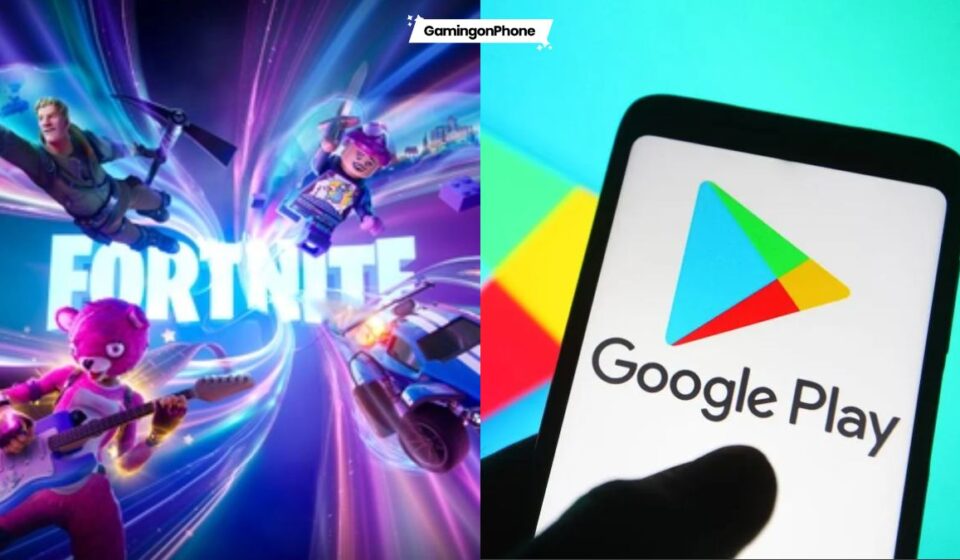
Fortnite set to return to Google Play worldwide as Epic and Google settle dispute

After years of intense legal battles and a seismic shift in the digital distribution landscape, Epic Games and Google have reached a comprehensive settlement that paves the way for the global return of the popular battle royale game, Fortnite, to the Google Play Store. The highly anticipated re-listing is expected to occur sometime in 2026, marking a pivotal moment in the ongoing discourse surrounding app store policies, developer freedoms, and consumer choice. The resolution not only signals the end of a protracted legal saga but also ushers in significant platform changes from Google, promising greater flexibility for developers and users within the Android ecosystem.
The announcement, initially confirmed by Epic Games CEO Tim Sweeney via a social media post on March 4, 2026, expressed gratitude to Google and affirmed that Fortnite will once again be directly accessible through the Google Play Store. Crucially, Epic Games simultaneously reaffirmed its commitment to supporting the Epic Games Store on Android, providing players with multiple avenues to download and engage with the game. This dual distribution strategy underscores a new era of developer autonomy, a core tenet that fueled Epic’s legal challenge against the dominant app store platforms.
The Genesis of a Digital Confrontation: August 2020
The roots of the dispute trace back to August 2020, when Epic Games introduced its own direct payment system within Fortnite on mobile platforms. This move was a deliberate challenge to the standard app store fees, which typically range from 15% to 30% of in-app purchases. Epic argued that these commissions were exorbitant and constituted an anti-competitive practice by platform holders like Google and Apple, who control the primary distribution channels for mobile applications. By bypassing these fees, Epic aimed to offer players lower prices on V-bucks, the in-game currency, and demonstrate a more equitable revenue share model for developers.
The reaction from both Google and Apple was swift and decisive. Within hours of Epic’s implementation of the direct payment system, Fortnite was summarily removed from both the Google Play Store and Apple’s App Store. This action effectively blocked millions of mobile players from accessing the game through official channels, igniting a fierce legal and public relations battle that captivated the technology and gaming industries. Epic Games wasted no time in filing antitrust lawsuits against both tech giants, accusing them of maintaining illegal monopolies over app distribution and payment processing on their respective mobile operating systems. The core of Epic’s argument centered on the alleged "walled garden" approach, where platform owners dictate terms that stifle competition and innovation.
A Chronology of Legal Engagements and Shifting Tides
The ensuing years saw a complex web of legal proceedings unfold across multiple jurisdictions. The legal battle with Apple, Epic Games v. Apple, largely played out in U.S. federal courts, resulting in a mixed verdict in 2021. While the court largely sided with Apple on antitrust claims, it did rule that Apple could not prevent developers from linking to external payment options. This decision, though not a complete victory for Epic, chipped away at the exclusivity of in-app purchase systems.
The parallel lawsuit against Google, Epic Games v. Google, focused on the Android ecosystem, which, unlike iOS, traditionally offered more flexibility for side-loading applications and alternative app stores. However, Epic contended that Google’s policies and agreements with device manufacturers still created an anti-competitive environment that favored the Google Play Store and its billing system. This case reached a significant turning point in December 2023, when a U.S. jury found that Google had indeed abused its market power with its app store. This landmark verdict delivered a substantial blow to Google’s app store model and underscored growing regulatory scrutiny worldwide regarding the power of dominant tech platforms.
Following this pivotal jury verdict, discussions between Epic Games and Google intensified, ultimately leading to the comprehensive settlement. A precursor to this global agreement was seen in December 2025, when Fortnite finally made its return to the Google Play Store, albeit initially limited to the United States after a five-year absence. This phased reintroduction likely served as a testing ground for the new operational frameworks and commercial agreements that would eventually facilitate the worldwide comeback. The subsequent announcement in March 2026 confirms the global rollout for Fortnite on Android, solidifying the terms of the broader settlement.
The Settlement’s Terms and Google’s Platform Overhaul
The agreement between Epic Games and Google extends beyond merely reinstating Fortnite. It encompasses significant platform changes that Google is implementing, ostensibly to foster a more open and competitive environment on Android. These changes reflect not only the outcome of the legal battles but also the broader global regulatory pressure aimed at curtailing the dominance of major tech platforms.
One of the most notable platform enhancements is the introduction of a new registered app store program. This initiative aims to simplify the process of installing third-party app stores on Android devices, making the setup smoother and more user-friendly. Historically, while Android technically allowed side-loading apps and alternative stores, the process often involved navigating security warnings and complex settings, which could deter average users. By streamlining this, Google is making a tangible move towards genuine openness, potentially enabling greater competition in app distribution. This change is particularly beneficial for Epic Games, as it makes the Epic Games Store a more viable and accessible alternative for Android users globally, thereby strengthening Epic’s multi-platform strategy.
Furthermore, Google is introducing a new business model for Google Play, which addresses a core grievance of developers: billing systems and service fees. Under the updated policy, developers will be allowed to use their own billing systems alongside Google Play Billing. This flexibility is a significant concession, as it grants developers more control over their transaction processes and potentially allows them to offer lower prices or retain a larger share of revenue. Complementing this, Google has also committed to lowering service fees for developers who opt to use alternative billing systems. While specific percentages have yet to be fully detailed, this move is expected to create a more competitive fee structure, potentially forcing other app stores to re-evaluate their own commission rates.
Strategic Motivations and Supporting Data
The settlement represents a strategic pivot for both companies, driven by a confluence of legal pressures, market dynamics, and a desire to move beyond costly litigation.
For Epic Games, the return of Fortnite to Google Play worldwide is a clear victory in terms of user reach and accessibility. Despite Epic’s efforts to promote side-loading and its own store, the Google Play Store remains the primary gateway for millions of Android users to discover and download apps. According to various market analyses, Google Play commanded over 70% of the global app download market on Android in recent years, making it an indispensable channel for maximizing user acquisition. Rejoining the Play Store simplifies the user journey significantly, potentially leading to a substantial increase in Fortnite‘s active player base and, consequently, its in-game revenue. While Epic championed the fight for open platforms, the practical reality is that frictionless access through established storefronts is crucial for mass market penetration. The continued support for the Epic Games Store on Android, now with easier installation thanks to Google’s platform changes, allows Epic to maintain its vision for a more open ecosystem while simultaneously leveraging the dominant distribution channel.
For Google, settling with Epic Games allows the company to mitigate ongoing legal risks and reputational damage. The jury verdict in Epic Games v. Google was a significant legal setback, exposing Google to potential remedies that could have been far more disruptive than the negotiated settlement. By proactively implementing platform changes and settling with a high-profile litigant like Epic, Google can demonstrate a commitment to openness and developer choice, potentially pre-empting further antitrust investigations or stricter legislative mandates, such as those emerging from the European Union’s Digital Markets Act (DMA). The DMA, which came into full effect in March 2024, explicitly requires "gatekeepers" like Google to allow alternative app stores and third-party payment systems, making Google’s current concessions appear strategically aligned with a global regulatory trend rather than solely a response to a single lawsuit. Furthermore, avoiding prolonged legal battles frees up considerable financial and human resources that can be redirected towards product development and innovation.
The financial implications are also considerable. App store commissions, typically 15-30%, represent billions of dollars in revenue for platform holders annually. While Google is now offering alternative billing and lower fees, it aims to retain a significant portion of the ecosystem’s value while addressing anti-competitive concerns. The mobile gaming market, valued at over $90 billion annually, represents a substantial portion of this revenue, making the terms of distribution agreements critical for all parties involved.
Reactions from Stakeholders
The news of the settlement and Google’s platform changes has been met with a mix of optimism and cautious anticipation across the industry.
Tim Sweeney, CEO of Epic Games, has consistently been a vocal advocate for open platforms and fair competition. His public statement reflected a sense of achievement, acknowledging the progress made towards creating a more equitable digital ecosystem. "Fortnite will return to Google Play Store worldwide soon. Epic Games Store continues supporting Android worldwide alongside Windows and Mac, and installation on Android will become much easier later in 2026," Sweeney tweeted, emphasizing the dual benefit of renewed Play Store access and improved viability for Epic’s own store. This stance aligns with Epic’s long-term vision of challenging the "digital monopolies" of platform holders.
A spokesperson for Google (inferred, as no direct quote was provided in the original text) would likely reiterate the company’s commitment to fostering a vibrant and innovative Android ecosystem. They would emphasize that Android has always been designed with flexibility and openness at its core, and that these latest updates are a natural evolution aimed at expanding how developers distribute apps and games across billions of devices. Such a statement would likely highlight the benefits for both developers – through increased choice in billing and distribution – and users – through greater access to content and potentially more competitive pricing.
Industry analysts have largely viewed the settlement as a significant development, signaling a broader shift in the dynamics of the mobile app market. "This settlement is a watershed moment," commented Sarah Chen, a senior analyst at Tech Insights Group. "It validates Epic’s long-standing arguments about market dominance and forces Google to make tangible changes that will reverberate across the entire industry. We’re seeing the ‘walled garden’ model slowly but surely erode, driven by both legal pressure and regulatory intervention." Other analysts point to the potential for increased competition among app stores, which could lead to innovation in features, developer tools, and pricing models.
The developer community has largely welcomed the news, seeing it as a step towards greater control and potentially higher revenue retention. Independent developers, in particular, have often felt constrained by the high fees and stringent policies of major app stores. The option to use alternative billing systems and the prospect of lower service fees could significantly impact their profitability and enable them to invest more in game development and marketing.
Consumer advocates have also expressed cautious optimism. Easier access to games like Fortnite and the potential for more competitive pricing due to alternative billing systems are seen as clear benefits for users. Furthermore, a more open app ecosystem could lead to greater innovation and a wider variety of applications, as developers are empowered with more choices.
Broader Implications for the Digital Ecosystem
The settlement between Epic Games and Google carries profound implications for the future of the digital ecosystem, extending far beyond mobile gaming. It represents a significant crack in the "walled garden" model that has characterized app distribution for over a decade.
Challenging Platform Monopolies: The outcome reinforces the notion that platform holders, even those with dominant market positions, are not immune to antitrust scrutiny and legal challenges. It sets a precedent that could empower other developers to demand fairer terms and challenge restrictive policies. This is particularly relevant in the context of growing global concerns about the power of Big Tech.
Increased Competition and Innovation: By making it easier to install third-party app stores and allowing alternative billing systems, Google is fostering a more competitive environment. This competition could spur innovation not only in the apps themselves but also in the services and features offered by different app stores. Developers might choose stores based on better tools, analytics, marketing support, or more favorable fee structures.
Empowering Developers: The ability to choose billing systems and potentially benefit from lower fees provides developers with greater autonomy and financial flexibility. This could lead to more sustainable business models for smaller studios and incentivize investment in new and diverse applications. It shifts some power back from the platforms to the creators.
Consumer Choice and Experience: For consumers, the changes mean more options. They can choose where to download their apps, potentially benefiting from different payment options, exclusive content, or loyalty programs offered by various stores. The smoother installation process for third-party stores removes a significant barrier to entry for alternative platforms, making the Android ecosystem genuinely more open.
Regulatory Precedent: The settlement is a tangible example of how legal action and regulatory pressure can force significant changes in the digital market. It aligns with the spirit of legislation like the EU’s Digital Markets Act and similar antitrust efforts in the U.S. and other countries, providing a real-world case study for future policy decisions aimed at promoting fair competition in digital markets.
In conclusion, the resolution of the Epic Games and Google dispute, culminating in Fortnite‘s global return to Google Play and substantial platform changes, signifies a landmark moment in the evolution of the mobile app ecosystem. It underscores the increasing demand for open platforms, developer autonomy, and consumer choice. As Fortnite prepares for its worldwide relaunch on Android in 2026, the industry will be closely watching how these changes reshape market dynamics, foster innovation, and redefine the relationship between platform holders, developers, and users in the years to come. This settlement is not merely the end of a legal battle; it is the beginning of a new chapter for digital distribution.