
Apple’s Unexpected Mac Mini and Studio Demand Fueled by Enterprise AI Hardware Appetite

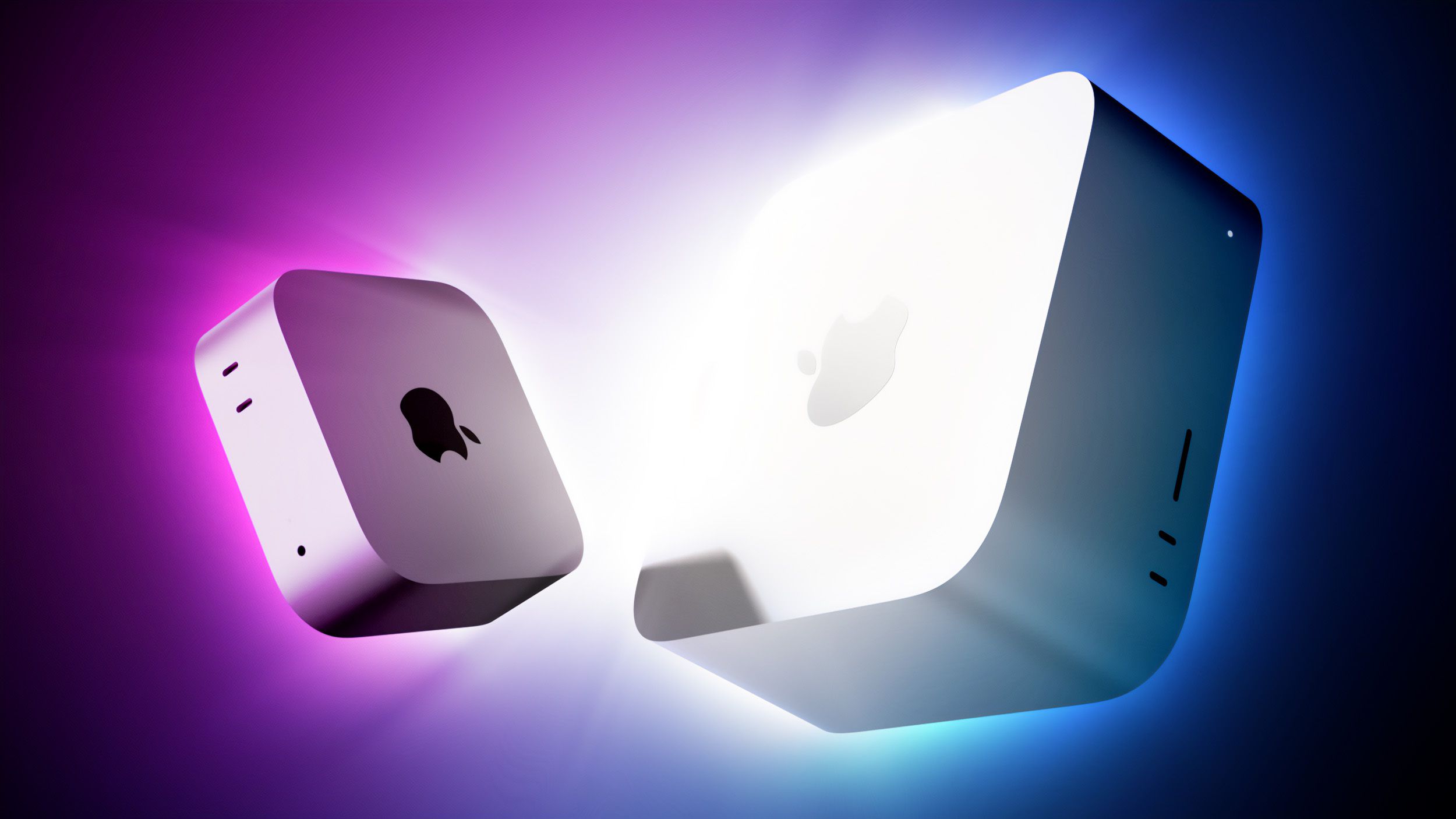
Apple’s uncharacteristically early unveiling of updated Mac mini and Mac Studio models this week has been attributed to a surge in demand from enterprise clients seeking powerful hardware for artificial intelligence workloads. This strategic pivot, confirmed by reporting from The Information, suggests a significant shift in Apple’s product strategy, prioritizing the burgeoning AI market over its traditional autumn product launch cycle.
A Shift in Product Launch Cadence
Historically, Apple has reserved its major Mac hardware refreshes for the fall, typically aligning with October or November product announcements. This year, however, the company opted for a late August debut for the new Mac mini and Mac Studio, a move that precedes the highly anticipated launch of new iPhone models. This departure from convention underscores the urgency and scale of the demand Apple is experiencing within the enterprise sector, particularly for AI-centric computing solutions. The Information posits that the robust sales figures and projected demand for both the Mac Studio and Mac mini, driven by AI applications, directly influenced this accelerated launch timeline.
The company’s recent product announcements have conspicuously emphasized the Mac Studio’s capability to be interconnected, forming larger, more potent computing clusters. This feature is specifically engineered to facilitate the execution of large, complex AI models, a capability that resonates deeply with businesses and developers engaged in cutting-edge AI research and deployment, rather than the average consumer. This targeted messaging highlights Apple’s intent to position these desktop powerhouses as critical infrastructure for the AI revolution within corporate environments.
Enterprise Focus Takes Center Stage
Apple’s strategic embrace of the business market was further underscored in June with a "Business at the Park" event. This gathering brought together executives from prominent corporations such as Ford, Disney, and Anthropic, signaling a concerted effort to engage directly with major enterprise clients. During this event, the Mac mini was reportedly a standout product, earning the designation of the "darling" among attendees, indicating a strong initial reception from potential business adopters. This event served as a precursor to the current hardware push, demonstrating Apple’s growing commitment to understanding and catering to the needs of its enterprise clientele.
Despite these overtures, the sheer velocity of enterprise adoption for powerful desktop Macs, especially for AI-related tasks, has reportedly caught Apple by surprise. The company appears to have been caught somewhat off-guard by the scale of this demand, lacking a dedicated engineering team specifically focused on enterprise clients or a robust developer relations division prior to this surge. Furthermore, a clearly defined enterprise AI strategy was not readily apparent before this shift. This suggests that the market’s response has outpaced Apple’s internal strategic planning for this specific segment.
Navigating the AI Hardware Landscape
The demand for Apple’s silicon for AI processing has also illuminated potential limitations in the company’s cloud computing offerings. Reports indicate that businesses seeking direct access to Apple’s Private Cloud Compute infrastructure for their AI initiatives were reportedly met with refusals. Instead of directly providing cloud-based AI services, Apple appears to be fostering partnerships with third-party providers like WebAI and Mount Thor. These collaborators specialize in developing and delivering AI tools and execution environments that are built upon Apple’s hardware. This approach allows Apple to capitalize on the hardware demand without necessarily becoming a direct competitor in the cloud AI services market, leveraging its hardware ecosystem through external innovation.
The burgeoning demand for Mac hardware to power AI models has coincided with a global memory shortage. This confluence of factors has resulted in significant stockouts for many configurations of the Mac mini and Mac Studio, with some models remaining unavailable for extended periods, sometimes for months. This supply chain challenge has, in turn, prompted some enterprise customers to explore alternative hardware solutions. Notably, some are reportedly turning to offerings such as Nvidia’s DGX Spark. Launched late last year, the DGX Spark features a compact desktop form factor that bears a resemblance to the Mac mini, presenting a competitive option for businesses struggling to acquire Apple’s high-end configurations. This situation highlights the critical need for consistent and reliable supply chains in meeting the rapidly evolving demands of the AI hardware market.
The AI Hardware Market: A Growing Frontier
The enterprise adoption of powerful desktop Macs for AI development and deployment is a significant trend. As AI models become increasingly sophisticated and data-intensive, the computational power required for training and inference escalates dramatically. This has led many businesses to seek dedicated hardware solutions that offer both performance and scalability. Apple’s M-series chips, known for their integrated Neural Engine and high memory bandwidth, present a compelling proposition for these workloads.
- Supporting Data and Market Trends: The global AI hardware market is projected to experience substantial growth in the coming years. Reports from industry analysts indicate a compound annual growth rate (CAGR) of over 20% for the AI hardware market between 2024 and 2030. This growth is driven by increased investment in AI research and development across various sectors, including healthcare, finance, automotive, and entertainment. The demand for specialized AI accelerators, GPUs, and high-performance computing systems is at an all-time high.
- The Role of Apple’s Silicon: Apple’s M-series chips have garnered attention for their efficiency and performance, particularly in tasks involving machine learning and AI. The integration of the Neural Engine, a dedicated processor for AI tasks, on its SoCs, provides a significant advantage for developers working with AI frameworks and applications. The unified memory architecture also contributes to faster data processing, crucial for large AI models.
- Competitive Landscape: The AI hardware market is highly competitive, with established players like Nvidia dominating the high-performance GPU segment. However, companies like Apple, with their integrated hardware and software ecosystems, are carving out significant niches. AMD, Intel, and numerous specialized AI chip startups are also vying for market share. Apple’s strategy appears to be leveraging its existing Mac ecosystem to cater to a segment of the AI market that values integrated solutions and the macOS environment.
Implications and Future Outlook
The unexpected surge in enterprise demand for Mac mini and Mac Studio models for AI purposes carries several significant implications for Apple and the broader technology landscape:
- Strategic Reorientation: This event suggests Apple may be re-evaluating its product development roadmap and marketing strategies to better address the burgeoning AI market. The company’s proactive engagement with enterprise clients and the emphasis on AI-capable features in its latest Mac releases indicate a commitment to this sector.
- Supply Chain Resilience: The global memory shortage and its impact on Mac availability highlight the critical need for Apple to bolster its supply chain resilience. The company’s recent opening of its Advanced Manufacturing Center in Houston, Texas, which is slated to begin manufacturing Mac mini models, could be a step towards mitigating such issues in the future. This facility’s focus on AI servers and advanced manufacturing techniques positions it to potentially address the growing demand for AI-ready hardware.
- Ecosystem Expansion: By positioning the Mac mini and Mac Studio as powerful AI workstations, Apple is further solidifying its ecosystem. This can attract developers and businesses that are increasingly reliant on AI, potentially leading to greater adoption of macOS for professional and scientific applications.
- Partnership Strategies: Apple’s reliance on third-party partners for cloud AI services, rather than offering its own direct cloud AI solutions, suggests a strategy of fostering an open ecosystem where hardware is the primary offering. This approach allows Apple to focus on its core strengths in hardware design and chip innovation while enabling partners to build specialized AI services on its platform.
The recent product announcements and the underlying market forces driving them suggest a pivotal moment for Apple. The company is demonstrating an agile response to a rapidly evolving technological frontier, positioning its powerful desktop Macs as integral tools for the ongoing AI revolution. The success of this strategy will depend on Apple’s ability to consistently meet enterprise demand, innovate its hardware and software offerings, and navigate the complexities of the global supply chain. The "unexpected" success of the Mac mini and Mac Studio in the enterprise AI space is likely to shape Apple’s product development and market focus for years to come.