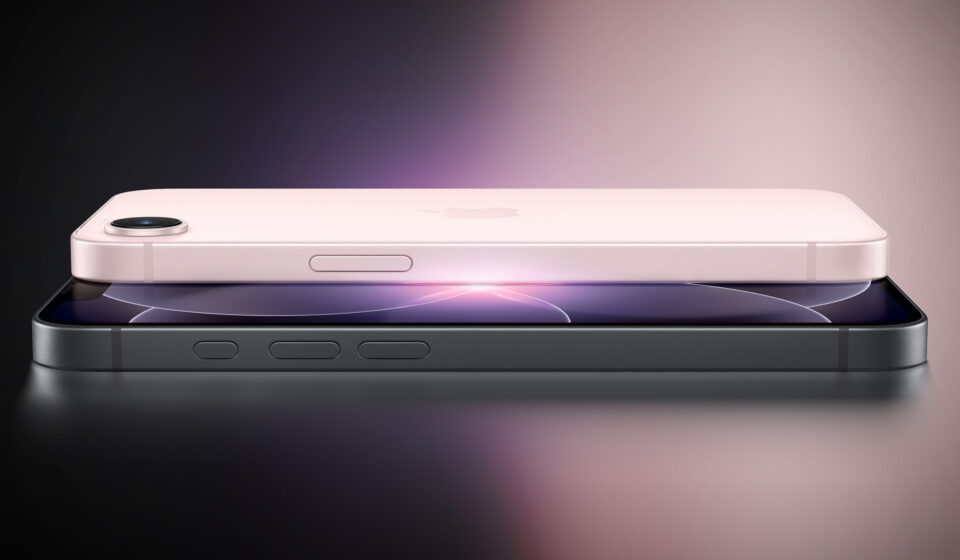
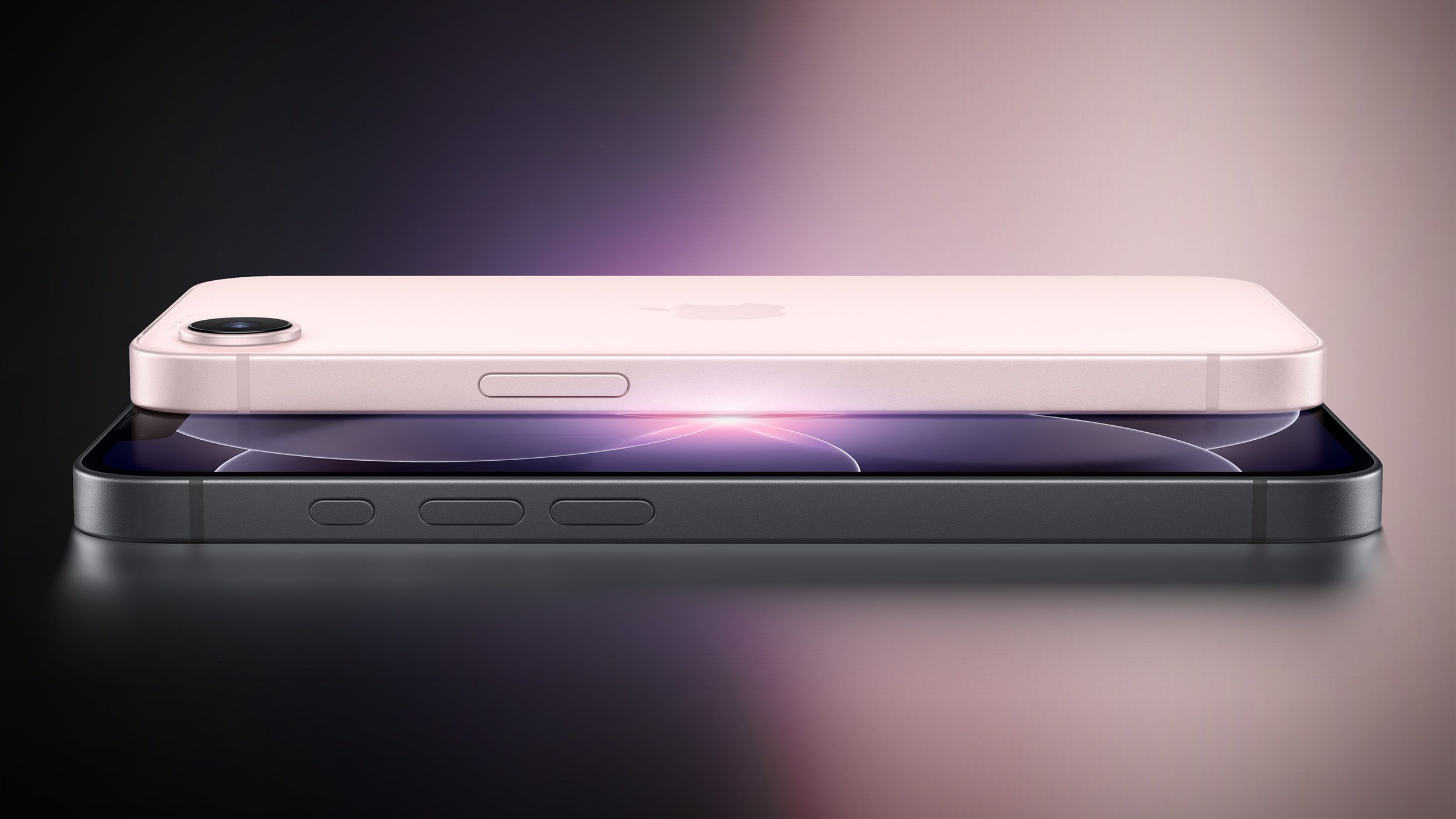
IPhone 17e Benchmarks Emerge, Revealing A19 Chip Performance and GPU Configuration

The first benchmarks for the iPhone 17e have surfaced in the Geekbench 6 database, offering a crucial early glimpse into the performance capabilities of Apple’s latest A19 chip and its implications for the entry-level segment of the iPhone lineup. This discovery provides valuable insights for consumers and industry observers as the device gears up for its official launch.
A Deep Dive into A19 Chip Performance
The leaked benchmarks indicate that the iPhone 17e is powered by Apple’s new A19 chip, a processor that is expected to drive the standard iPhone 17 models as well. In multi-core CPU performance tests, the iPhone 17e achieved a peak score of 9,241. This figure is remarkably close to the reported average multi-core score of 9,249 for the standard iPhone 17 model, which also utilizes the A19 chip. This near-identical CPU performance suggests that Apple has maintained a high level of processing power across its core iPhone offerings, ensuring a consistent user experience for everyday tasks, multitasking, and demanding applications.
The close proximity of these scores underscores Apple’s strategy of leveraging its powerful silicon across a range of devices, allowing for efficient development and consistent performance. The A19 chip, built on an advanced manufacturing process, promises significant improvements in both raw power and energy efficiency over its predecessors, the A18 and A17 Pro chips found in the iPhone 16 and iPhone 15 series, respectively.
Understanding the GPU Configuration and Its Impact
A key distinction identified in the benchmarks lies in the graphics processing unit (GPU) configuration. While the standard iPhone 17 boasts a 5-core GPU, the iPhone 17e is equipped with a 4-core GPU. This difference, while seemingly minor, translates to a noticeable impact on graphics performance. Early Geekbench Metal scores for the iPhone 17e hover around the 31,000 to 31,500 mark. In contrast, the standard iPhone 17 is reported to achieve scores in the vicinity of 37,000.
This divergence in GPU cores is a strategic decision by Apple, likely aimed at differentiating its product tiers and managing manufacturing costs for its more budget-friendly models. The iPhone 17e’s 4-core GPU is still a powerful component, capable of handling a wide array of graphical demands, including casual gaming, video playback, and augmented reality experiences. However, for users who push their devices to the absolute limit with graphically intensive games or professional-grade video editing on the go, the standard iPhone 17’s additional GPU core will offer a discernible advantage in terms of frame rates and rendering speed.
From a consumer perspective, the majority of users are unlikely to perceive a significant degradation in graphics performance during their typical daily usage. The performance gap, while measurable in benchmarks, may not be readily apparent in common applications and less demanding games. This suggests that Apple has optimized the software and hardware integration to ensure a fluid and enjoyable experience for the target audience of the iPhone 17e.
Historical Context: The Evolution of Apple’s "e" Models
The "e" designation for the iPhone 17e is not new to Apple’s product strategy. Historically, these models have served as more accessible entry points into the latest iPhone technology, often featuring slightly scaled-back specifications compared to their flagship counterparts. The previous generation, the iPhone 16e, also featured a 4-core GPU, paired with the A18 chip. This consistent approach indicates Apple’s ongoing commitment to offering a tiered product lineup that caters to a broader spectrum of consumer needs and budgets.
The inclusion of the A19 chip in the iPhone 17e represents a significant upgrade from the A18 chip found in the iPhone 16e. This leap in processing power ensures that even the entry-level iPhone 17e benefits from the advancements in speed, efficiency, and AI capabilities that the A19 architecture provides. The continuity of a 4-core GPU in the "e" models, however, highlights where Apple strategically implements cost-saving measures without compromising the core computing experience.
Comparative Performance Data: A Look at the Numbers
To further contextualize the iPhone 17e’s performance, a comparative analysis of multi-core CPU scores across recent iPhone models is instructive:
| iPhone Model | Chip | Multi-Core CPU Score |
|---|---|---|
| iPhone 17 Pro | A19 Pro | 9,805 |
| iPhone 17 | A19 | 9,249 |
| iPhone 17e | A19 | 9,241 |
| iPhone 16 Pro | A18 Pro | 8,625 |
| iPhone 16e | A18 | 7,977 |
| iPhone 15 Pro | A17 Pro | 7,199 |
As the table illustrates, the iPhone 17e’s multi-core CPU score of 9,241 places it directly alongside the standard iPhone 17, underscoring the shared processing power. It represents a substantial leap forward from the iPhone 16e’s score of 7,977 and even surpasses the previous generation’s Pro model, the iPhone 16 Pro (A18 Pro), in multi-core CPU performance. This data strongly suggests that the A19 chip is a significant generational improvement, offering substantial gains across the board, even in its application within the more accessible iPhone 17e.
Key Features and Value Proposition of the iPhone 17e
Beyond the raw performance metrics, the iPhone 17e is set to inherit key design elements and introduce important upgrades that enhance its overall value proposition. The device is expected to feature the same overall design language as its predecessor, the iPhone 16e, maintaining a familiar aesthetic for consumers. However, the integration of Apple’s A19 chip marks a substantial internal overhaul.
Crucially, the iPhone 17e will include Apple’s MagSafe technology. This magnetic charging and accessory system, a hallmark of the Pro and standard iPhone models in recent years, brings convenience and versatility to the entry-level device. MagSafe enables seamless attachment of wireless chargers, wallets, and other magnetic accessories, expanding the iPhone 17e’s functionality and ecosystem integration.
Another significant upgrade is the adoption of Apple’s second-generation C1X modem. This advancement promises faster and more reliable 5G connectivity, crucial for today’s data-intensive mobile landscape. Enhanced 5G speeds will benefit everything from streaming high-definition video and participating in video calls to downloading large files and utilizing cloud-based applications.
Furthermore, the iPhone 17e will feature a doubled base storage capacity of 256GB. This is a welcome increase from the likely 128GB found in previous entry-level models and addresses a common consumer concern about storage limitations. With larger app sizes, higher-resolution photos and videos, and increasingly sophisticated mobile operating systems, ample storage is becoming a necessity, and the 256GB base offering makes the iPhone 17e a more compelling option for a wider range of users.
In terms of pricing, the iPhone 17e is expected to maintain its position as an affordable entry point into the Apple ecosystem. In the United States, the device is slated to launch at $599, mirroring the price of its predecessor, the iPhone 16e. This competitive pricing strategy, combined with the upgraded features, positions the iPhone 17e as a strong contender in the mid-range smartphone market.
Anticipated Launch and Market Impact
The pre-order window for the iPhone 17e commenced on March 4, with the official launch and in-store availability scheduled for March 11. This rapid rollout suggests that Apple is keen to get its latest affordable iPhone into the hands of consumers.
The introduction of the iPhone 17e with its A19 chip and enhanced features at the $599 price point is likely to have several implications for the market. Firstly, it reinforces Apple’s commitment to the mid-range segment, providing a compelling option for first-time iPhone buyers or those looking for an upgrade without the premium cost of the Pro models. Secondly, it puts pressure on Android manufacturers operating in the same price bracket, forcing them to innovate and differentiate their offerings.
The performance benchmarks, while showing a difference in GPU capabilities compared to the standard iPhone 17, highlight that the iPhone 17e offers substantial CPU power and a range of modern features that will appeal to a broad audience. The inclusion of MagSafe and improved 5G connectivity further bolsters its attractiveness. As the device becomes widely available, its sales figures and reception will be closely watched as an indicator of consumer demand for Apple’s more accessible smartphone offerings. The strategy of equipping these models with advanced processors while making targeted adjustments to GPU configurations appears to be a successful formula for balancing performance, features, and affordability.