Bose QuietComfort Ultra (2nd Gen) Headphones See Significant Discount Amidst Fierce Competition and Evolving Audio Landscape

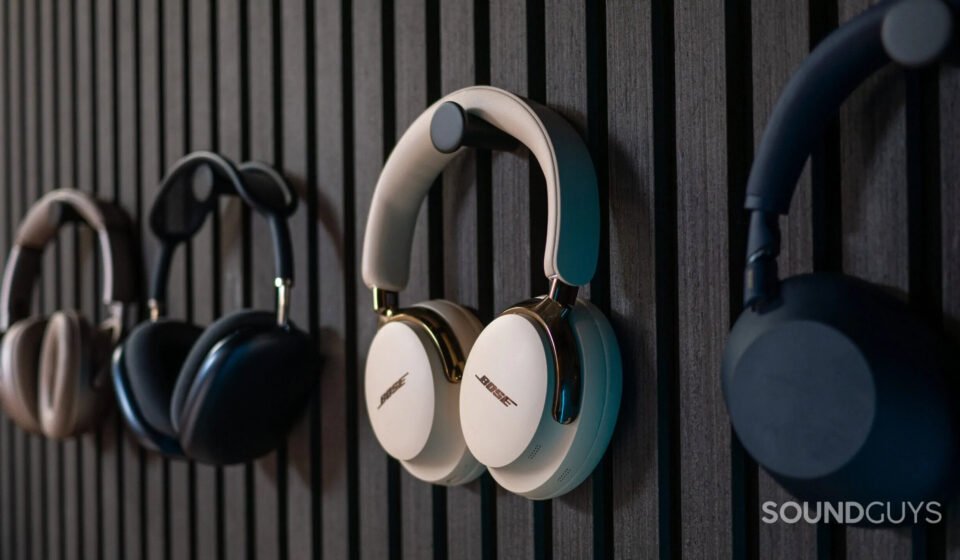
The highly acclaimed Bose QuietComfort Ultra (2nd Gen) headphones are currently available at a substantial discount, priced at $399, marking a $50 reduction from their standard retail price. This limited-time offer, accessible through Amazon and applicable across all available color variants, underscores the dynamic nature of the premium audio market. Consumers interested in acquiring these industry-leading active noise-cancelling (ANC) headphones are advised to act swiftly, as the promotion is slated to conclude tonight at 9:00 PM Pacific. This strategic pricing adjustment comes as Bose continues to navigate an increasingly competitive landscape, particularly against rivals like Sony, while striving to maintain its long-standing reputation for superior noise cancellation technology and immersive audio experiences.
A Legacy of Silence: The Evolution of Bose QuietComfort
Bose Corporation, founded in 1964 by Amar Bose, has long been synonymous with innovation in audio technology, particularly in the realm of noise cancellation. The company’s journey into consumer-grade active noise cancellation began in the late 1980s, culminating in the widespread adoption and critical acclaim of its QuietComfort series. The original Bose QuietComfort headphones, first introduced in the early 2000s, revolutionized personal audio by offering unprecedented levels of silence, effectively shielding listeners from the din of airplane cabins, bustling commutes, and noisy office environments. This foundational technology quickly established Bose as the uncontested leader in the ANC segment, setting a benchmark that competitors struggled to match for many years.
Each subsequent generation of QuietComfort headphones built upon this legacy, refining the ANC algorithms, improving sound fidelity, and enhancing comfort and design. The first-generation Bose QuietComfort Ultra headphones, while not explicitly named "Ultra" at their initial launch, represented a significant leap forward, solidifying Bose’s dominance. They were, for an extended period, considered the definitive ANC headphones, a title fiercely protected by continuous research and development. This consistent innovation allowed Bose to cultivate a loyal customer base who valued the brand’s commitment to audio purity and tranquil listening experiences above all else. The release of the QuietComfort Ultra (2nd Gen) continues this tradition, incorporating further advancements designed to elevate the user experience in an ever-noisier world.
The Technological Edge: Active Noise Cancellation Explained
Active Noise Cancellation (ANC) is a sophisticated technology that employs microphones to pick up ambient sound, which is then inverted and played back through the headphone speakers, effectively canceling out the external noise. This process, often referred to as destructive interference, is particularly effective at attenuating low-frequency, constant hums, such as engine noise or air conditioning. Bose has historically excelled in this domain, developing proprietary algorithms and hardware integrations that deliver a remarkably consistent and effective noise-cancelling performance.
The QuietComfort Ultra (2nd Gen) leverages an evolved version of Bose’s acclaimed ANC technology. It not only silences external sounds but also intelligently adapts to the user’s environment, offering a personalized noise cancellation experience. This adaptive capability means the headphones can dynamically adjust the level of noise cancellation based on the surrounding noise profile, ensuring optimal performance whether in a quiet library or a chaotic street. While specific technical details of the 2nd Gen’s ANC improvements over its predecessor are proprietary, industry analysis suggests advancements in processing power and microphone arrays contribute to a broader frequency range of noise attenuation and a more seamless transition between listening modes. The efficacy of Bose’s ANC is often measured by its ability to create a profound sense of quiet, allowing users to focus on their audio content without distraction, a characteristic that remains a cornerstone of the QuietComfort Ultra series.
QuietComfort Ultra (2nd Gen): Features and Performance Metrics
The Bose QuietComfort Ultra (2nd Gen) headphones are engineered to deliver a comprehensive premium audio experience, extending beyond their class-leading ANC. They integrate several key features that position them at the forefront of the high-end headphone market.
- Audio Quality: The headphones boast "amazing audio quality," a subjective but often praised characteristic of Bose products. This is achieved through meticulously tuned drivers and advanced digital signal processing (DSP) that aim for a balanced, rich, and clear sound signature. The inclusion of USB-C lossless audio support is a significant enhancement for audiophiles. This feature allows for a direct digital connection, bypassing potential degradation from Bluetooth compression and enabling the transmission of high-resolution audio files without loss of fidelity. For wireless listening, the headphones support various Bluetooth codecs, ensuring robust connectivity and quality across different devices.
- Battery Life: One of the practical benchmarks for wireless headphones is battery longevity. The QuietComfort Ultra (2nd Gen) offers an impressive battery life of "a bit over 27 hours on a full charge," according to standardized tests. This figure is competitive within the premium ANC headphone segment and typically allows for several days of casual listening or multiple long-haul flights on a single charge. Fast charging capabilities are also often integrated into premium headphones, providing several hours of playback from a short charging session, although specific details were not provided in the source material.
- Design and Construction: Bose headphones are renowned for their ergonomic design and comfortable fit, crucial for extended listening sessions. The QuietComfort Ultra (2nd Gen) follows this tradition, featuring a sleek aesthetic and high-quality materials. The construction emphasizes durability and portability, with soft earcups and a lightweight frame that minimize pressure points. The foldable design, a hallmark of the QuietComfort series, further enhances their travel-friendliness, allowing them to be compactly stored in a carrying case. This blend of comfort, robust build, and refined appearance contributes significantly to the overall premium user experience.
The Battle for Silence: Bose vs. Sony
For many years, Bose enjoyed a relatively unchallenged position at the pinnacle of the ANC headphone market. However, in recent times, the competitive landscape has intensified dramatically, primarily with the emergence of Sony’s WH-1000X series. The rivalry between the Bose QuietComfort Ultra (2nd Gen) and the Sony WH-1000XM6 (or its direct predecessor, the XM5, given the article’s context of an ongoing "battle") represents the current zenith of premium ANC headphone technology.
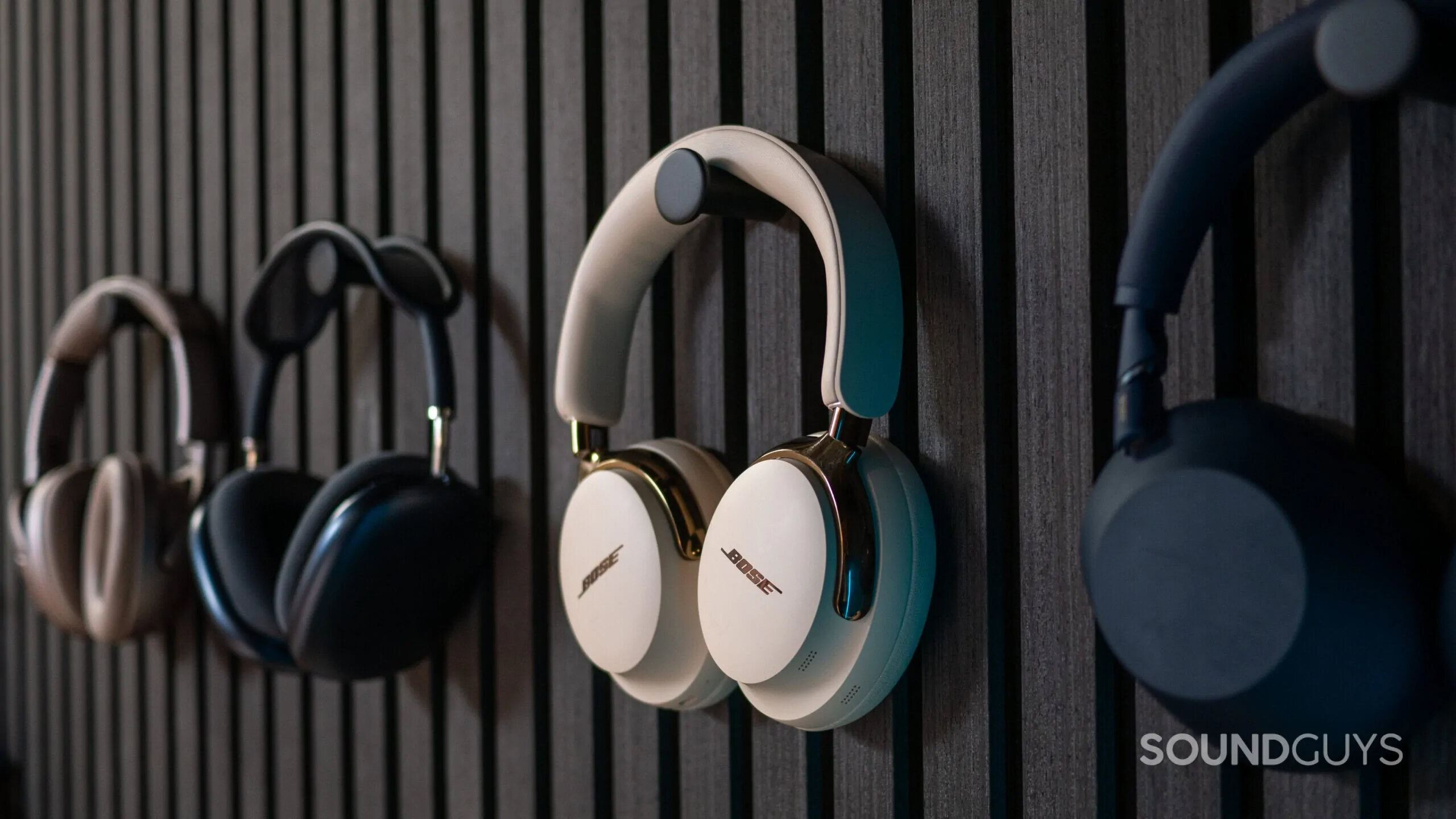
- Noise Cancellation: While Bose has historically been the gold standard, Sony has made significant strides, particularly with its latest iterations. Many reviewers and users find Sony’s ANC to be highly effective, often excelling in specific frequency ranges or adapting more aggressively to changes in environment. Bose, meanwhile, is often praised for a more natural and less "pressurized" feel to its noise cancellation. The "real battle" mentioned in the source material highlights the neck-and-neck performance, with individual preferences often dictating which brand’s approach to ANC is preferred.
- Audio Fidelity: Both brands offer excellent sound quality, though their sonic signatures can differ. Bose typically aims for a balanced, clear, and slightly warmer sound, appealing to a broad audience. Sony, on the other hand, often provides a more dynamic and bass-forward presentation, with extensive customization options via its companion app. The inclusion of USB-C lossless on the Bose Ultra 2nd Gen provides a significant advantage for wired high-resolution audio, while Sony often focuses on advanced wireless codecs like LDAC.
- Features and Ecosystem: Both headphones are replete with smart features, including transparency modes (allowing ambient sound to pass through), customizable EQ settings via companion apps, multi-point connectivity (for simultaneous connection to two devices), and voice assistant integration. Sony’s app often offers a wider array of granular controls and personalization options, while Bose focuses on streamlined usability.
- Comfort and Design: Both brands prioritize comfort for long listening sessions. Bose is renowned for its plush earcups and lightweight design, often cited as exceptionally comfortable. Sony’s designs are also very ergonomic, though some users might find them slightly heavier or with a different clamping force.
- Battery Life: Both the Bose QuietComfort Ultra (2nd Gen) and Sony’s flagship offerings provide comparable battery life, typically in the 25-30 hour range with ANC active, ensuring sufficient power for most travel and daily use scenarios.
This intense competition benefits consumers, driving innovation and leading to more refined products and strategic pricing, as exemplified by the current Bose discount.
Market Dynamics and Strategic Pricing
The $50 discount on the Bose QuietComfort Ultra (2nd Gen) is more than just a promotional offer; it reflects broader market dynamics and strategic considerations. The premium headphone market is characterized by high consumer expectations, intense brand loyalty, and significant investment in research and development. Brands like Bose and Sony are constantly vying for market share, and pricing strategies play a crucial role.
- Competitive Positioning: A discount can help Bose maintain or gain market share against direct competitors, especially during periods when new models from rivals might be anticipated or recently launched. By making their top-tier product more accessible, Bose can attract consumers who might be on the fence between brands.
- Sales Volume and Inventory Management: Discounts are effective tools for stimulating sales volume, managing inventory levels, and driving demand during specific periods. Flash sales, like the one ending tonight, create a sense of urgency, encouraging immediate purchasing decisions.
- Product Lifecycle Management: As products mature or as new generations are planned, manufacturers often introduce discounts on existing models. While the "2nd Gen" implies a relatively recent release, the fast-paced nature of consumer electronics means that even flagship products can see price adjustments to keep them competitive or to clear stock ahead of potential future iterations.
- Consumer Psychology: Limited-time offers tap into consumer psychology, leveraging the fear of missing out (FOMO) and the perceived value of a discounted premium product. A $50 saving on a high-ticket item like these headphones can be a strong motivator for purchase.
The premium headphone segment continues to grow, driven by factors such as the increasing popularity of high-fidelity audio, the demand for effective noise cancellation in diverse environments, and the general trend towards personal audio devices. According to market research firms, the global headphone market is projected to expand significantly in the coming years, with ANC headphones being a key growth driver. This robust market environment necessitates agile pricing strategies from leading manufacturers.
The Urgency of the Offer: A Consumer’s Perspective
The time-sensitive nature of this particular deal, concluding at 9:00 PM Pacific tonight, adds an element of immediate decision-making for potential buyers. Amazon, a leading e-commerce platform, frequently employs such timed promotions to create buzz and drive rapid sales. For consumers, this presents a genuine opportunity to acquire a top-tier product at a reduced price.
The decision to purchase premium headphones often involves careful consideration of various factors:
- Investment: Headphones at this price point are a significant investment, making a $50 saving particularly appealing.
- Usage Scenario: Buyers typically evaluate how they will use the headphones—for travel, commuting, office work, or casual listening—to determine if the features (especially ANC) align with their needs.
- Brand Preference: Many consumers exhibit strong brand loyalty, having positive past experiences with Bose or preferring its specific sound signature and comfort profile.
- Comparative Shopping: Savvy buyers will undoubtedly compare this deal against similar offerings from competitors, especially Sony’s latest models, to ensure they are getting the best value.
For those who have been contemplating an upgrade to premium ANC headphones and lean towards Bose’s renowned quality and comfort, this limited-time offer represents a compelling moment to commit to a purchase. Missing the deadline could mean waiting for an indefinite period for a similar discount, highlighting the strategic impact of such brief sales windows.
Beyond the Discount: The Broader Implications for Audio Technology
The ongoing competition and pricing strategies in the premium headphone market, exemplified by the Bose QuietComfort Ultra (2nd Gen) discount, reflect broader trends in audio technology. Innovation continues at a rapid pace, with manufacturers exploring new frontiers:
- Spatial Audio: The integration of spatial audio technologies is becoming increasingly prevalent, aiming to create a more immersive, three-dimensional soundstage that transcends traditional stereo listening.
- AI Integration: Artificial intelligence is beginning to play a role in personalized audio, adaptive noise cancellation, and intelligent voice assistant interactions.
- Health and Wellness Features: Future headphones may incorporate sensors for biometric data, offering features like heart rate monitoring or stress level detection, blurring the lines between audio device and wearable tech.
- Sustainability: There’s a growing industry focus on sustainable manufacturing practices, use of recycled materials, and extended product lifecycles.
As the market evolves, consumers can expect even more sophisticated features, enhanced performance, and continued competitive pricing. The current Bose deal, therefore, is not just about a temporary price drop but is a snapshot of an industry in constant motion, driven by technological advancement and consumer demand for superior listening experiences.
In conclusion, the $50 markdown on the Bose QuietComfort Ultra (2nd Gen) headphones offers a compelling proposition for discerning audio enthusiasts and those seeking best-in-class noise cancellation. With its storied history in ANC technology, commitment to audio fidelity, and emphasis on comfort, Bose continues to be a dominant force in the premium headphone market. This time-sensitive offer, ending tonight, provides a crucial window for consumers to acquire a highly-rated product at an attractive price point, reinforcing the dynamic interplay between innovation, competition, and consumer value in the ever-evolving world of personal audio.