Apple’s Bold TikTok Gamble: Strange Videos Aim to Capture Gen Z’s Attention for the New MacBook Neo

Apple is venturing into the unconventional digital realm of TikTok with a series of deliberately peculiar video content to promote its recently launched MacBook Neo, a move that is demonstrably resonating with Generation Z. This marketing initiative, characterized by its surreal and abstract nature, marks a significant departure from Apple’s historically polished and conventional advertising strategies, signaling a deliberate effort to connect with a younger demographic on their preferred digital turf. The campaign’s success is being measured not only by engagement metrics but also by the online conversation it has sparked, a testament to its ability to generate buzz in a crowded digital landscape.
A Shift in Marketing Strategy: Embracing the Absurd
The MacBook Neo, positioned as a more accessible entry point into the Apple ecosystem with a starting price of $499 in the U.S., represents a strategic push to broaden the company’s appeal. This affordability is a key factor in targeting younger consumers, a demographic that has shown a strong affinity for TikTok. Apple’s decision to deploy a marketing strategy that embraces the quirky and the unexpected on this platform underscores a sophisticated understanding of contemporary digital culture.
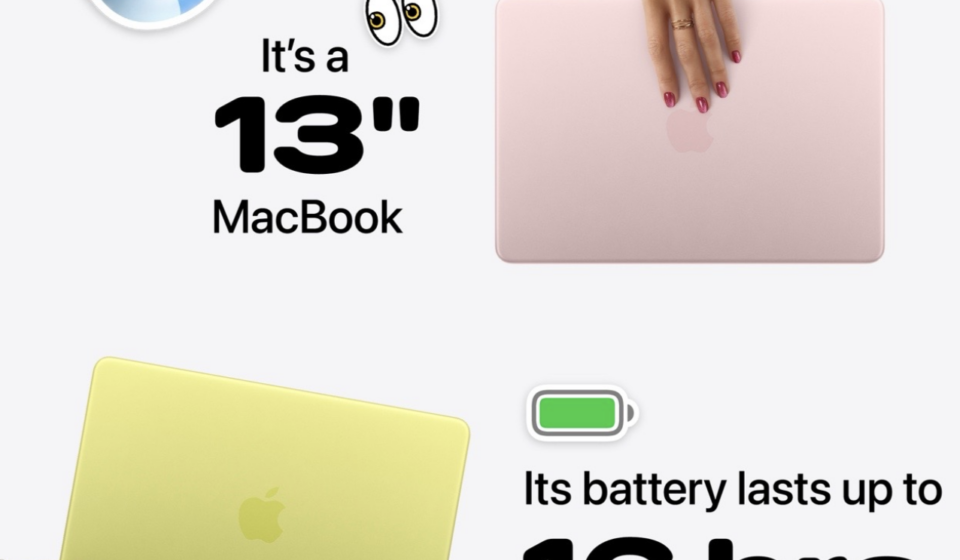
Since Thursday, Apple has been releasing these distinctive videos in sets of three, each set thoughtfully curated to correspond with the distinct color options of the MacBook Neo: Blush, Citrus, and Indigo. The laptop is also available in a classic Silver finish, hinting at the possibility of additional video installments to complete the color spectrum representation. This phased release strategy builds anticipation and allows for focused engagement with each product variant.
Unpacking the Surreal: A Deep Dive into the TikTok Campaign
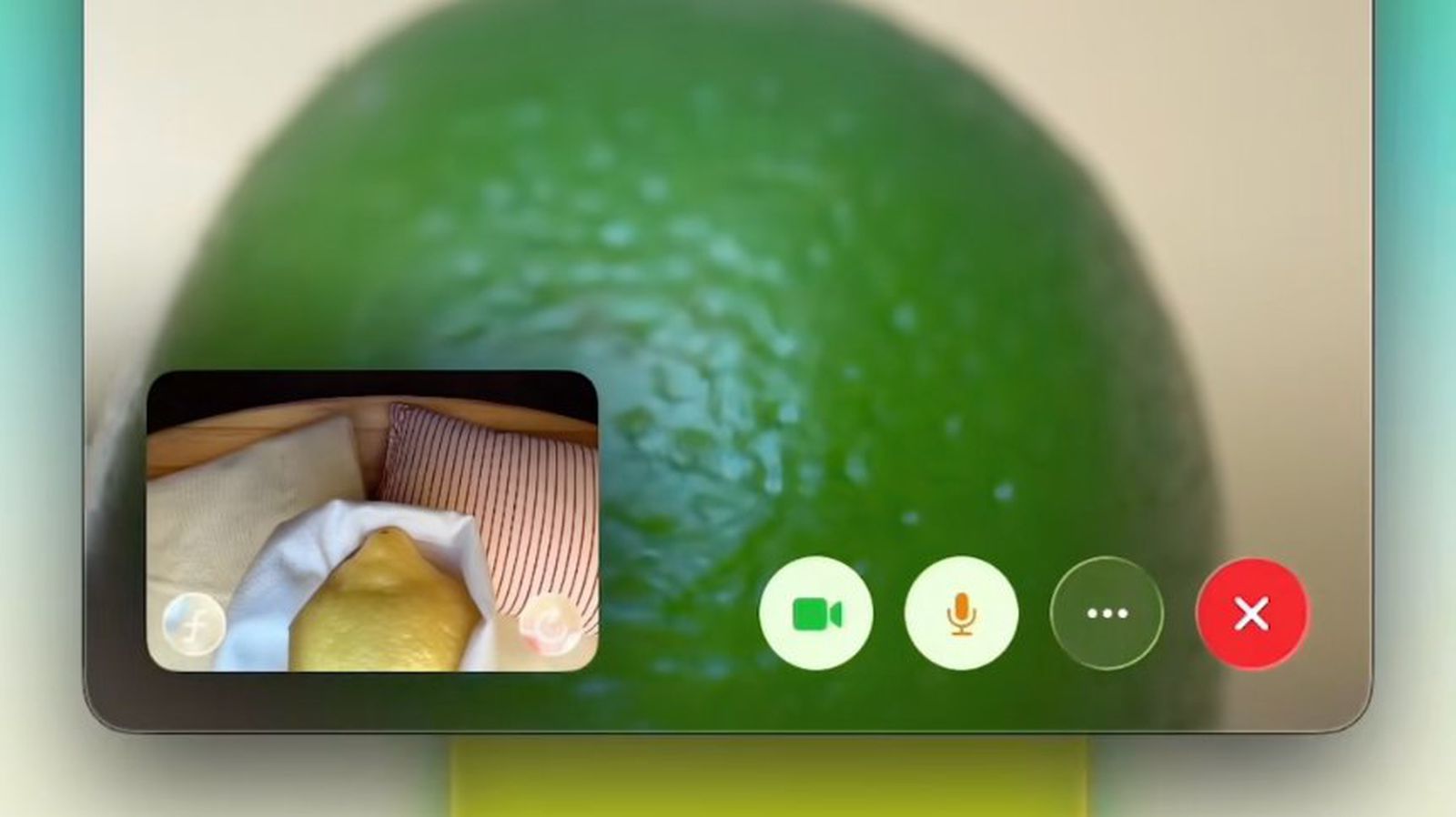
The content of these TikTok videos is a departure from the sleek, aspirational imagery typically associated with Apple. Instead, viewers are treated to a series of surreal vignettes that are designed to be thought-provoking and, at times, delightfully perplexing. One video features an anthropomorphic interaction between a lemon and a lime, with the former receiving a FaceTime call from the latter, a playful nod to the color options and the communicative nature of Apple devices. Another clip showcases the Finder app icon, a ubiquitous symbol of the Mac operating system, appearing to blush, an unexpected personification that injects personality into a familiar digital interface.
In a move that bridges the past with the present, Apple has also incorporated iconic footage from the original Macintosh introduction in 1984. This historical reference, juxtaposed with contemporary digital art forms, serves to connect the legacy of innovation with the new MacBook Neo. Beyond these more narrative-driven pieces, the campaign also delves into abstract visuals. One video presents citrus fruits submerged in effervescent fizzy water, evoking a sense of refreshment and vibrancy, while another features a serene, pink-hued sunrise, subtly underscored by the instantly recognizable startup chime of a Mac computer. This sonic branding is a powerful tool, tapping into nostalgic and comforting associations for long-time Mac users while introducing a new generation to this auditory hallmark.
The Emergence of "Little Finder Guy"
Adding another layer to this innovative campaign, Apple recently unveiled a mini 3D figure modeled after its iconic Finder app icon during a "Matcha Break with MacBook Neo" live stream on TikTok on Wednesday. This miniature mascot, which has since been affectionately dubbed "Little Finder Guy" or "Lil’ Finder Guy" on social media, also made an appearance in a static image posted by Apple on TikTok. This character effectively injects a tangible, relatable element into the digital campaign, offering a potential mascot that could foster deeper brand engagement and community building.
The introduction of "Little Finder Guy" is particularly noteworthy. It suggests a move towards creating more enduring brand assets that can transcend specific product launches. This character could evolve into a recurring element in Apple’s social media presence, further humanizing the brand and creating opportunities for interactive content, such as fan-generated art or meme-based campaigns.
Public Reaction: A Spectrum of Confusion and Appreciation
The unconventional nature of Apple’s TikTok content has predictably elicited a wide range of reactions from the online community. Many viewers have expressed a degree of bewilderment, with a significant number questioning whether the official Apple TikTok account had been compromised. This initial confusion is a natural response to a brand adopting a persona that deviates so sharply from its established image.
However, a growing segment of the audience has embraced Apple’s bold marketing approach. These users have lauded the company for its willingness to experiment with absurdist humor and abstract art, recognizing it as a deliberate and effective strategy to cut through the noise on a platform dominated by short-form, attention-grabbing content. Furthermore, the fact that Apple has enabled comments on these videos – a feature the company has historically shied away from on many of its social media platforms – has been met with particular praise. Allowing and engaging with user feedback, even if it includes confusion or critique, demonstrates a newfound openness and a commitment to fostering genuine interaction. This contrasts with many brands that operate in a more curated, top-down communication model.

The MacBook Neo: A Strategic Product for a New Audience
The MacBook Neo’s positioning as a budget-friendly Mac, priced at $499, is a critical element in understanding Apple’s marketing pivot. This price point makes the MacBook Neo significantly more accessible than other Mac models, targeting students, first-time computer buyers, and individuals seeking a capable yet affordable personal computing device. The A18 Pro chip, a processor previously featured in the iPhone 16 Pro, provides a robust foundation for the MacBook Neo, ensuring a performance level that can handle everyday tasks and even more demanding workloads, as evidenced by initial benchmark results.
First benchmarks for the MacBook Neo, which surfaced on Thursday, March 5, 2026, reveal that its CPU performance is remarkably close to that of the M1 MacBook Air, a testament to the efficiency and power of Apple’s silicon. The MacBook Neo achieved a single-core score of 3461 and a multi-core score of 8668 in benchmarks, with a Metal score of 31286. These figures indicate that the A18 Pro chip, despite being designed for a mobile device, delivers substantial computing power in a laptop form factor. This performance, combined with the attractive price point, makes the MacBook Neo a compelling proposition for a younger, budget-conscious consumer base.
Broader Implications: The Future of Tech Marketing
Apple’s foray into unconventional TikTok marketing for the MacBook Neo has significant implications for the broader tech industry. It suggests a growing recognition among major technology companies that traditional marketing playbooks may not be sufficient to capture the attention of younger generations. The success of this campaign, measured by its ability to spark conversation and engagement, could encourage other brands to explore more experimental and authentic approaches on platforms like TikTok.
The willingness to embrace a degree of "weirdness" and to allow for open commentary on social media represents a paradigm shift. For years, brands have strived for a perfect, unblemished online presence. However, the digital landscape is evolving, and authenticity, even if it includes a touch of the unexpected, is proving to be a more powerful currency. Apple’s strategy with the MacBook Neo’s TikTok campaign demonstrates a calculated risk that appears to be paying off, not just in terms of product promotion, but in reshaping perceptions of how a technology giant can engage with the digital world and its most influential demographics. The long-term impact of this strategy will be closely watched, as it could set a new standard for how tech companies connect with the next generation of consumers.