Apple’s iOS 26.4 Introduces Significant Flexibility to Family Sharing Payment Structures

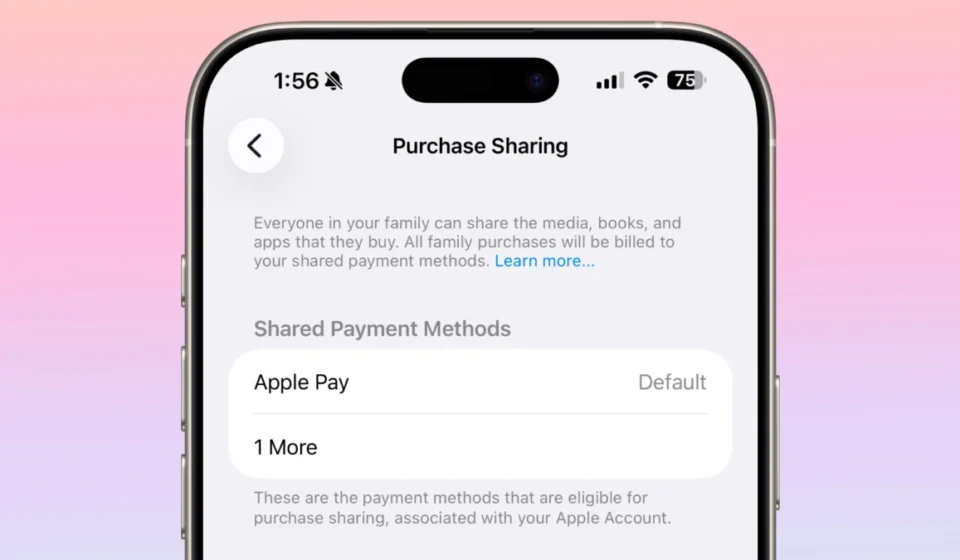
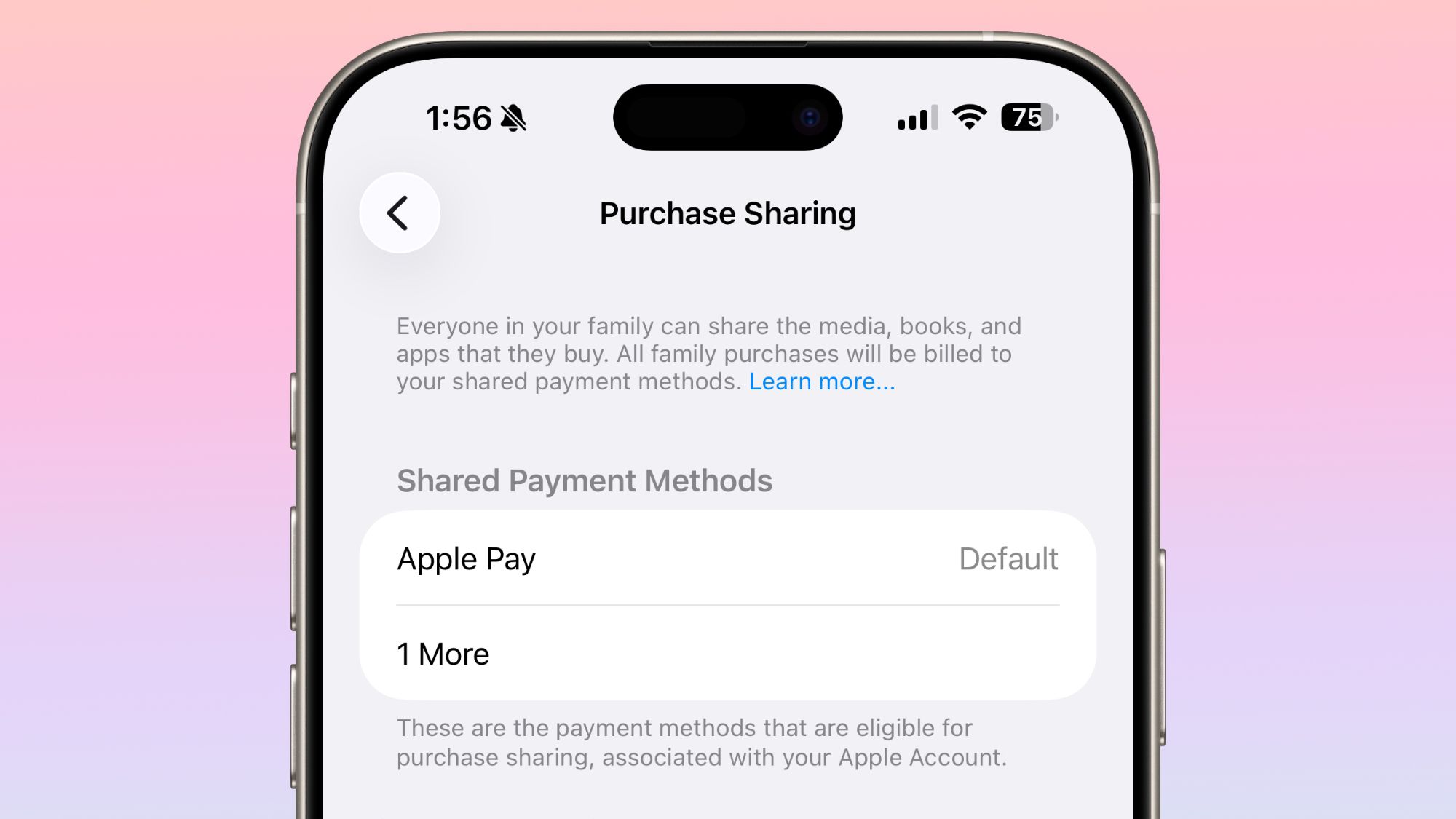
Apple has announced a pivotal update to its Family Sharing feature with the upcoming release of iOS 26.4, empowering adult members to utilize their individual payment methods for purchases. This marks a substantial departure from the previous system, which mandated a single, shared payment method for all transactions within a Family Sharing group when purchase sharing was enabled. The change, detailed in Apple’s release notes and a revised support document, promises to streamline the sharing of digital content and subscriptions, offering greater financial autonomy to families.
A Shift in Family Sharing Dynamics
For years, Apple’s Family Sharing service, designed to allow families to share purchases and subscriptions, operated under a somewhat rigid payment model. When the "Purchase Sharing" feature was activated by the family organizer, all members, including adults, were directed to use the organizer’s designated payment method for any app, music, movie, or in-app purchases. While this facilitated a centralized billing approach, it often presented challenges for individuals who wished to maintain financial separation or manage their own spending on digital content.
The previous wording in Apple’s support documentation clearly stated: "The family organizer pays for everyone’s purchases unless they turn off purchase sharing." This left little room for individual financial discretion within the sharing group. The new iteration of this policy, as outlined for iOS 26.4, introduces a crucial distinction: "The family organizer pays for everyone’s purchases unless they turn off Purchase Sharing or other adult family members use their own payment method to make purchases." This subtle yet significant alteration grants adult family members the explicit option to link their personal payment methods to their Apple ID for purchases made while participating in Family Sharing.
The Evolution of Purchase Sharing
The introduction of Family Sharing itself was a strategic move by Apple to enhance the value proposition of its ecosystem, encouraging users to invest more in Apple’s digital storefronts by making content more accessible and cost-effective for households. Launched in 2014 with iOS 8, the feature initially focused on sharing purchased apps, music, movies, and books. Over time, it expanded to include iCloud storage plans, Apple Music, Apple TV+, Apple Arcade, and Apple News+.
The payment mechanism, however, remained largely consistent: the family organizer bore the financial responsibility for all shared purchases. While this simplified accounting for many, it also created friction. For instance, a teenager might want to purchase a specific game or in-app content that their parents wouldn’t typically approve of, or an adult sibling might want to subscribe to a niche service without impacting the organizer’s credit card statement. Previously, the primary workaround for individuals wanting to avoid using the organizer’s payment method was to maintain an Apple Account balance, requiring diligent top-ups to cover purchases. This new flexibility directly addresses the inconvenience associated with this method.
Implications for Content Sharing and Subscription Management
The ability for adult family members to use their own payment methods carries several important implications:
- Enhanced Financial Privacy and Control: Individuals can now make purchases without their spending being directly tied to the primary family payment method. This is particularly beneficial for shared media subscriptions like Apple TV+ or Apple Arcade, where different family members might have distinct viewing or gaming preferences and want to track their own consumption-related expenses.
- Simplified Budgeting and Expense Tracking: With separate payment methods, it becomes easier for individuals to budget for their digital entertainment and track their spending independently. This can be a significant advantage for young adults managing their finances or for families where different members contribute to shared entertainment costs.
- Reduced Friction in Sharing: The previous requirement for a single payment method could deter some from fully utilizing Family Sharing, especially if there were concerns about accidental purchases or a desire for clearer financial boundaries. The new system removes this potential barrier, making it more appealing to share content and subscriptions among a wider circle of family members, including adult siblings, parents, and even close friends if the family unit is extended to include them.
- Potential for Increased Digital Content Consumption: By making it easier and more transparent to pay for shared content, Apple may see an increase in overall digital content sales and subscription uptake within Family Sharing groups.
Addressing Different User Scenarios
It is crucial to note that this change specifically targets adult members of a Family Sharing group. Children within a Family Sharing account will continue to have their purchases billed to the family organizer’s payment method. This aligns with parental control mechanisms designed to oversee and approve spending by younger family members.
The new system offers a layered approach to payment within Family Sharing:
- Family Organizer’s Payment Method: This remains the default for all purchases when purchase sharing is enabled and no other payment method is specified by an adult member.
- Individual Adult Payment Method: Adult members can now opt to use their own credit card, debit card, or other supported payment methods for their purchases.
- Apple Account Balance: While no longer the sole workaround for financial separation, maintaining an Apple Account balance can still serve as a supplementary payment method or a way to manage spending for those who prefer it.
Background and Context: The Evolution of Apple’s Ecosystem
Apple’s commitment to enhancing the Family Sharing experience is part of a broader strategy to foster loyalty and increase engagement within its hardware and software ecosystem. Features like Family Sharing are designed to create a sticky environment, encouraging users to remain within the Apple fold by providing tangible benefits for household sharing.
The move to offer more granular payment control within Family Sharing can also be seen in the context of increasing competition in the digital content and subscription space. Services like Spotify, Netflix, and various gaming platforms offer family plans or account-sharing options, and Apple is continually refining its own offerings to remain competitive. By addressing a long-standing point of friction in its Family Sharing payment system, Apple is demonstrating a responsiveness to user feedback and a dedication to improving the overall customer experience.
Looking Ahead: Public Release and Potential Impact
iOS 26.4 is anticipated to be released to the public in the coming week, according to industry sources. This update, while seemingly minor in its direct description, represents a significant enhancement to a core feature used by millions of Apple users worldwide. The ripple effects of this change are expected to be positive, fostering a more user-friendly and financially flexible Family Sharing environment.
The updated support document on purchase sharing, accessible via Apple’s support website, now reflects these changes, providing clear guidance for users on how to manage their payment preferences within Family Sharing groups. This proactive communication from Apple ensures that users can readily understand and adapt to the new functionality upon the public release of iOS 26.4.
As Apple continues to evolve its services, features that enhance the shared experience while respecting individual autonomy are likely to be prioritized. The updated payment flexibility in Family Sharing is a testament to this approach, aiming to make the Apple ecosystem even more accessible and convenient for families to enjoy together.